Near Newport — History & Analysis
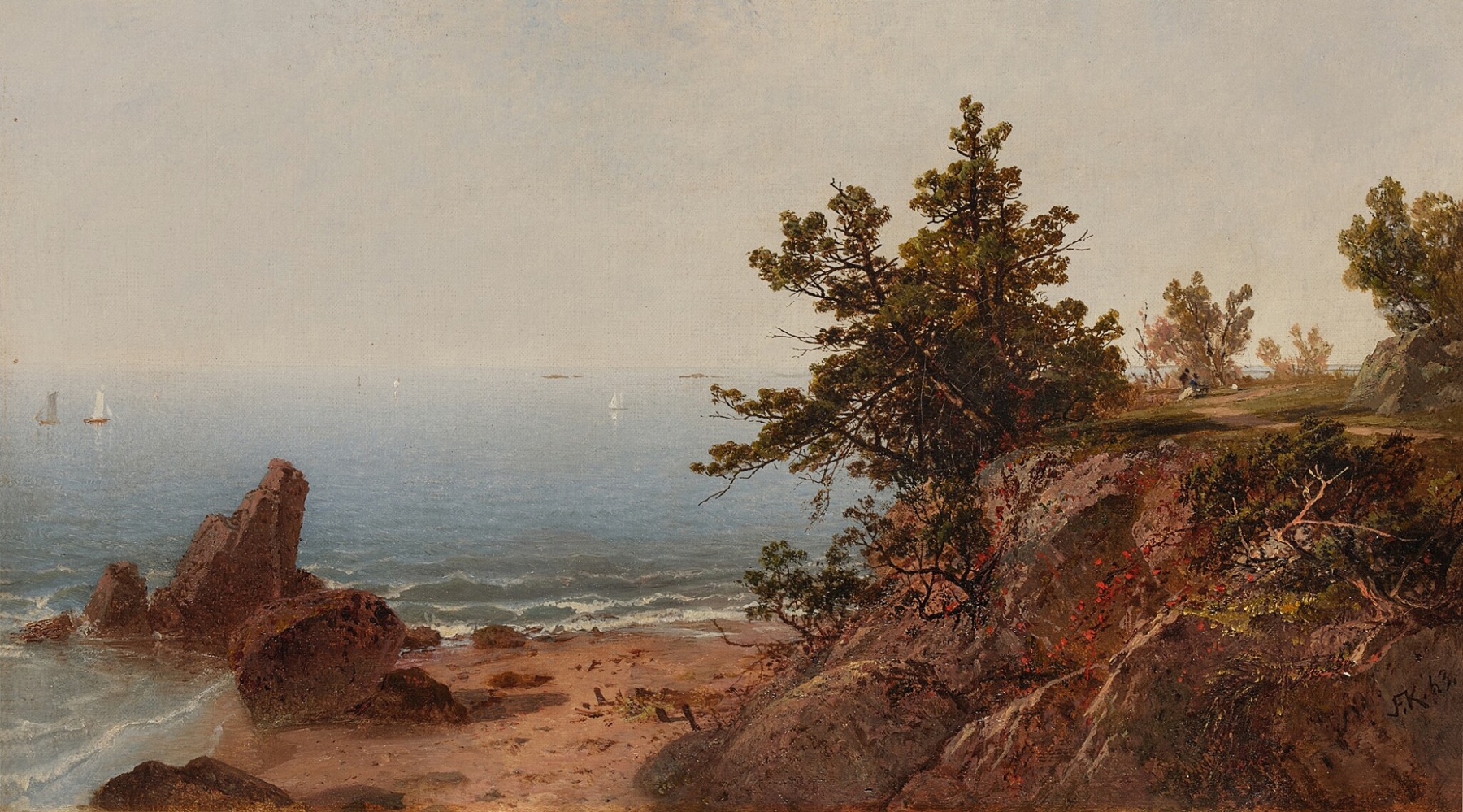
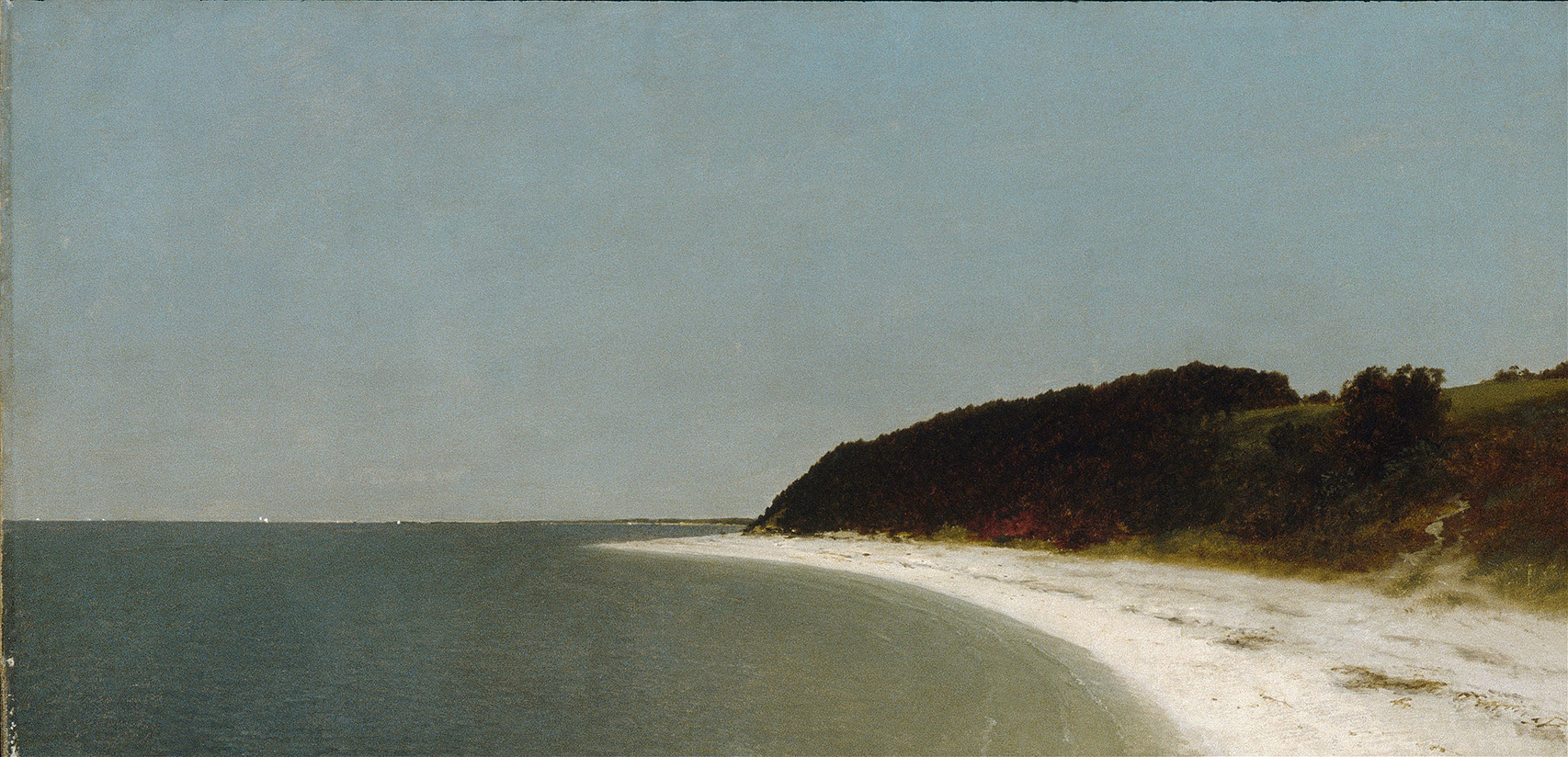
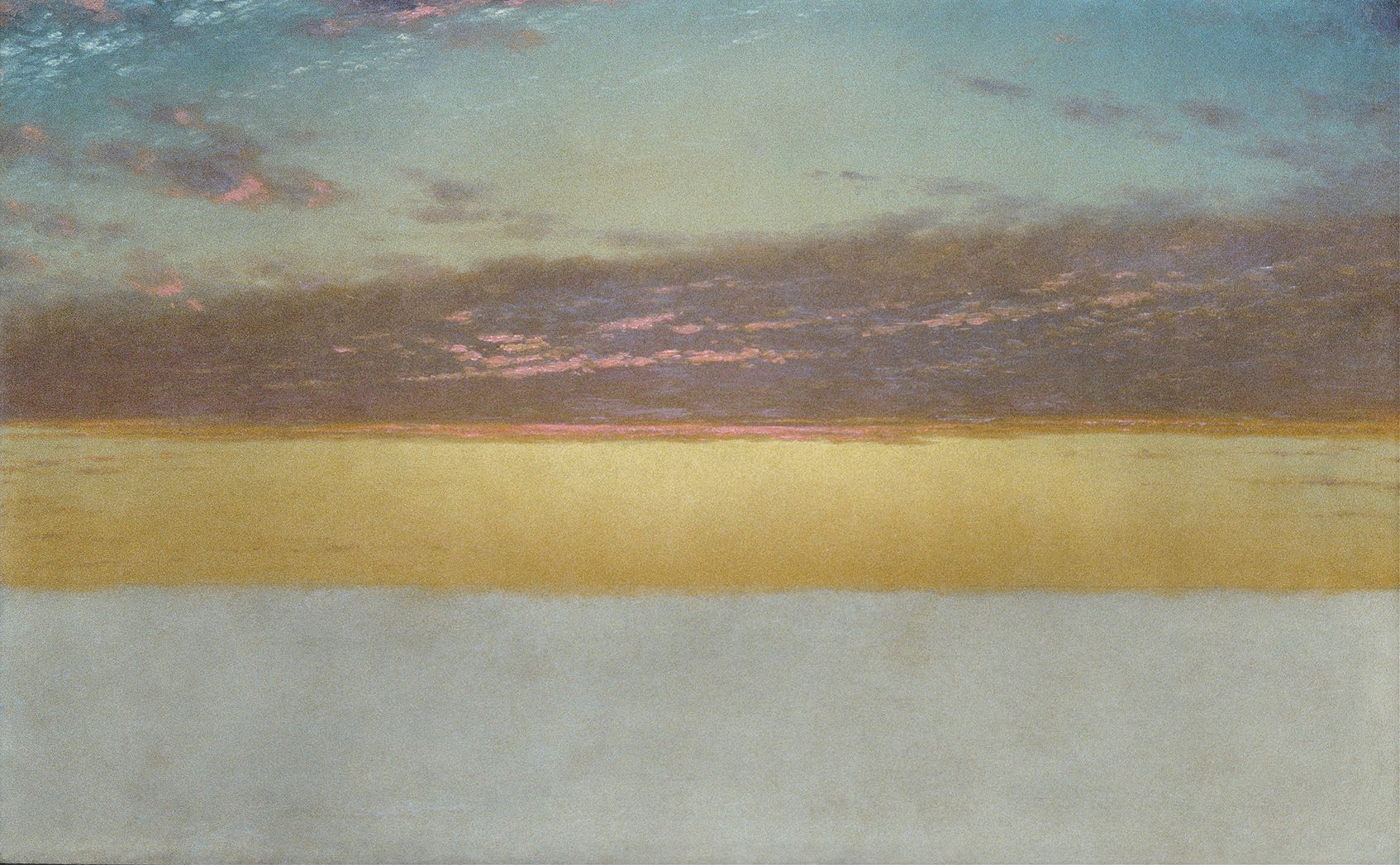
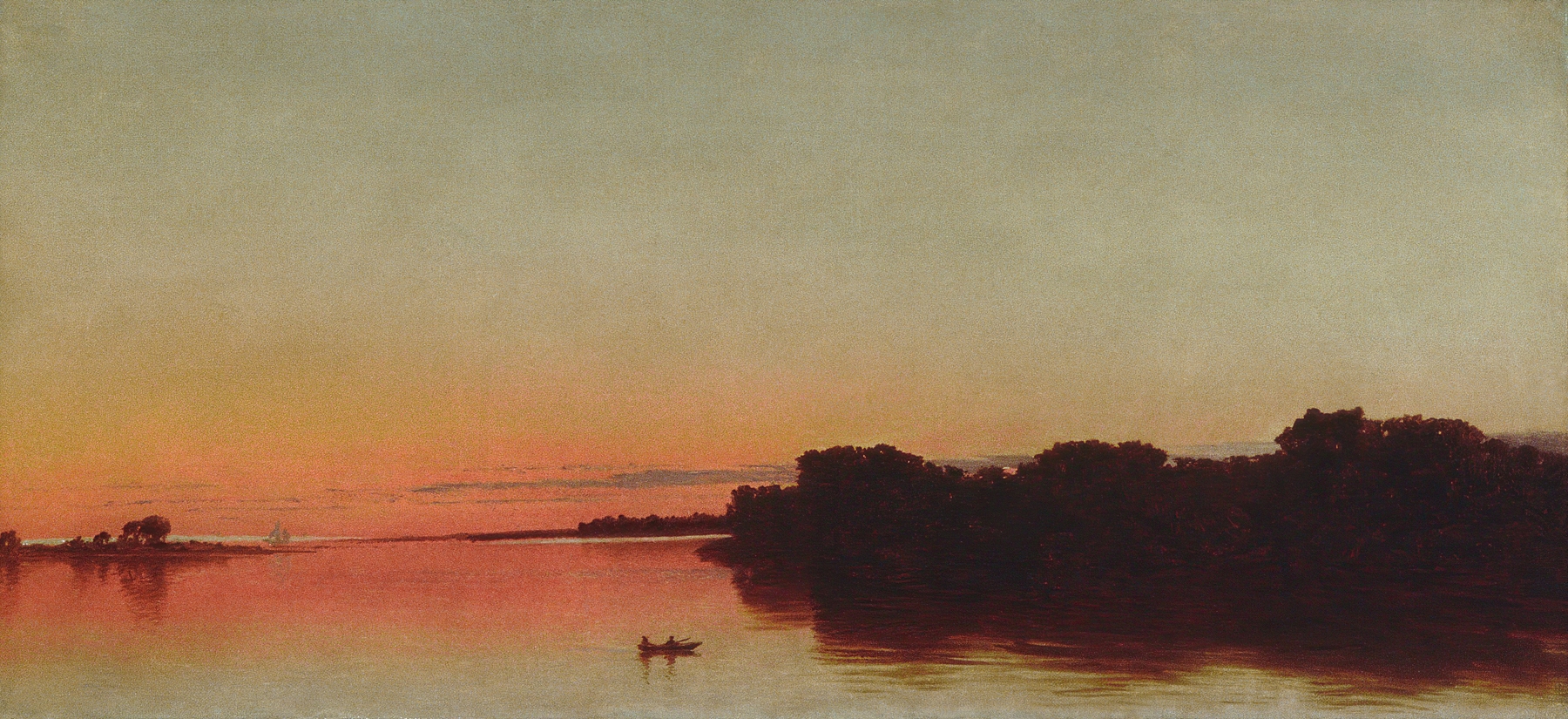
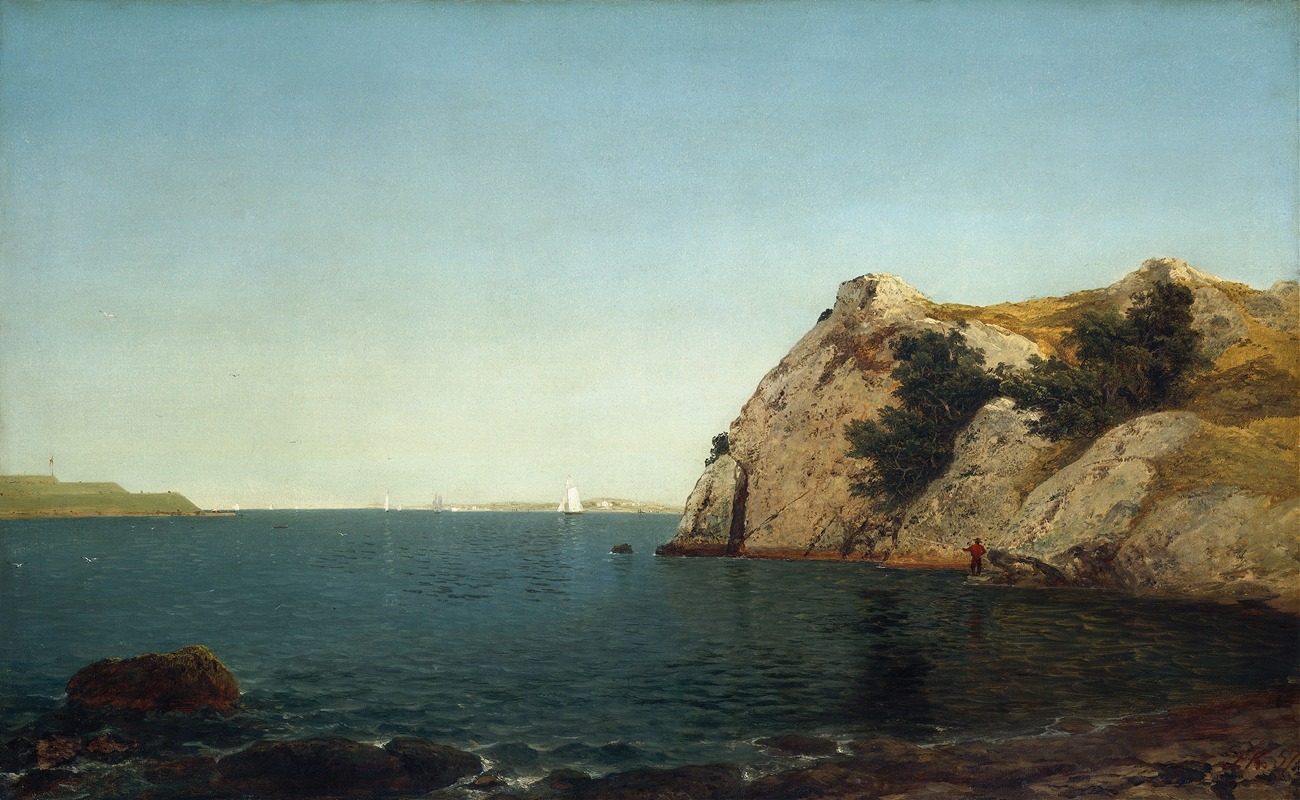
“Art reveals the soul when the world turns away.” In moments of stillness and reflection, we find not only beauty but also the essence of our existence. Focus first on the serene expanse of water that dominates the foreground, its surface a mirror reflecting the sky’s tranquil hues. Notice the delicate interplay of light and shadow as the warm tones of the sunset blend seamlessly into cooler blue tones, guiding your gaze across the canvas. The meticulous brushwork captures the gentle ripples, inviting you to linger in this moment of harmony between land and sea, where nature seems to breathe.
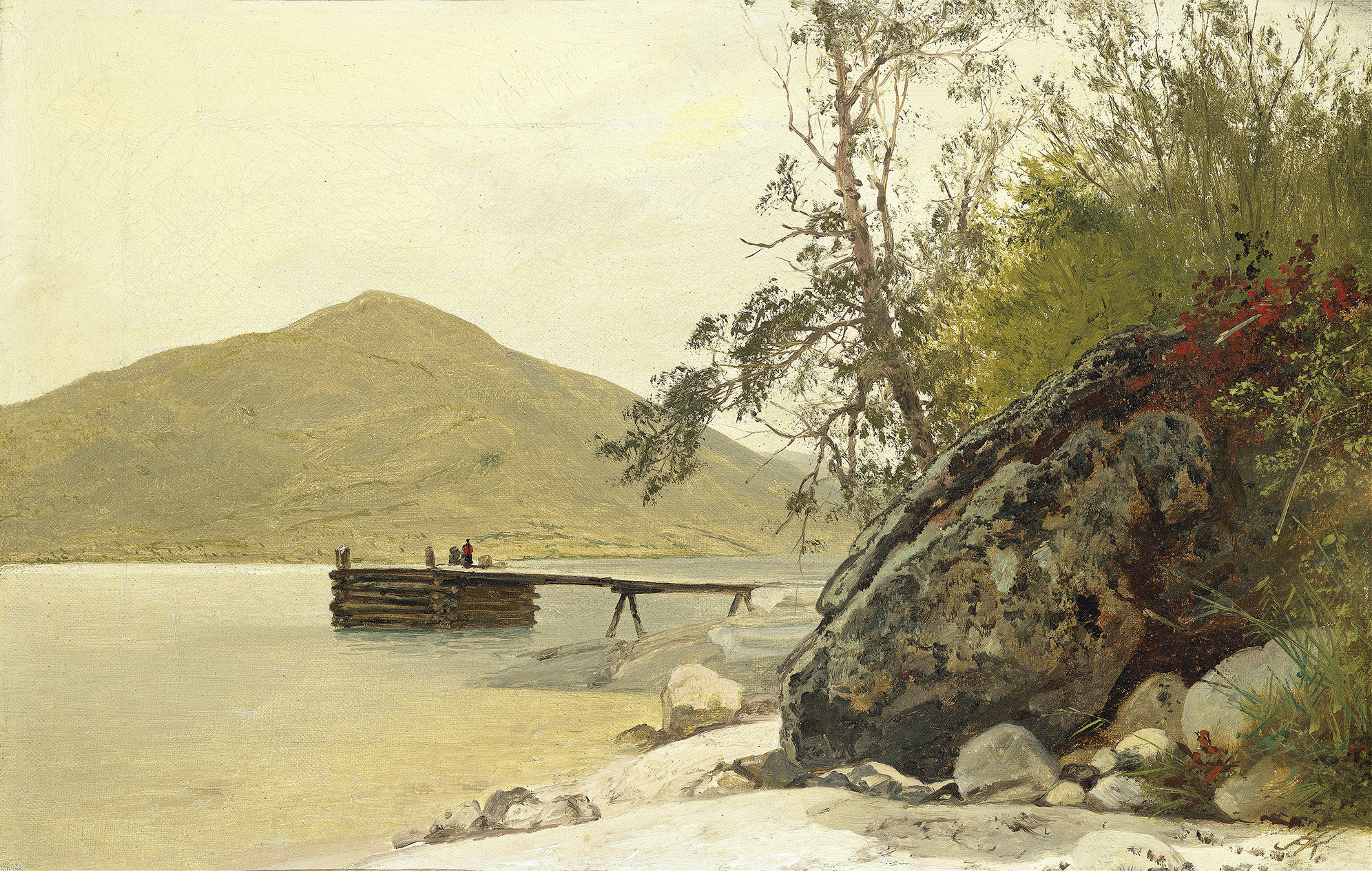
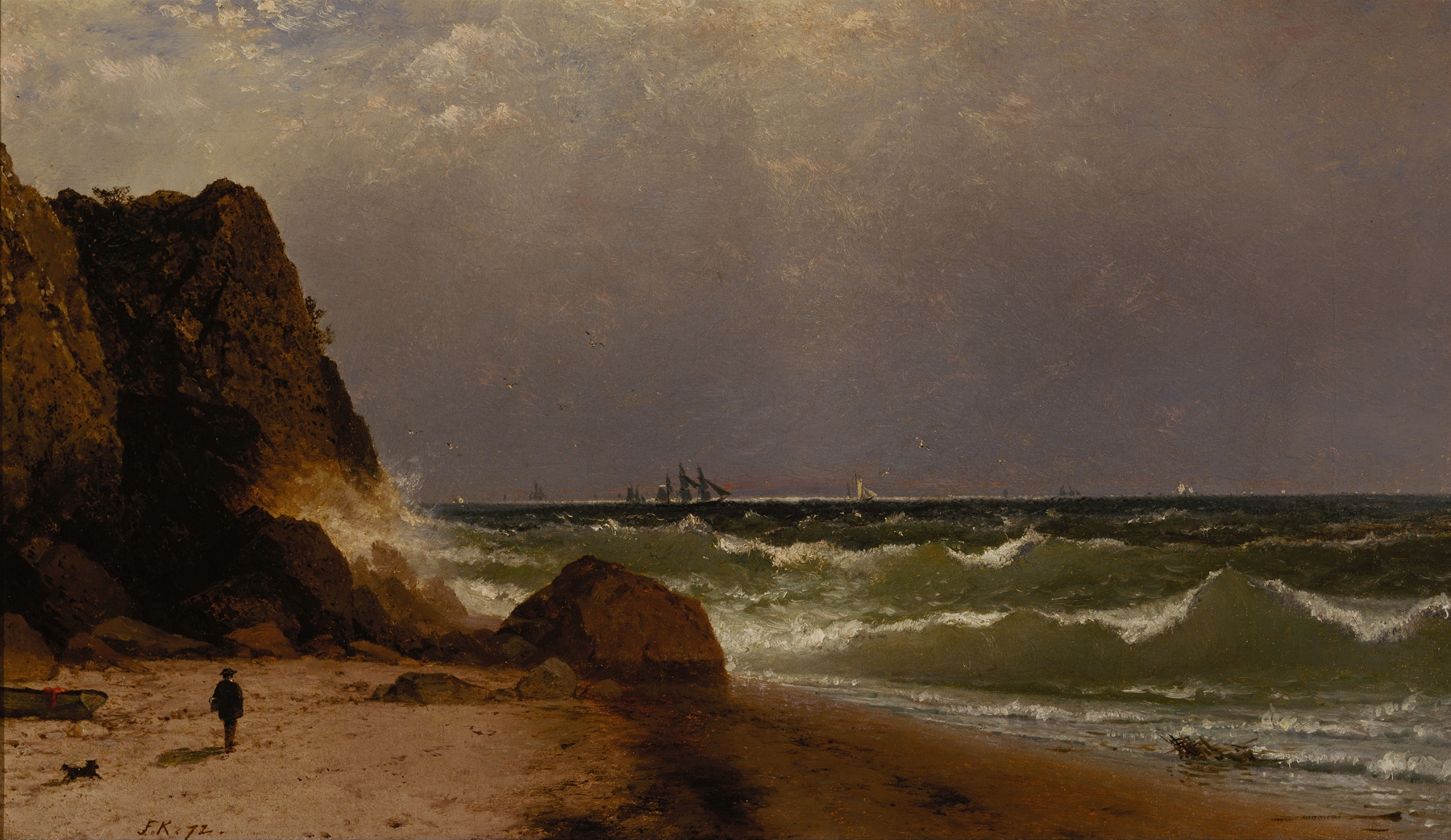
As you delve deeper, observe the contrasting elements within the composition: the solidity of the rocky cliffs juxtaposed with the fleeting, ephemeral quality of the water. Each detail speaks of a fleeting tranquility, hinting at the transient nature of time and memory. The interplay of light hints at the passage of day into night, evoking a sense of introspection and nostalgia that resonates within the viewer's soul.
In 1869, while painting Near Newport, John Frederick Kensett was immersed in the American landscape movement, capturing the beauty of nature in a burgeoning nation. Residing in New York, he was a key figure among the Hudson River School artists, who sought to elevate American scenery in art. This period marked a time of exploration and appreciation for the natural world, as Kensett found solace and inspiration in the landscapes around him, even as societal changes loomed on the horizon.