No. 1 Wall Street — History & Analysis
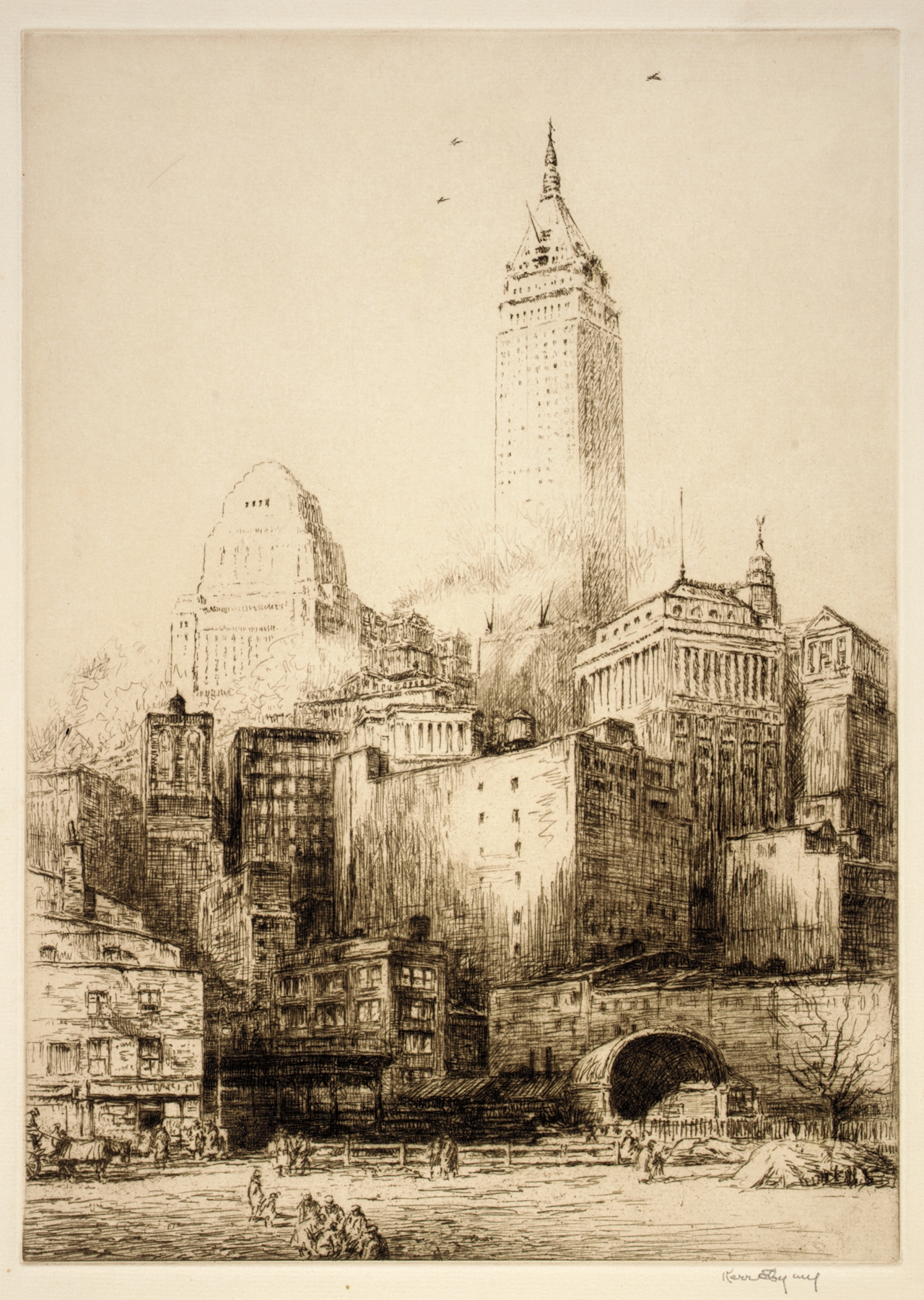
What if silence could speak through light? In a world often drowned in noise, the quiet power of absence resonates in ways we often overlook. Look to the center of the canvas, where the towering structures of Wall Street loom against a brooding sky. The sharp angles and deep shadows create a sense of confinement, as if the buildings themselves are closing in.
Notice how the muted palette of grays and blacks evokes an atmosphere of somber reflection, while the faintest hints of light cut through the darkness, suggesting the possibility of hope amidst desolation. The artist captures a moment rife with tension—a stark contrast between the grandeur of human achievement and the void that lies beneath it. The emptiness surrounding the buildings serves as a reminder of the solitude felt by those who tread the pavement below. One can sense the weight of ambition and the sacrifices made in pursuit of success, as well as the precariousness of it all, where the glory of the city might just be a façade.
Created during the onset of the Great Depression in 1930, this piece reflects both the personal and collective struggles of a nation grappling with economic despair. Kerr Eby, a Canadian artist known for his evocative landscapes and prints, painted this work as he navigated his own artistic path amidst the shifting tides of the art world. This period saw him honing his skills, drawing inspiration from his experiences in New York, where the bustling life around him starkly contrasted with the growing sense of hopelessness that would soon envelop many.