North West View of St. Paul’s — History & Analysis
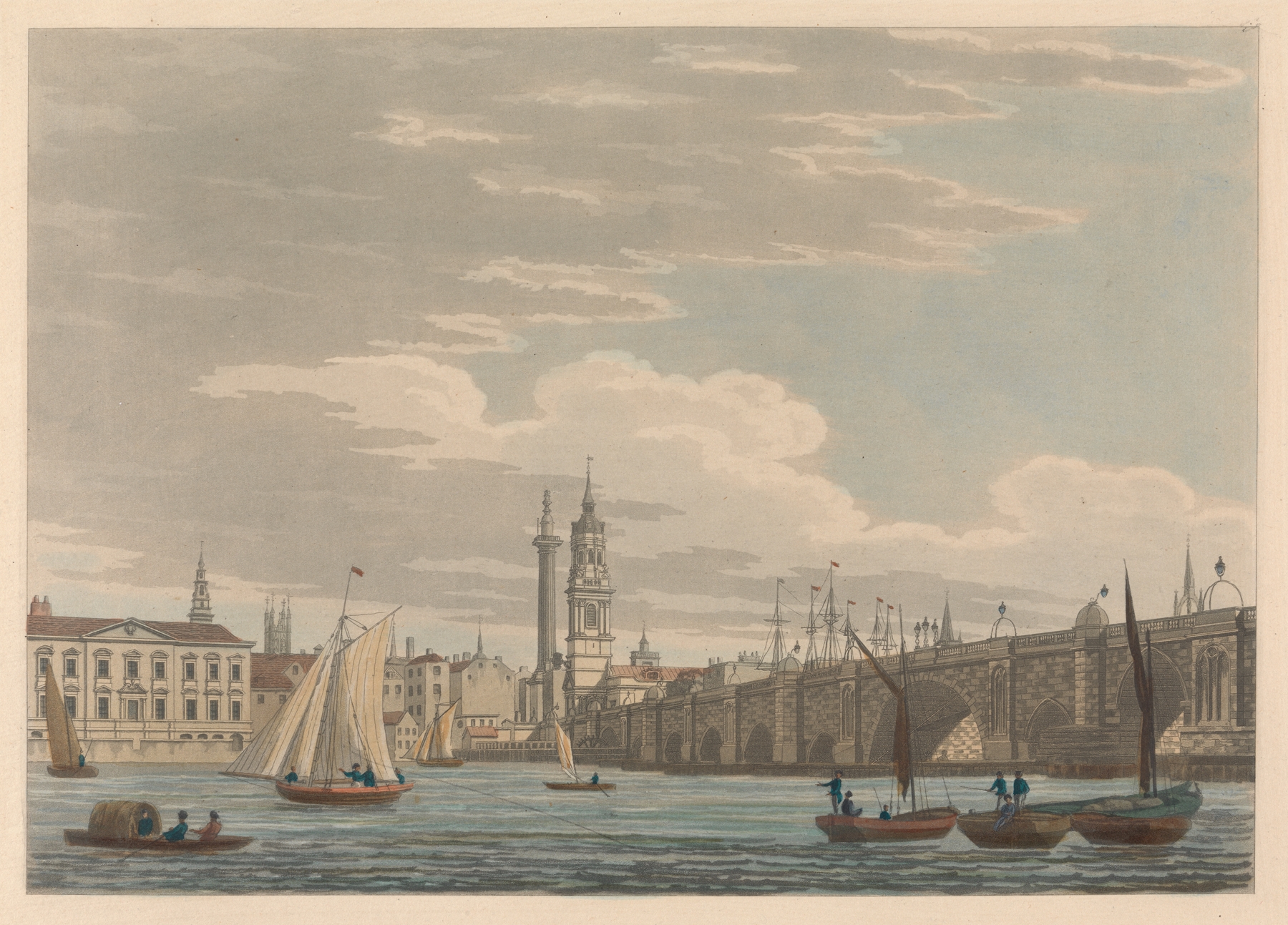
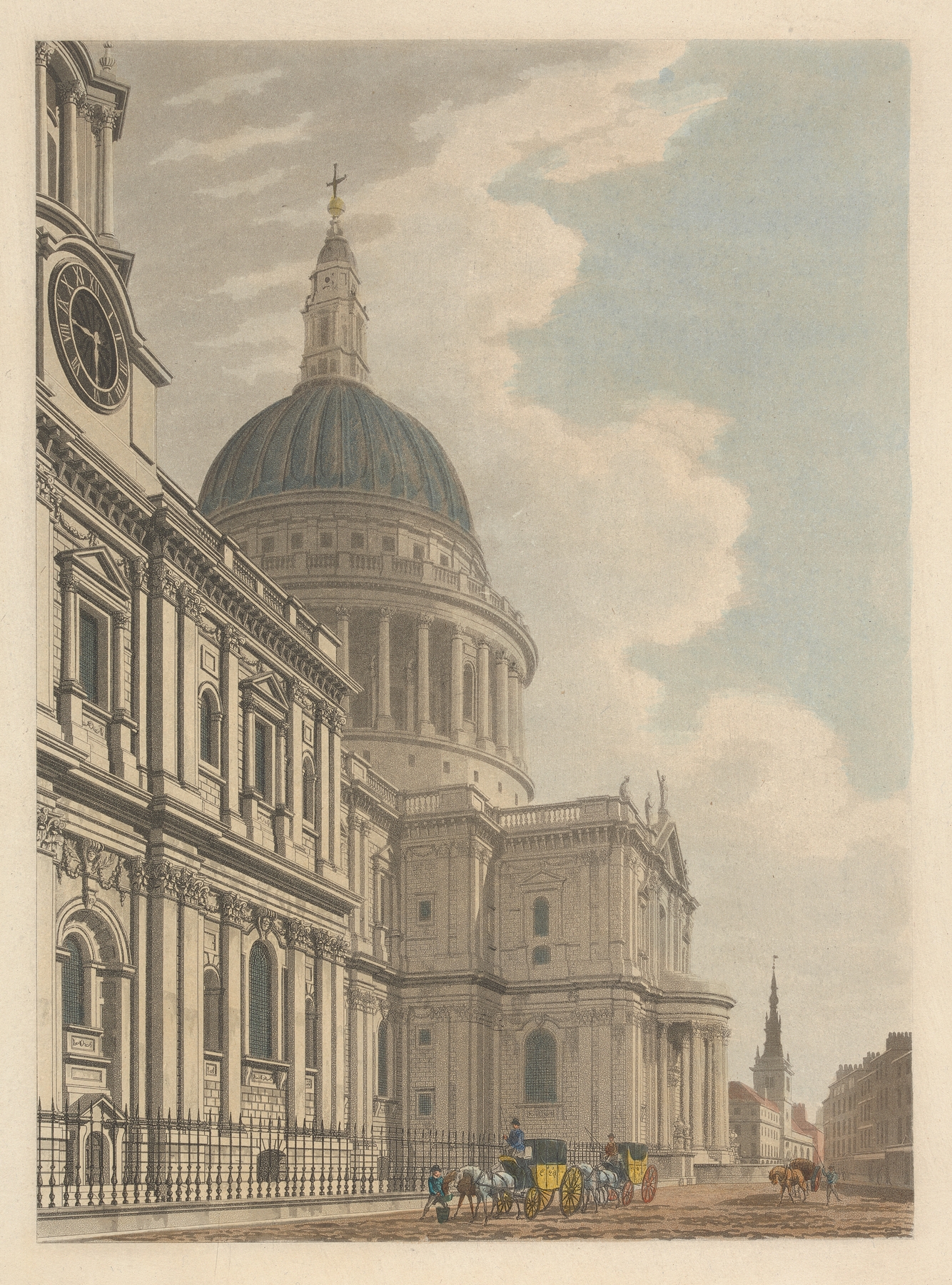
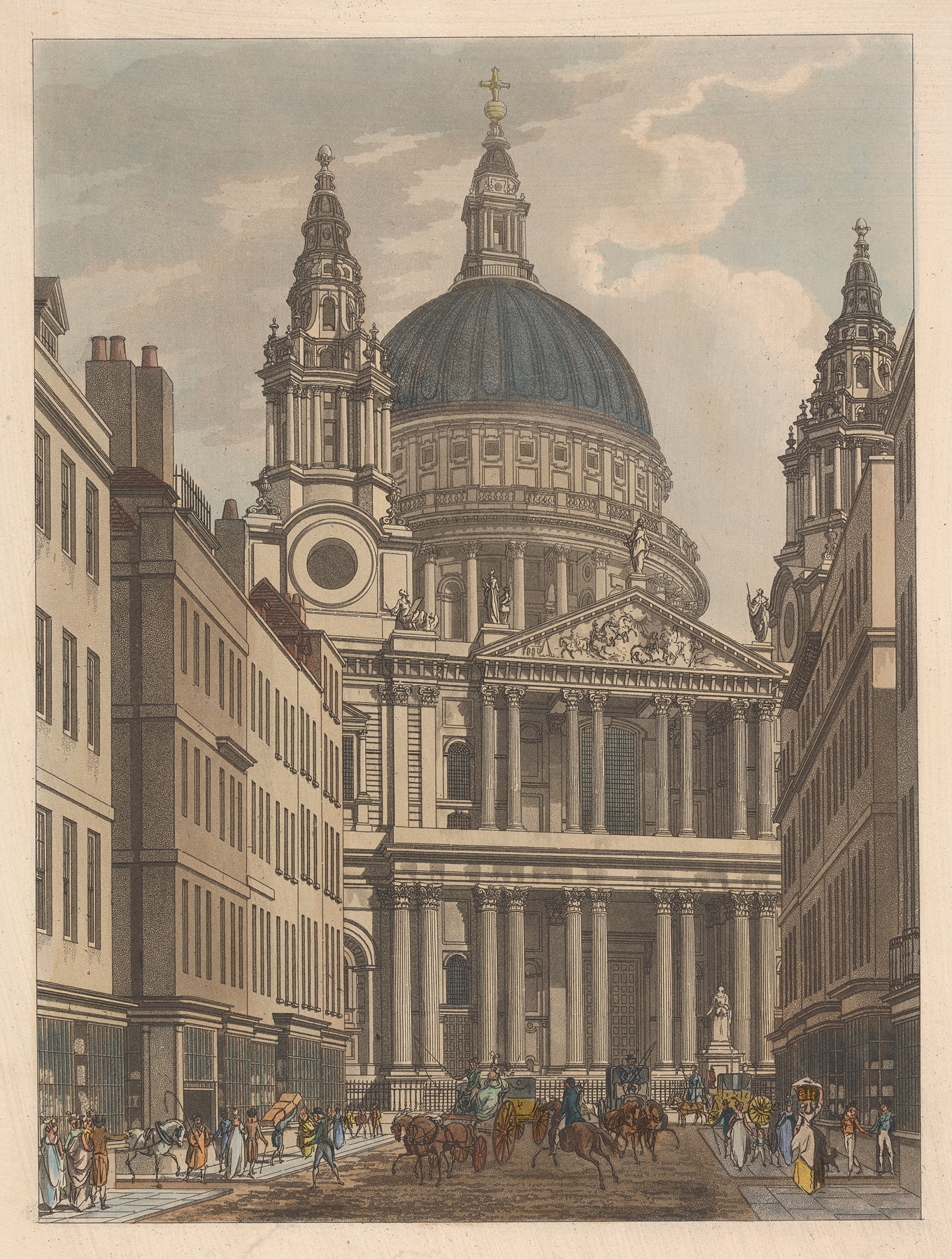
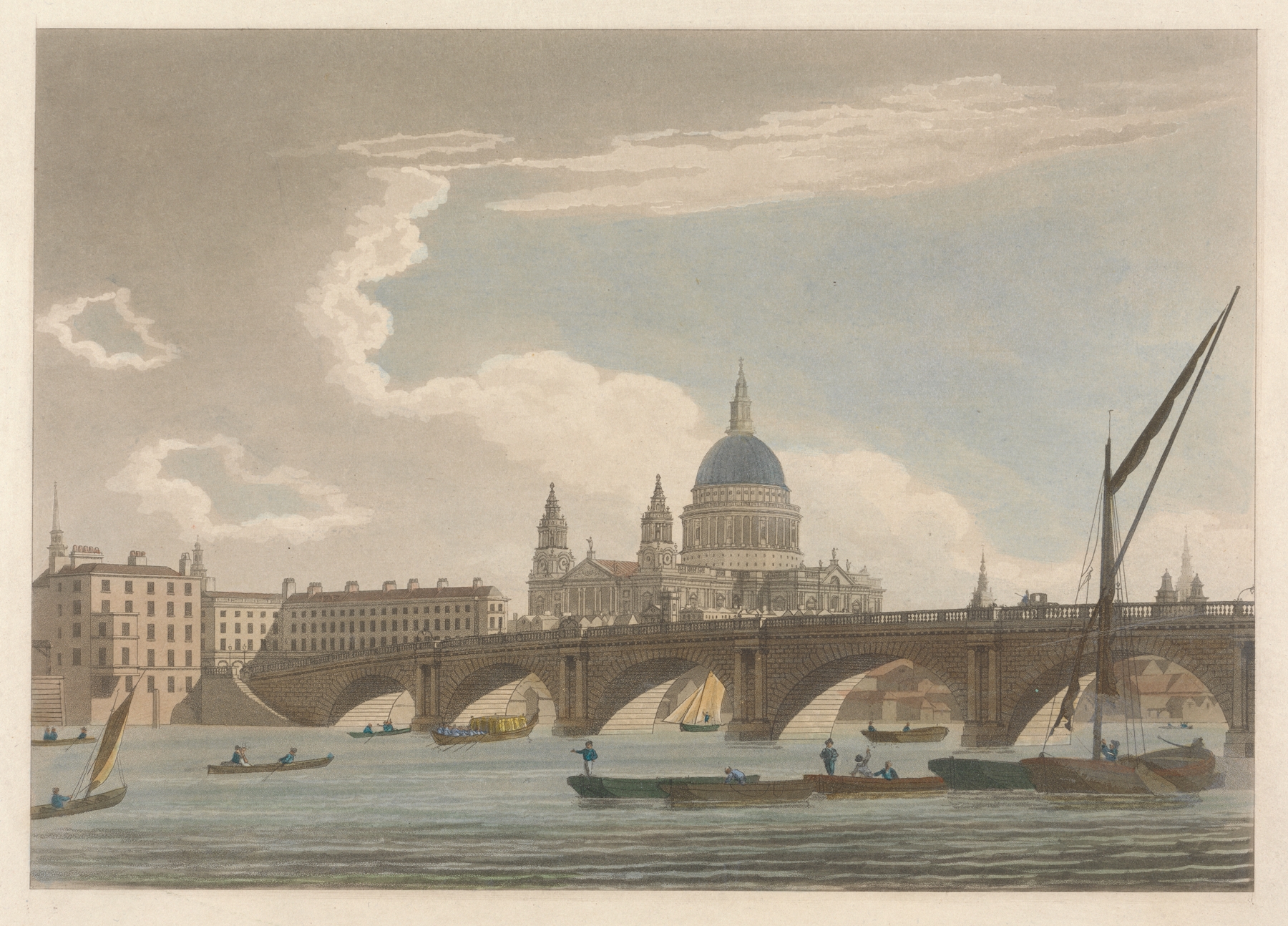
Is this a mirror — or a memory? Standing before the grand depiction of the cathedral, one cannot help but feel the weight of history resting upon the viewer’s shoulders. Look to the left at the masterful portrayal of the dome, its soaring curves captured in exquisite detail, each stroke echoing the ambition of the architect. Notice how the light dances across the stone façade, creating a play of shadow and illumination that gives the structure an almost ethereal presence.
The muted earth tones of the surrounding buildings provide a gentle contrast, directing our gaze ever upward toward the majestic spire that seems to pierce the very heavens. Yet amidst this architectural splendor lies a deeper commentary on the passage of time and the human experience. The juxtaposition of the bustling life below—the indistinct figures moving through the streets—against the stoic, unyielding cathedral reveals the transient nature of human endeavors in the face of enduring faith. The slight haze in the background evokes nostalgia, as if the viewer is peering not only at a place but through the veil of time itself, inviting reflection on the permanence and impermanence of both man and monument.
In 1801, Thomas Malton, a meticulous draftsman and son of a prominent artist, immersed himself in the dynamic world of London's architectural transformation. This period marked a significant moment in British art, as the neoclassical style was giving way to romanticism, reflecting the complexities of a rapidly changing society. Malton's work captures not only the physical landscape of St. Paul's Cathedral but also the emotional resonance of a city poised between its storied past and an uncertain future.