St. Laurance’s Church and Guild-Hall — History & Analysis
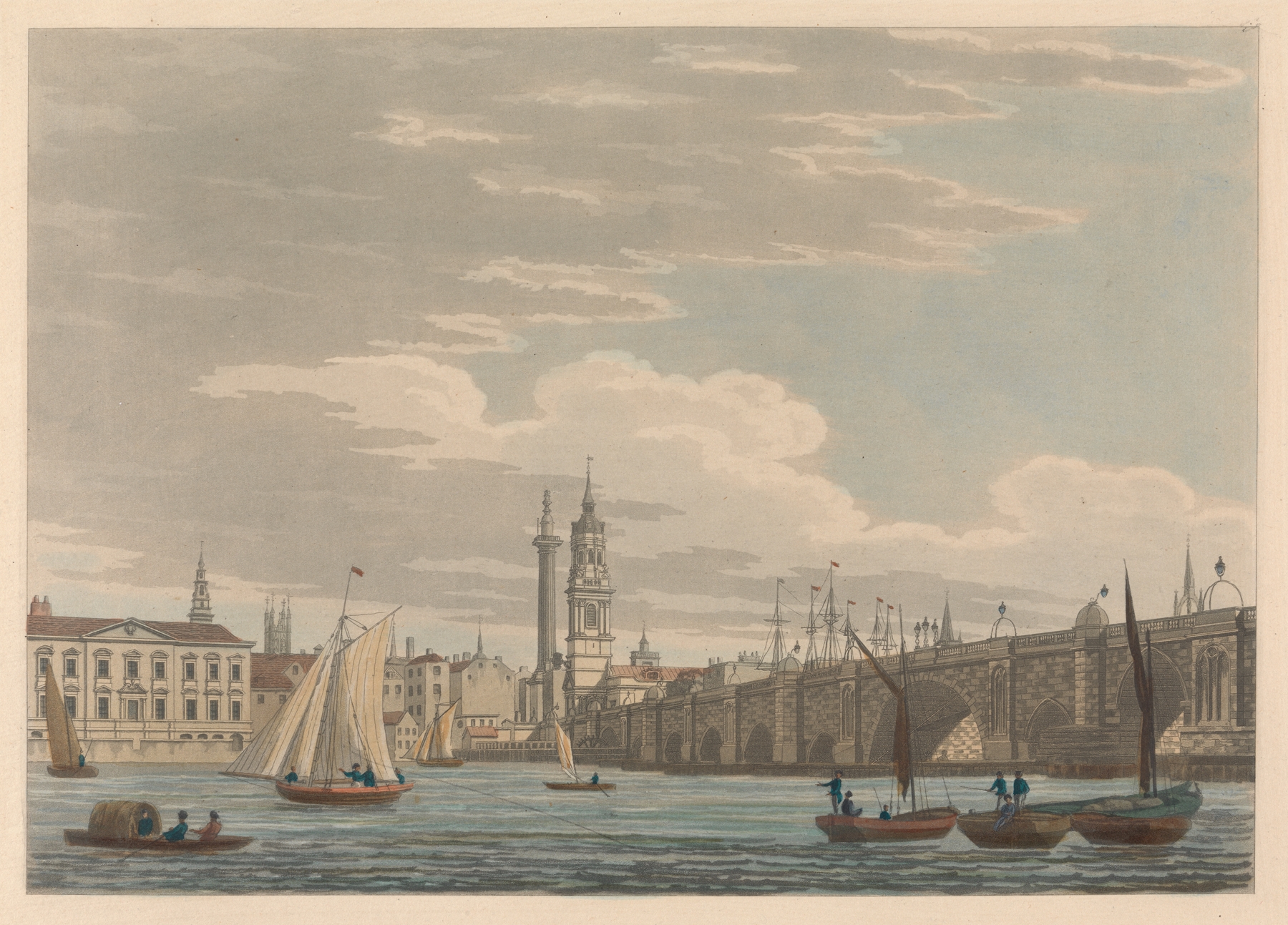
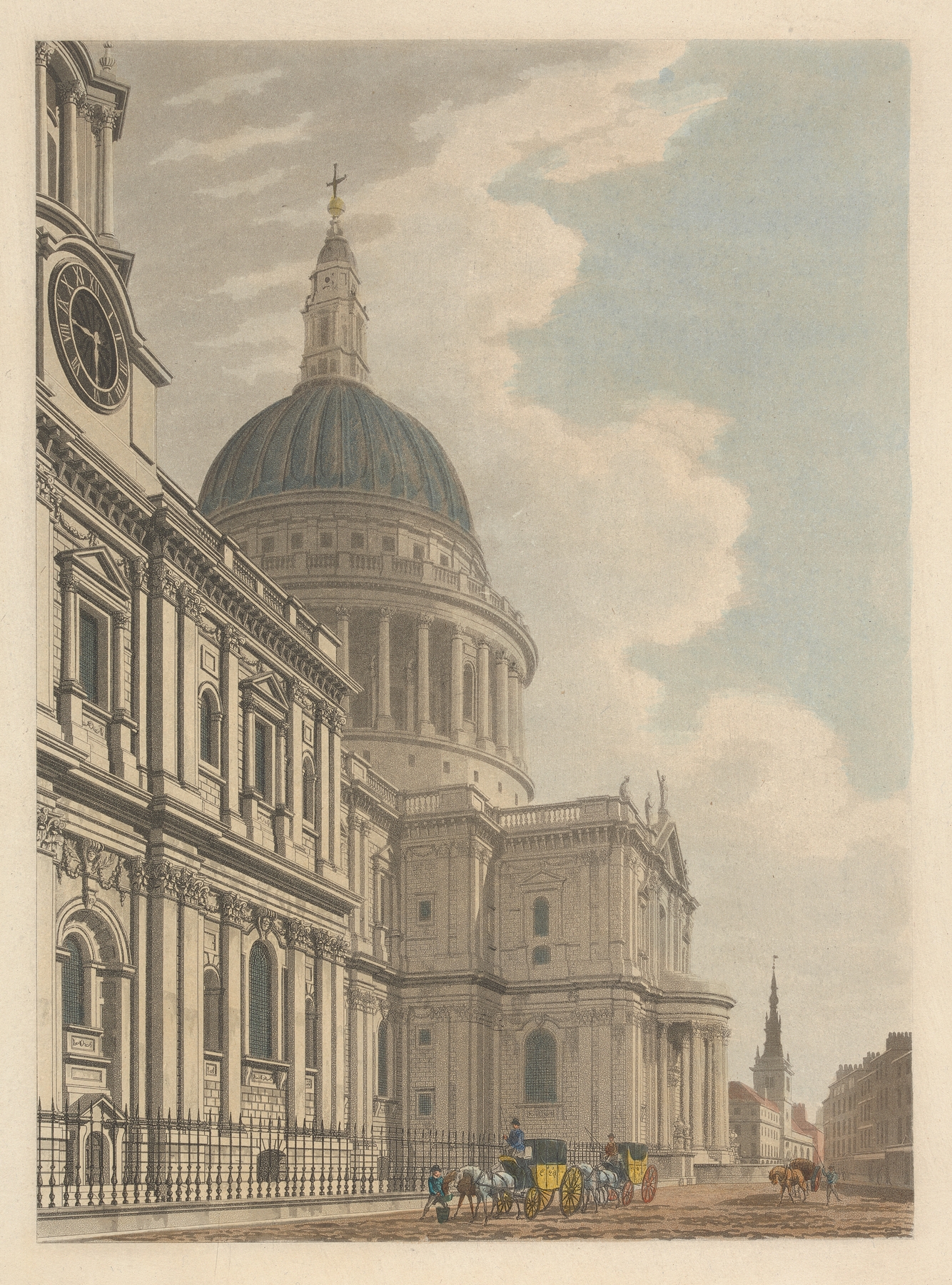
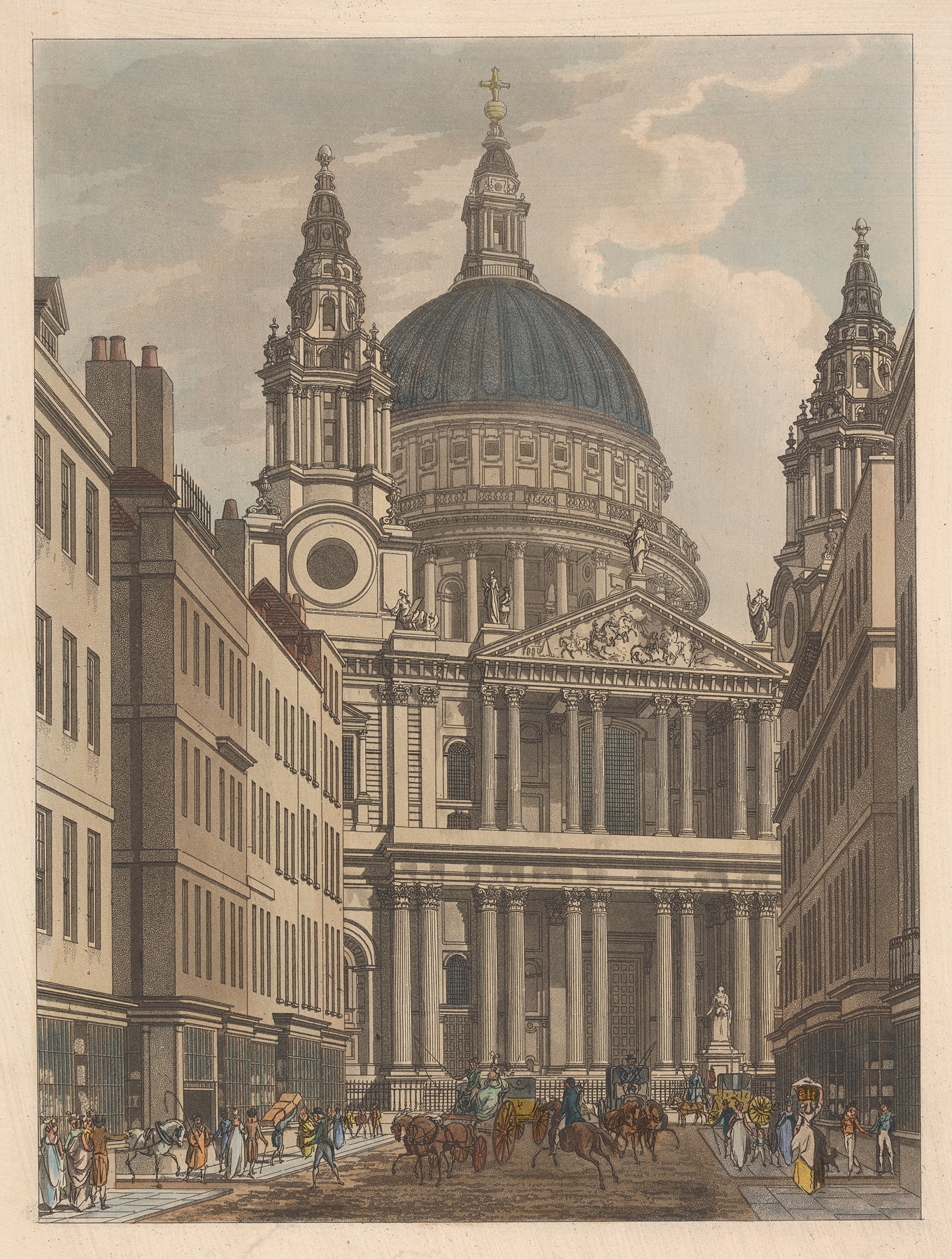
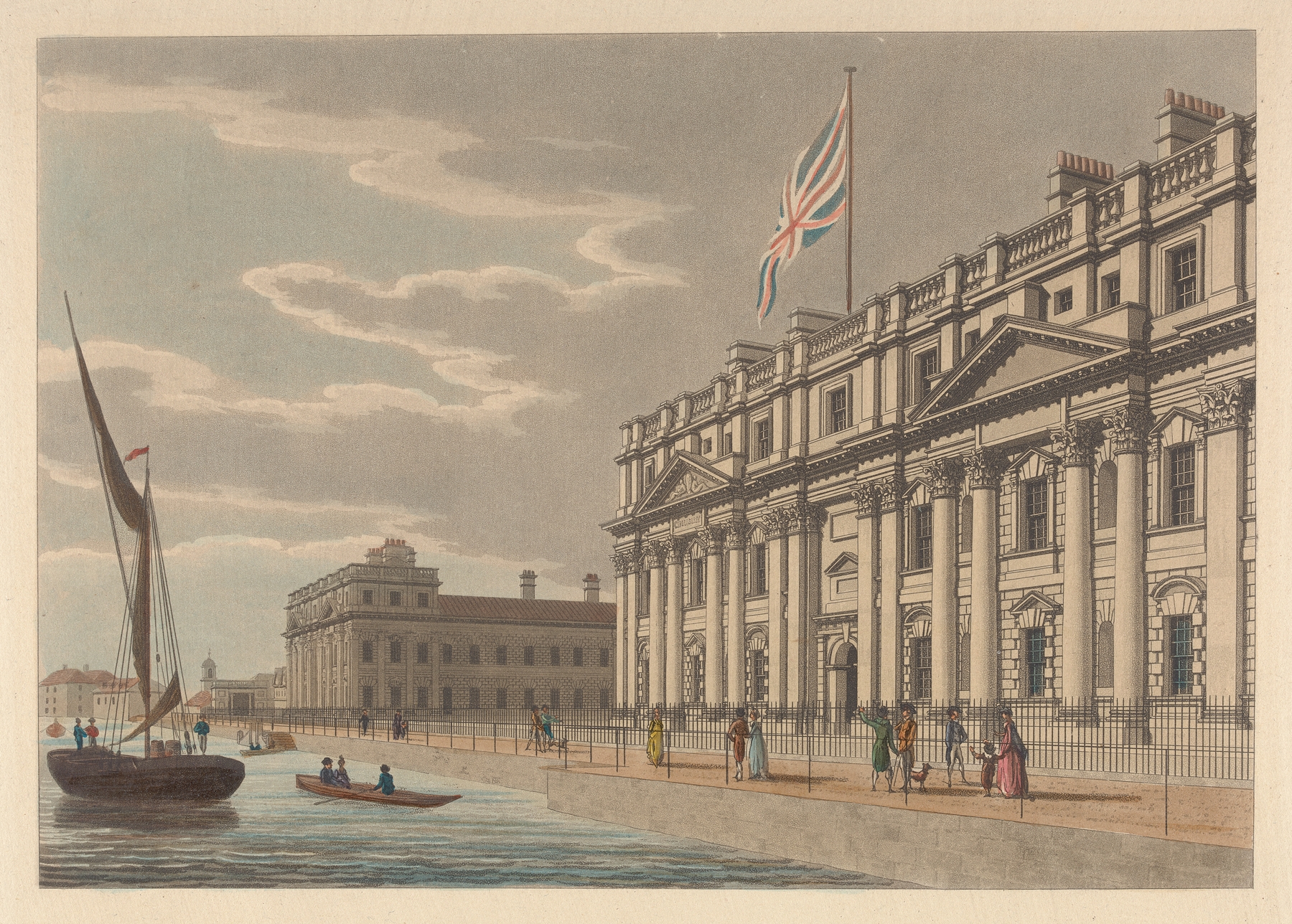
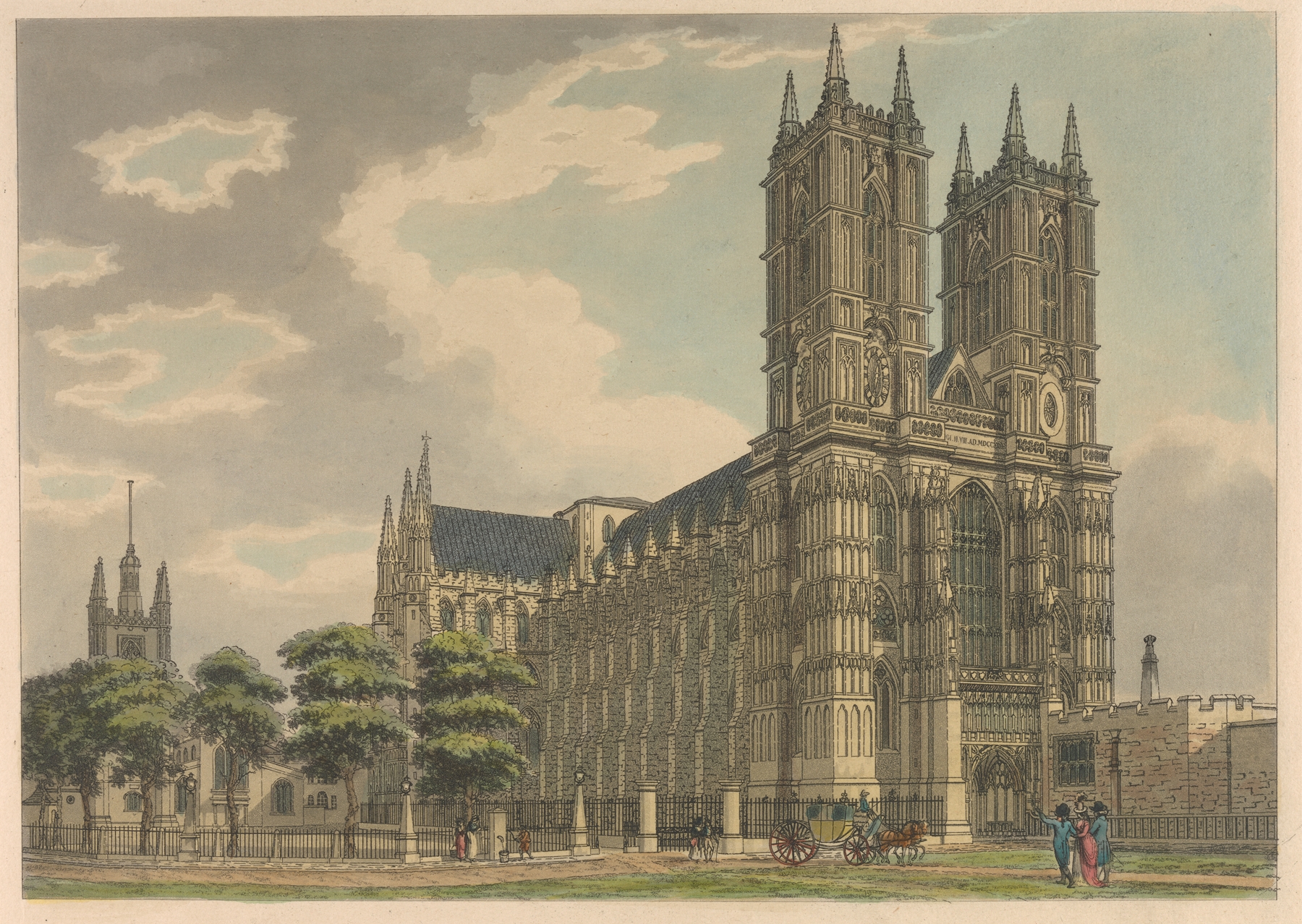
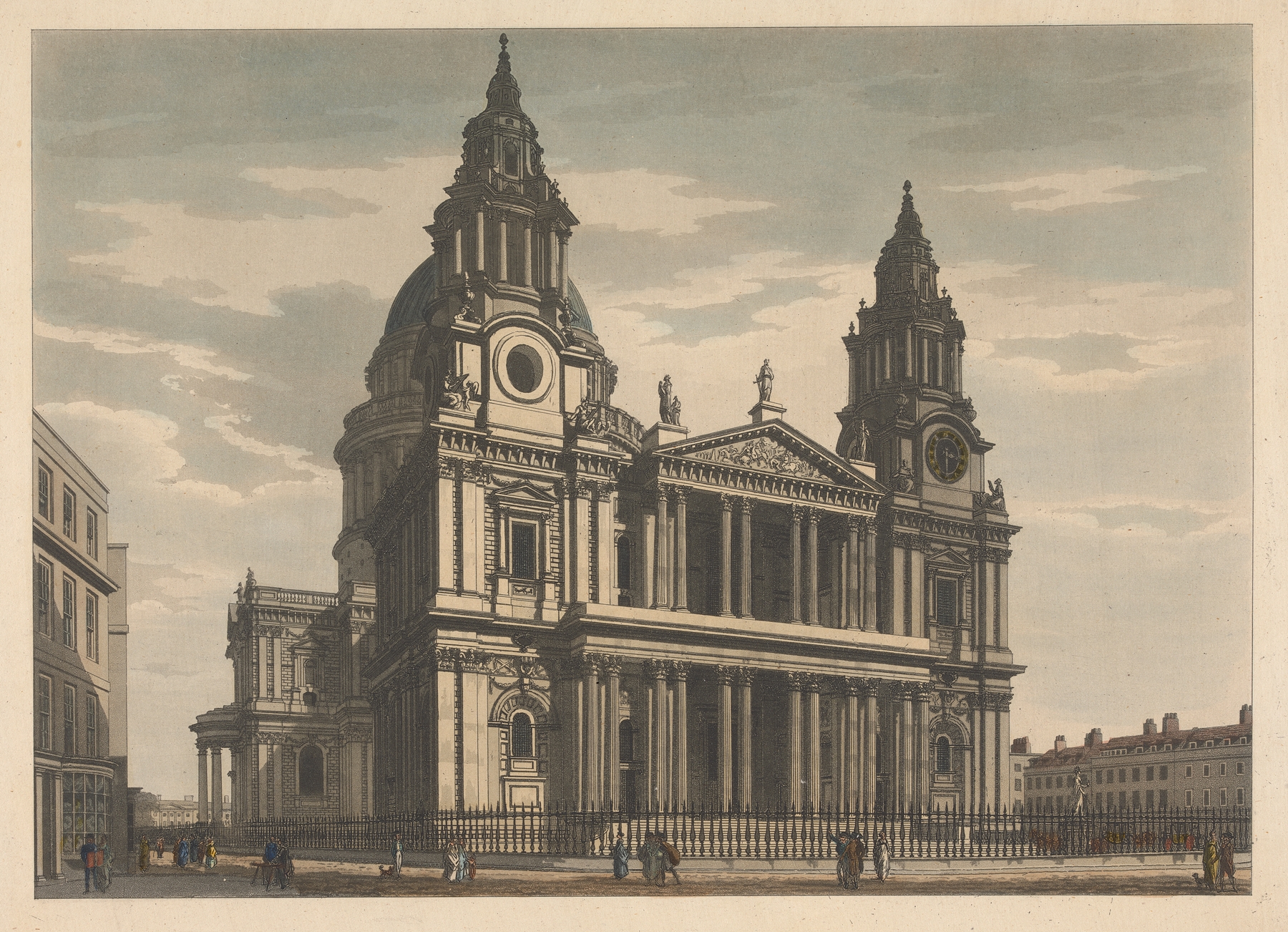
Who listens when art speaks of silence? In the stillness of St. Laurence’s Church and Guild-Hall, an echo of longing reverberates through the architecture, whispering of desires both fulfilled and unfulfilled. Look closely at the foreground, where the intricate stonework of the church draws the eye, its majestic façade bathed in a soft, golden light. Notice how the delicate play of shadows casts depth, revealing the thoughtful craftsmanship that connects the divine to the mundane.
The composition invites a journey from the solemn entrance of the church to the bustling activity of the guild-hall, where the human element subtly intertwines with the spiritual. Embedded within the serenity of the scene lies a palpable tension between the sacred and the secular. The church stands as a testament to faith, yet the presence of the guild-hall hints at the aspirations and interactions of daily life. The artist plays with this duality, illustrating not only the physical structures but also the inner desires of the people who inhabit this space—yearning for connection, purpose, and reverence. Each figure captured, though small in scale, embodies a story, a desire that transcends the canvas.
In 1798, Thomas Malton was immersed in the vibrant art scene of London, where neoclassicism was on the rise, reflecting a society grappling with change. This period saw an increased interest in architectural precision and the everyday life of urban dwellers. As he painted St. Laurence’s Church and Guild-Hall, Malton was not only documenting a moment in time but also exploring the complex relationship between aspiration and architectural beauty amidst the evolving landscape of a city in flux.