St. Paul’s from Ludgate Hill — History & Analysis
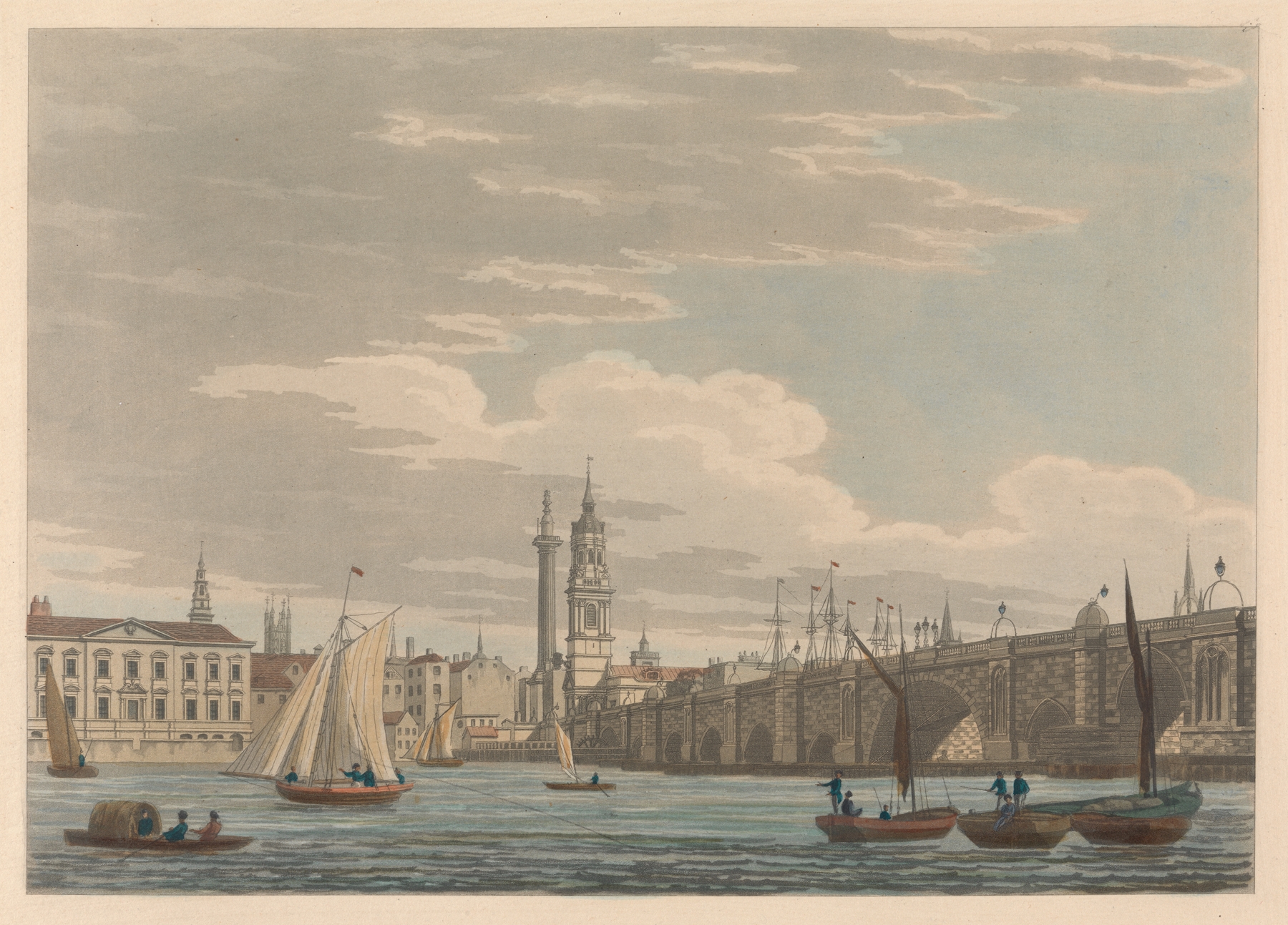
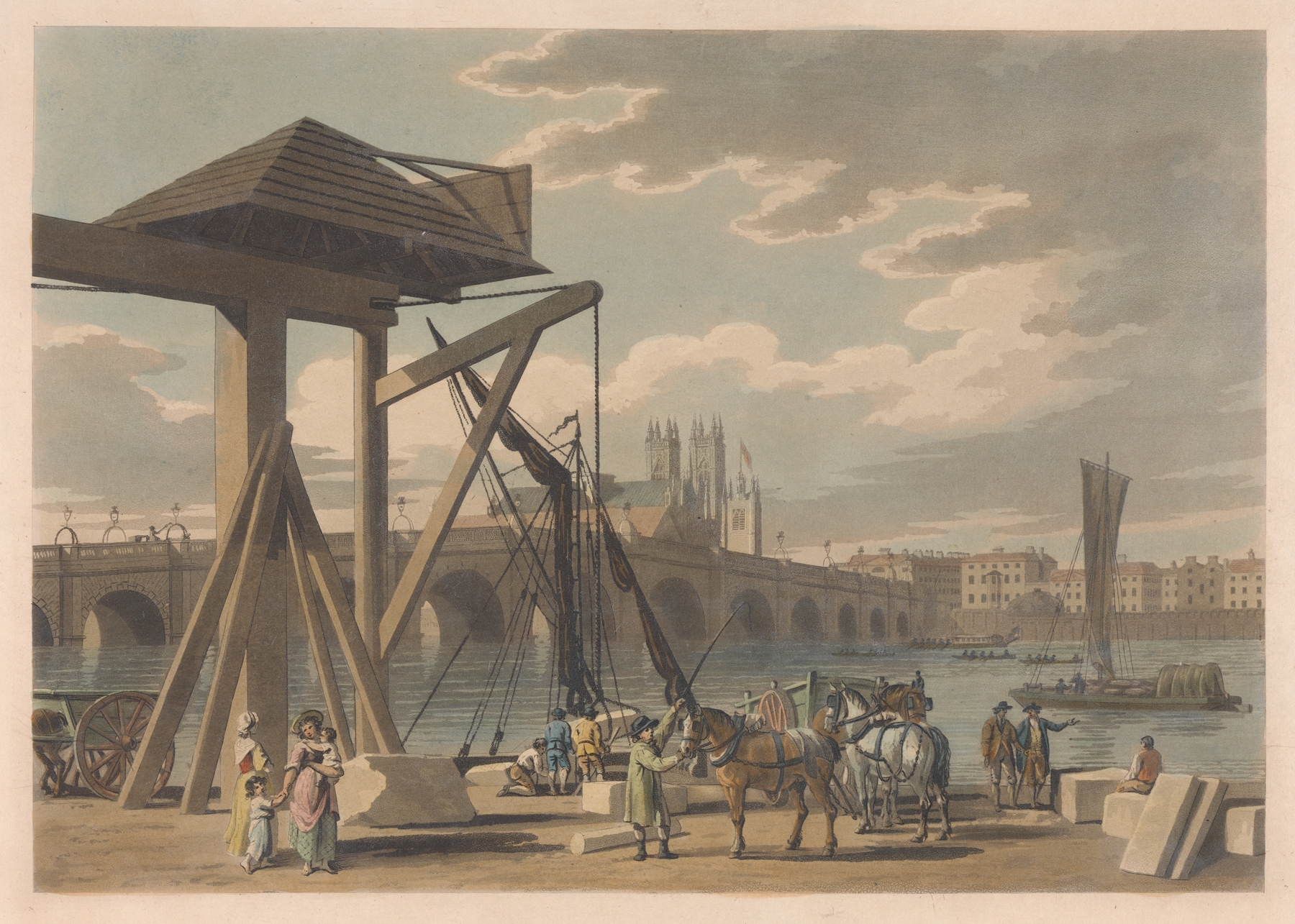
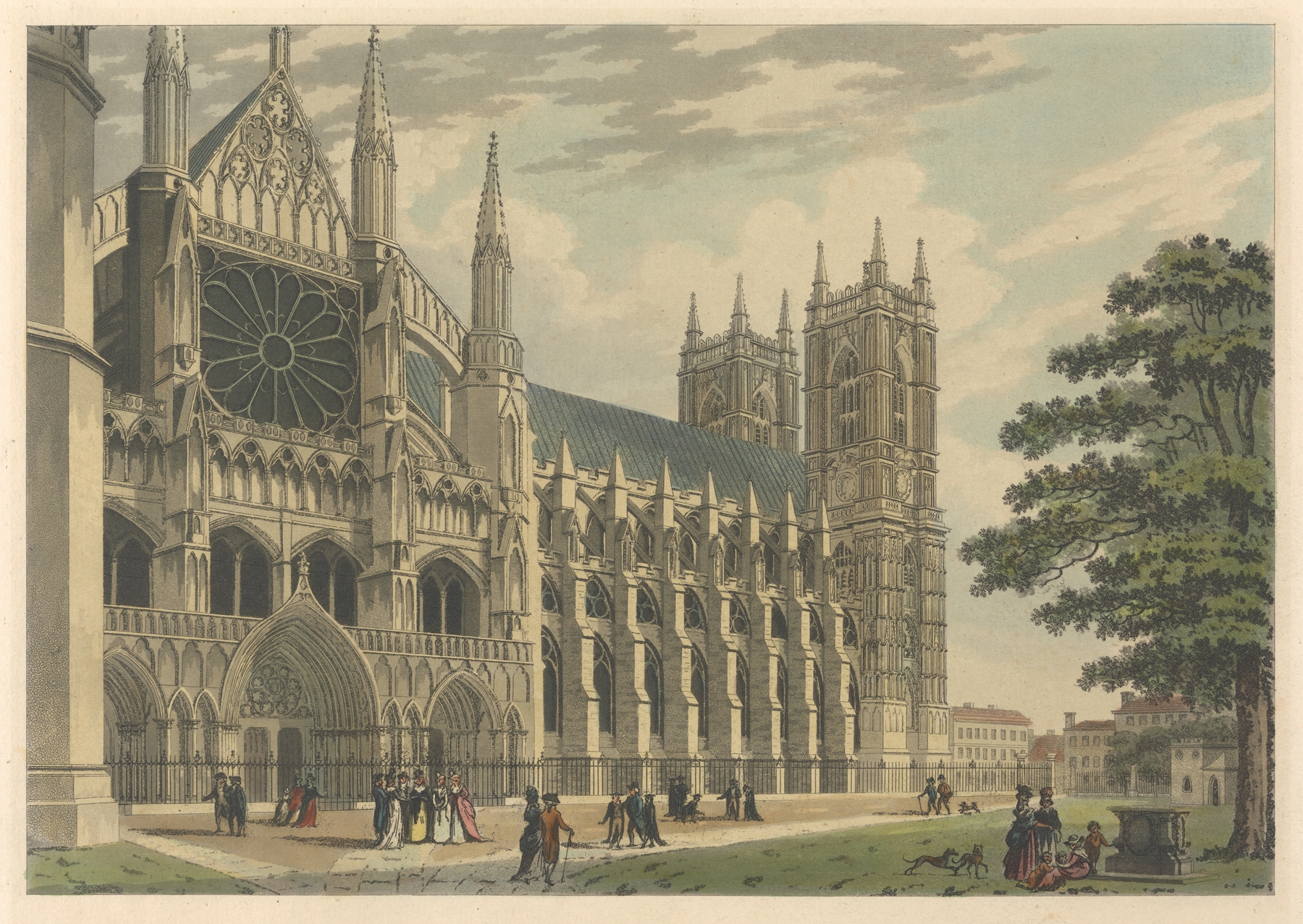
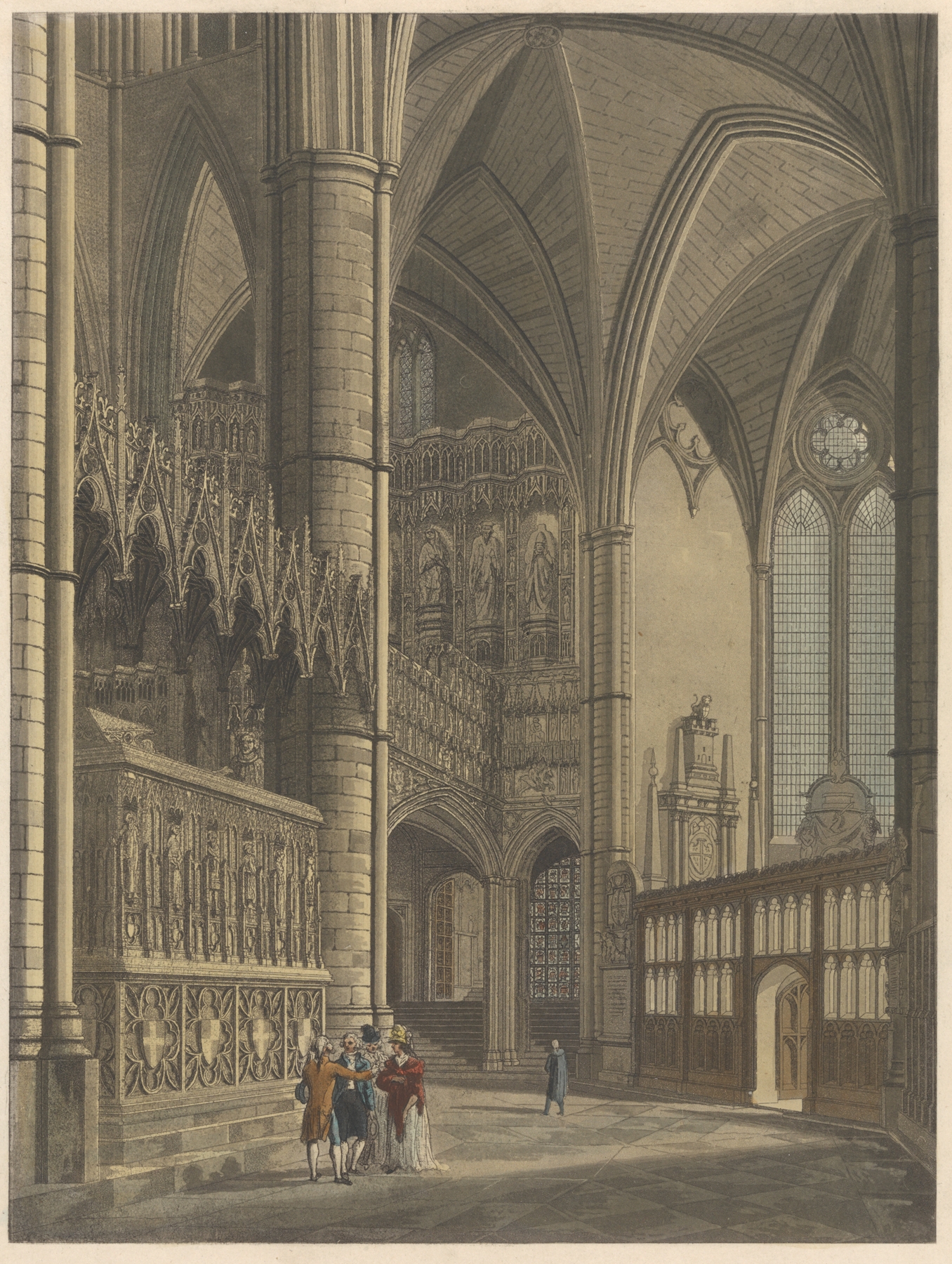
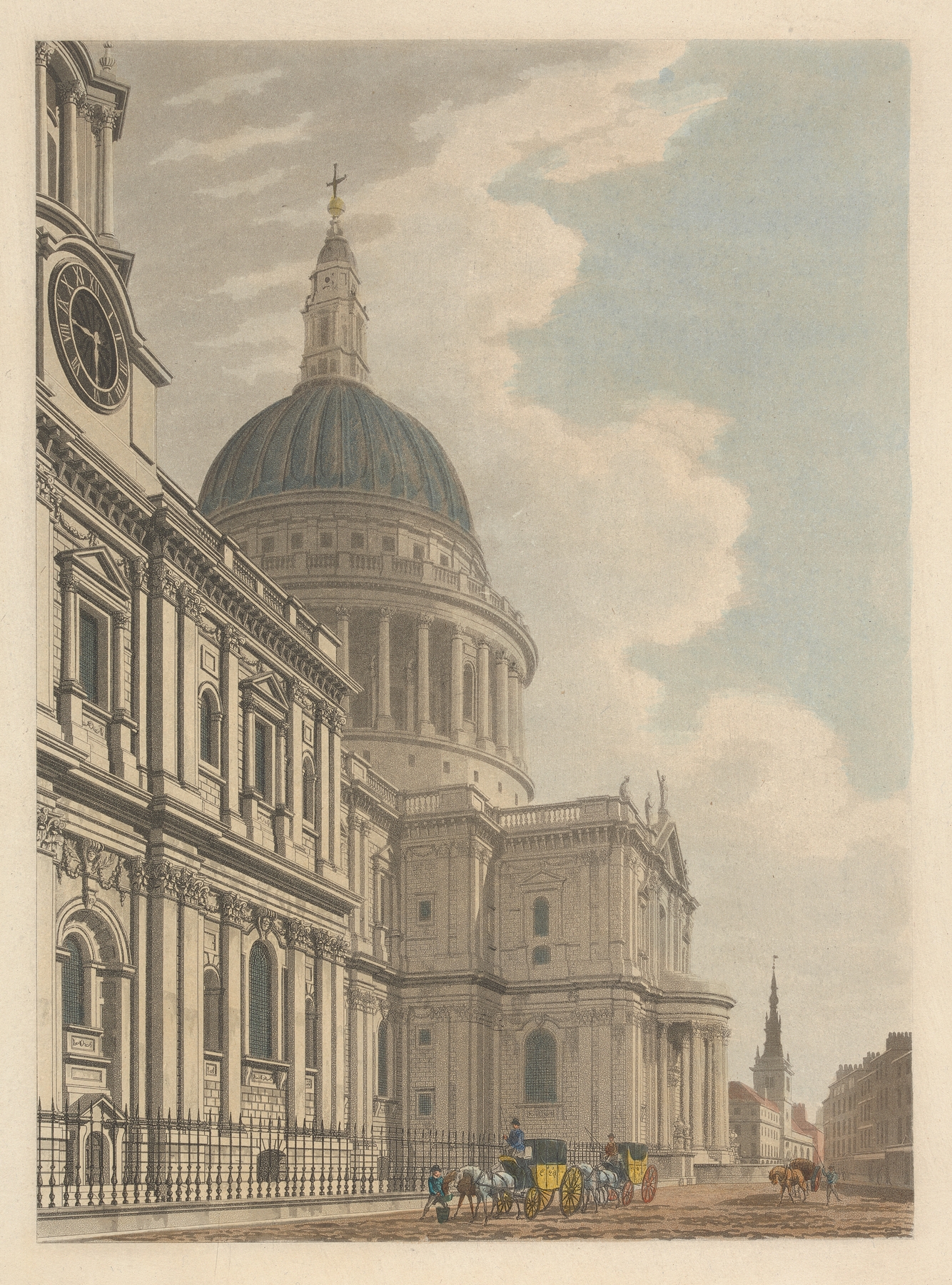
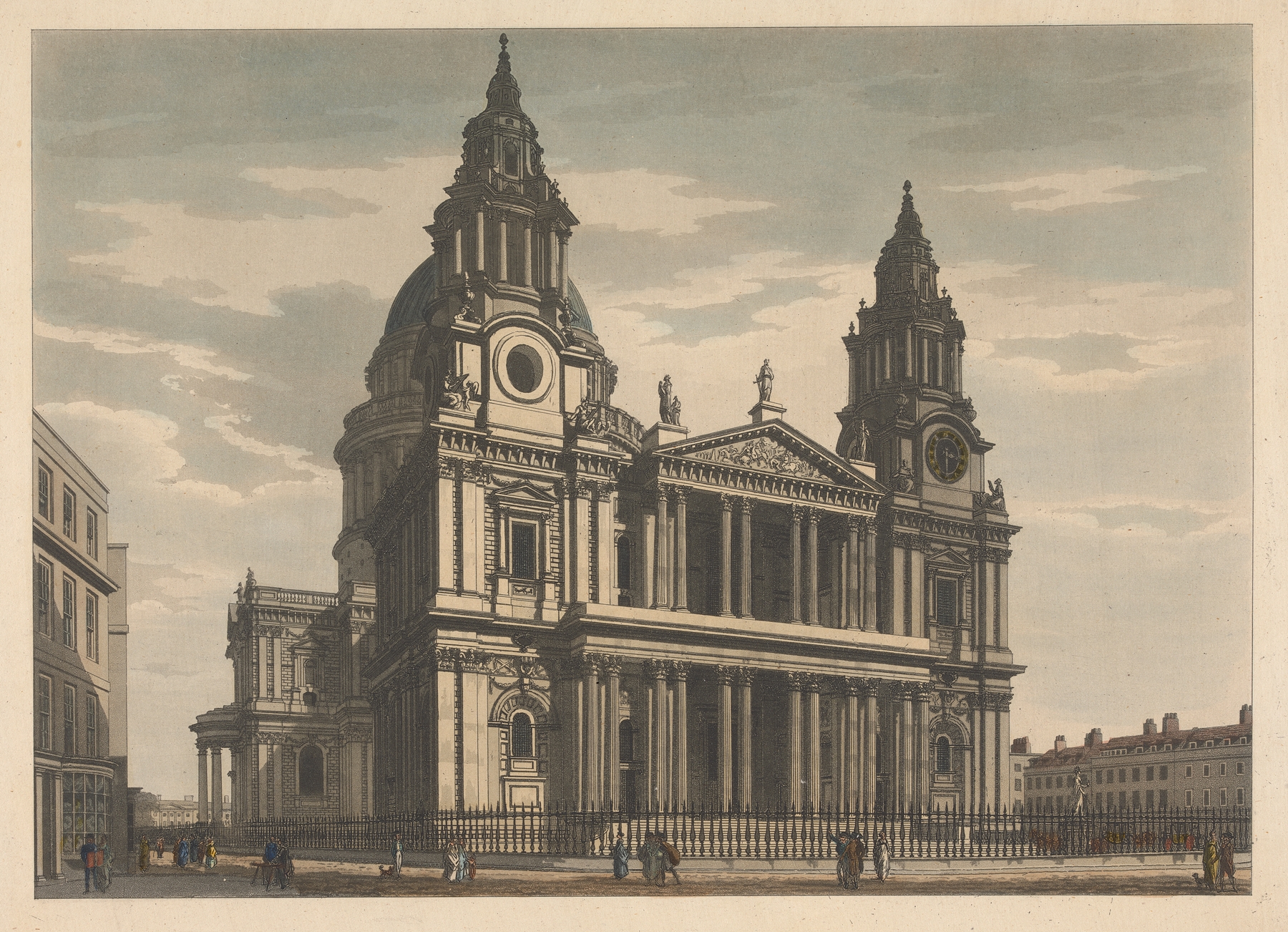
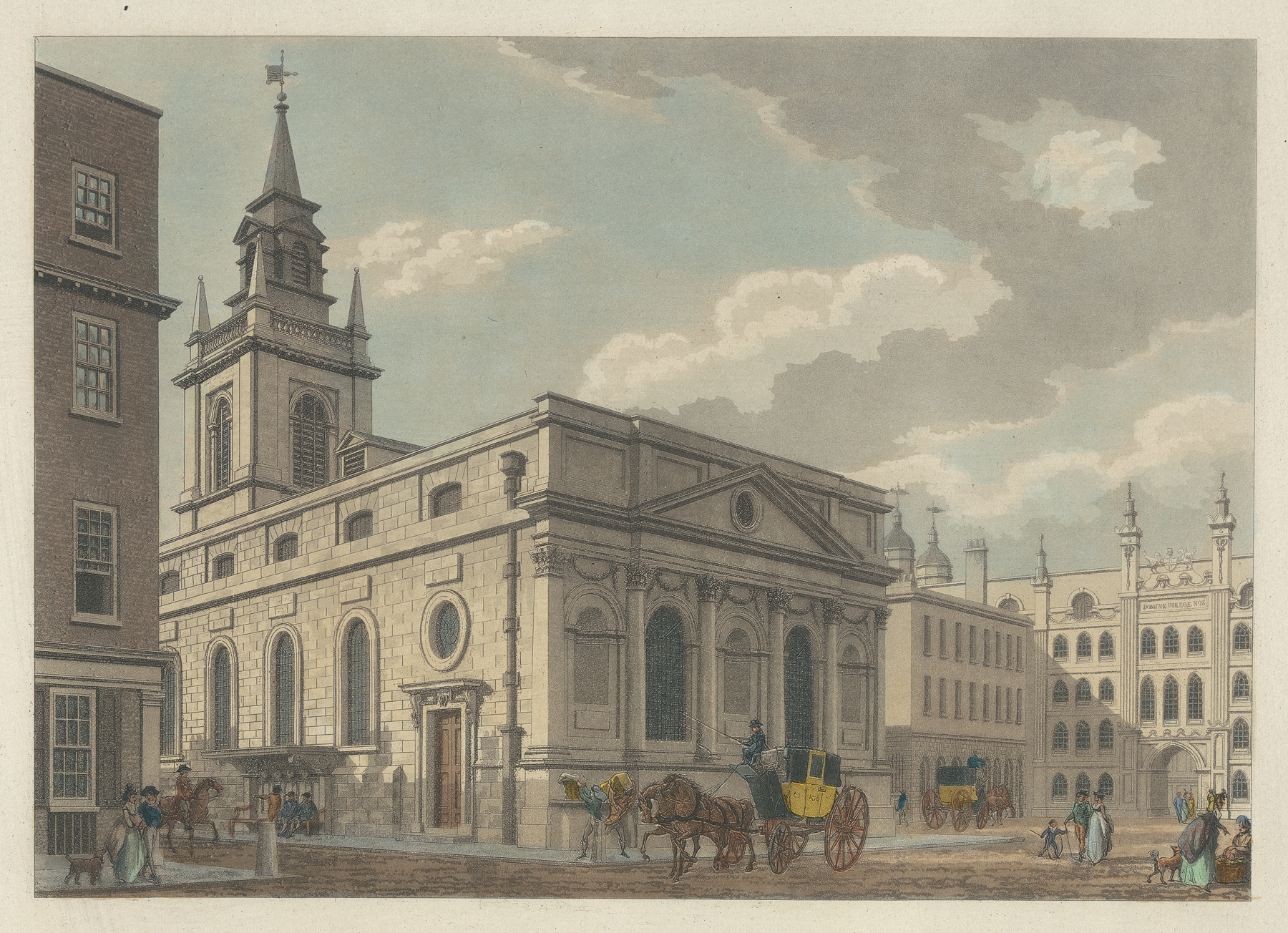
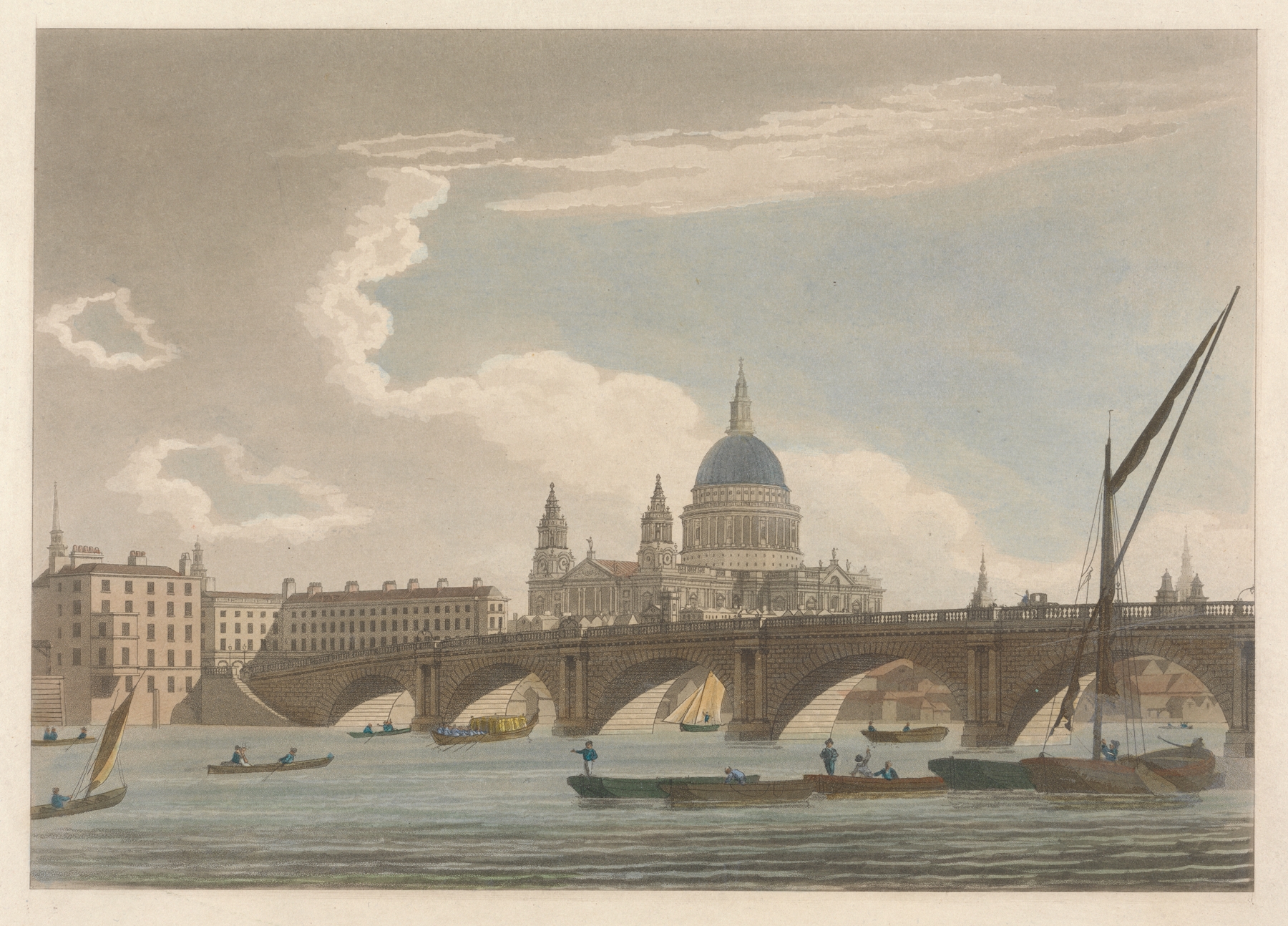
“Sometimes beauty is just pain, disguised in gold.” The echoes of destiny resonate through every brushstroke, revealing the intricate dance between light and shadow that defines a moment suspended in time. Look to the left at the towering silhouette of St. Paul’s Cathedral, its majestic dome an emblem of resilience against the tumult of the urban landscape. The artist employs delicate washes of blue and gold, contrasting the sky’s ethereal hues with the earthy tones of the surrounding city. Notice how the morning light spills across the cobblestones, illuminating the bustling figures below, their animated gestures frozen in a fleeting tableau of life.
Each detail, from the ornate architecture to the subtle reflections in puddles, invites contemplation on the interplay of grandeur and the mundane. Yet, beneath the surface, a deeper narrative unfolds. The bustling street life embodies the relentless march of time, a reminder that progress often comes at a price. The cathedral stands as both a sanctuary and a spectator, witnessing the human struggles intertwined with the beauty of the city.
The juxtaposition of the serene structure against the chaotic movement of the people hints at the weight of destiny — the contrast between the monumental and the ephemeral. Created in 1797 while residing in London, Malton painted during a time of significant change, as the city underwent rapid industrial expansion. The artist was deeply influenced by the neoclassical style, which emphasized harmony and order, even amidst the upheaval of the world around him. This work not only reflects his artistic ambitions but also captures the essence of a city grappling with the duality of progress and preservation.