Westminster Bridge — History & Facts
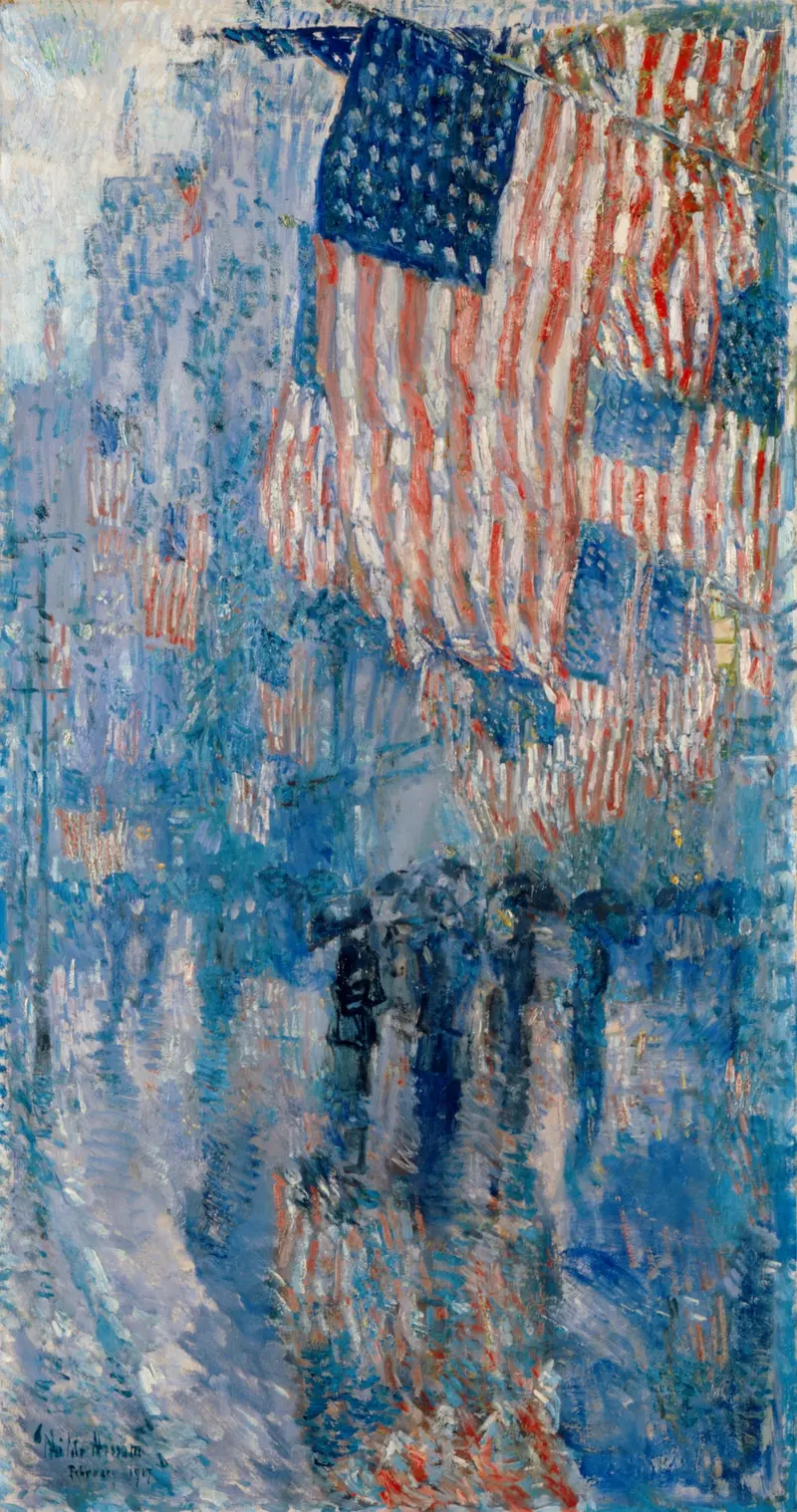
What if beauty was never meant to be finished? The delicate interplay of light and shadow in this piece evokes a fleeting moment of rebirth, inviting viewers to consider the essence of transformation. Focus on the cascading reflections in the Thames, where a soft palette of blues and greens mingles with bright golden hues. The bridge stands as a steadfast sentinel amid the flow of life, its elegant arches gracefully leading the eye. Notice how the brushwork captures the movement of the water, creating a dynamic contrast with the stillness of the architecture.
This juxtaposition emphasizes the breadth of time—an eternal dance between the steadfast and the transient. Delve deeper into the subtleties of the scene, where small figures dot the bridge, embodying the human spirit against the grandeur of the city. Their presence suggests a collective narrative of hope and renewal, while the rising mist hints at the dawn of a new era. The vibrant colors reflect an optimism that resonates with the viewer, symbolizing the rebirth of London itself during a time of transformation. In 1792, Thomas Malton painted this work during a period of artistic exploration in London, where neoclassical influences were giving way to romanticism.
The city was evolving, much like the scene before him, as industrial advancements and social changes shaped its landscape. Malton's focus on urban beauty amidst these shifts speaks to his desire to capture and preserve the essence of a city in flux.
More Artworks by Thomas Malton

London Bridge
Thomas Malton
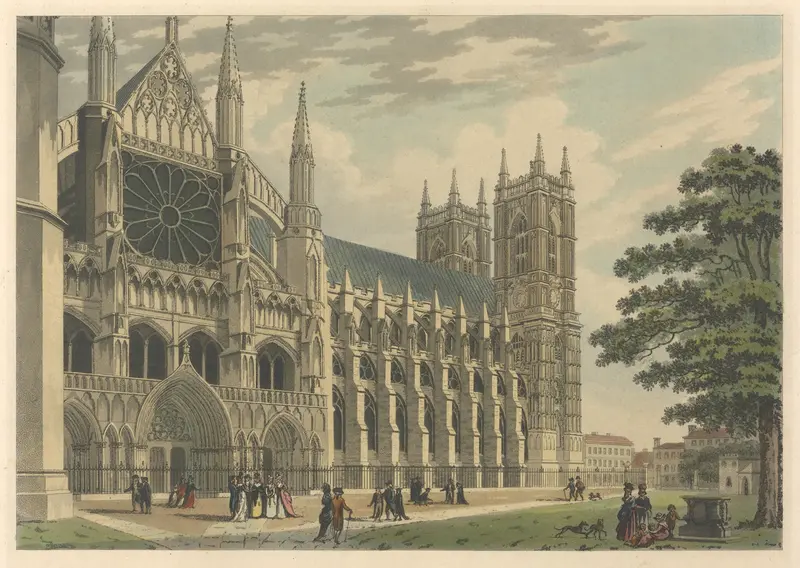
North Front of Westminster Abbey
Thomas Malton
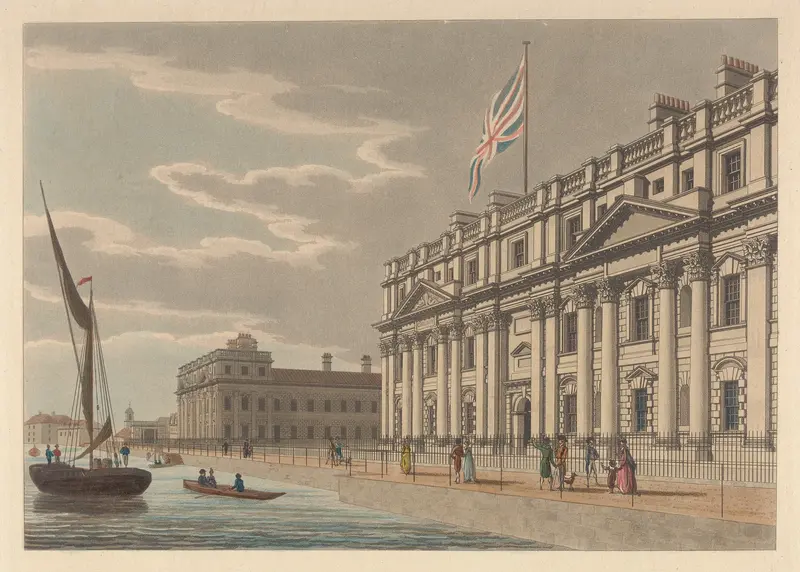
North Front of Greenwich Hospital
Thomas Malton
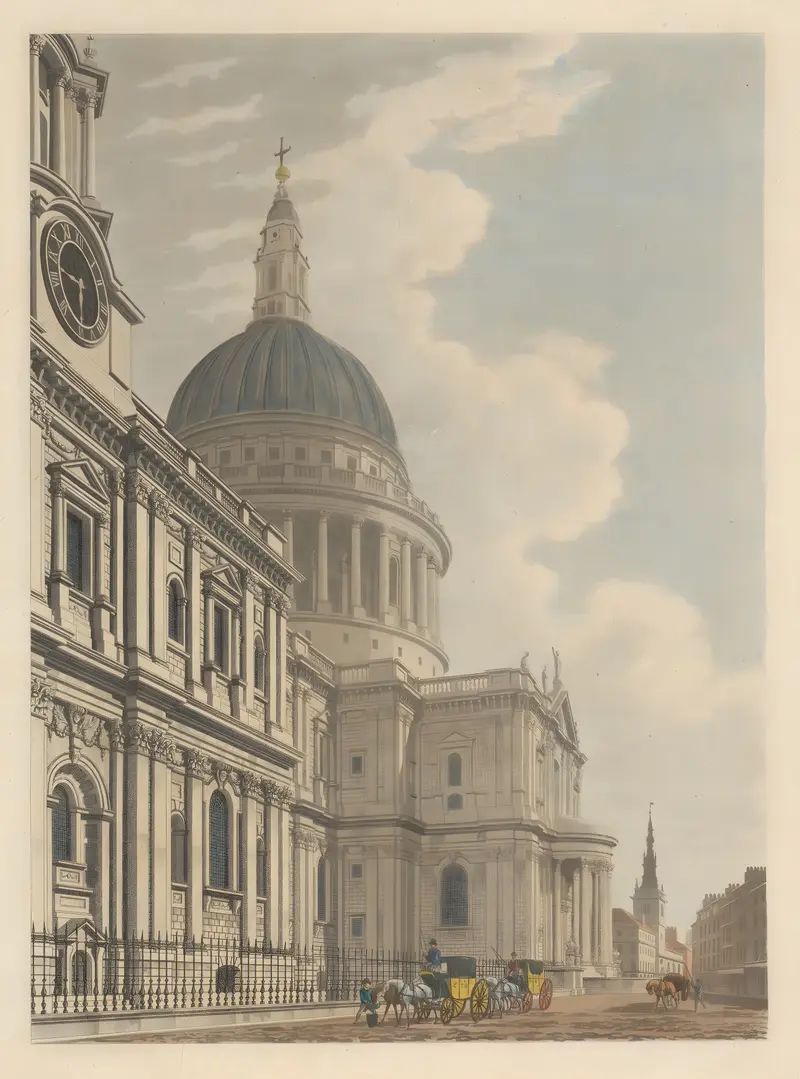
South Front of St. Pauls
Thomas Malton
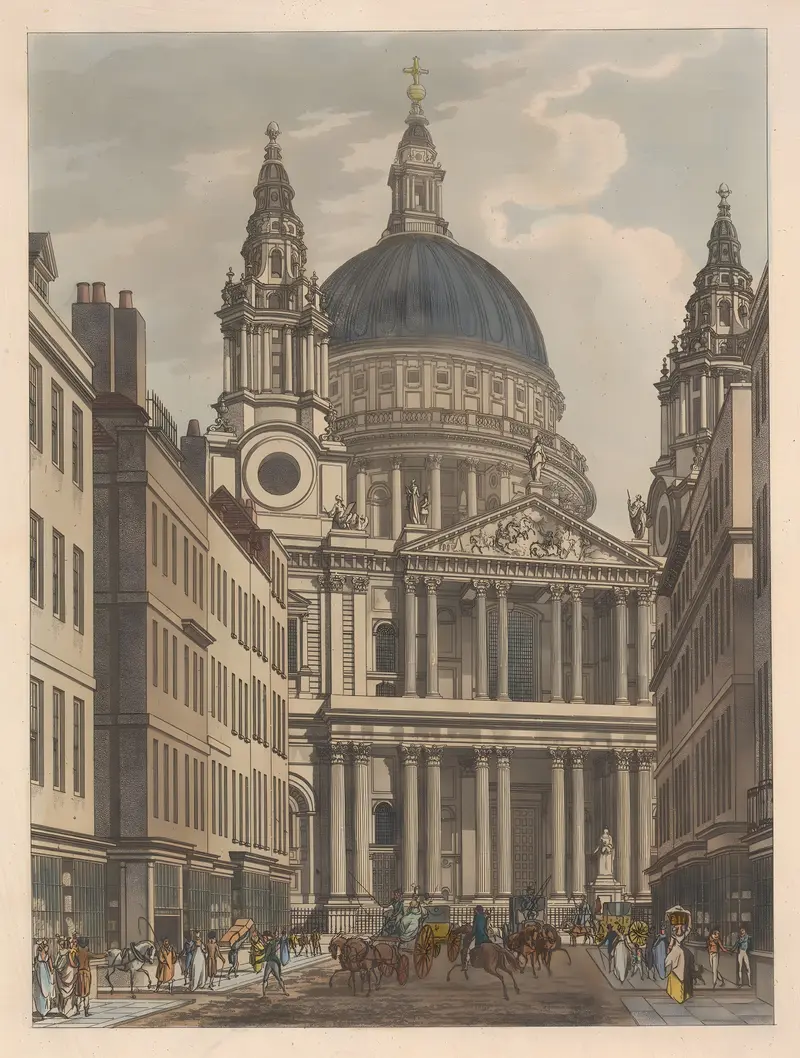
St. Paul’s from Ludgate Hill
Thomas Malton
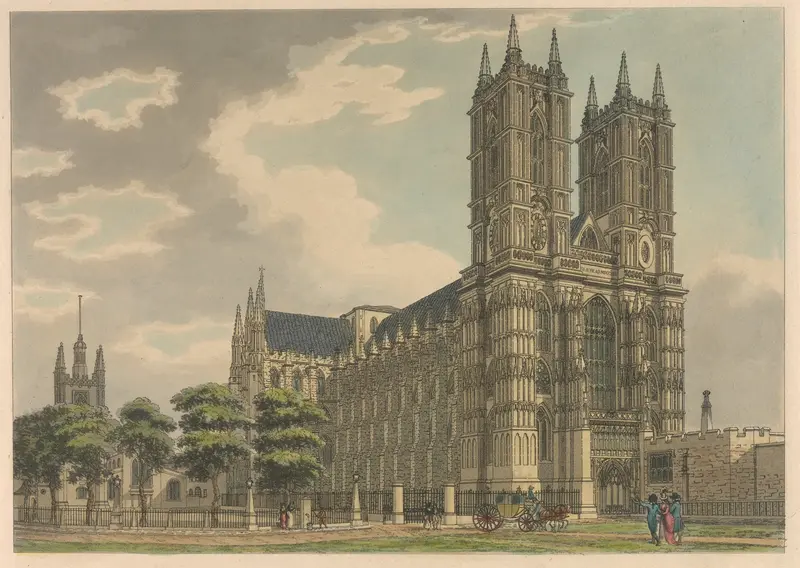
North West View of Westminster Abbey
Thomas Malton
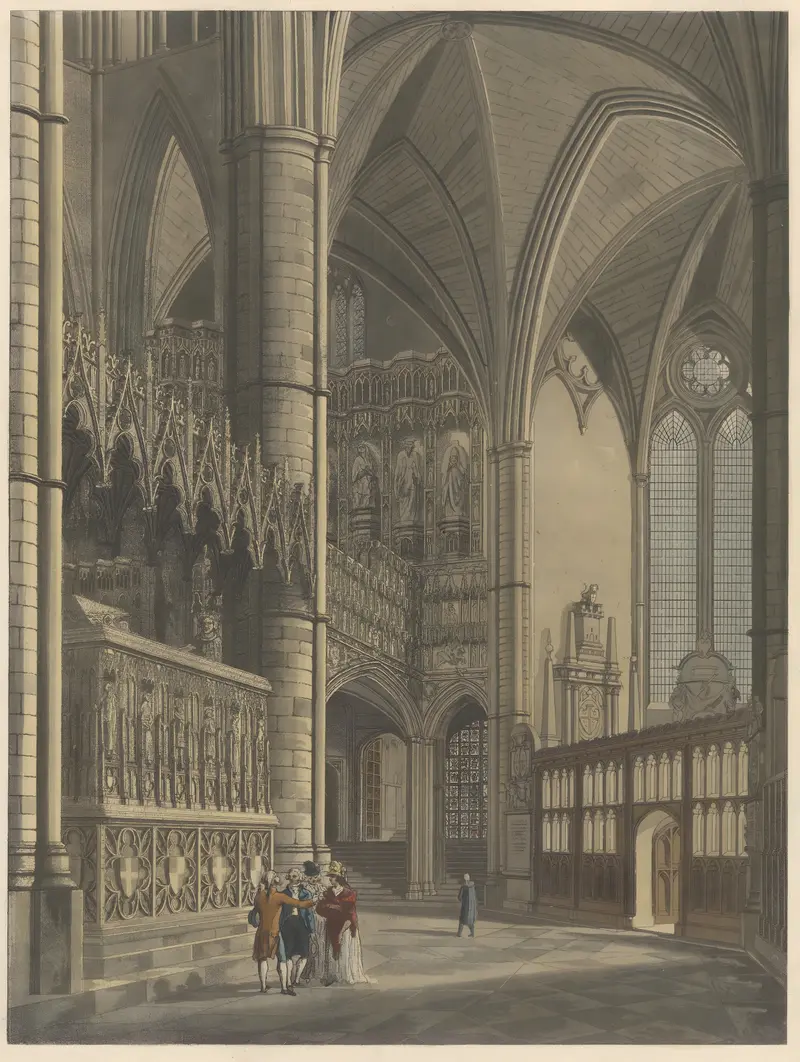
Part of the Sachristary Leading to the Chapel of Henry VII
Thomas Malton
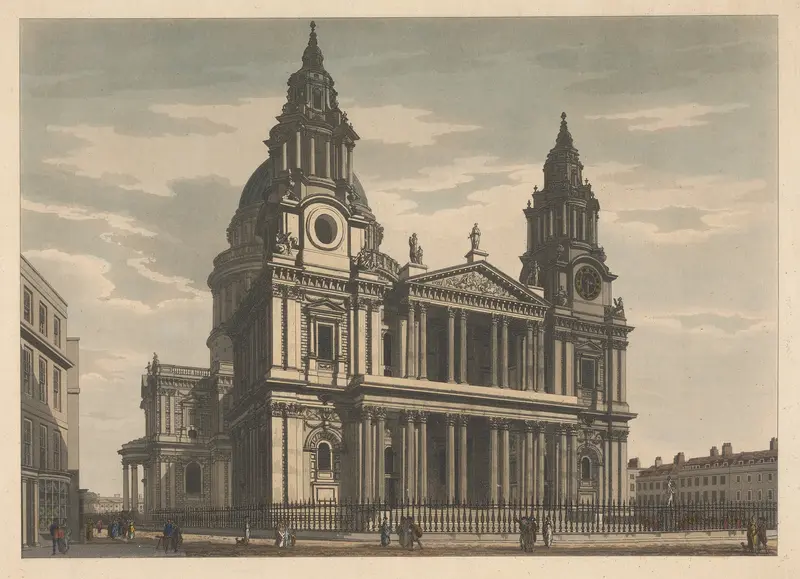
North West View of St. Paul’s
Thomas Malton
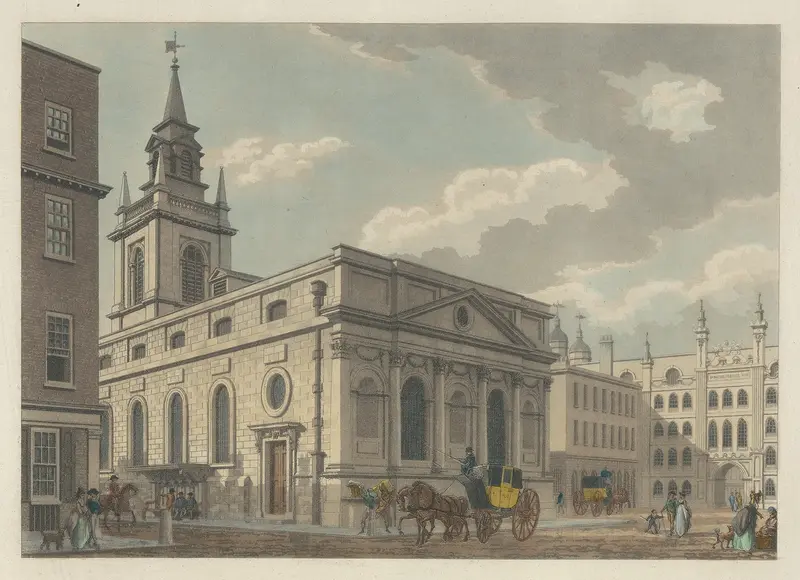
St. Laurance’s Church and Guild-Hall
Thomas Malton

Internal View of the Four per cent Reduced Annuity Office, at the Bank of England
Thomas Malton