London Bridge — History & Analysis
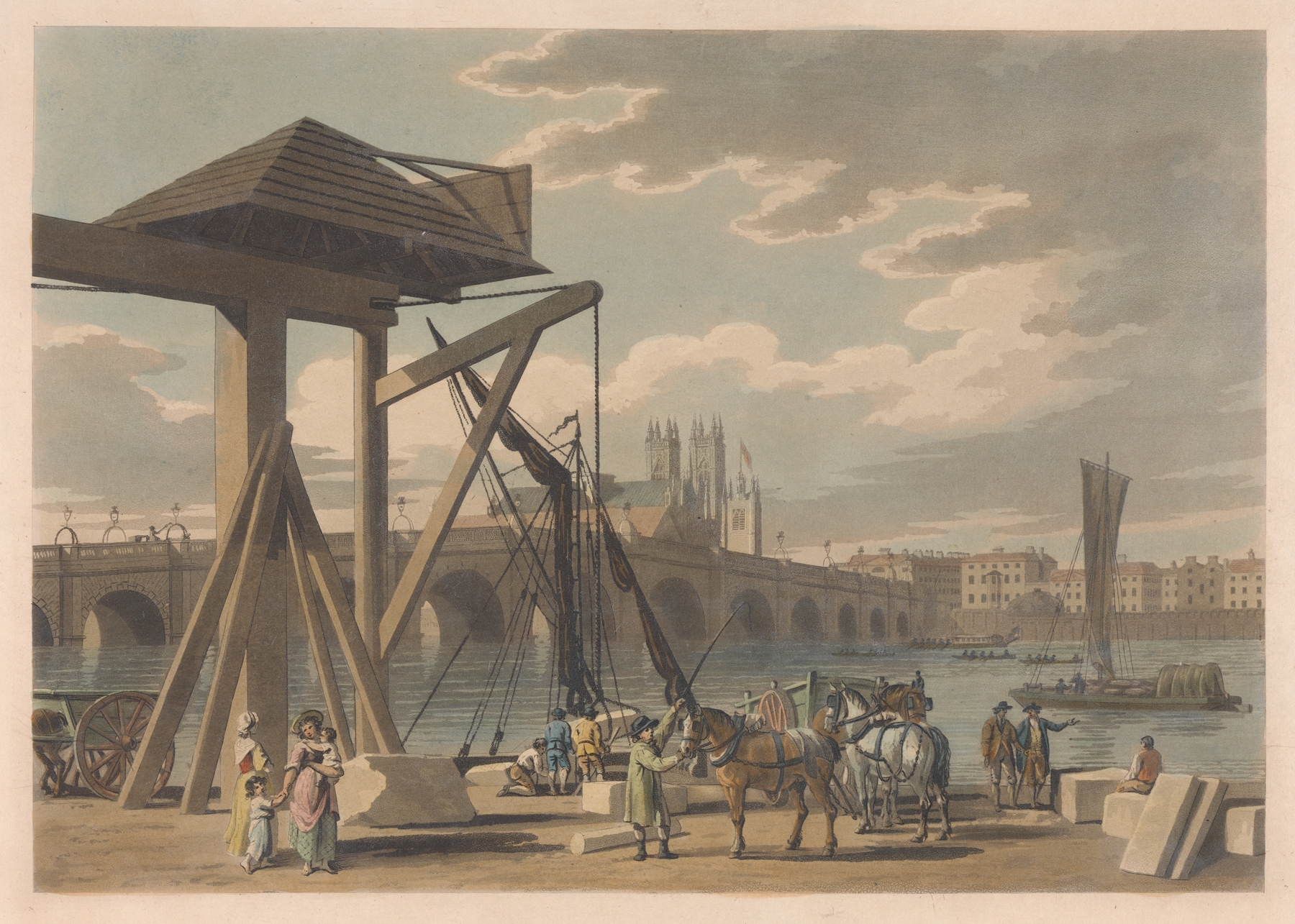
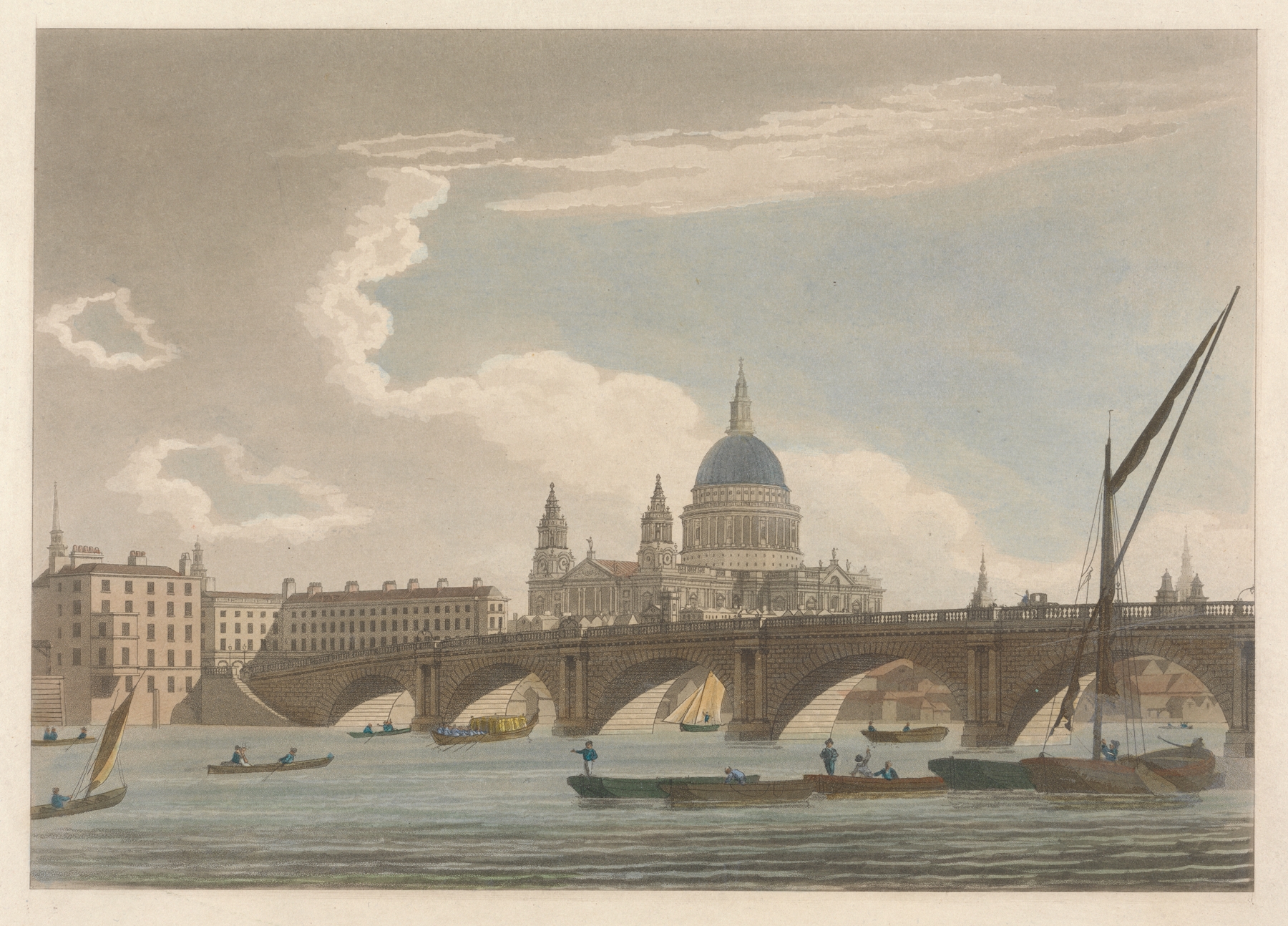
“Every brushstroke is a heartbeat remembered.” In an era of revolution and change, art becomes the silent witness to history, capturing not just moments but the very essence of transformation. Focus your gaze on the bridge itself, which stretches across the canvas like a sinewy spine. Notice how the delicate lines of the architecture rise and fall, intersecting with the soft hues of the sky. The muted palette lends an air of nostalgia, evoking the faded grandeur of a city on the brink of industrial upheaval.
Pay attention to the subtle interactions of light as it dances on the water, reflecting the vibrancy of life just beyond the frame. Yet, beneath this serene exterior lies a tension that speaks to the heart of the time. The bridge serves as a metaphor for connection and transition, symbolizing both the physical and social shifts of London at the dawn of the 19th century. The contrasting elements of bustling boats and quiet reflections suggest a city grappling with its own identity—a canvas of chaos painted with memories.
Each brushstroke reveals a world on the cusp of modernity, where tradition meets the relentless march of progress. In 1799, while capturing London Bridge, the artist was navigating his own complex relationship with the rapidly changing landscape of art and society. Living in London amidst the Industrial Revolution, he found himself influenced by the burgeoning Romantic movement, which celebrated nature and the sublime. This piece reflects not only his artistic evolution but also the collective consciousness of a city redefining itself against the backdrop of history.