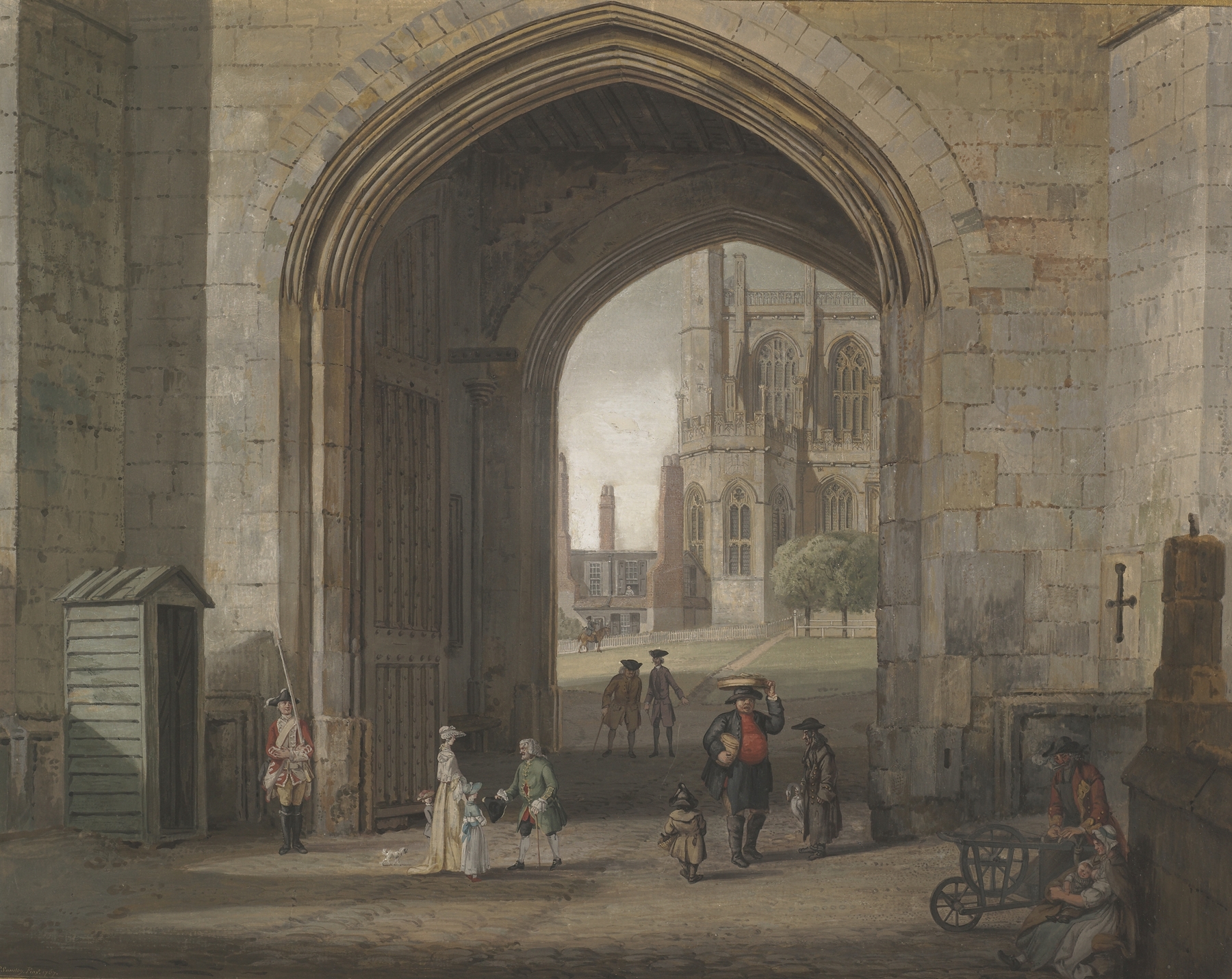
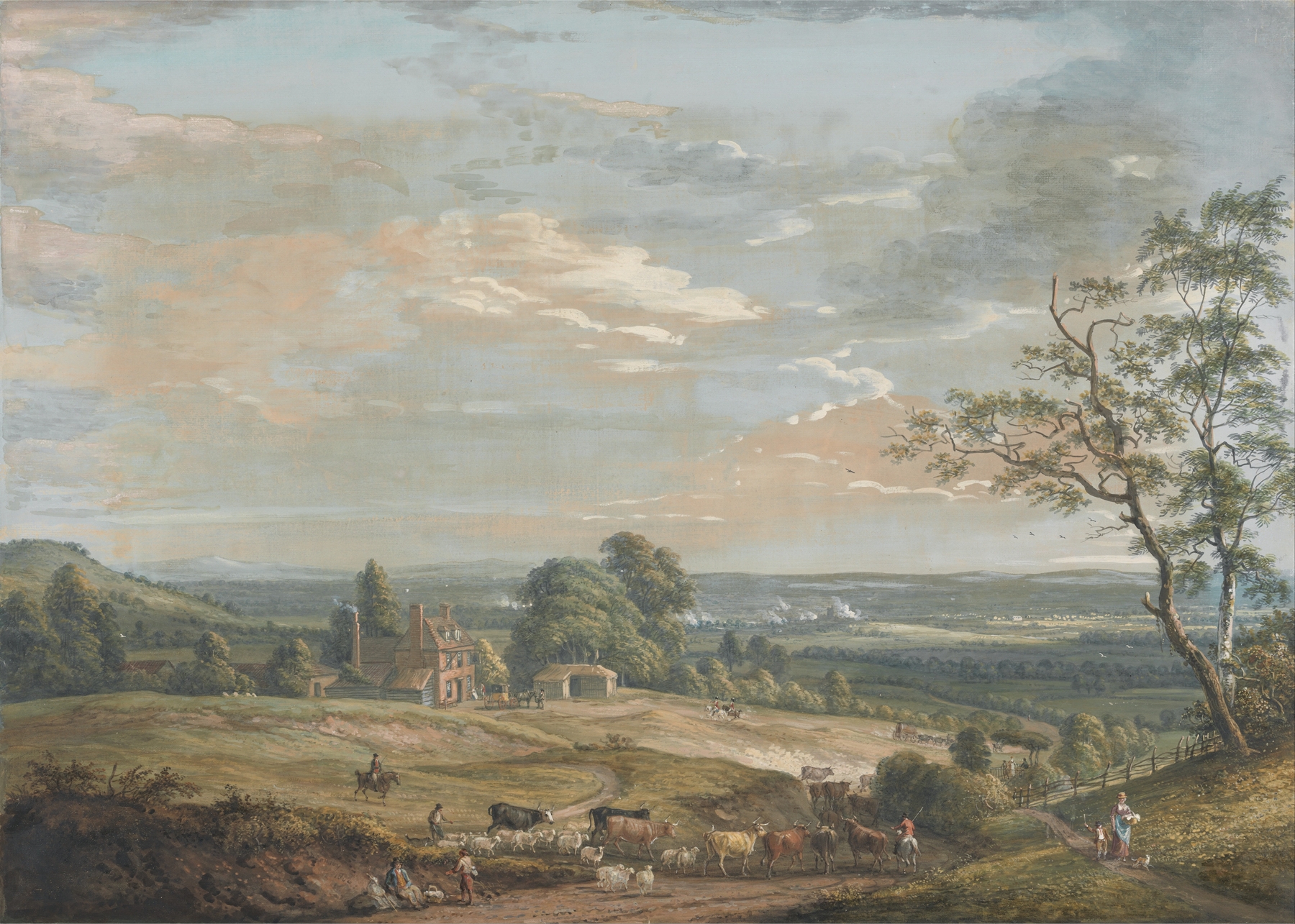
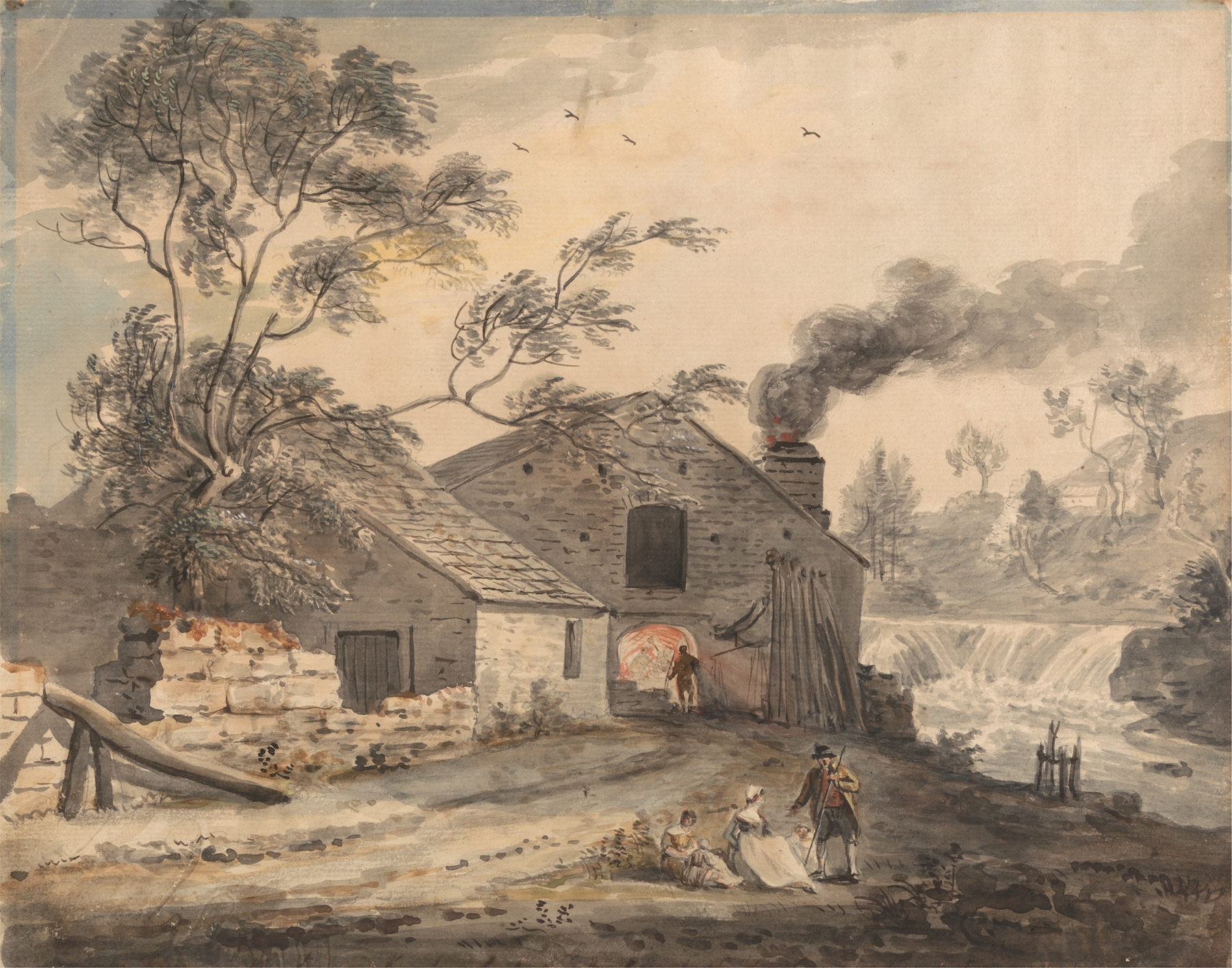
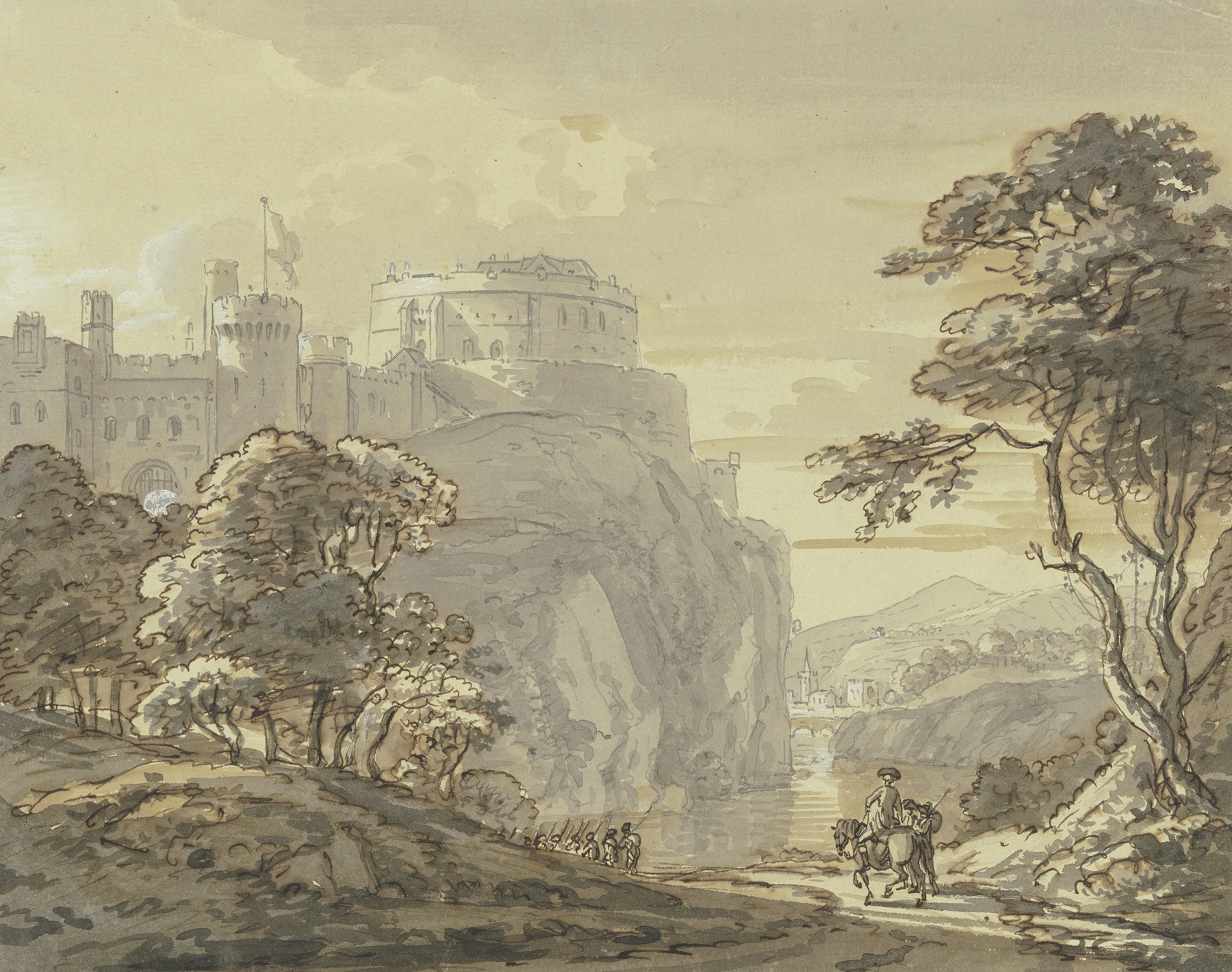
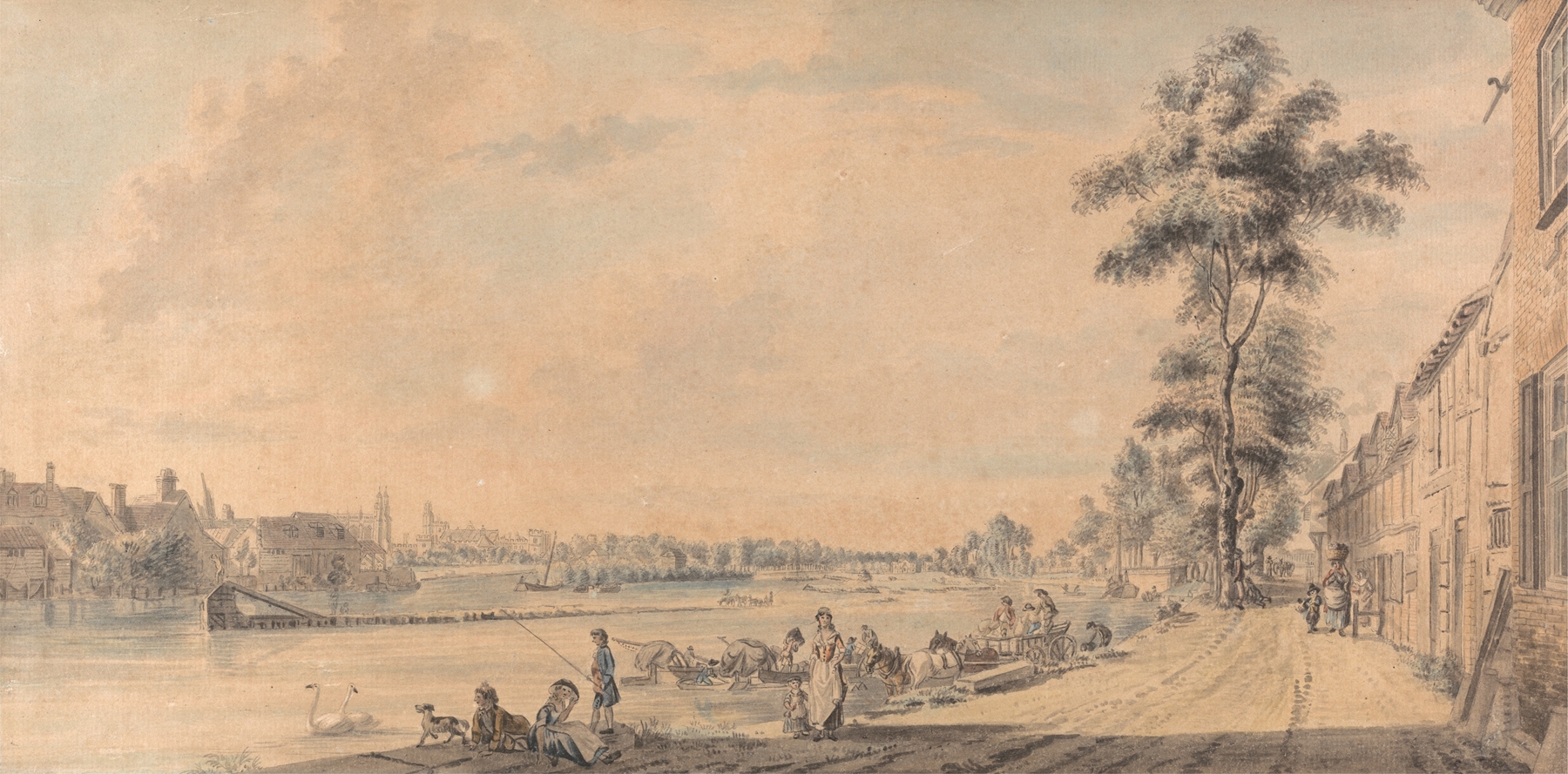
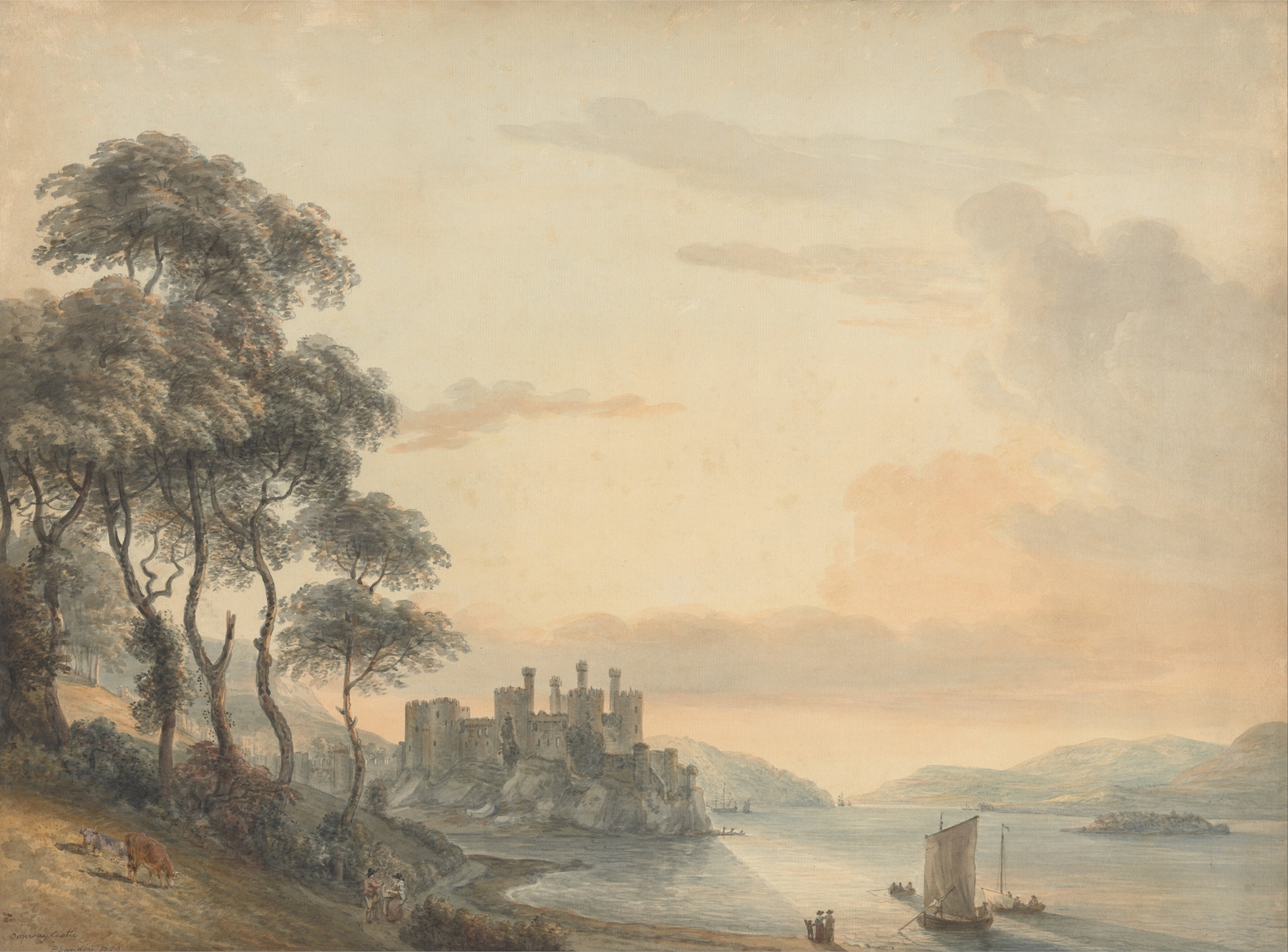
North West View of Wakefield Lodge in Whittlebury Forest, Northamptonshire — History & Analysis
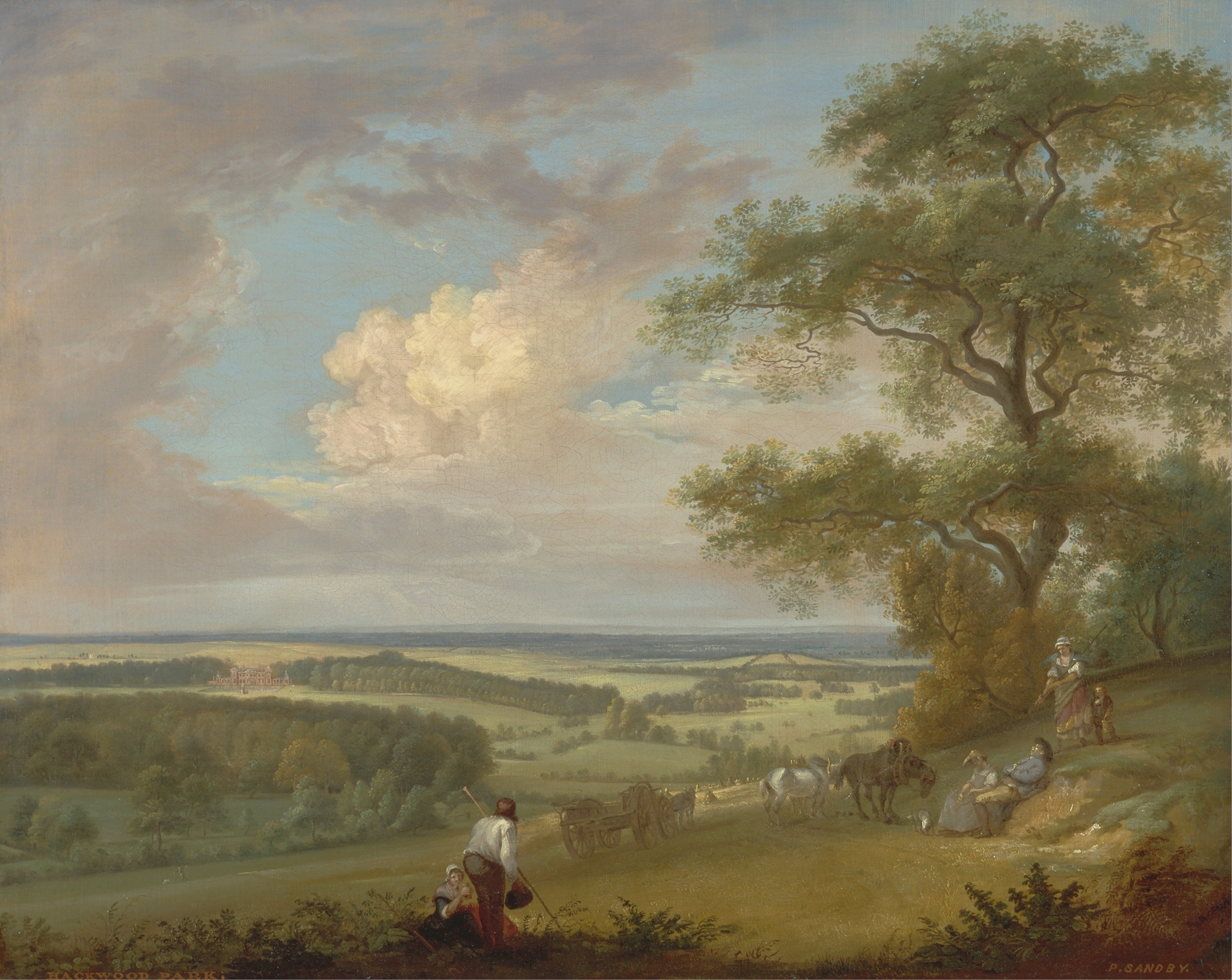
“The canvas doesn’t lie — it simply waits.” In the stillness of a serene landscape, nature whispers secrets long forgotten, inviting the soul to transcend the boundaries of time and place. Focus on the gentle undulations of the hills in the background, where a soft blue sky meets the earthy tones of the forest. Notice how the meticulous brushwork captures the play of light upon the foliage, creating a harmonious balance between the natural and the human-made. The lodge, nestled among the trees, stands as a testament to coexistence, drawing the viewer’s eye toward its elegant architecture, framed by dappled shadows and sunlight.
Within this composition lies a rich interplay of tranquility and subtle tension. The isolation of the lodge hints at a deeper narrative — a yearning for connection with the surrounding wilderness. The meticulously painted trees weave a tapestry of life, their varying shades of green symbolizing resilience and continuity. Moreover, the expansive sky above echoes a sense of freedom, challenging the viewer to contemplate their own place within this landscape of beauty and solitude.
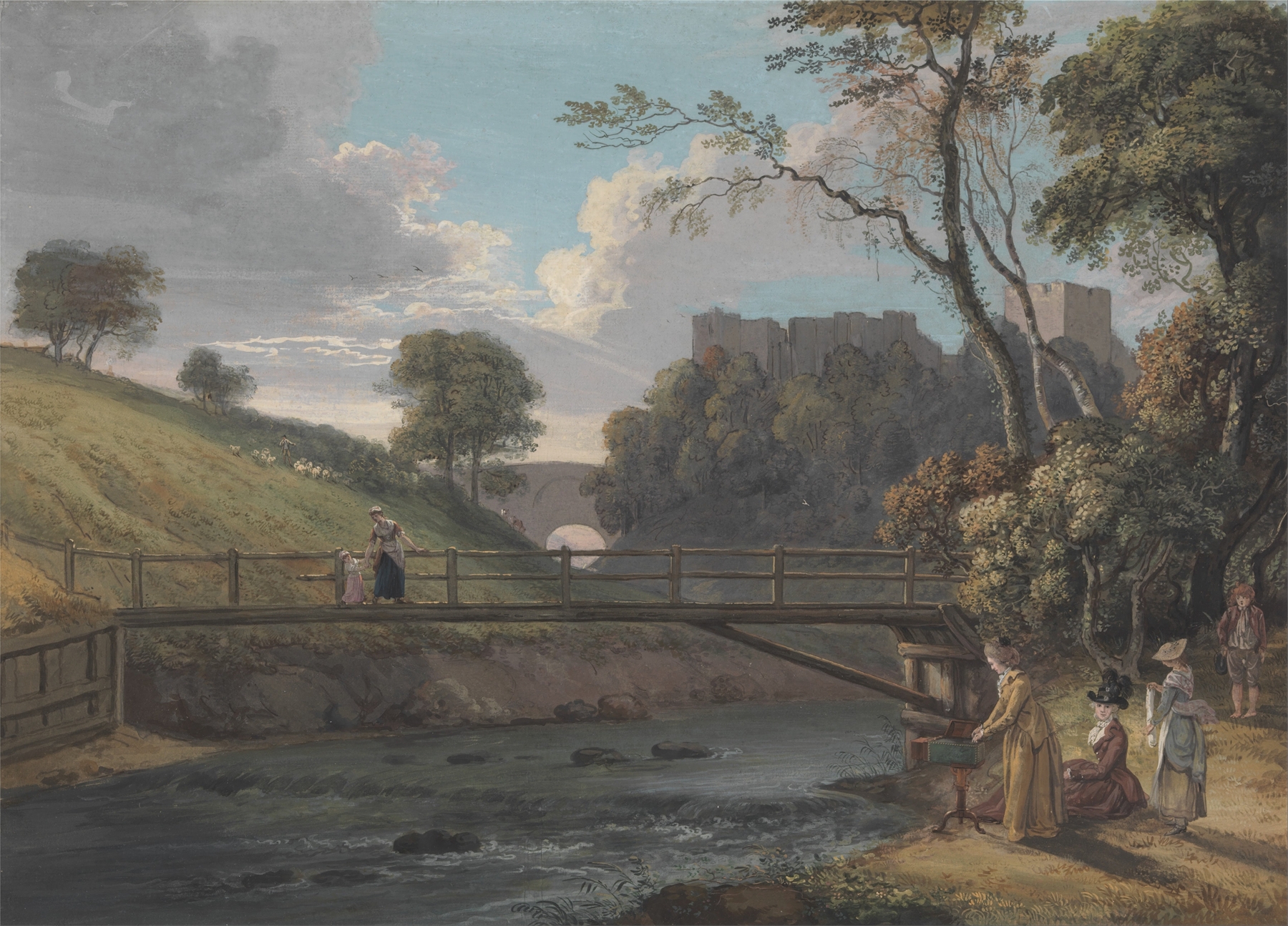
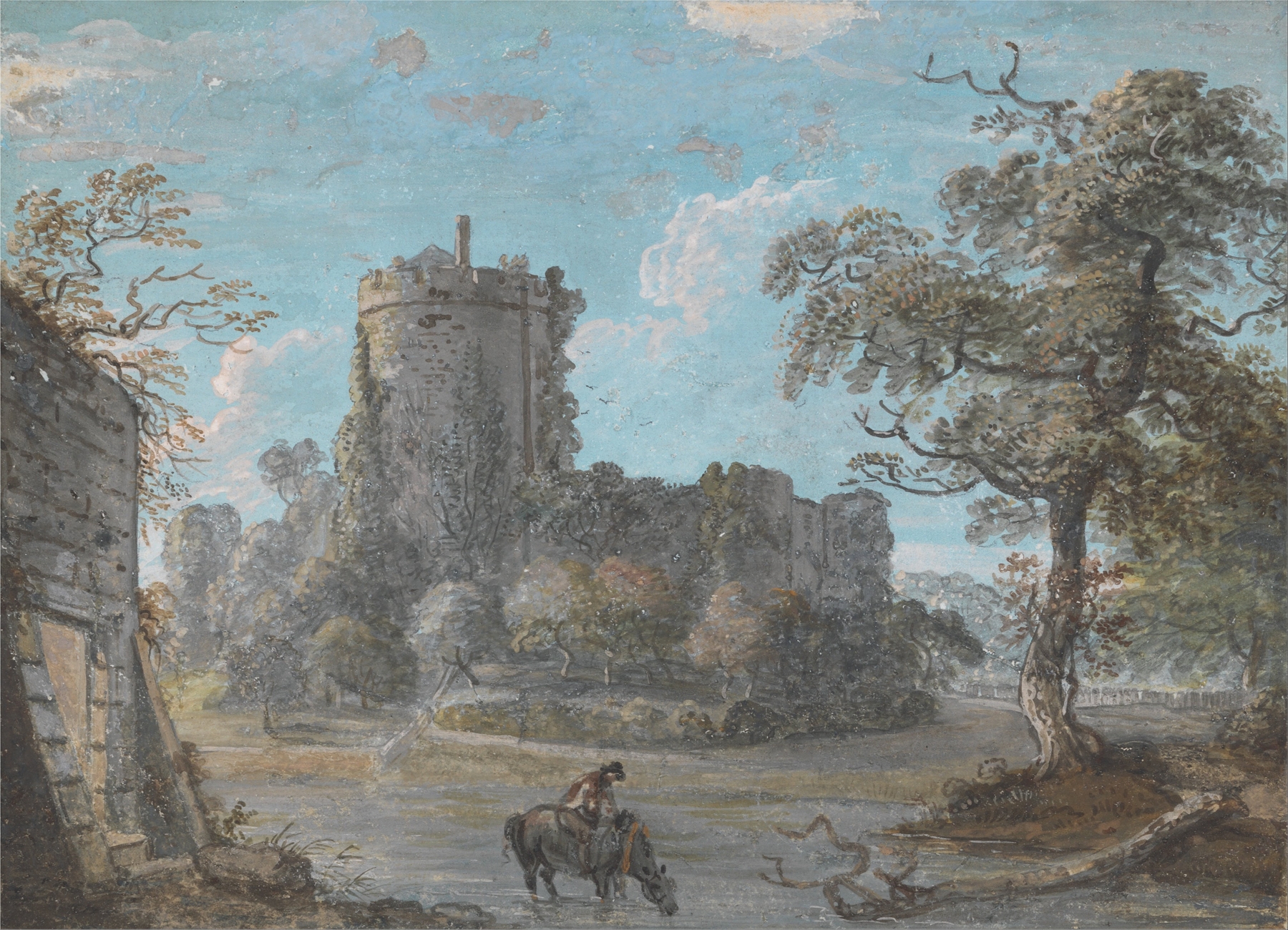
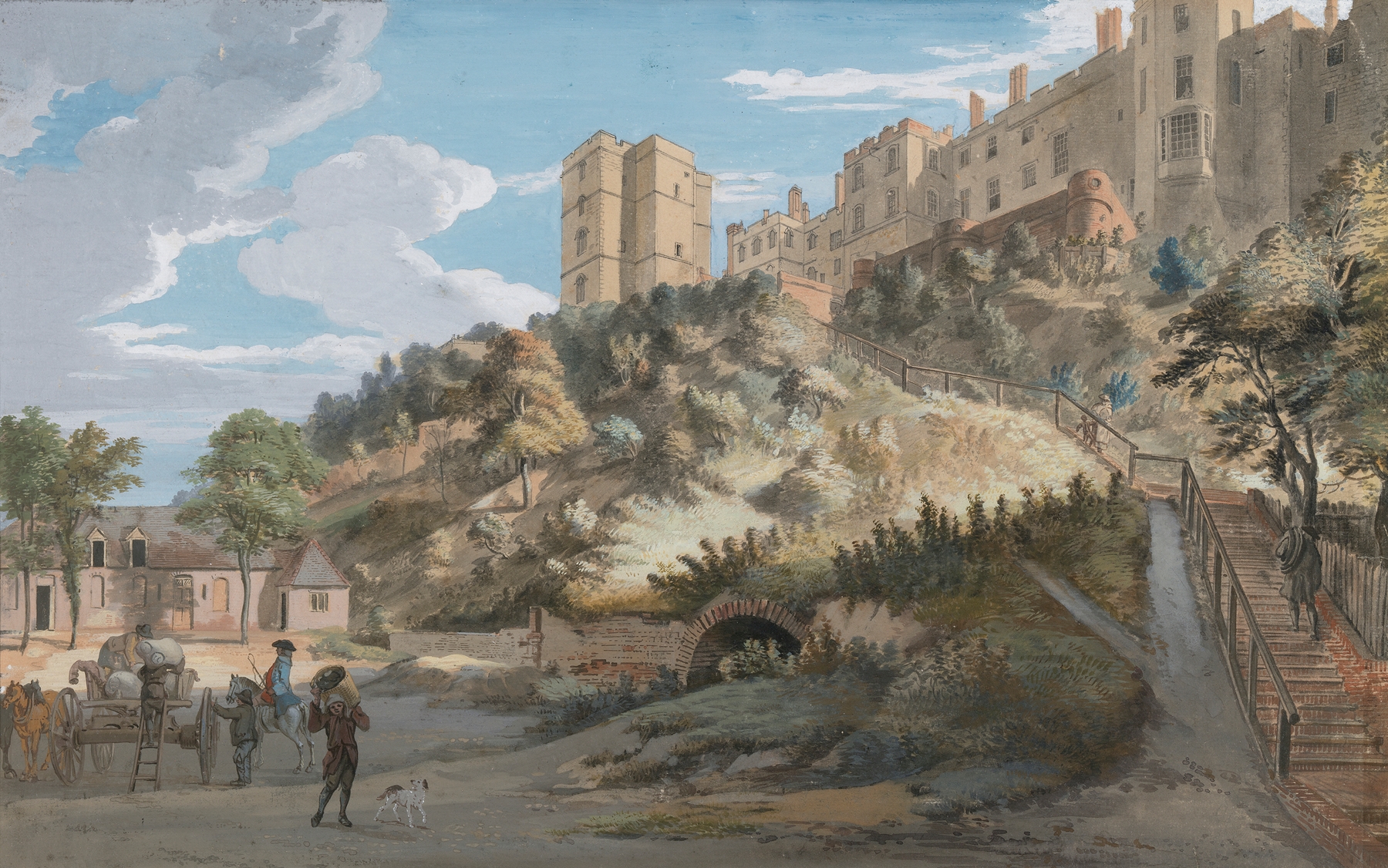
Paul Sandby created this work in 1767 while residing in England during a period of burgeoning interest in landscape art. A pioneer of watercolor painting, he found inspiration in the natural beauty surrounding him, as well as in the changing social landscape of Britain. This piece reflects his commitment to capturing the essence of the English countryside, as the popularity of pastoral scenes began to flourish among both artists and the public.