Old Walton Bridge — History & Analysis
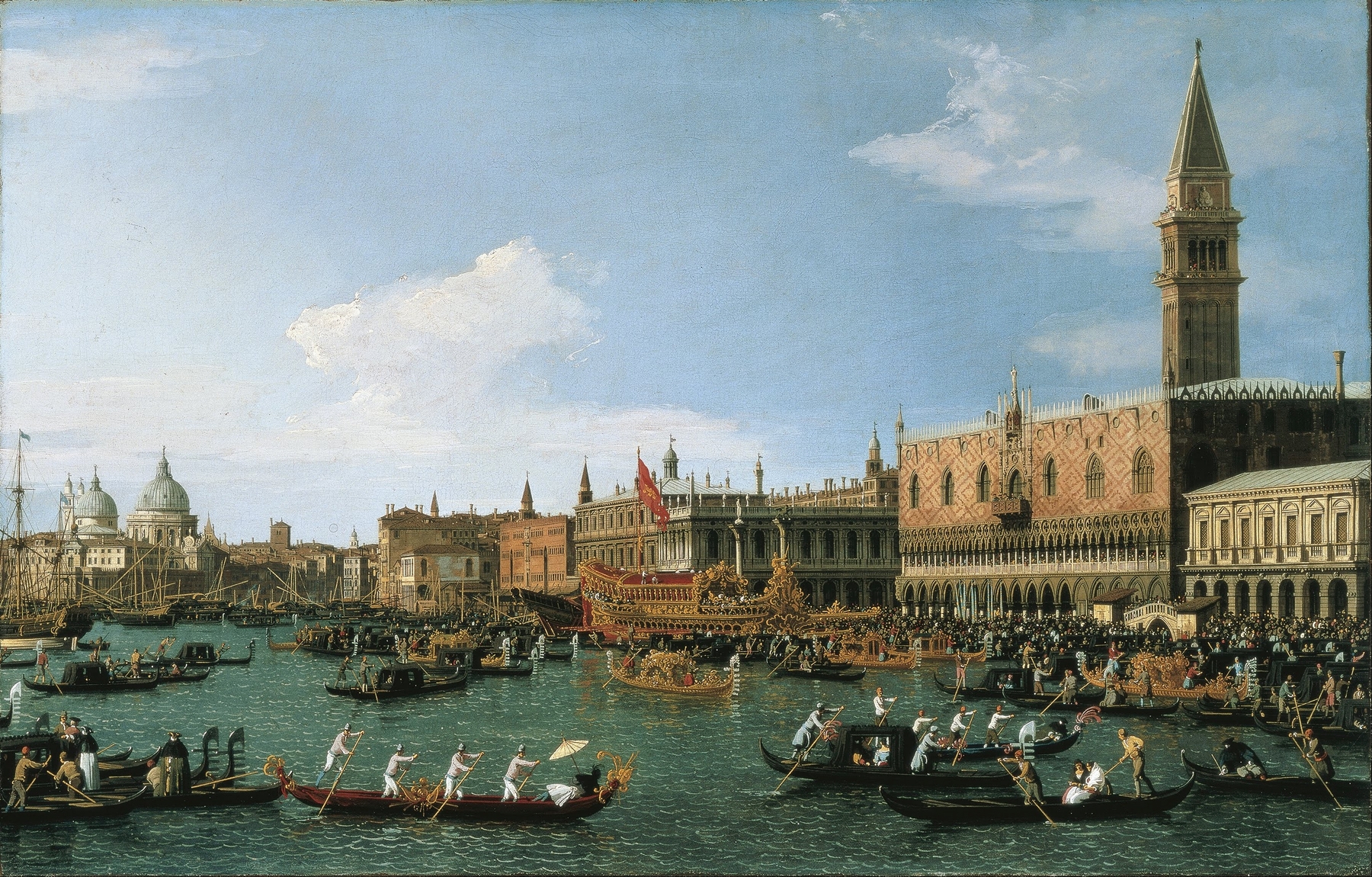
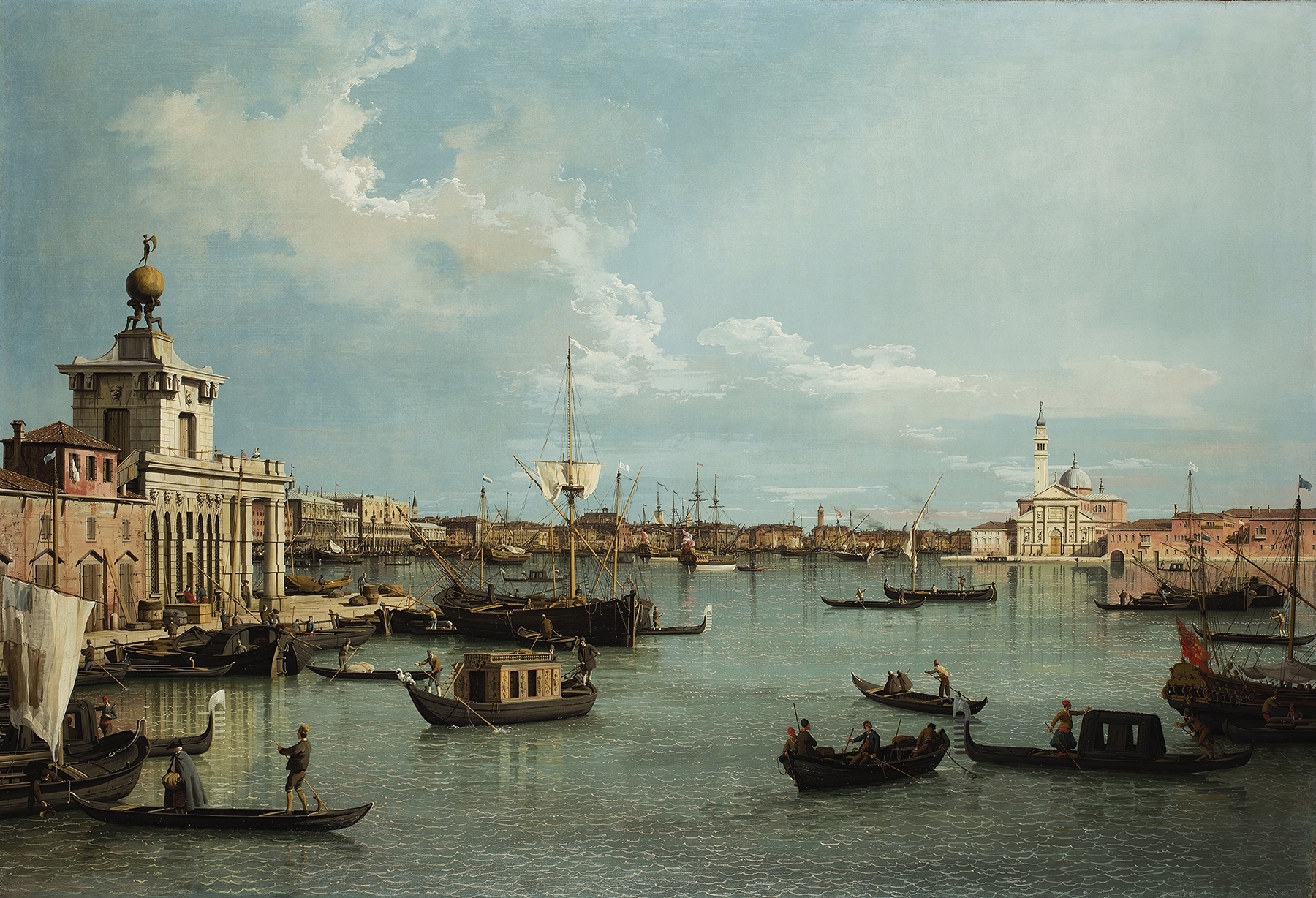
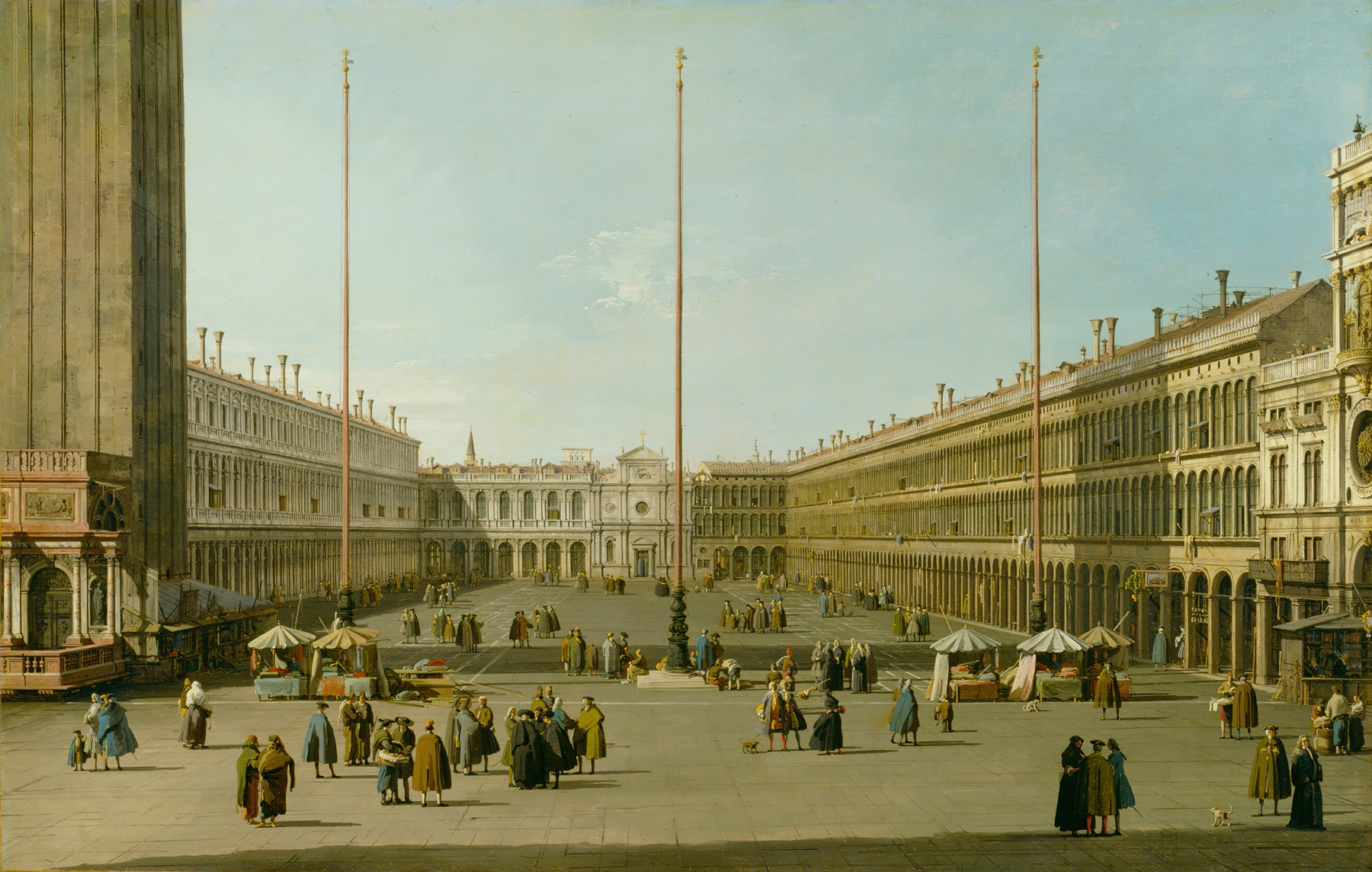
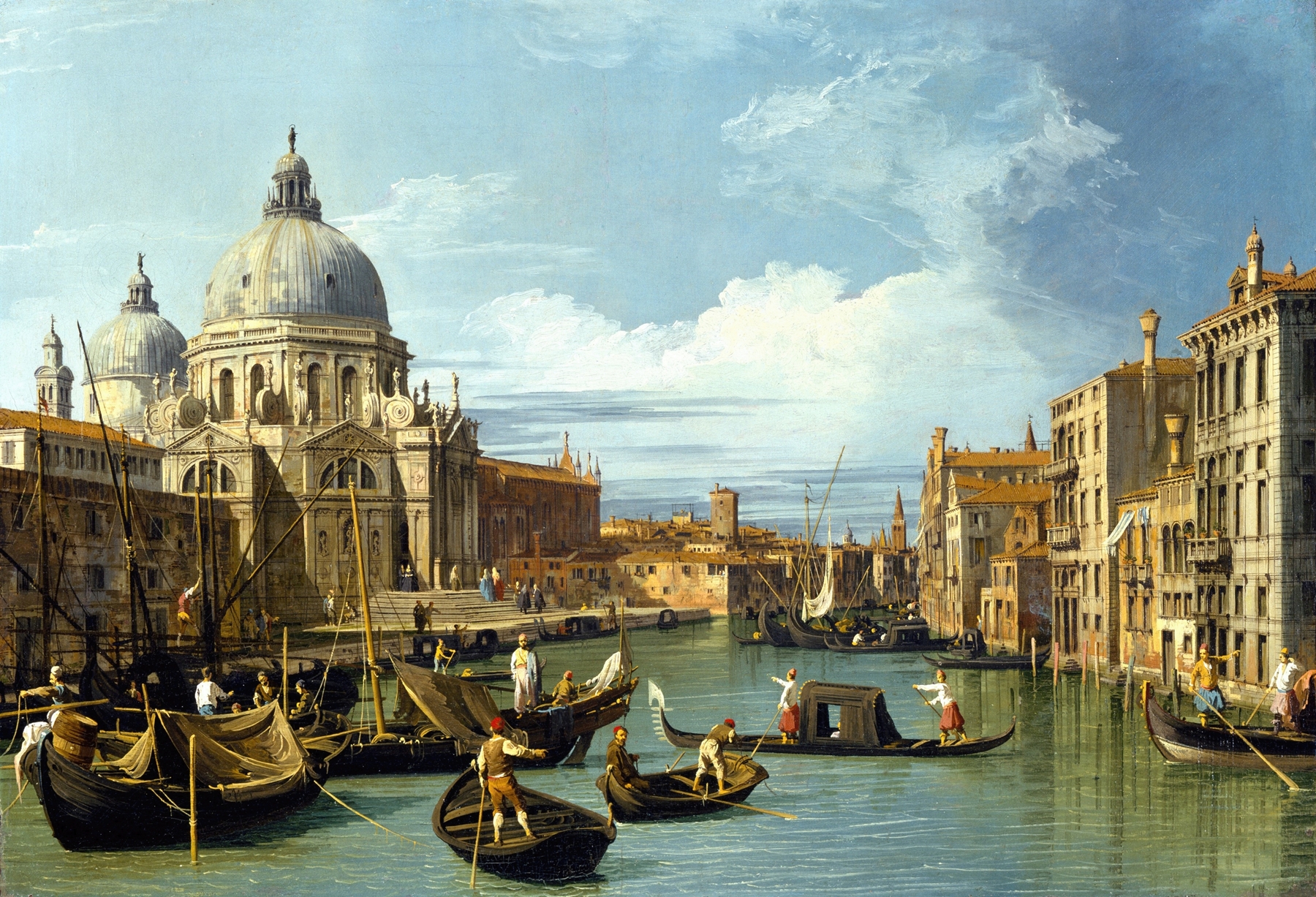
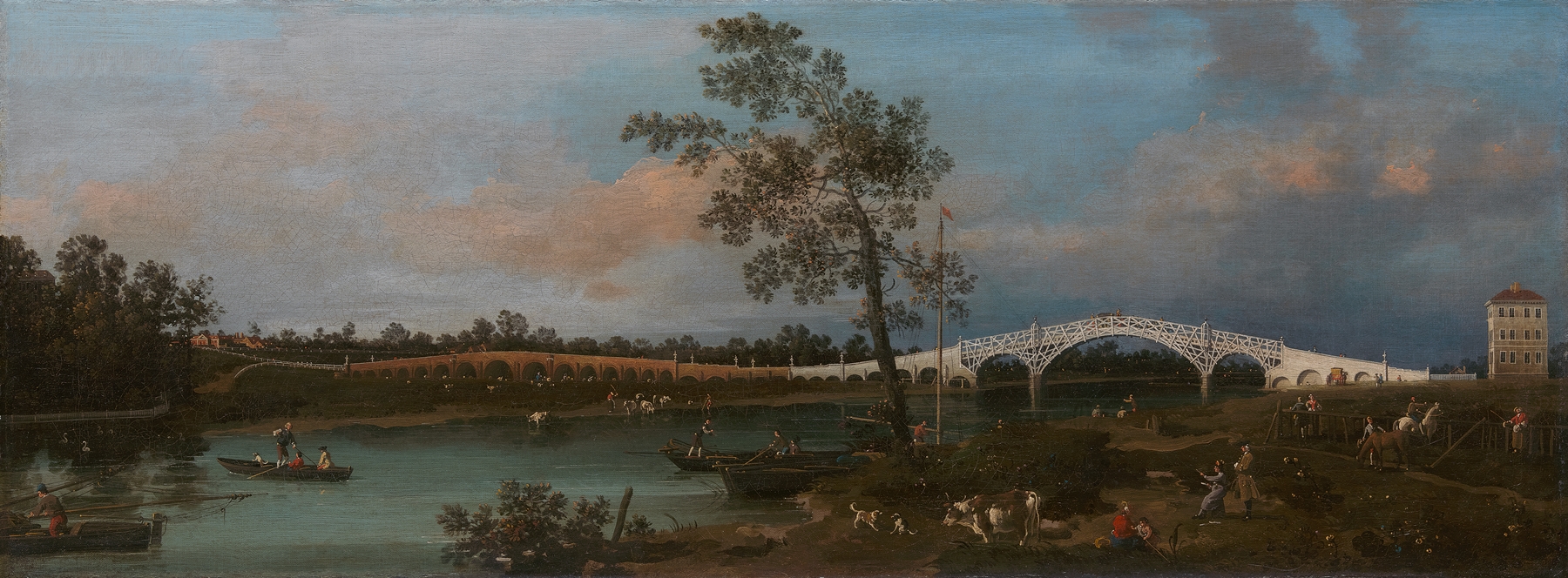
“Sometimes beauty is just pain, disguised in gold.” The allure of Old Walton Bridge beckons like a siren, intricately woven into the texture of time, where obsession and elegance collide. Look to the left at the majestic arch of the bridge, its graceful lines breaking the horizon like a whisper in the wind. The shimmering waters beneath reflect a symphony of blues and greens, punctuated by the soft glow of sunlight filtering through the clouds. Notice how the vibrant hues of the buildings lining the riverbanks contrast with the subtle earth tones of the bridge, creating a harmonious balance that draws the eye across the canvas.
Each brushstroke reveals Canaletto’s masterful technique, employing both light and shadow to capture the fleeting moments of life beneath the bridge. Beneath the surface lies an emotional depth that speaks to the viewer's heart. The bridge, a symbol of connectivity, seems to echo a deeper longing, perhaps an obsession with the passage of time itself. The figures, small and seemingly insignificant, hint at the vastness of human experience—joy, solitude, and the relentless march of progress.
It is an intersection of beauty and melancholy, where every detail serves as a reminder of what it means to be both present and yearning. Created in 1755, this masterpiece emerged from Canaletto’s prolific period in Venice, where his fame was burgeoning amidst the vibrant art scene of the time. A time marked by both personal triumphs and societal changes, he navigated the complexities of his craft while capturing the essence of the world around him. It was a moment where architectural wonder met the artist's unwavering obsession with detail, forever enshrining his legacy.