On the St. Annes, East Canada, 1863 — History & Analysis
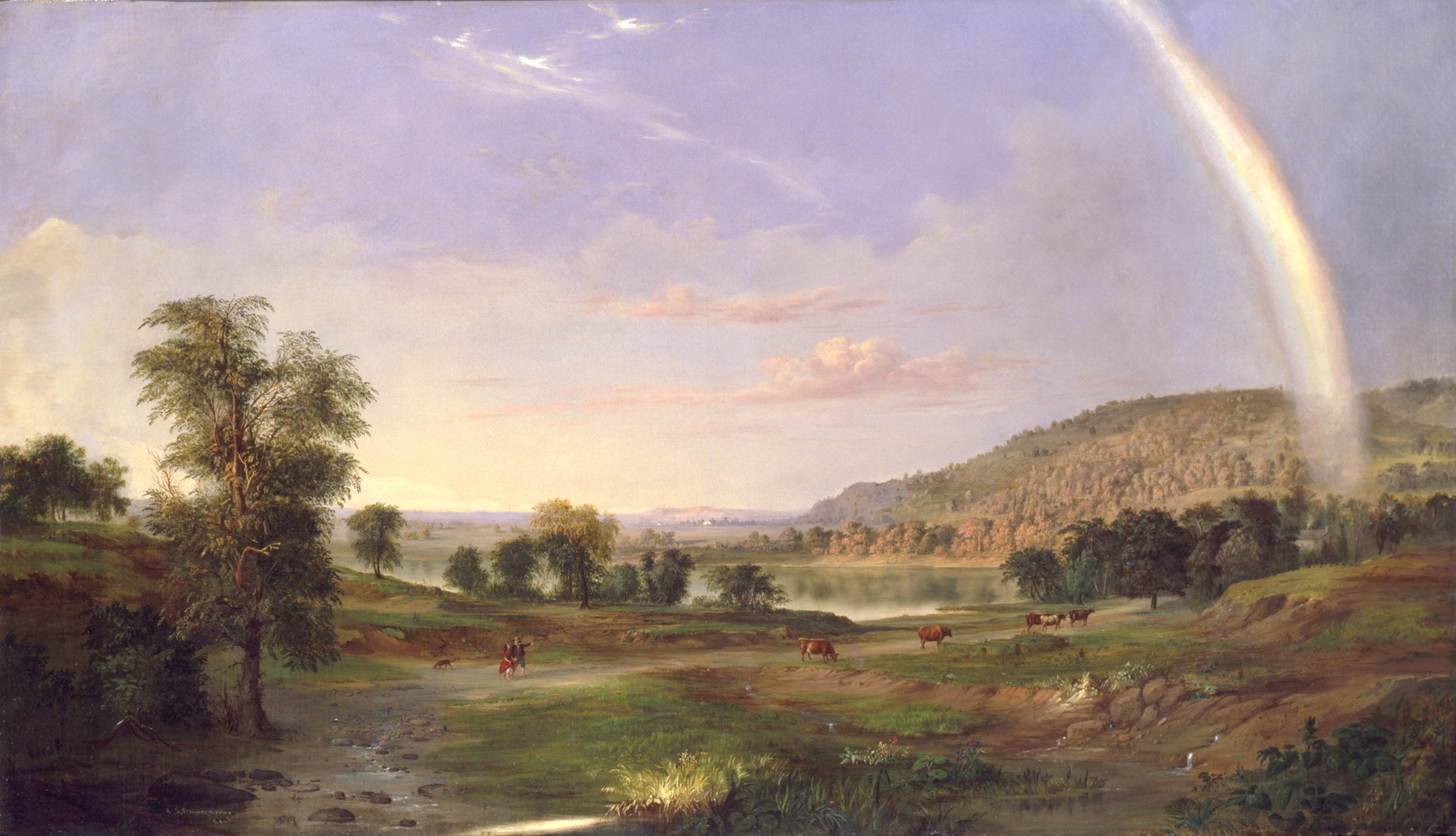
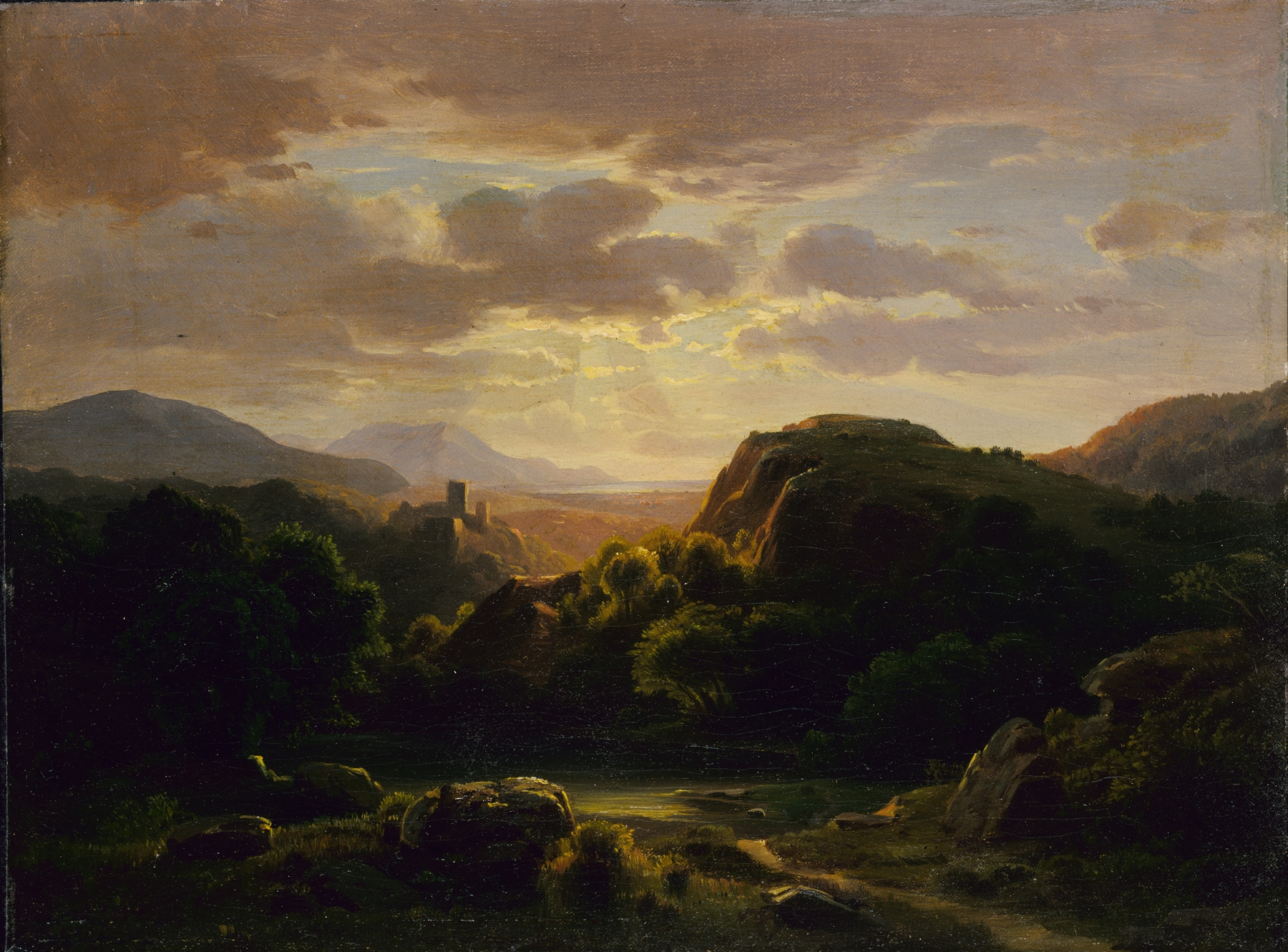
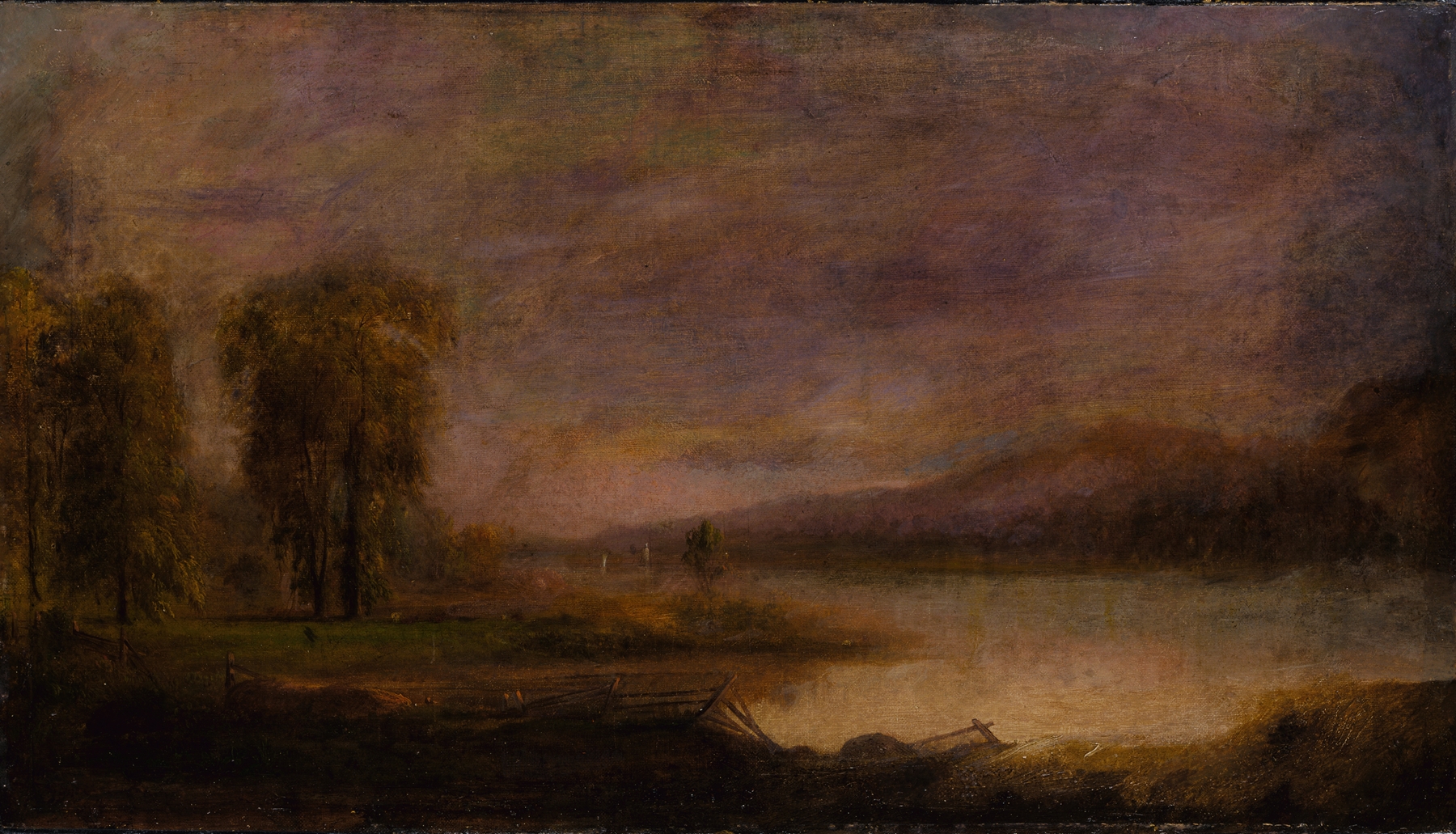
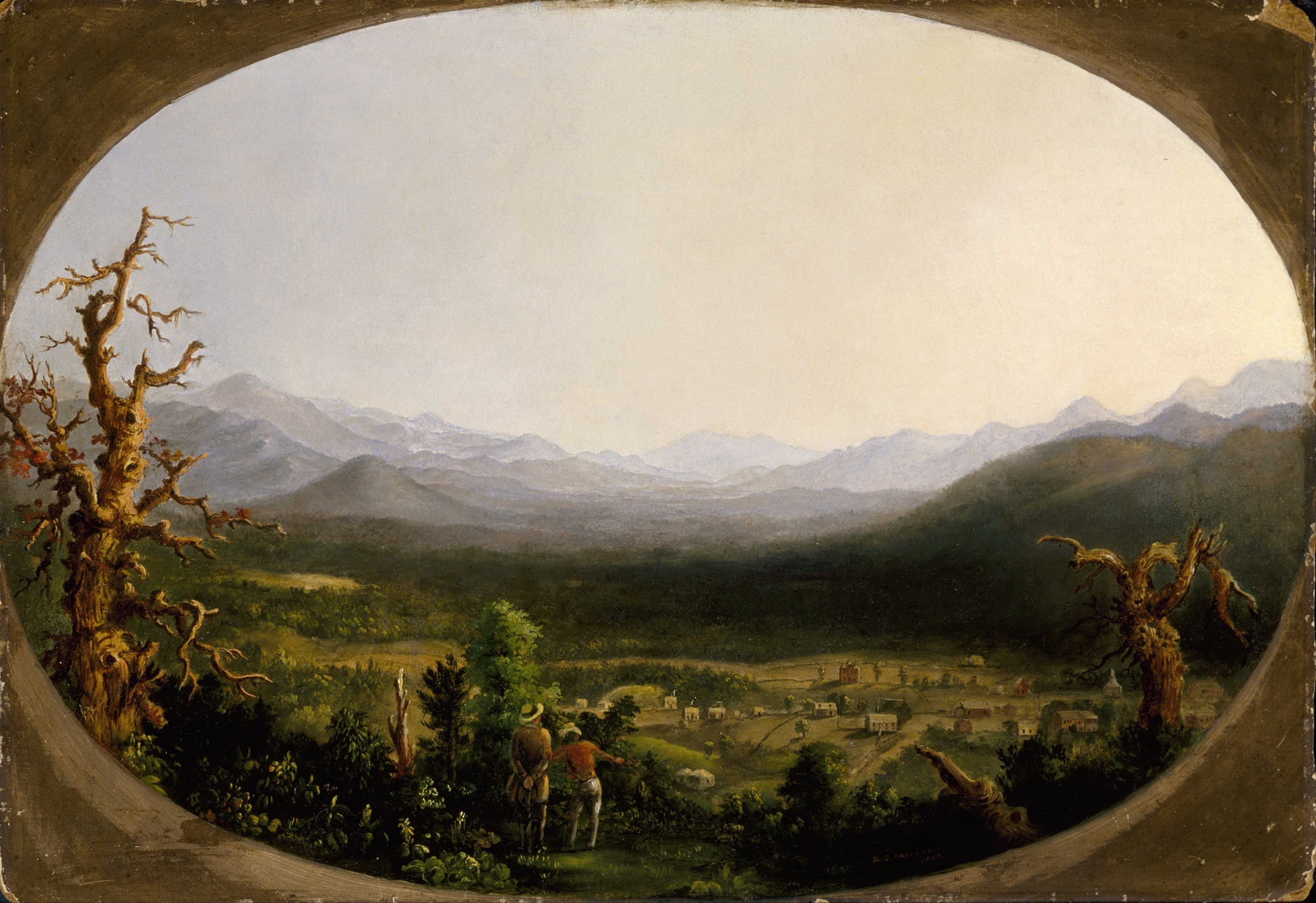
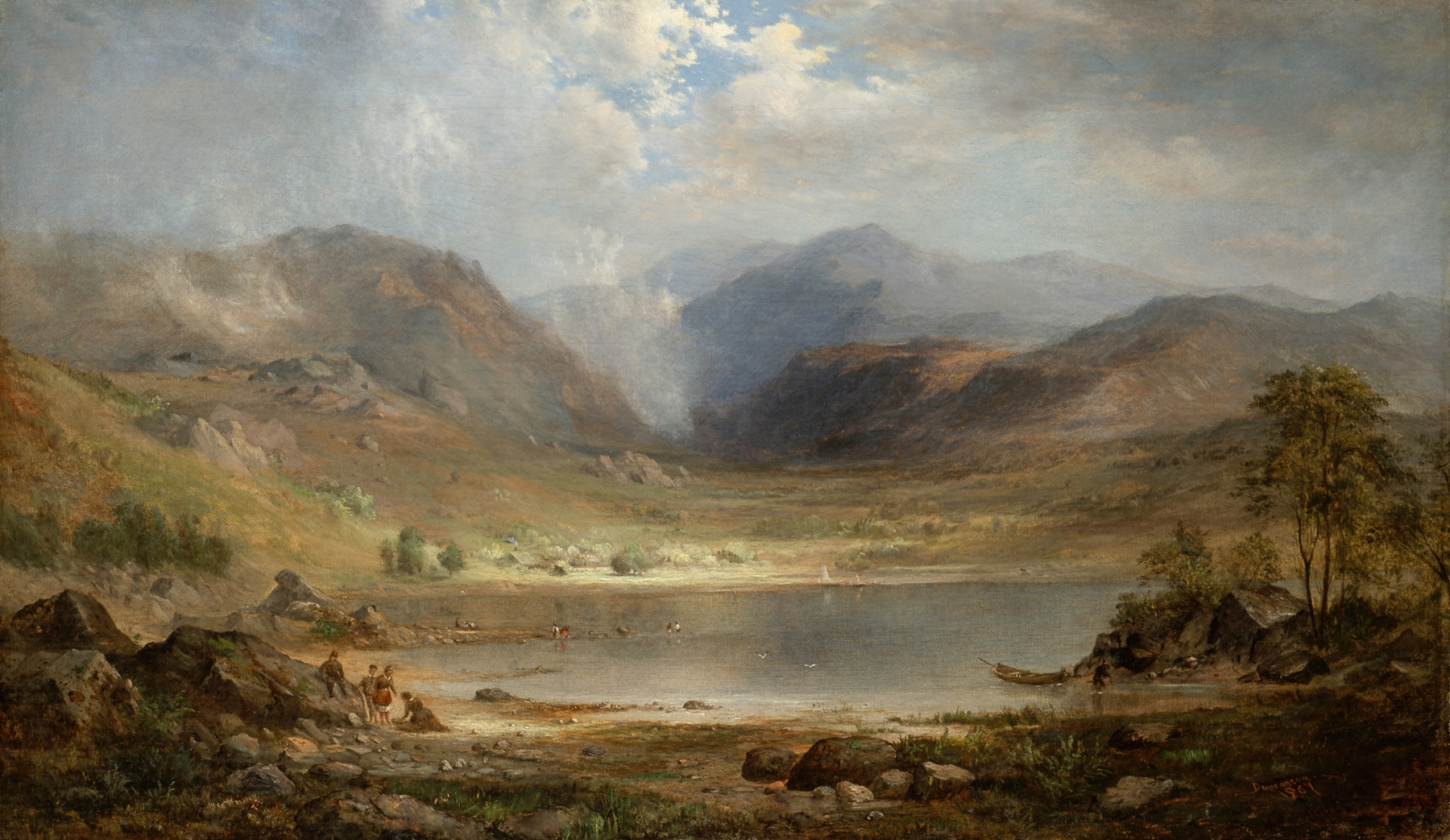
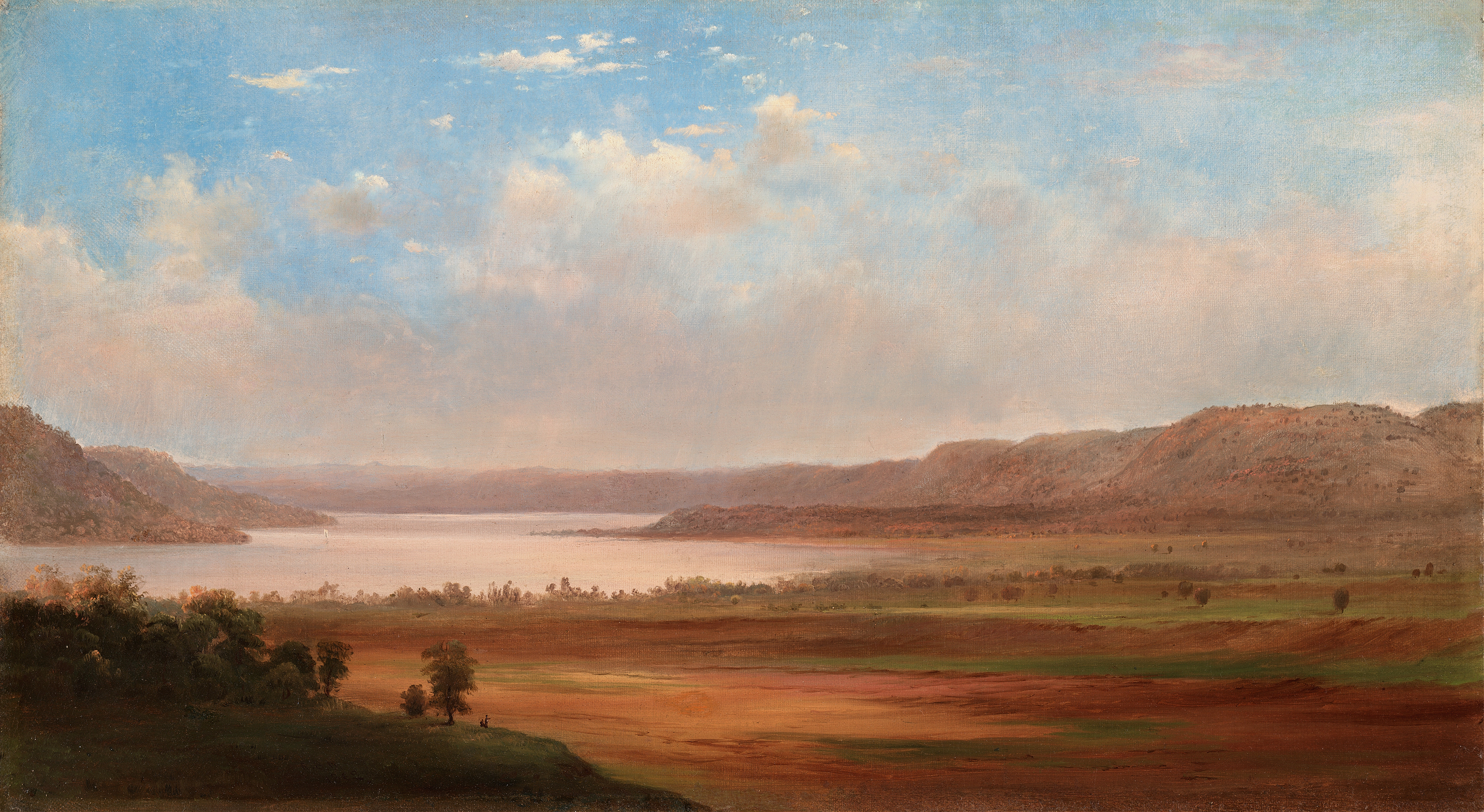
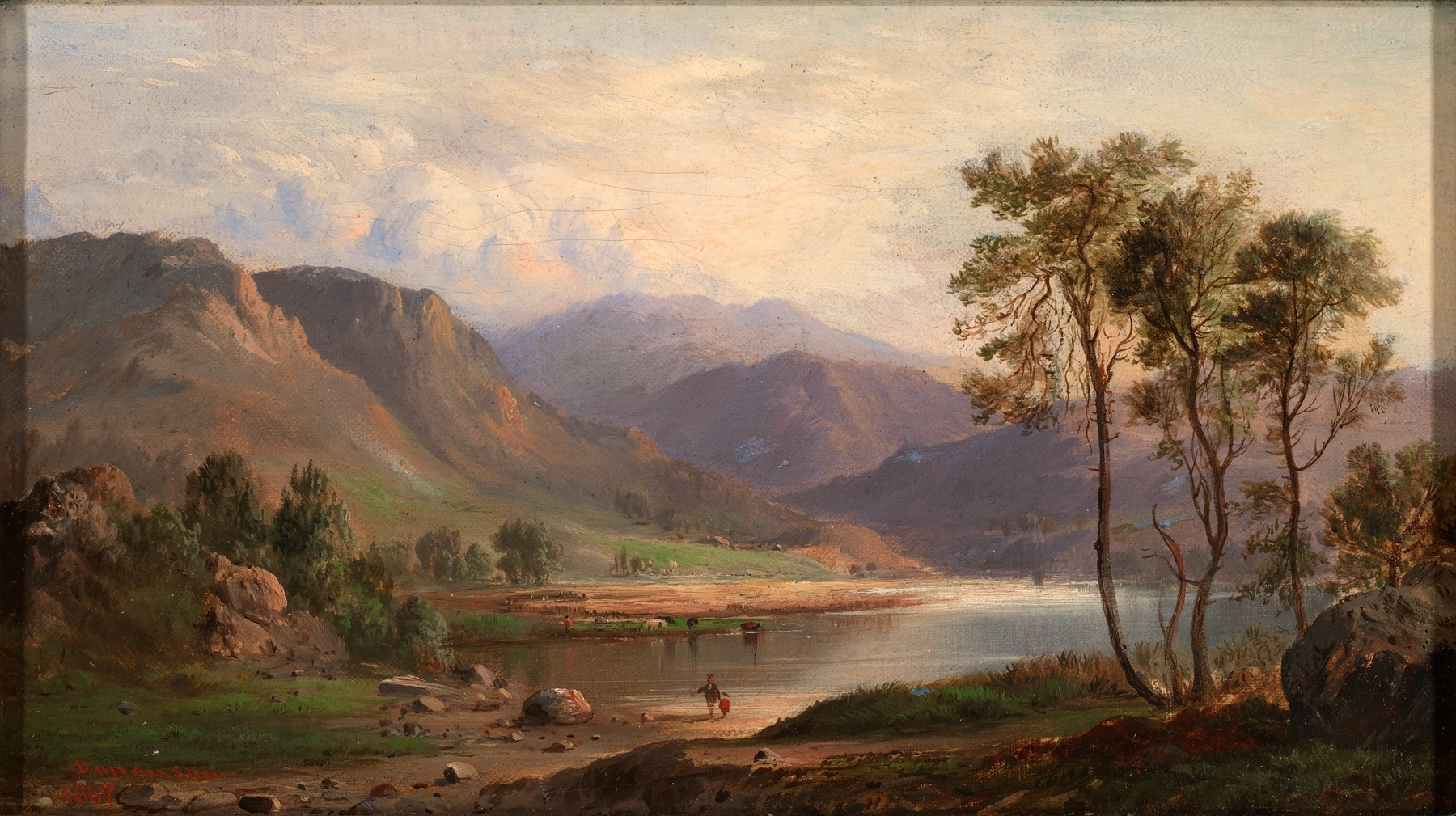
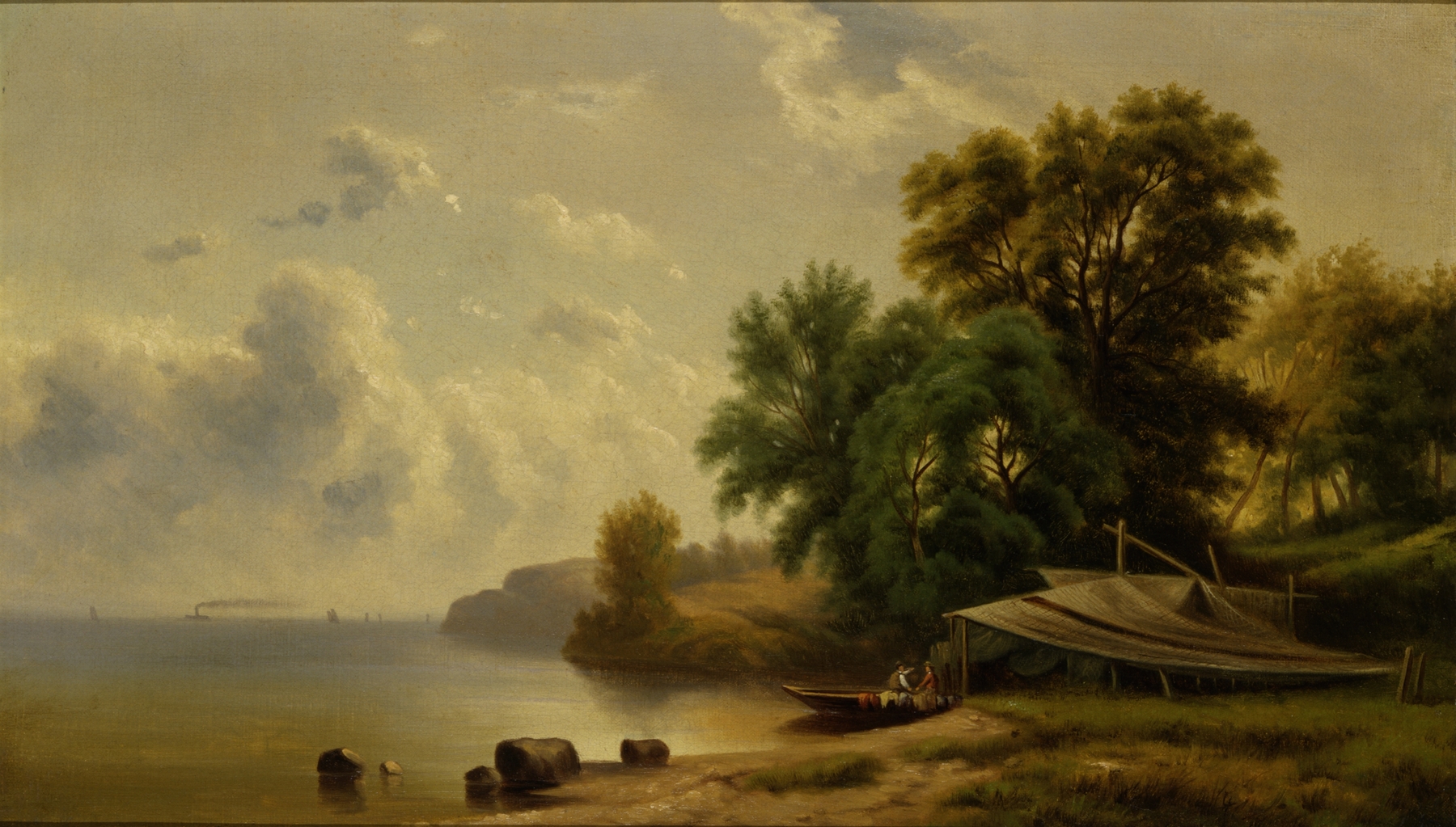
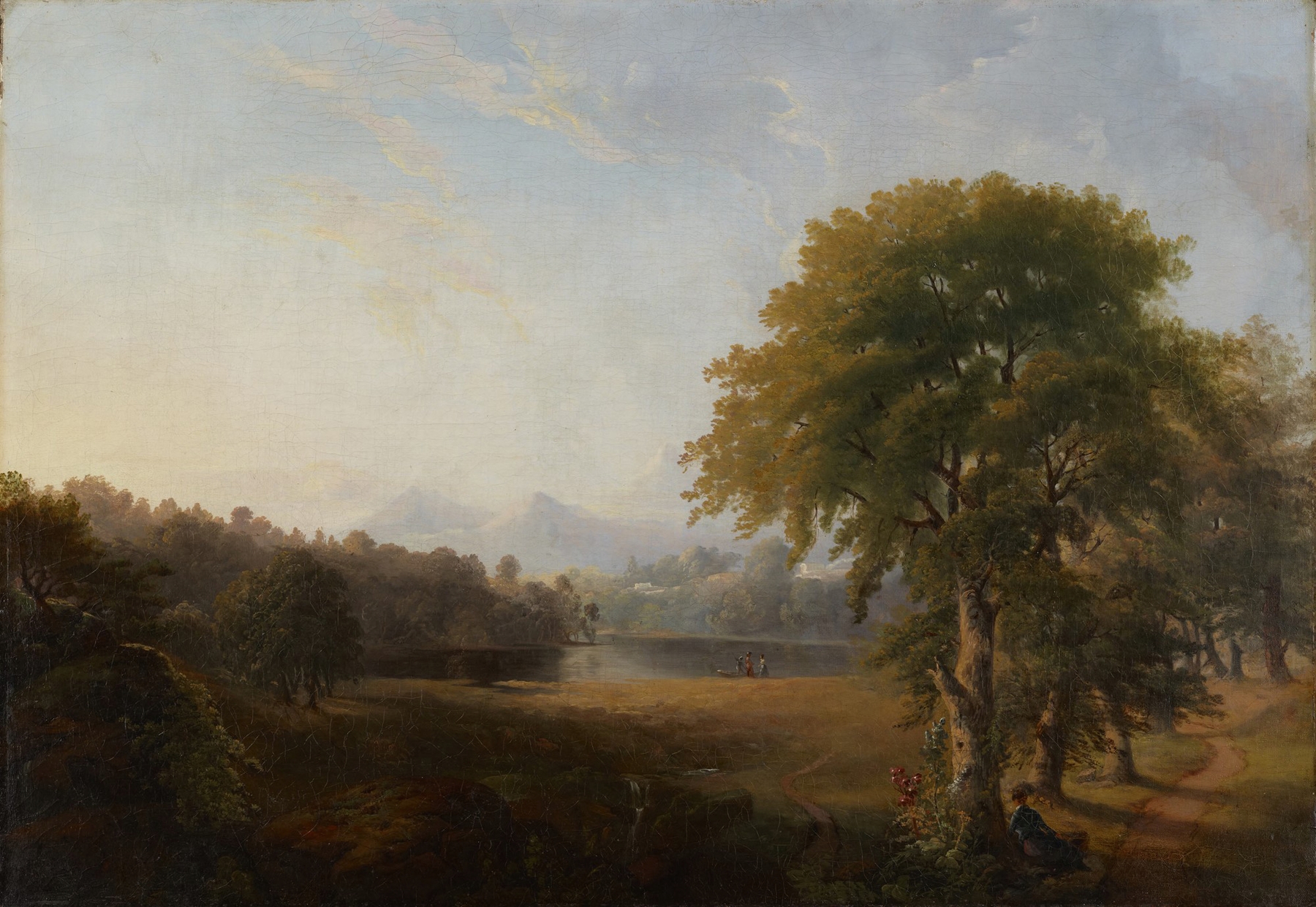
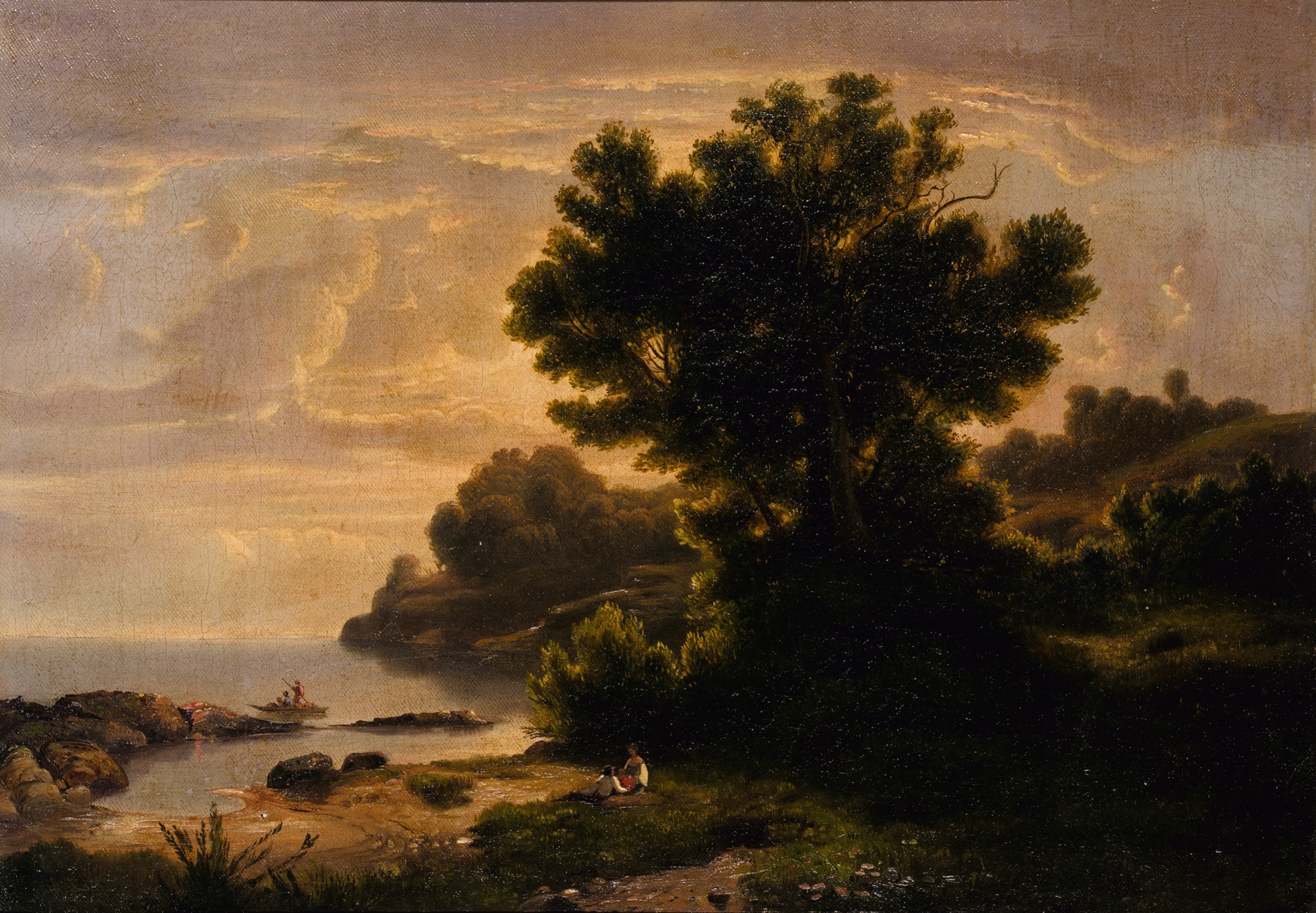
“Between color and silence, truth hides.” This poignant reflection captures the essence of a world where the vibrancy of life dances just beyond the threshold of stillness—a moment poised on the brink of movement. Focus on the gentle flow of the river as it meanders through the composition, its undulating surface reflecting a tapestry of greens and blues. Look to the distant trees, their verdant canopies intertwined with the soft golden hues of the sun, casting a serene glow upon the water. Notice the dynamic brushstrokes that convey the rustling leaves and the gentle ripples, creating a sense of life that pulses beneath the tranquil surface.
Yet, amid this harmony lies a deeper tension. The contrast between the lush vegetation and the stillness of the water hints at an unspoken narrative—a longing unfulfilled, perhaps, or the silent passage of time. The play of light dances across the landscape, suggesting movement that invites the viewer to contemplate the unseen forces at work, both in nature and within themselves. Each detail, from the sweeping horizon to the subtle shifts in color, beckons us to explore the delicate balance between serenity and the restless spirit of life.
In 1865, Robert S. Duncanson created this work during a pivotal moment in his career, establishing himself as a prominent African American landscape painter. Living in Ohio, he was deeply influenced by the Hudson River School, which celebrated the beauty of the American wilderness. The evolving art scene of the time, alongside the societal challenges he faced, infused his work with a profound understanding of movement—not just within nature, but also as a metaphor for the broader human experience.