Onthoofding van Johannes de Doper — History & Analysis
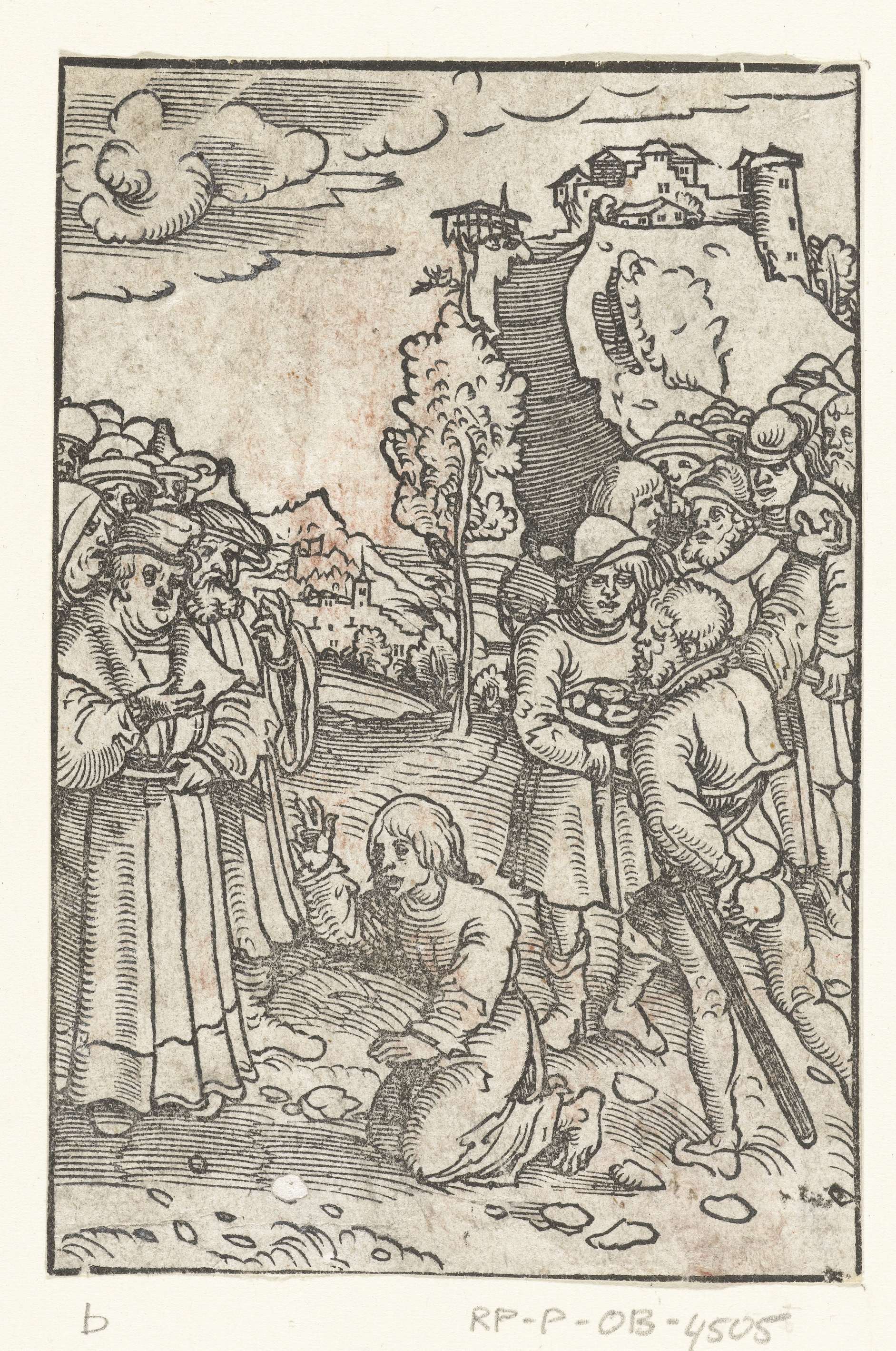
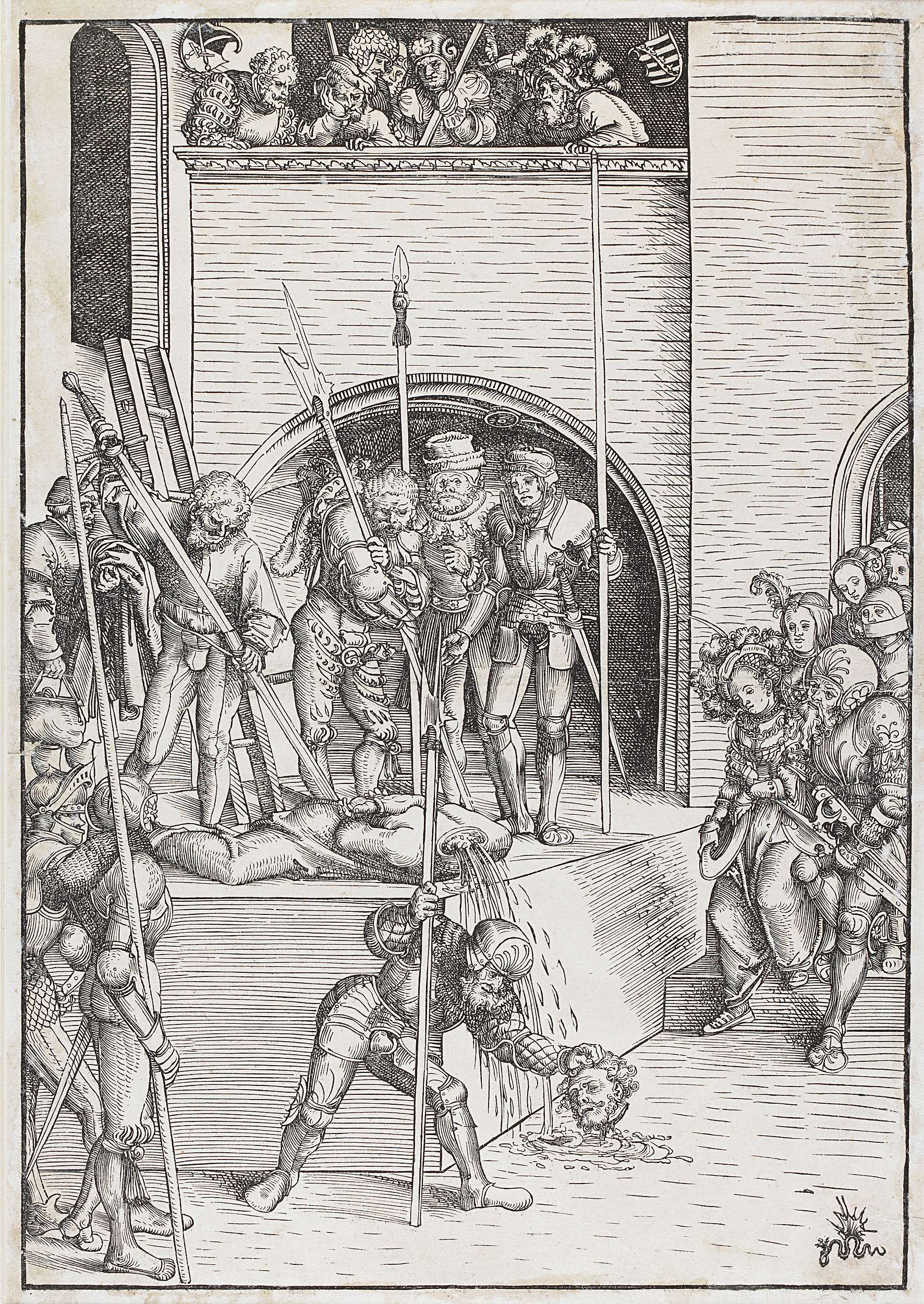
Can paint confess what words never could? In Onthoofding van Johannes de Doper, the silent tragedy unfolds on the canvas, revealing layers of reflection and consequence that words often fail to capture. Look closely at the figure of John the Baptist, positioned almost centrally, draped in earthy tones that suggest humility yet resonate with foreboding. The knife glimmers ominously in the executioner's hand, drawing your gaze to the stark contrast of light and shadow that accentuates the tension of the moment.
Notice how the blood, rendered with shades of deep crimson, pools on the ground, a visceral reminder of sacrifice, while the muted background fades away, isolating this horrifying act in a stark, dramatic tableau. Delve deeper into the emotional layers at play—the duality of life and death, innocence and guilt. The faces of the onlookers, both transfixed and horrified, reveal a spectrum of human emotion, from dread to morbid curiosity. Each expression speaks to the moral quandary underlying the scene; is this a moment of justice or a profound tragedy?
The juxtaposition of the serene martyr and the brutal reality invites viewers to question their own perceptions of morality and righteousness. Cranach painted this work between 1511 and 1515 during a period marked by religious turmoil and the rise of humanism in art. Working in Wittenberg, he was closely associated with the Reformation, which influenced his choice of subjects, often reflecting the tensions within society. This painting emerged from a time when artworks were not only a means of expression but also a powerful vehicle for commentary amidst the shifting beliefs of the era.