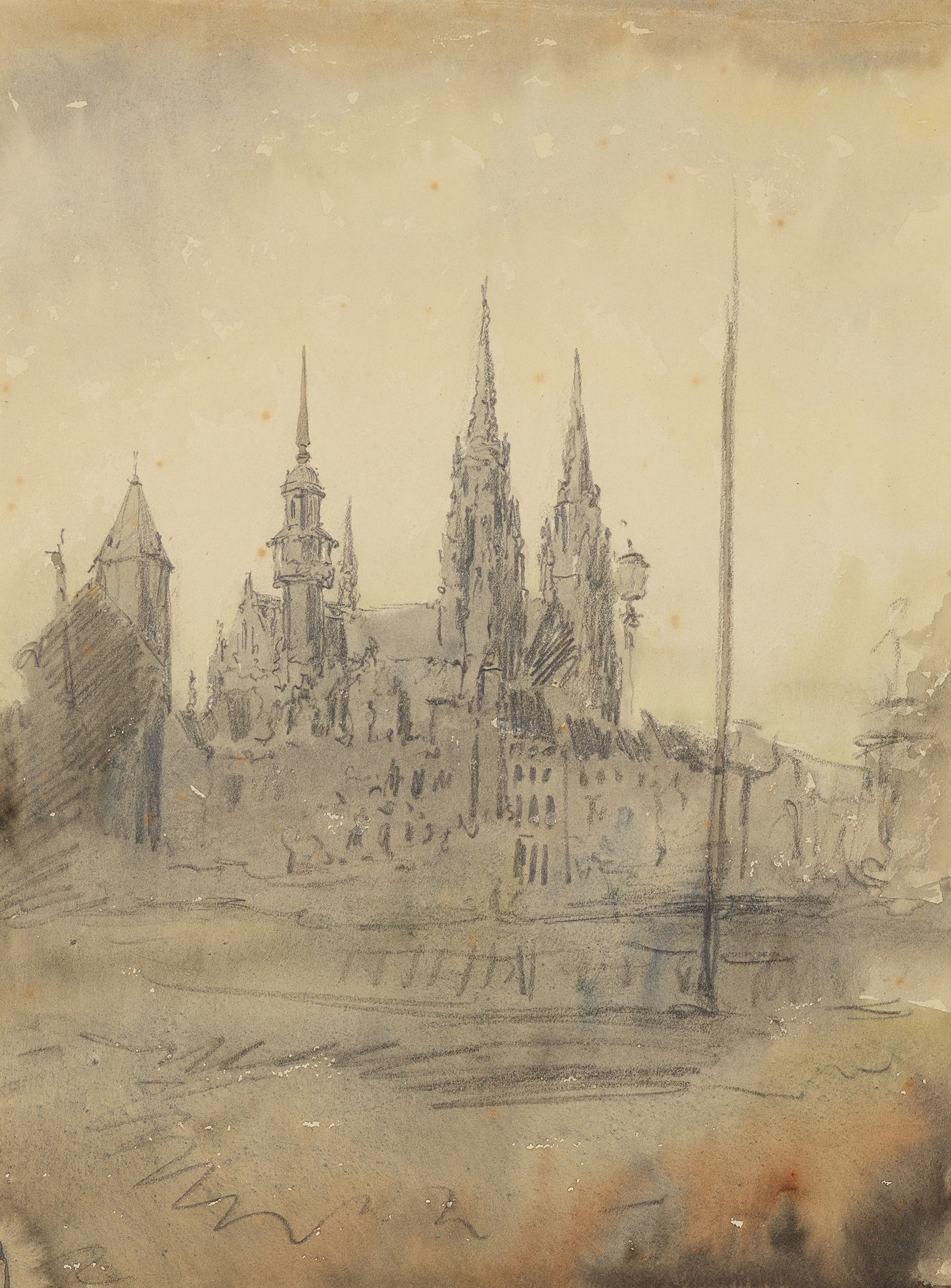
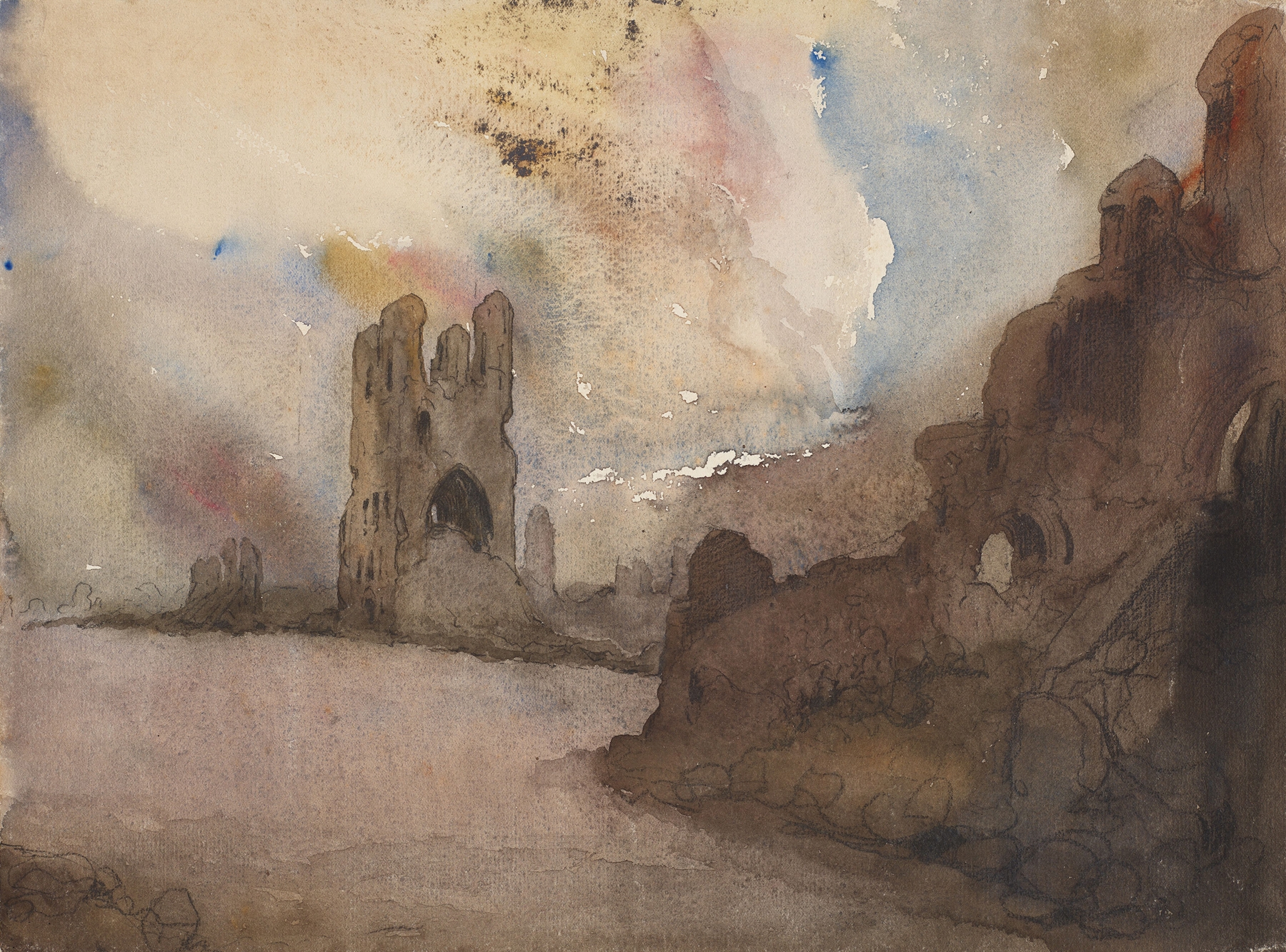
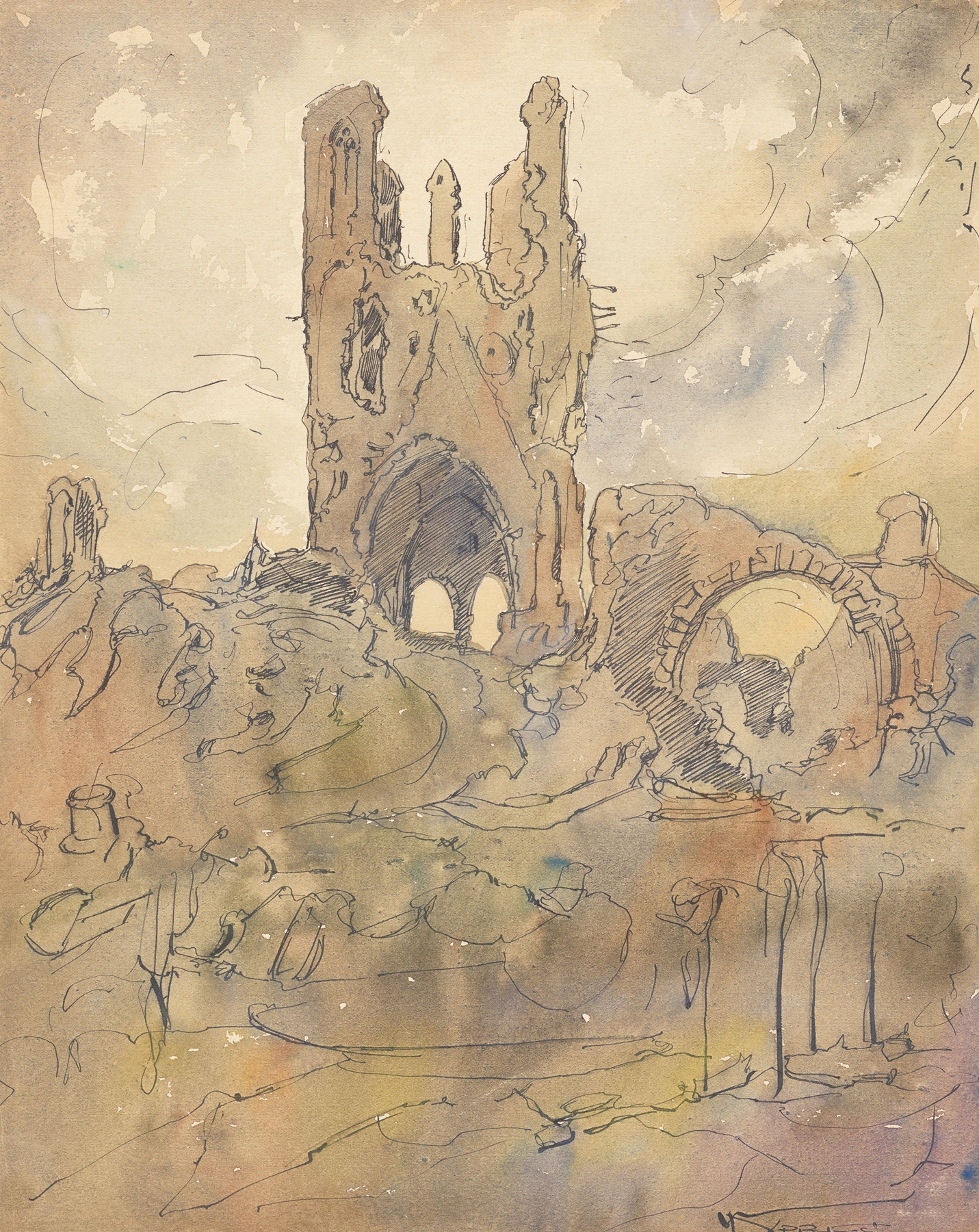
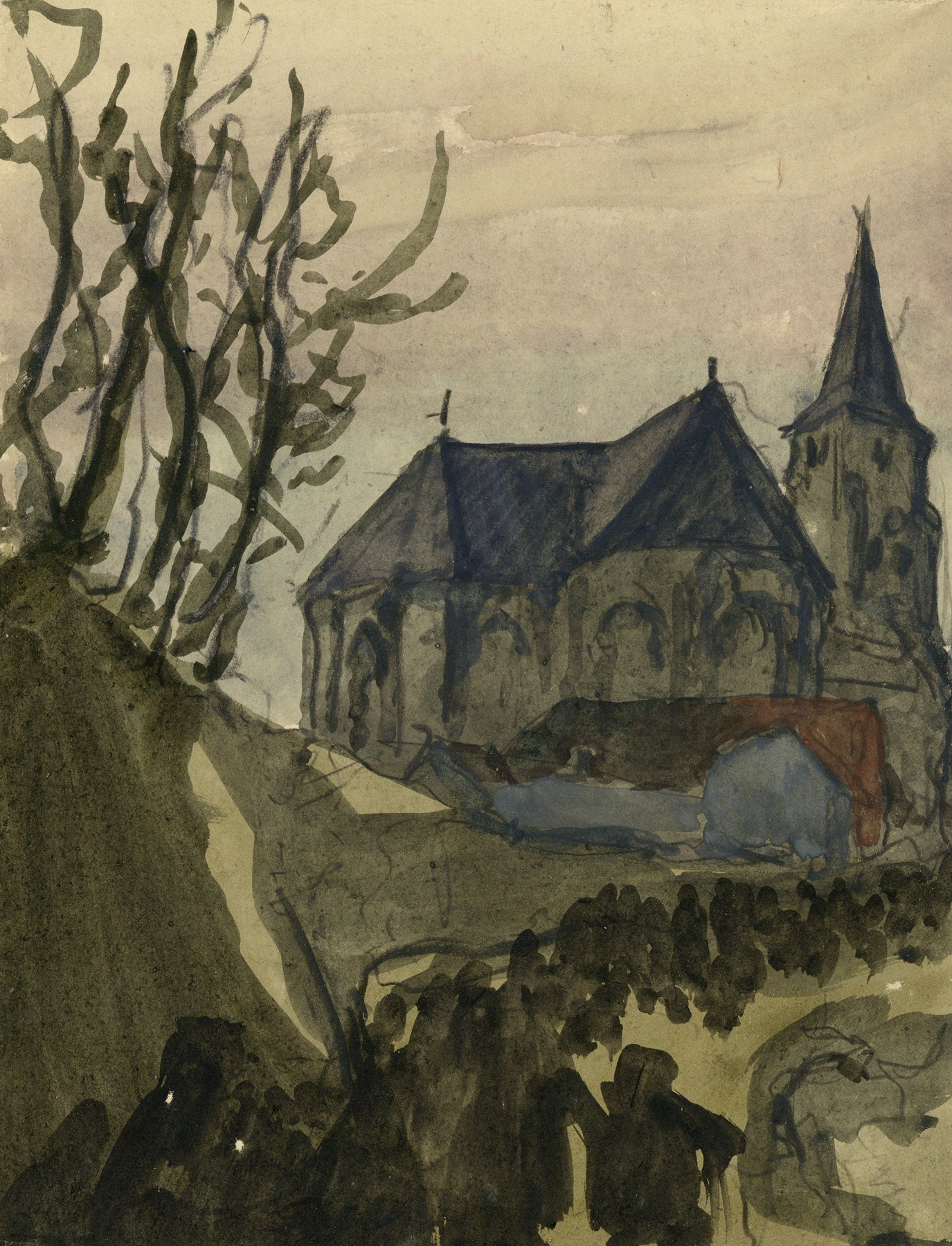
Onze-Lieve-Vrouwe Kathedraal te Antwerpen vanop de Lijnwaadmarkt — History & Analysis
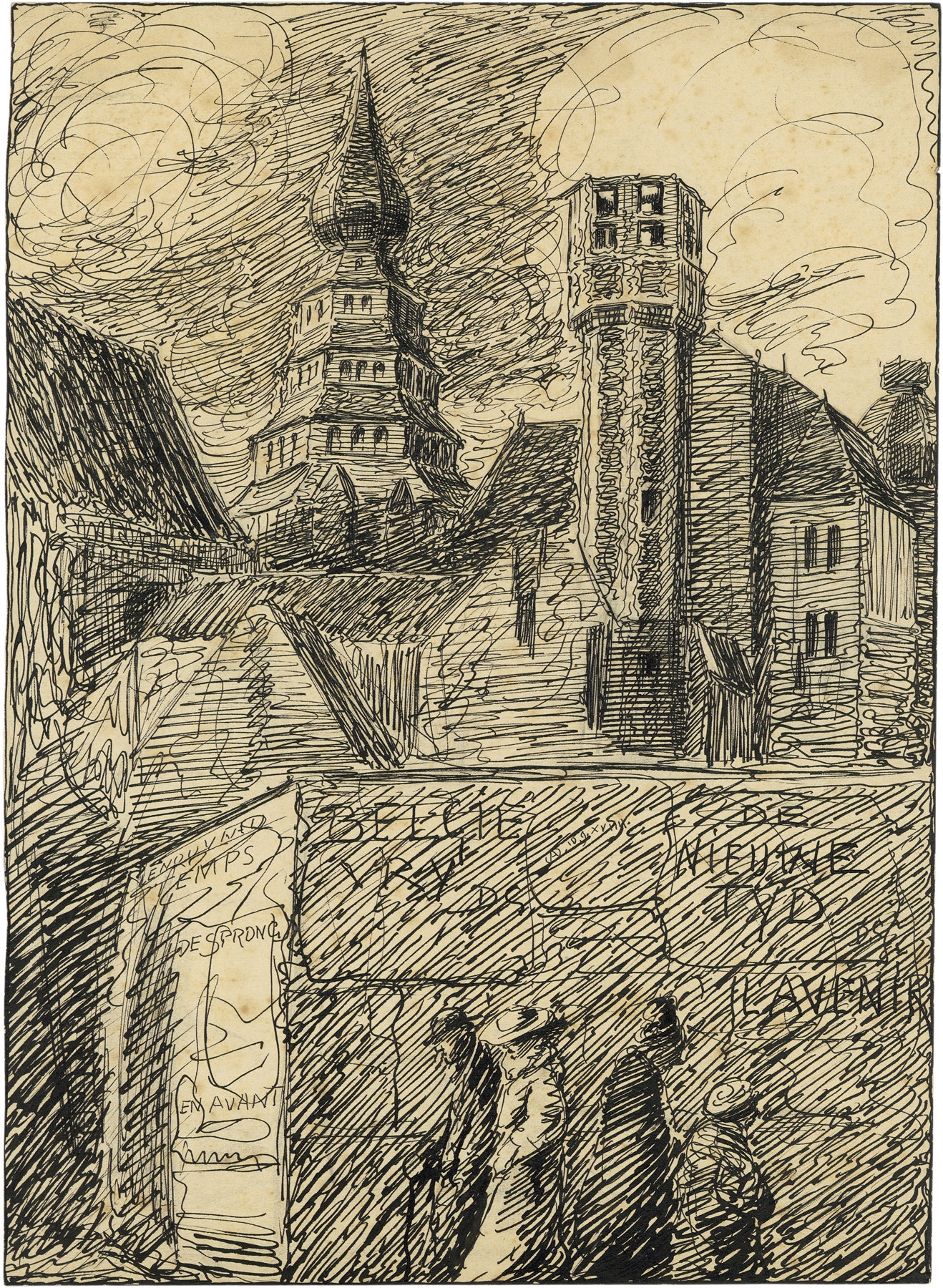
“To paint is to remember what time wants us to forget.” In the essence of creation lies a quiet rebellion against the passage of time and decay, capturing moments of rebirth in vivid strokes. Look to the foreground, where the bustling Lijnwaadmarkt teems with life. Both the intricate architecture of the Onze-Lieve-Vrouwe Kathedraal and the lively market vendors create a harmonious contrast, intertwining the sacred and the everyday. Notice how soft light bathes the cathedral, revealing its gothic spires and delicate stone carvings, while the warm hues of the market stalls draw the eye toward their earthly vibrancy, celebrating the beauty of the moment.
The artist’s brushwork imparts a palpable energy, blurring the boundaries between the divine and the mundane. Yet beneath this lively surface lies a deeper exploration of existence. The juxtaposition of the grand cathedral, a symbol of permanence, against the fleeting nature of the market scene evokes a sense of temporal tension. Each figure engaged in their daily routines represents the cycles of life, while the cathedral stands as a sentinel, witnessing the human experience.
This dialogue between stability and transience creates a powerful reflection on rebirth — the perpetual renewal of life amidst the relentless march of time. In 1925, Alfred Ost painted this piece during a period marked by post-war recovery and a renewed appreciation for daily life in art. Living in Belgium, he was influenced by the changing dynamics of society, where traditional values and modern life began to intersect. This work encapsulates a moment of artistic evolution, celebrating the vibrancy of human connection in the shadows of historical grandeur.