Oordeel van Paris — History & Analysis
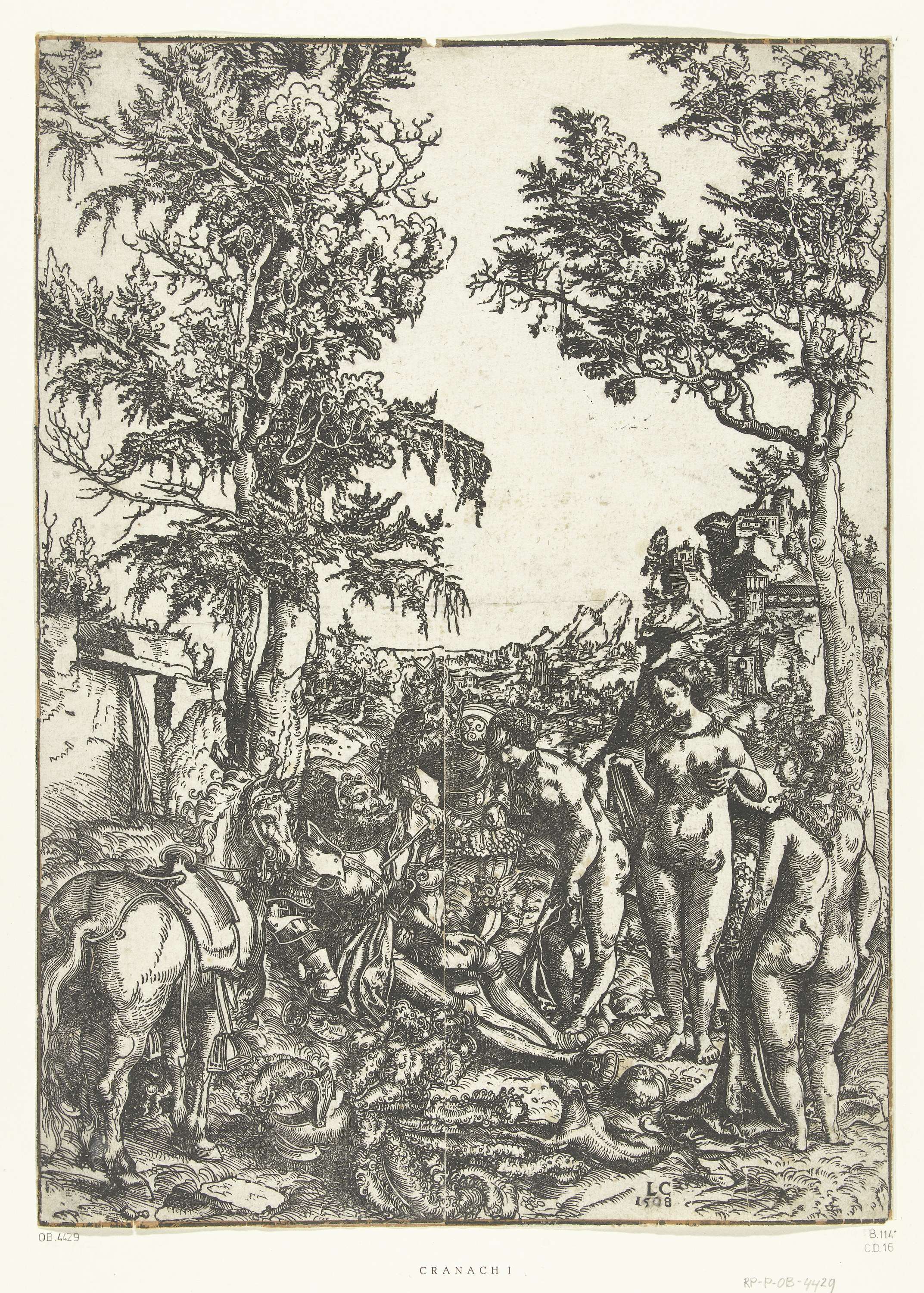
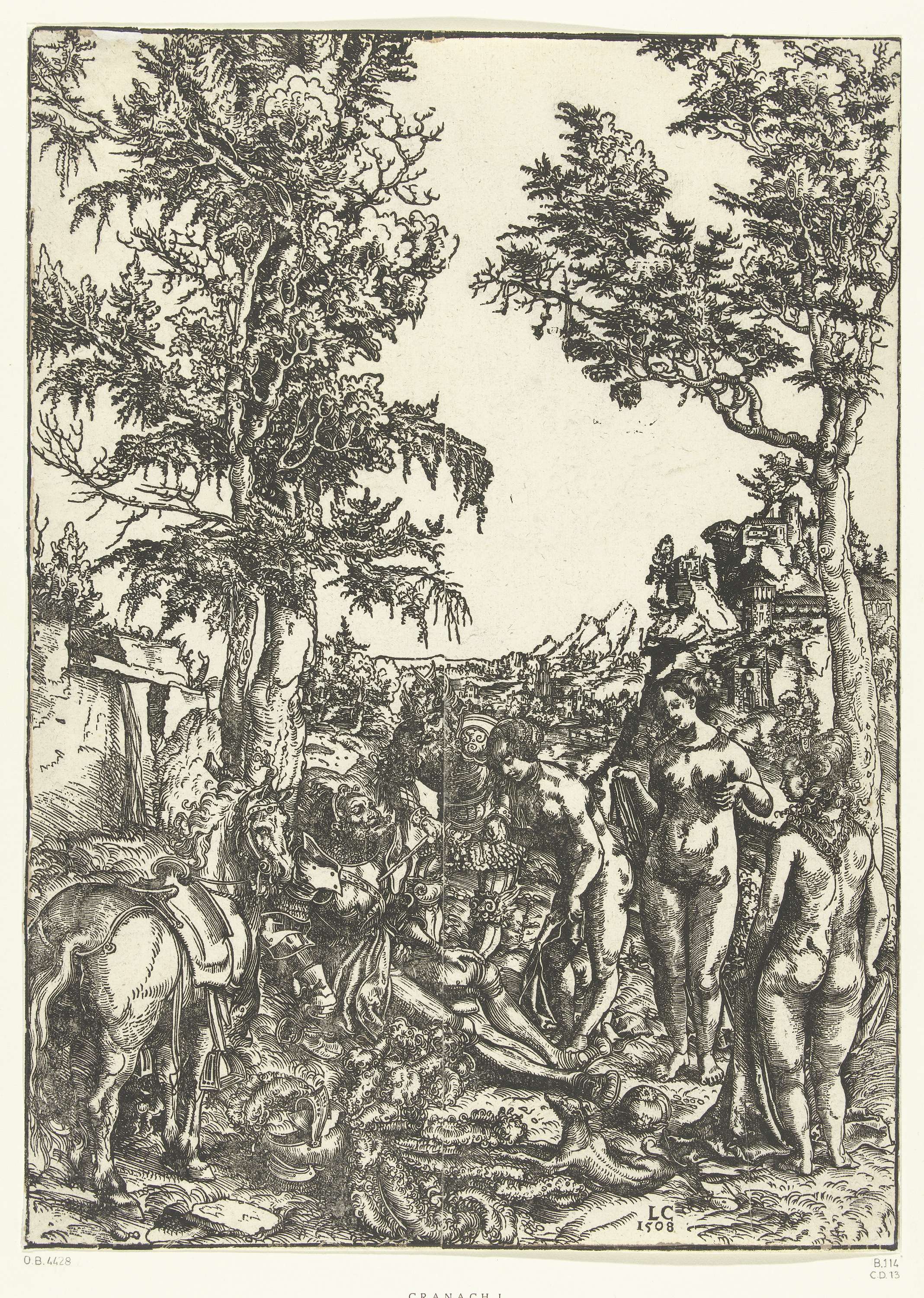
“Every brushstroke is a heartbeat remembered.” In Oordeel van Paris, transformation emerges as a theme that dances between myth and the human experience, entwining beauty and choice. Look to the left at the figure of Paris, draped in rich fabrics, his youthful demeanor juxtaposed against the opulent, yet anxious expressions of the goddesses around him. Notice how the soft light caresses their skin, highlighting the tension in their postures—a mixture of allure and desperation. The palette is a harmonious blend of golds and deep reds, drawing the eye across the composition while amplifying the weight of the decision he must make.
The flowing lines of the drapery guide our gaze, mimicking the cascade of emotions at play. Beneath the surface, the painting encapsulates themes of judgment and desire. Paris stands not only as a choice-maker but as a symbol for the internal conflicts we all face—the allure of beauty versus the burden of consequence. The contrasting expressions of the goddesses reveal a silent rivalry that pulsates through the air, each vying for not just Paris’ attention, but the gravity of his decision, which echoes through mythology.
Additionally, the subtle inclusion of the apple, a token of judgment, hints at the far-reaching ramifications of this moment, transforming desire into a catalyst for chaos in both the divine and mortal realms. Lucas Cranach (I) painted Oordeel van Paris in 1508 during a period of significant change in the art world, marked by the Northern Renaissance's flourishing influence. Cranach was deeply involved in the court of Frederick the Wise in Wittenberg, where he melded humanistic ideals with vivid imagery. This painting reflects the growing interest in classical themes and individual choice, set against a backdrop of societal shifts and the rise of personal expression in art.