Orchard with Farm Cart — History & Analysis
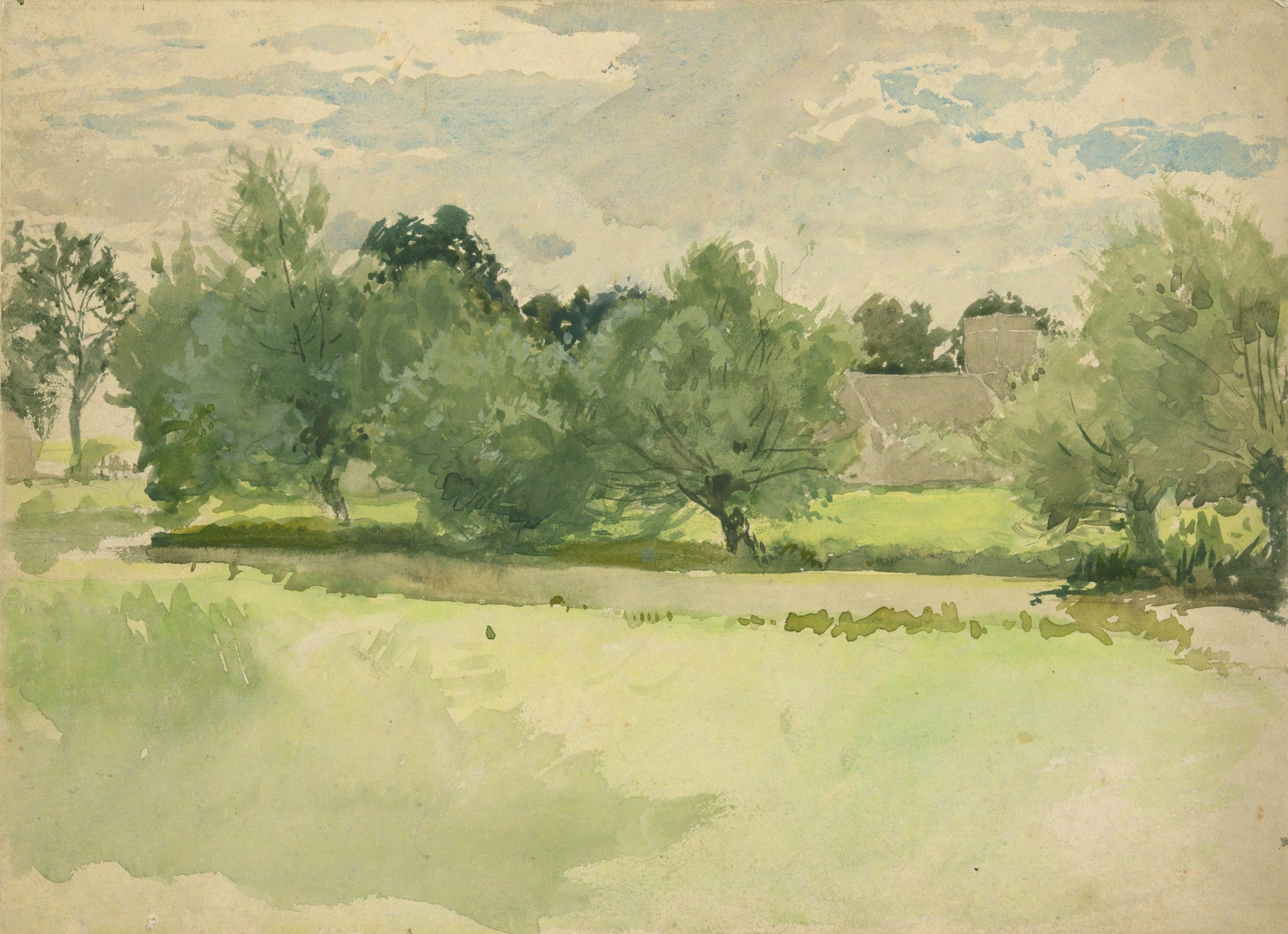
“Sometimes beauty is just pain, disguised in gold.” In every brushstroke lies a whisper of longing, a sense of nostalgia wrapped in the outer layers of a tranquil scene. Focus first on the gentle curves of the cart, positioned off-center beneath a bough heavy with ripe fruit. The warm hues of gold and amber saturate the canvas, creating a sense of late afternoon sun filtering through the leaves. Notice how the light dances across the orchard, illuminating the textured surface of the earth, while shadows play hide-and-seek beneath the trees.
Each element is meticulously crafted, drawing the viewer deeper into this idyllic yet fleeting moment. Yet, beneath the surface, there exists an emotional tension. The cart, while picturesque, signifies labor and toil, the quietude of the scene belying the hard work associated with agrarian life. The ripening fruits are reminders of time's relentless march, a cycle of abundance and decay.
There’s an evocation of both serenity and melancholy—a reminder that beauty often blossoms from effort and sacrifice, wrapped in the fragile joy of nature's bounty. During the late 19th century, when this piece was created, Edwin Austin Abbey sought to bridge his artistic roots in America with his experiences in England. The burgeoning Arts and Crafts movement emphasized a return to nature, yet Abbey was equally influenced by the theatricality of stage design. His works, including this one, often reflect a blend of realism and idealism, showcasing a world that is both enchanting and, at times, painfully ephemeral.