Orgelvent — History & Analysis
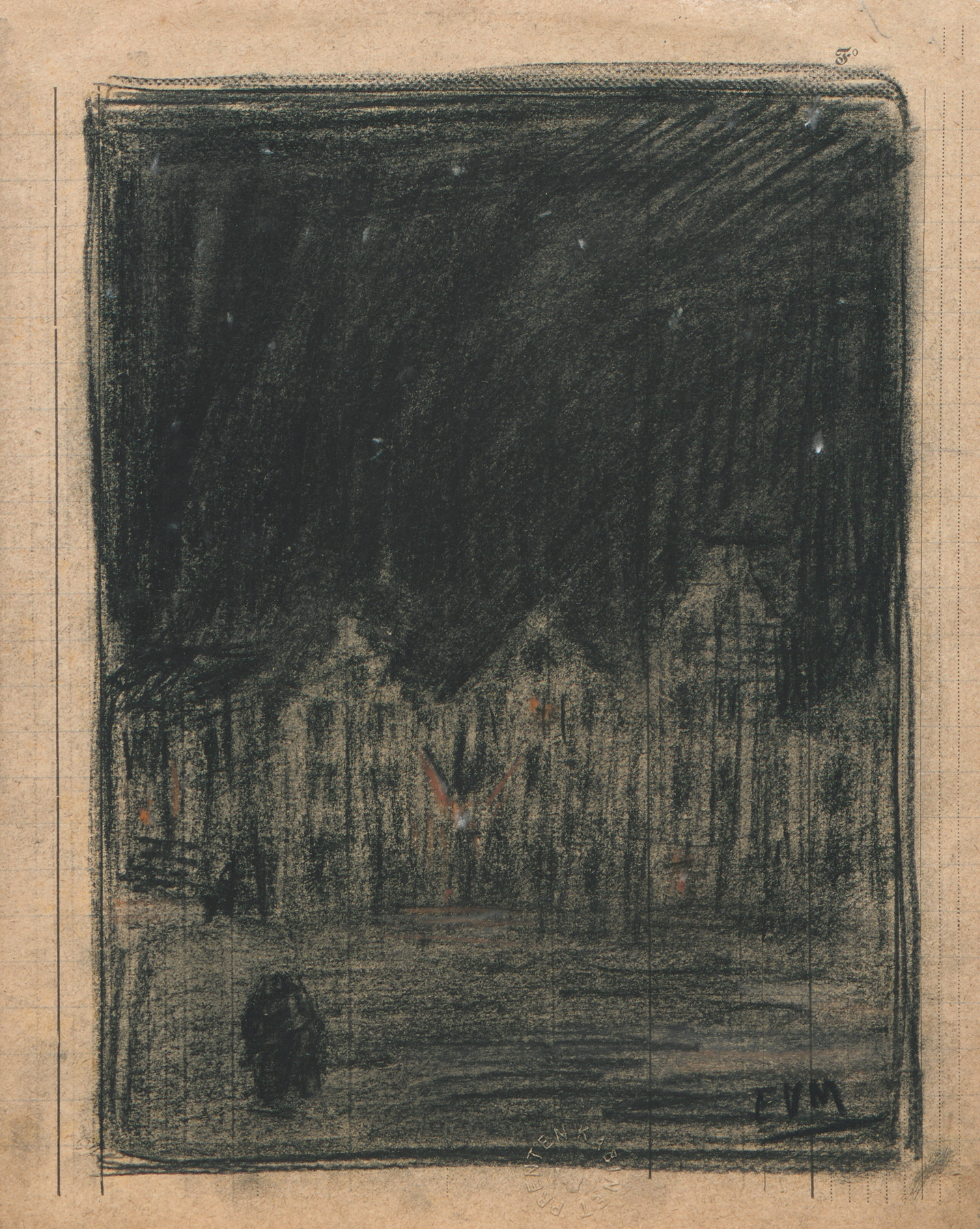
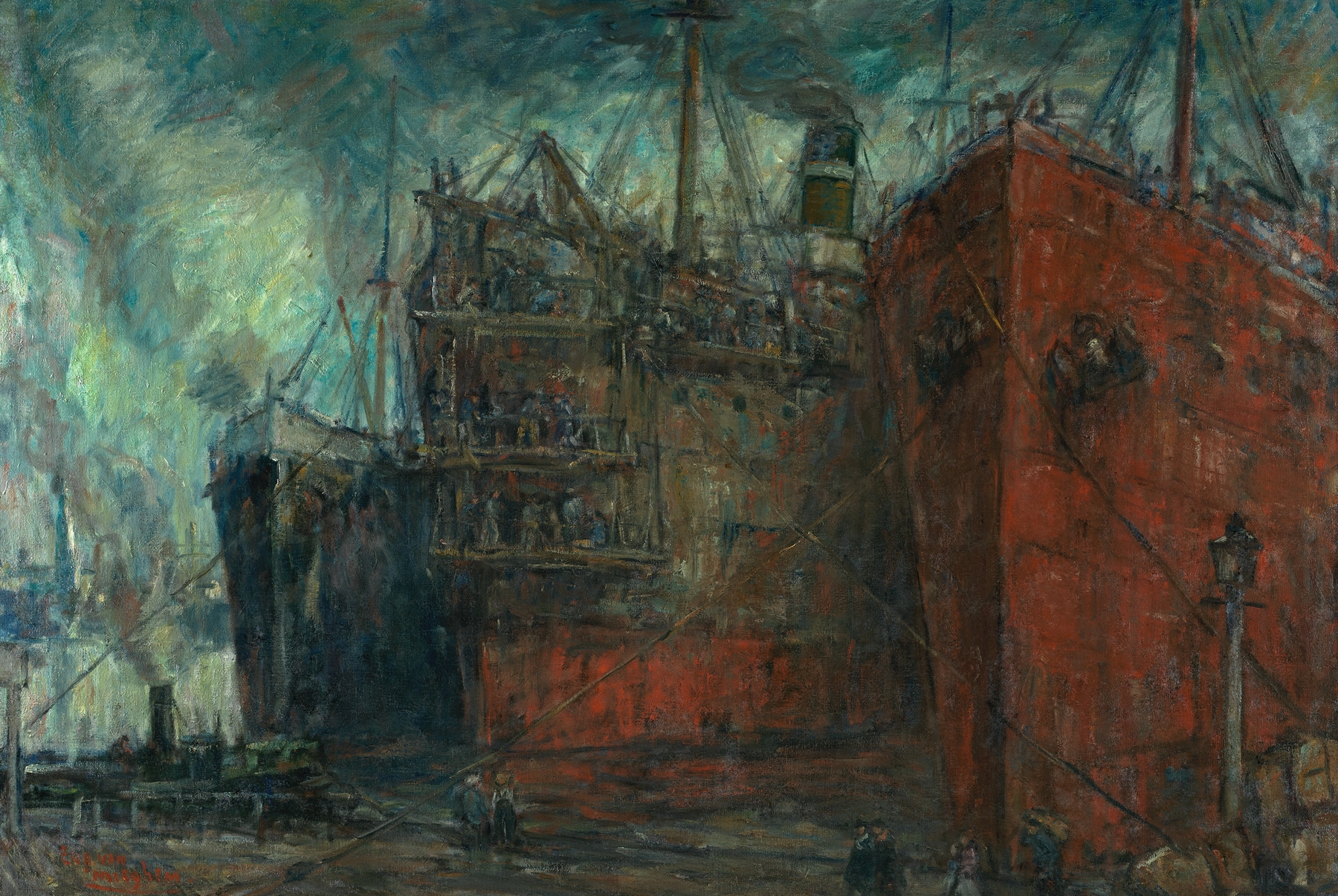
“Every silence here is a confession.” In the quiet corners of life, rebirth often whispers, waiting to be heard. It speaks to the soul's resilience amid the noise of existence, urging us to pause and reflect. Shift your gaze to the delicate interplay of light, especially where it refracts through the translucent surfaces of the organ pipes. Notice how the warm hues of ochre and amber envelop the scene, casting a subtle glow that hints at both reverence and spirit.
The composition invites a contemplative exploration, guiding you from the ornate details of the instrument to the shadows that dance upon the walls, revealing a sacred space suspended in time. The artist masterfully juxtaposes the potential for renewal against an undercurrent of solitude. The organ, a symbol of harmony, stands resilient yet silent, evoking a sense of longing for the melodies it once shared. Every curve and angle of the pipes suggests both fragility and strength, reflecting the dual nature of existence — an invitation to embrace transformation even in stillness.
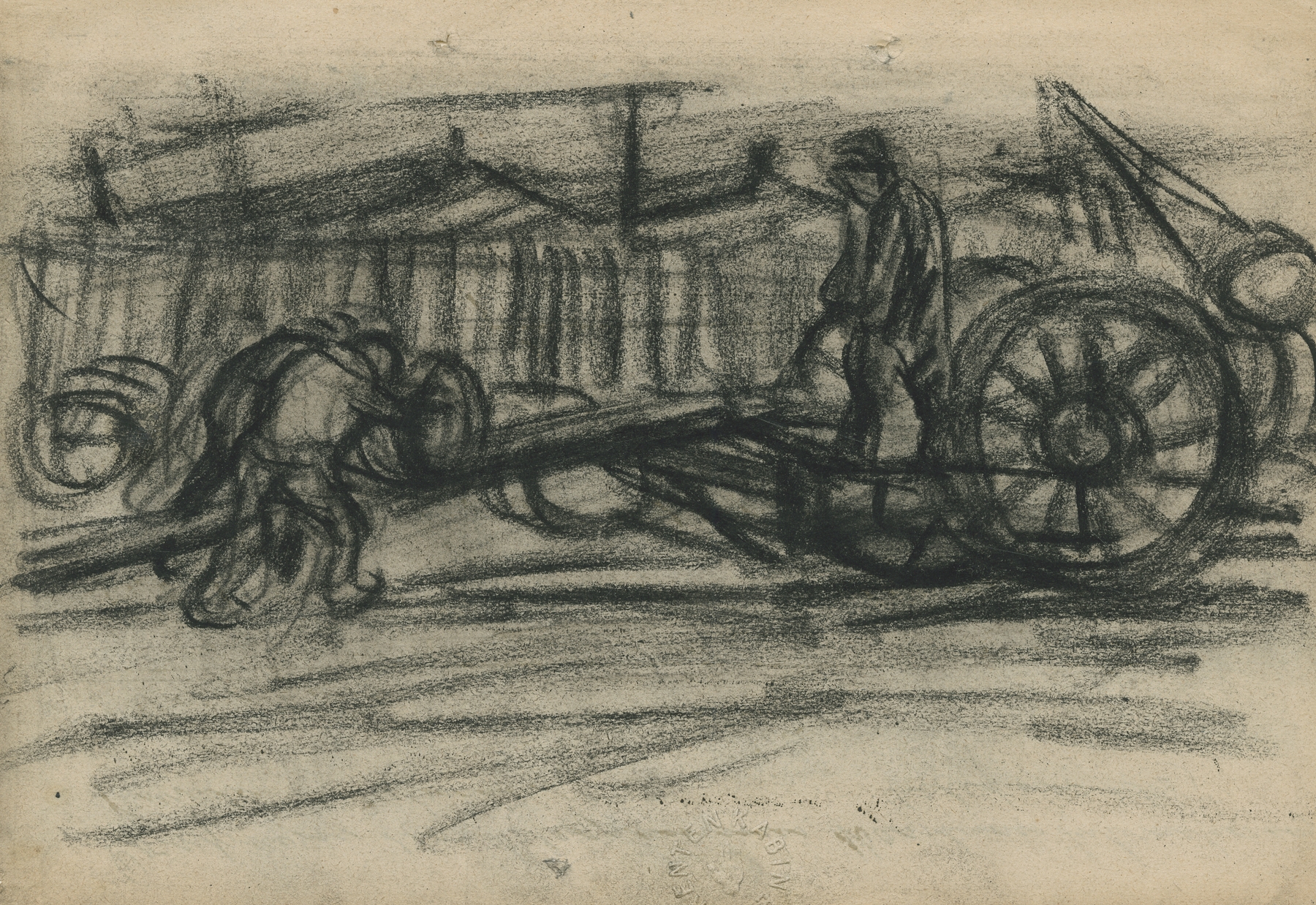
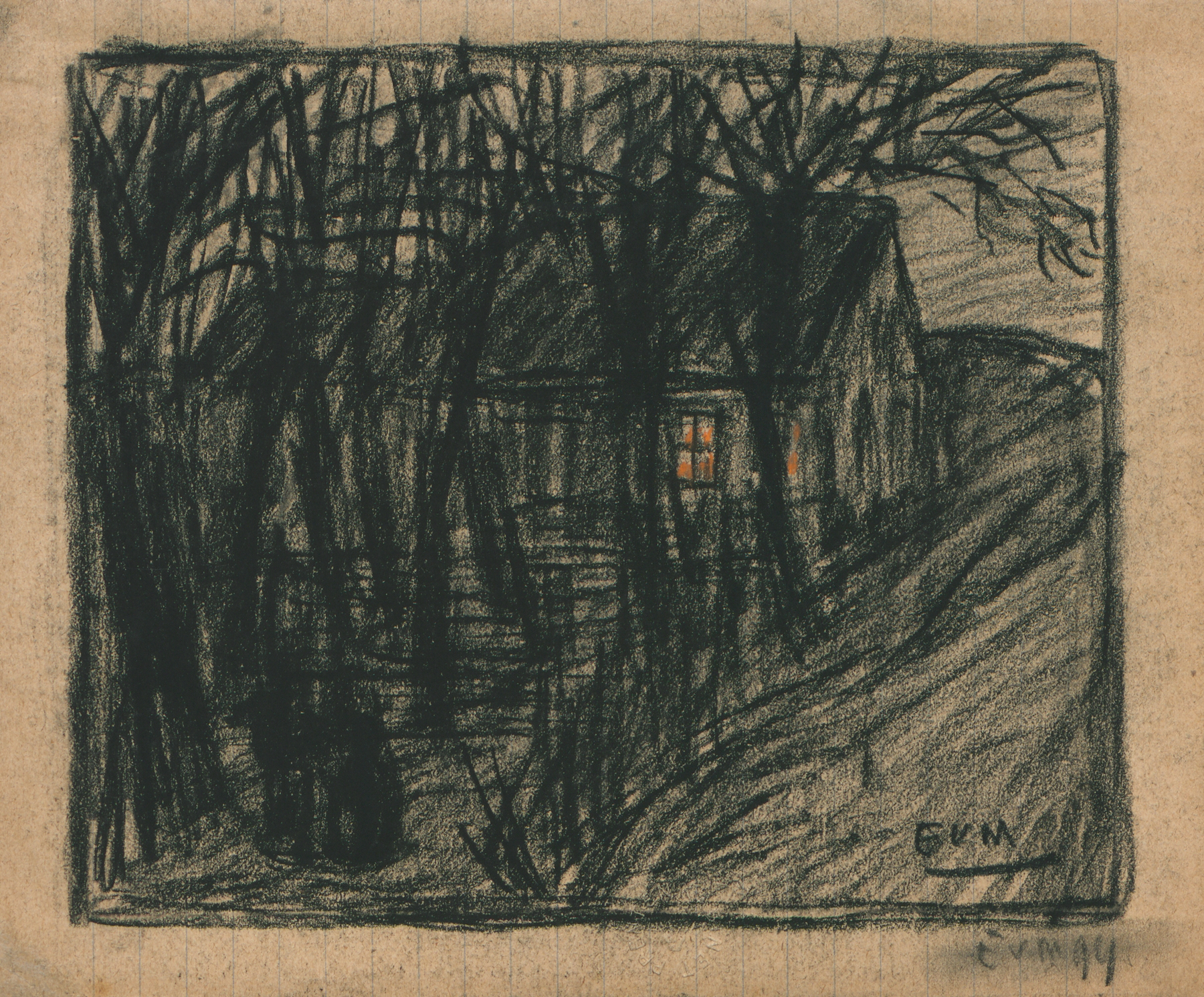
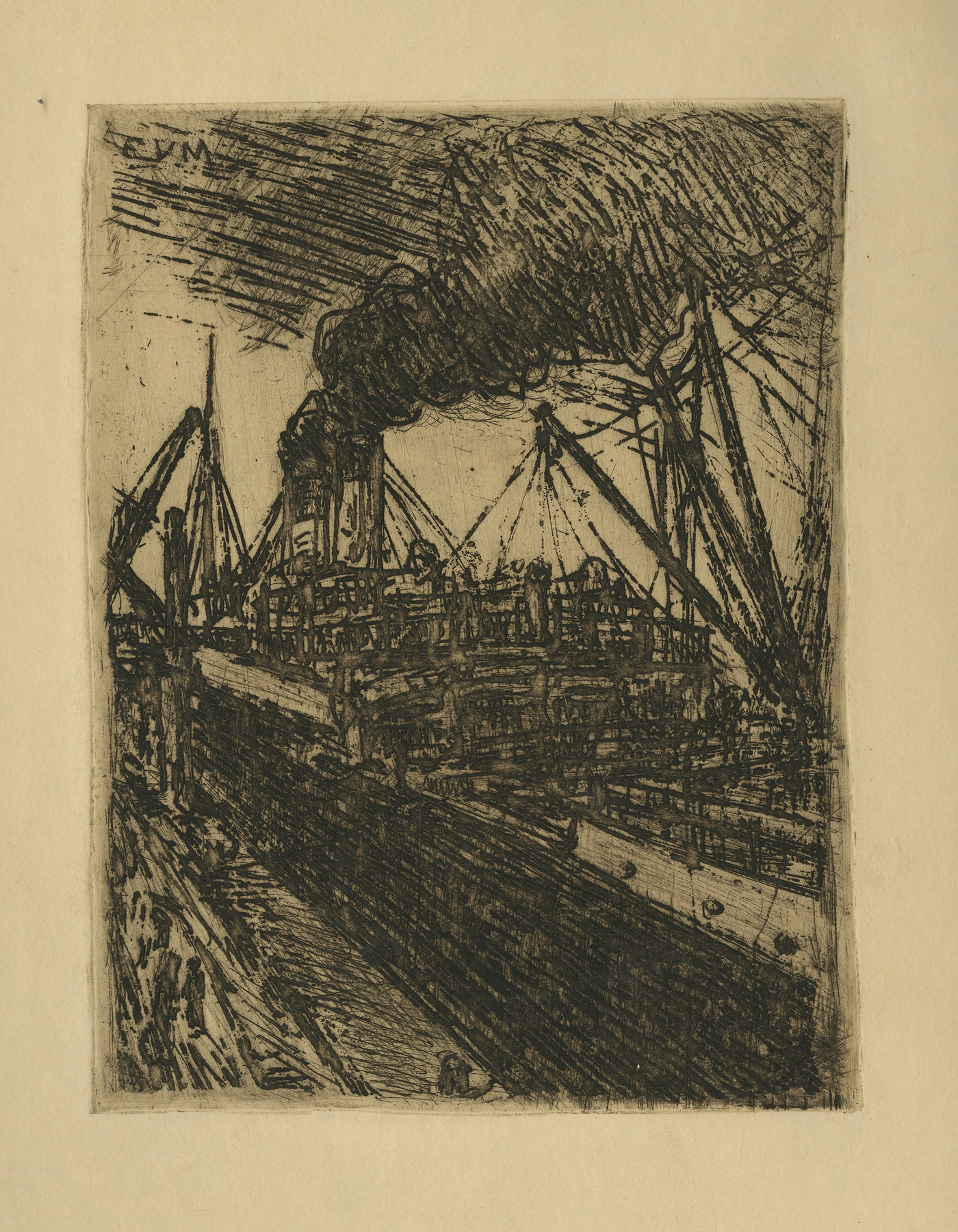
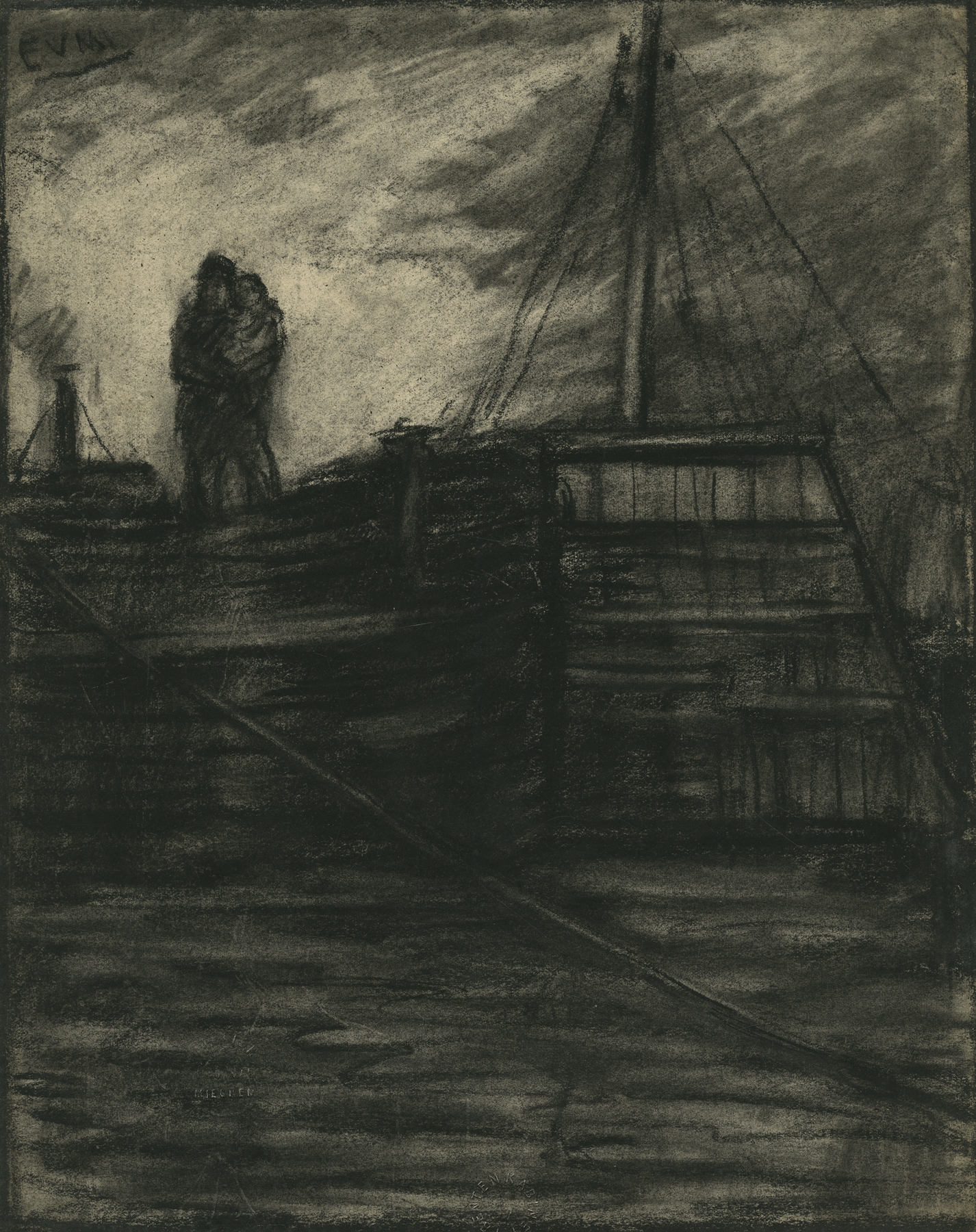
It's a reminder that in silence, we uncover the profound truths of our journeys. Eugeen Van Mieghem painted this piece during a period marked by introspection and change in the early 20th century. Living in Antwerp, he was influenced by the turbulence of the First World War and the evolving art movements of his time. This backdrop of uncertainty ignited a profound curiosity in him about the human experience, as he sought to convey not just destruction, but also the possibility of rebirth through art.