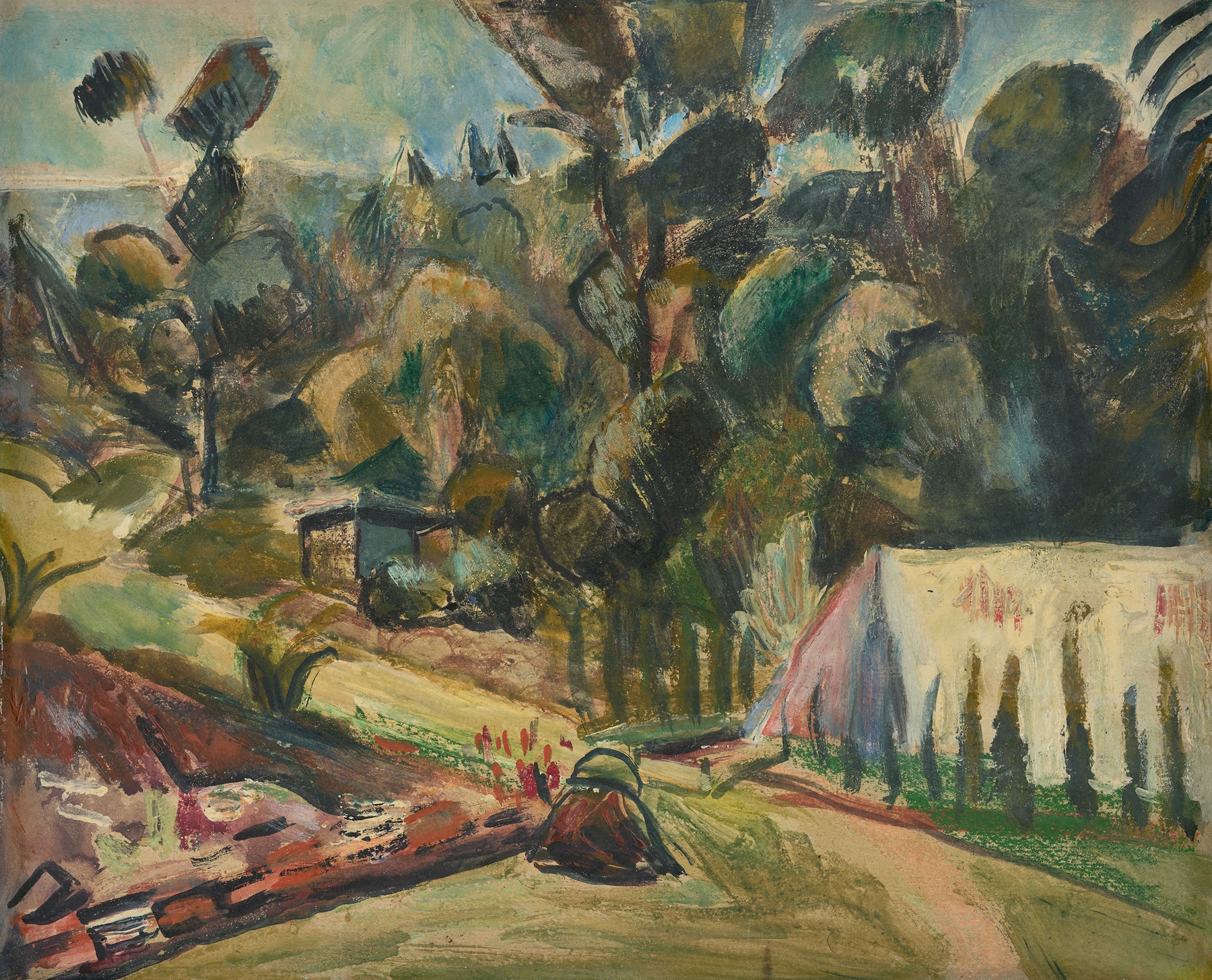
Ostend Fish Market — History & Analysis
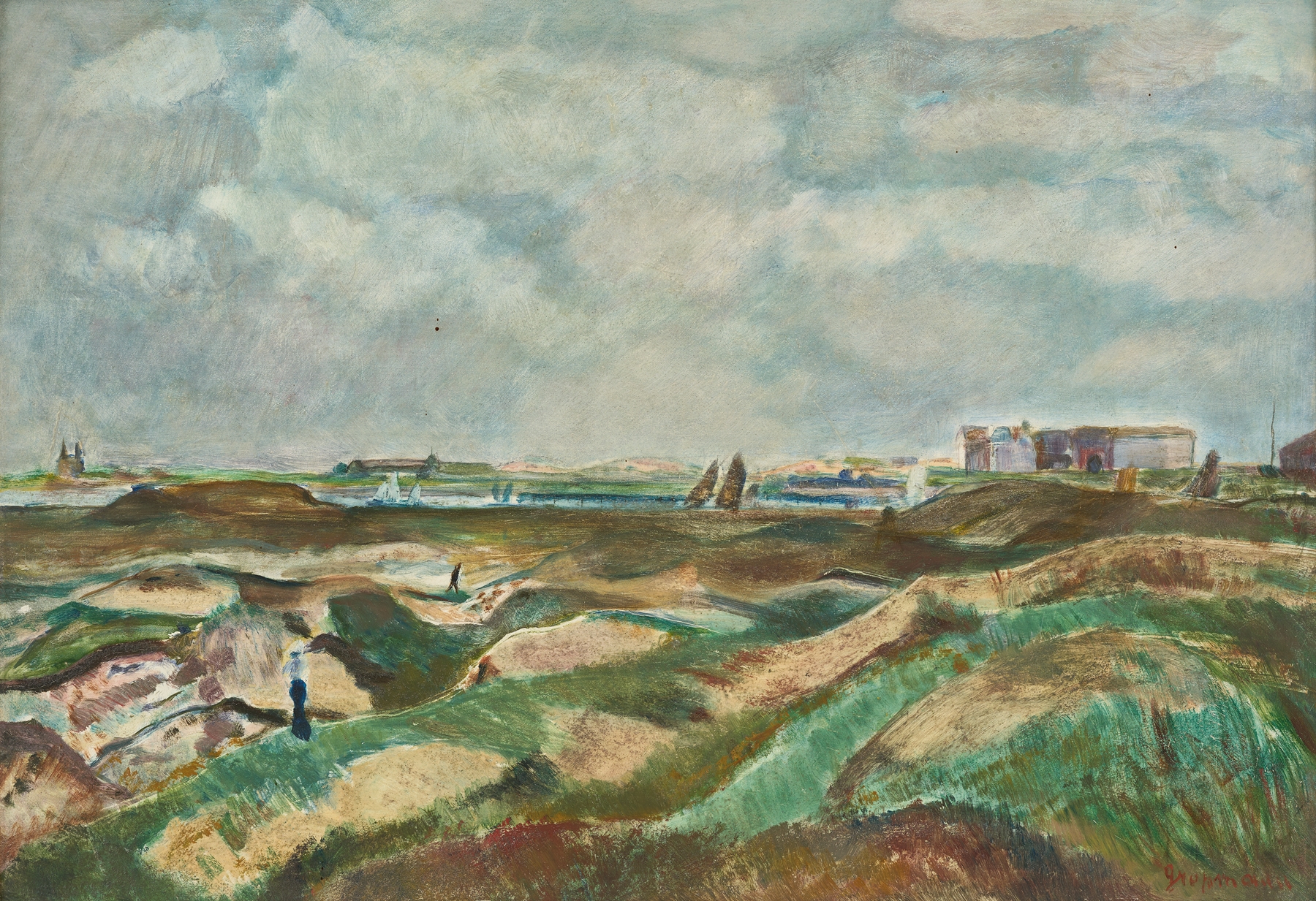
What secret hides in the quiet of the canvas? The stillness of Ostend Fish Market invites us to ponder the slow, inevitable march of decay that whispers through its vibrant colors. Look to the left at the bustling figures, their silhouettes defined against the soft, muted tones of the market. The interplay of light and shadow creates a dance, revealing the textures of fish laid out for sale, glistening yet vulnerable.
Notice how the artist captures a moment suspended in time—the glimmering scales and the weathered faces of the vendors convey both vibrancy and the passage of life, bridging an unspoken connection between the living and the lifeless. Delve deeper into the composition as you observe the contrasts between the freshness of the catch and hints of decay lurking in the corners. The juxtaposition of lively, animated figures against the backdrop of fish slowly losing their sheen serves as a poignant reminder of nature's cycle. Each brushstroke speaks to the fragility of existence and the unrelenting truth of mortality, echoing a tension between abundance and decline that resonates throughout the piece.
During the years from 1908 to 1911, Grossmann was immersed in the vibrant life of early 20th-century Europe, a period marked by both artistic innovation and social upheaval. Living in Belgium, he found inspiration in the bustling atmosphere of market life, a scene that reflected the broader changes of the time. As the world shifted toward modernity, the artist captured a world on the brink, where the vibrancy of life coexists with the inevitability of decay.