Street in Autumn — History & Analysis
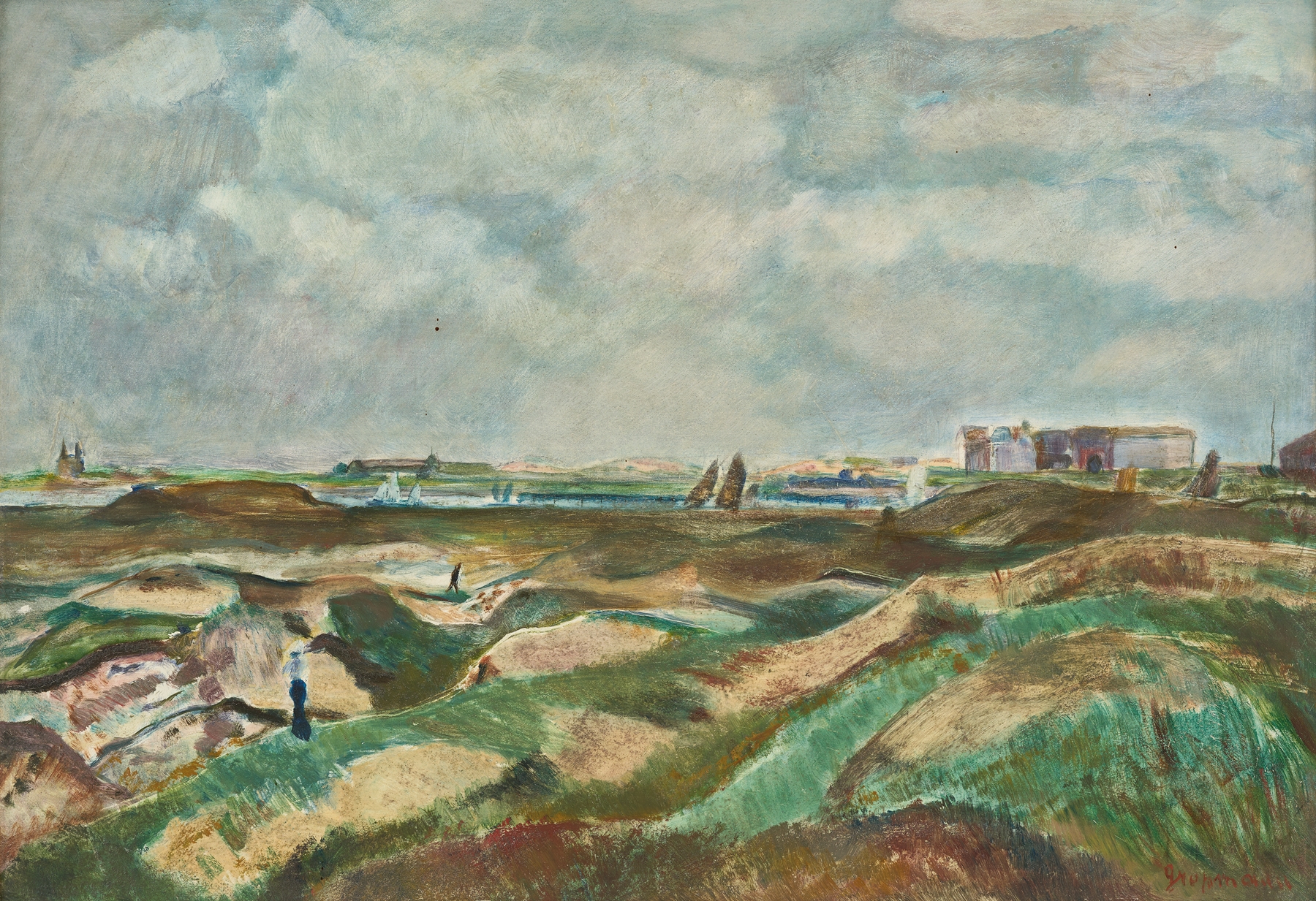
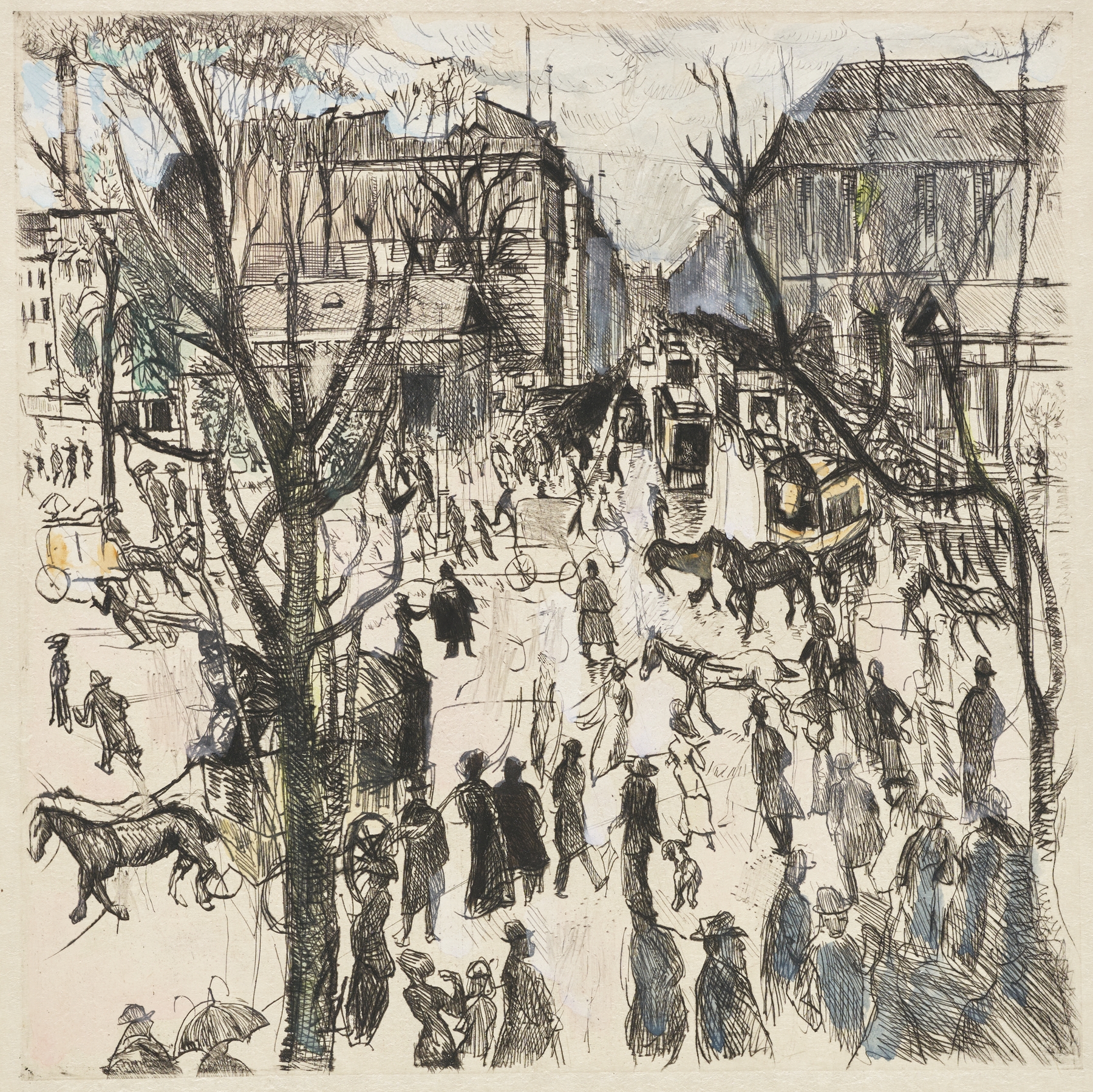
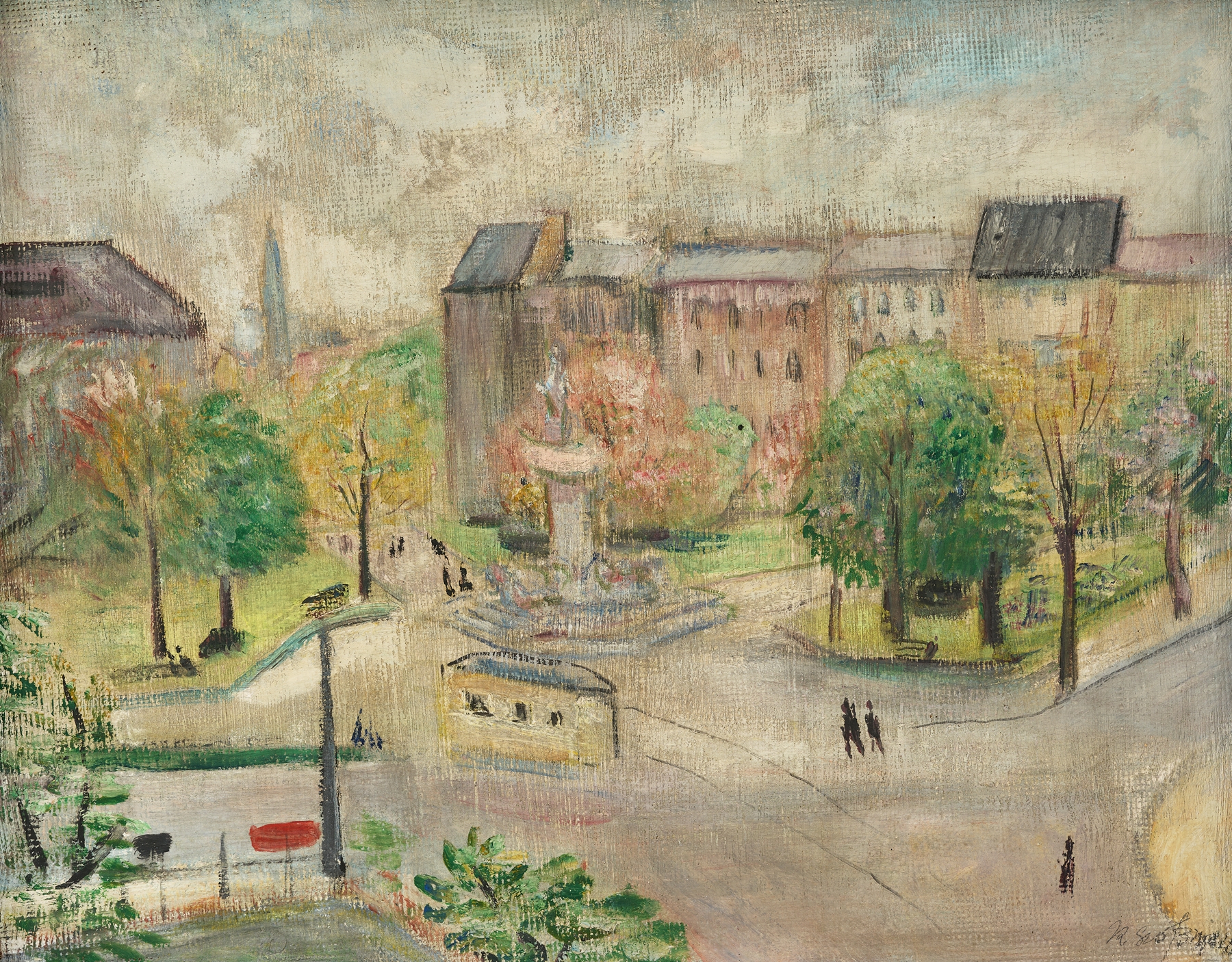
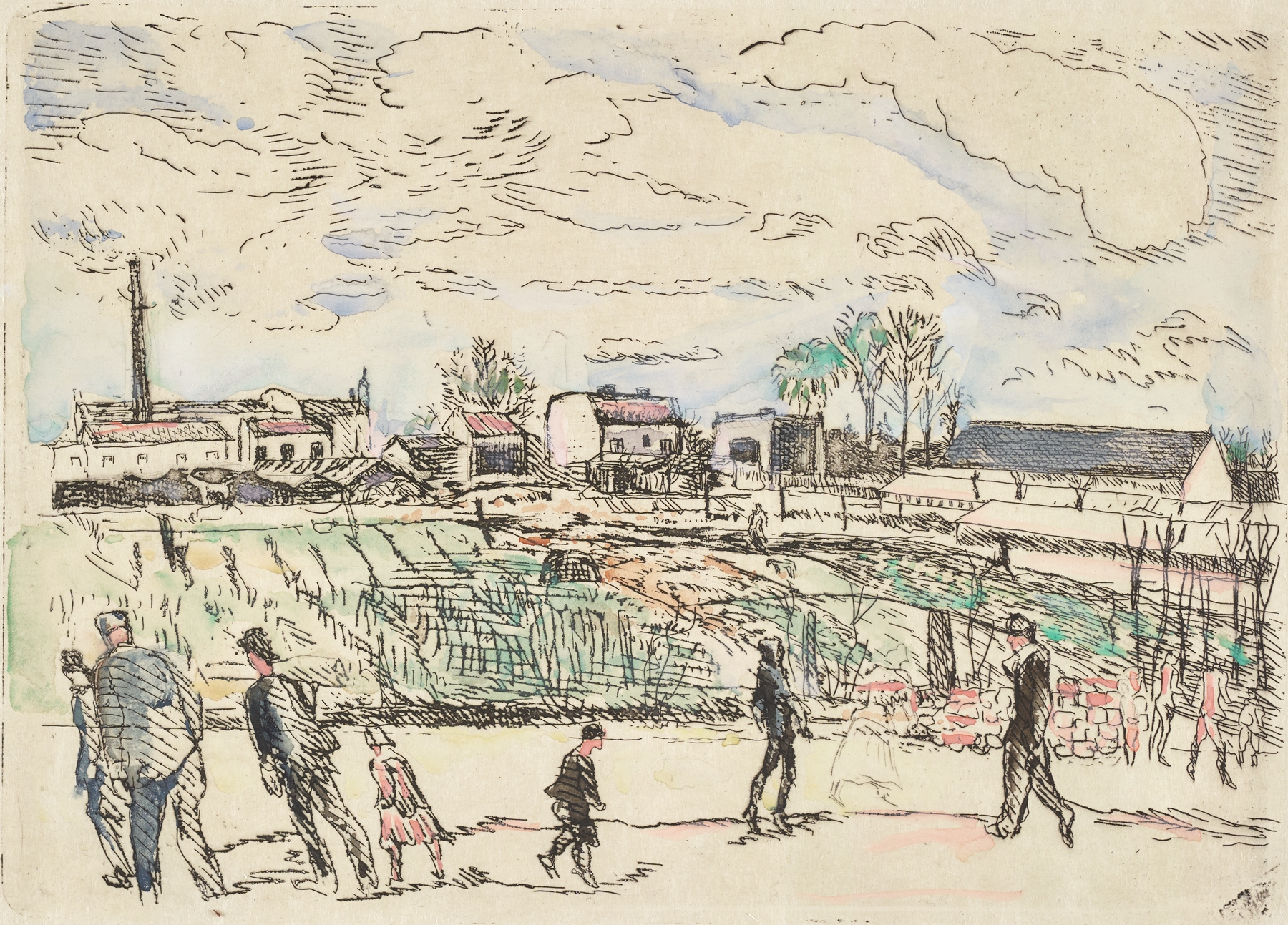
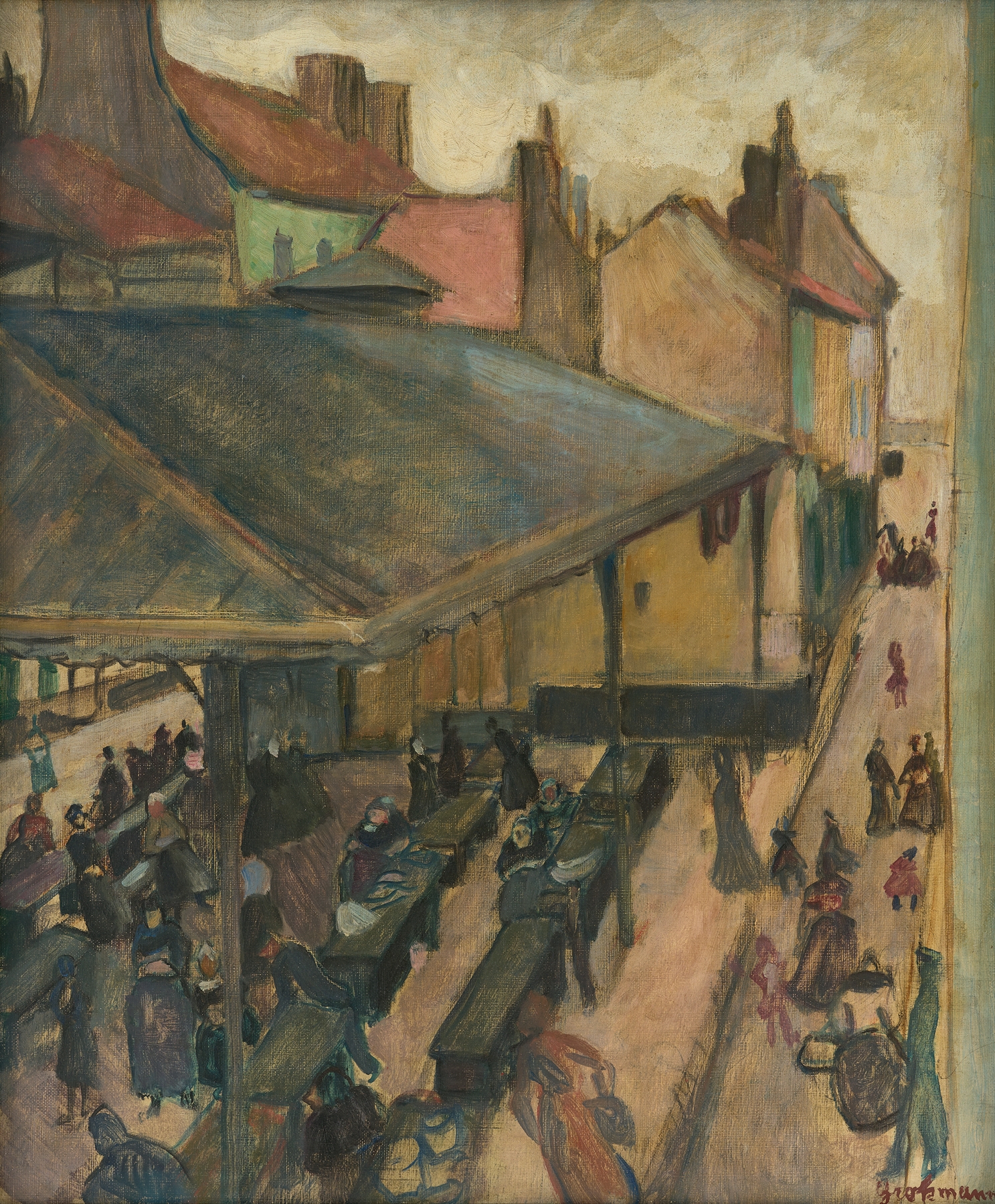
Can beauty exist without sorrow? In Street in Autumn, the question lingers like a breath of crisp air, inviting reflection on the interplay of loss and nostalgia. Look to the left at the gentle swirl of fallen leaves, their colors a blend of burnt oranges and browns, whispering the season's inevitable change. The pathway, dappled with sunlight filtering through skeletal branches, draws the eye deeper into the scene, creating a sense of movement along the cobblestones.
Those textured strokes convey a palpable sense of time, while the muted palette evokes a bittersweet melancholy that is both haunting and beautiful. The contrast between the vibrancy of the autumn foliage and the somber, shadowed buildings suggests a tension between life and decay, echoing the fragile nature of existence. Each figure passing by, seemingly lost in thought, embodies the weight of destiny that binds them to this fleeting moment. The soft light casts elongated shadows, hinting at the passage of time and the inevitability of change, imbuing the scene with poignancy that resonates on a deeper emotional level.
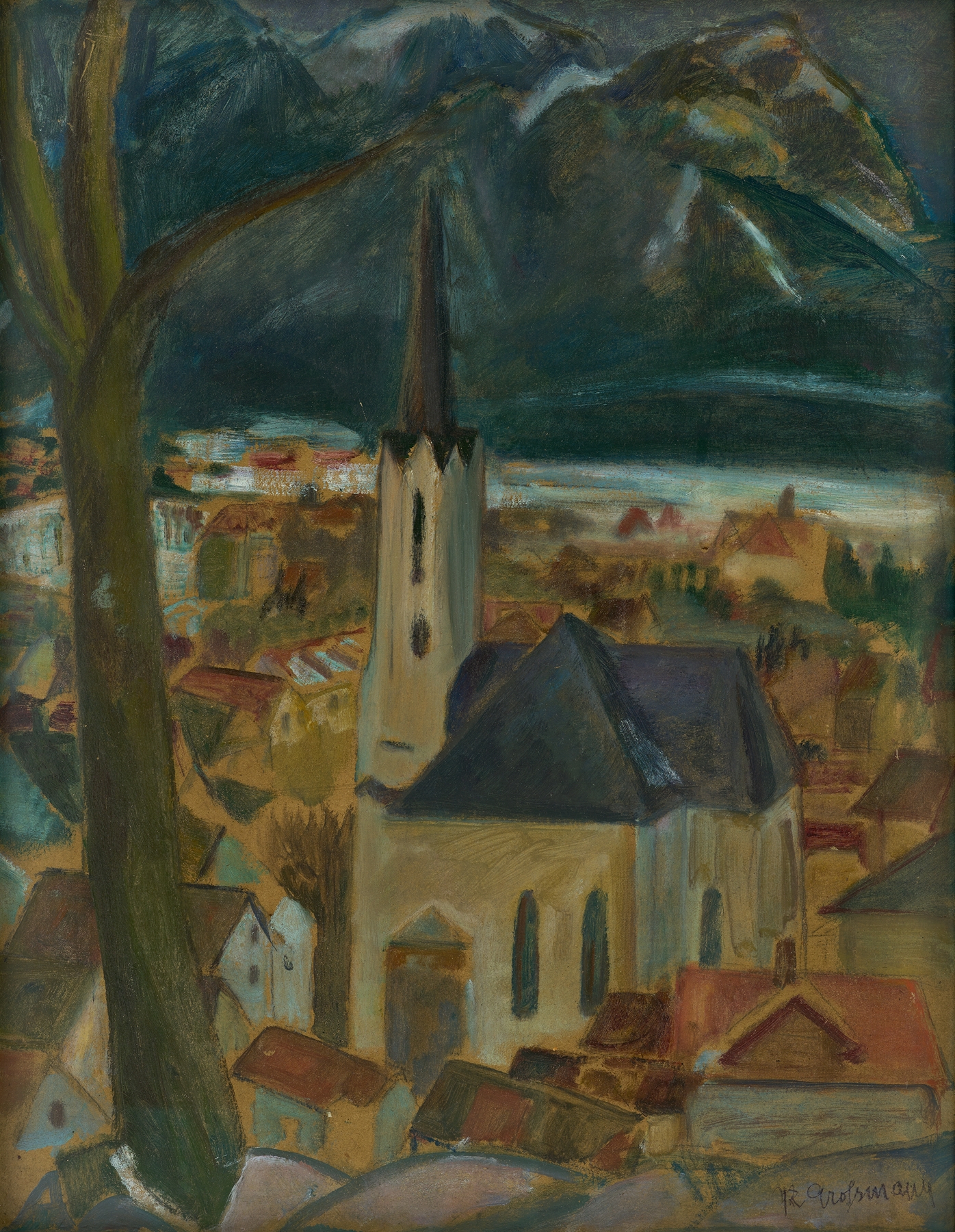
Rudolf Grossmann painted Street in Autumn in 1911, during a time when modernist movements were beginning to challenge traditional artistic conventions. Living in Vienna amidst a burgeoning cultural landscape, Grossmann was influenced by the shifting societal values and the transitory nature of life, themes that profoundly shaped his work. This painting exemplifies his ability to capture the essence of a moment, reflecting both the beauty of the present and the looming specter of personal and collective destiny.