Dorflandschaft — History & Analysis
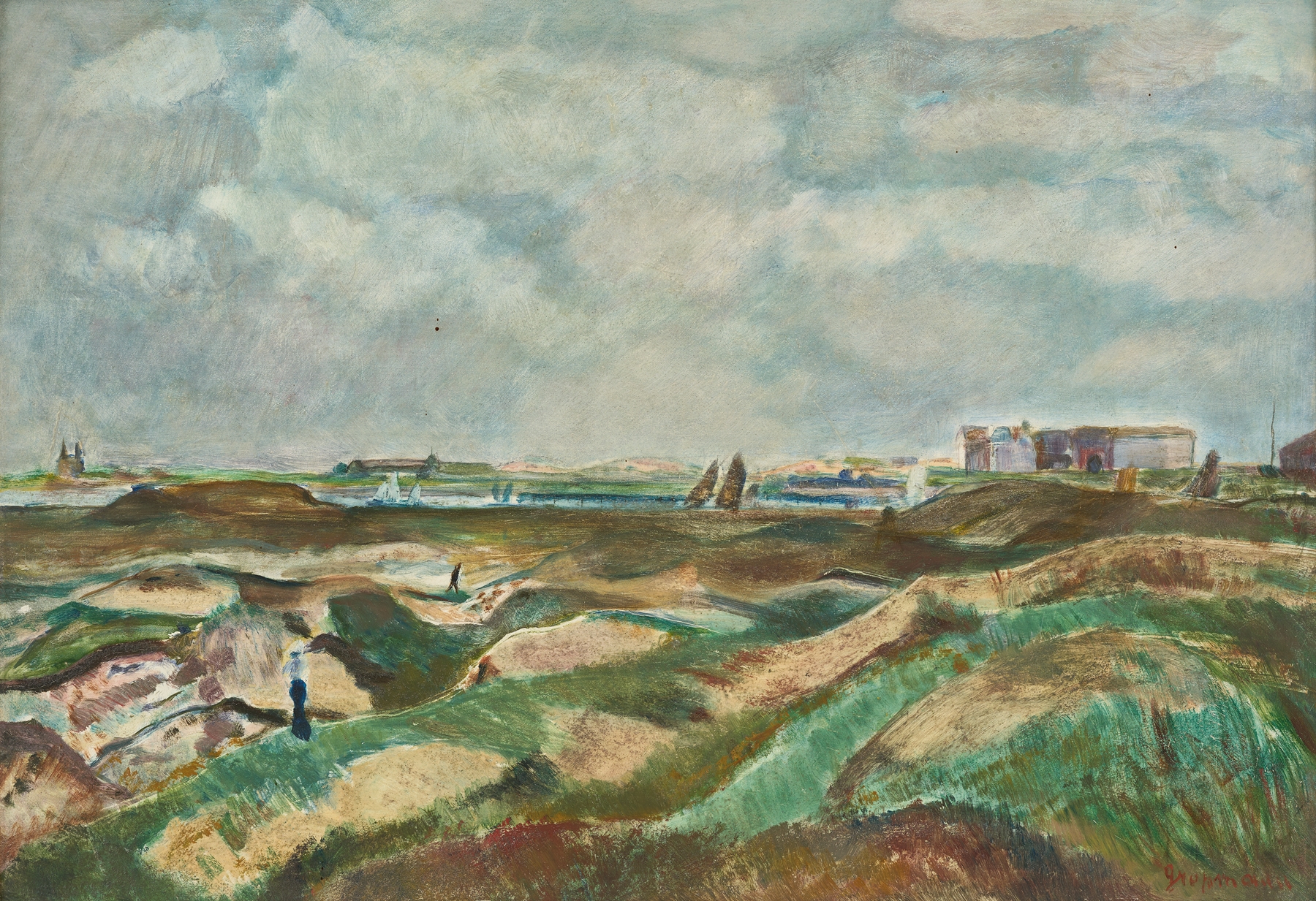
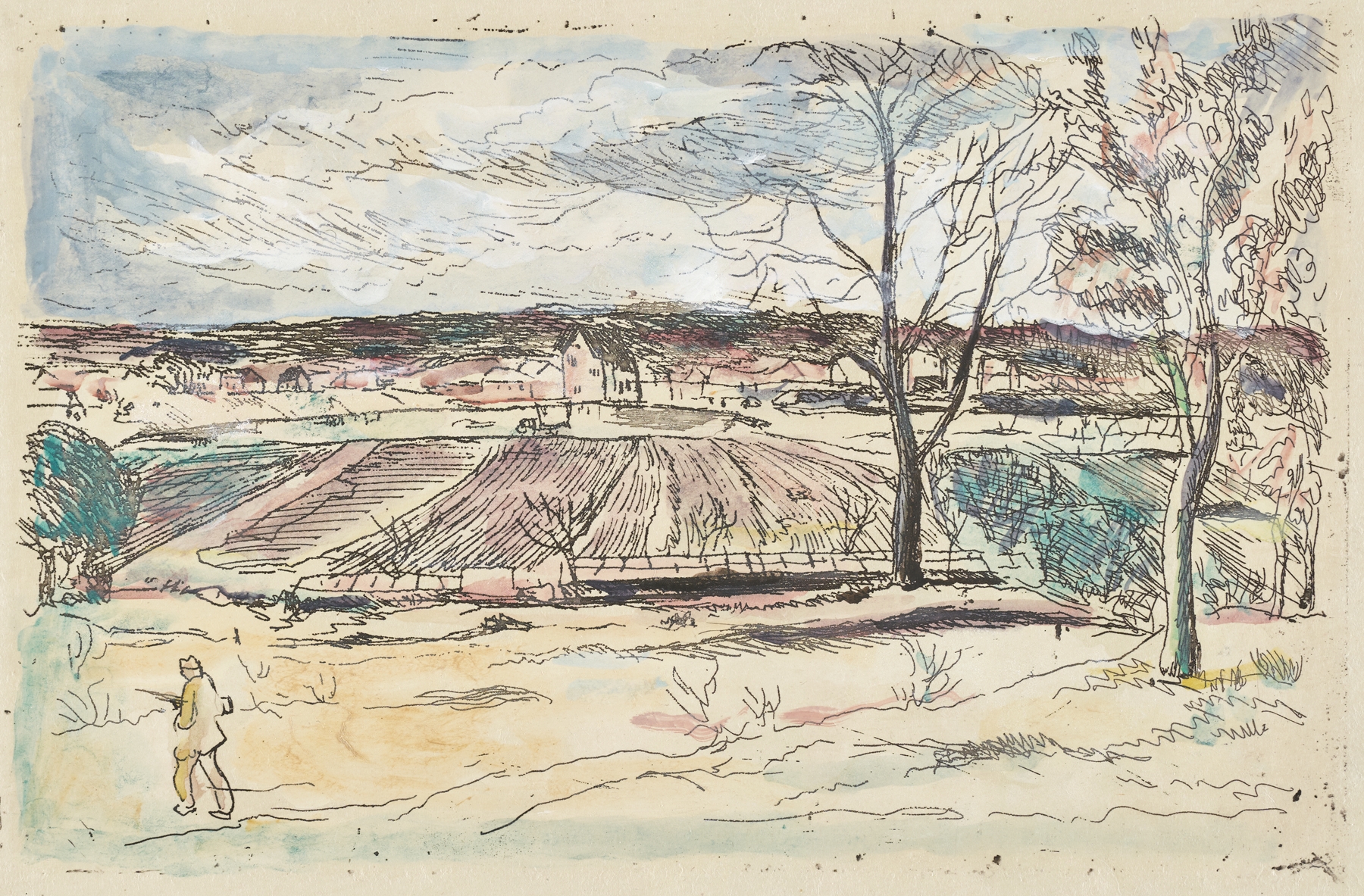
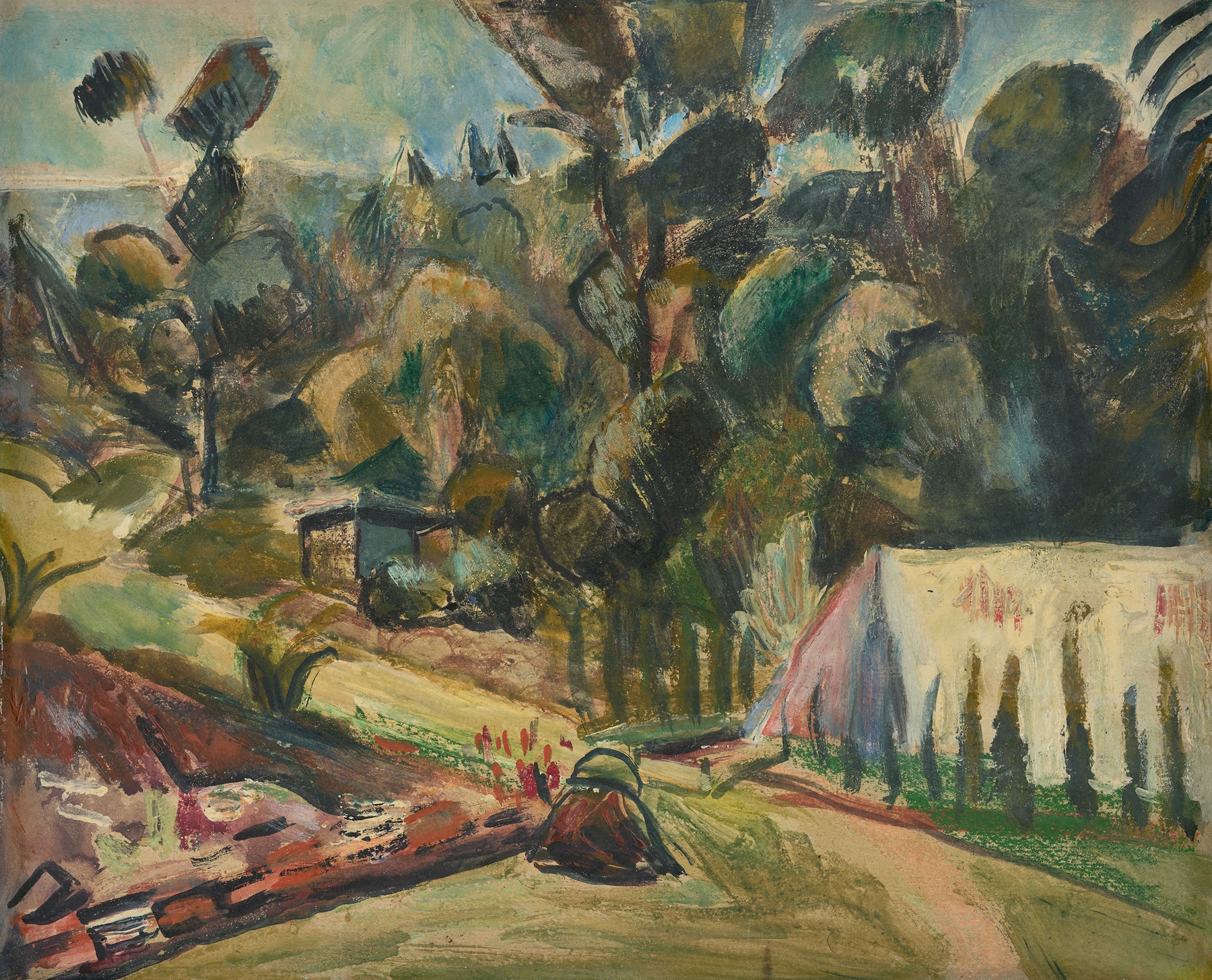
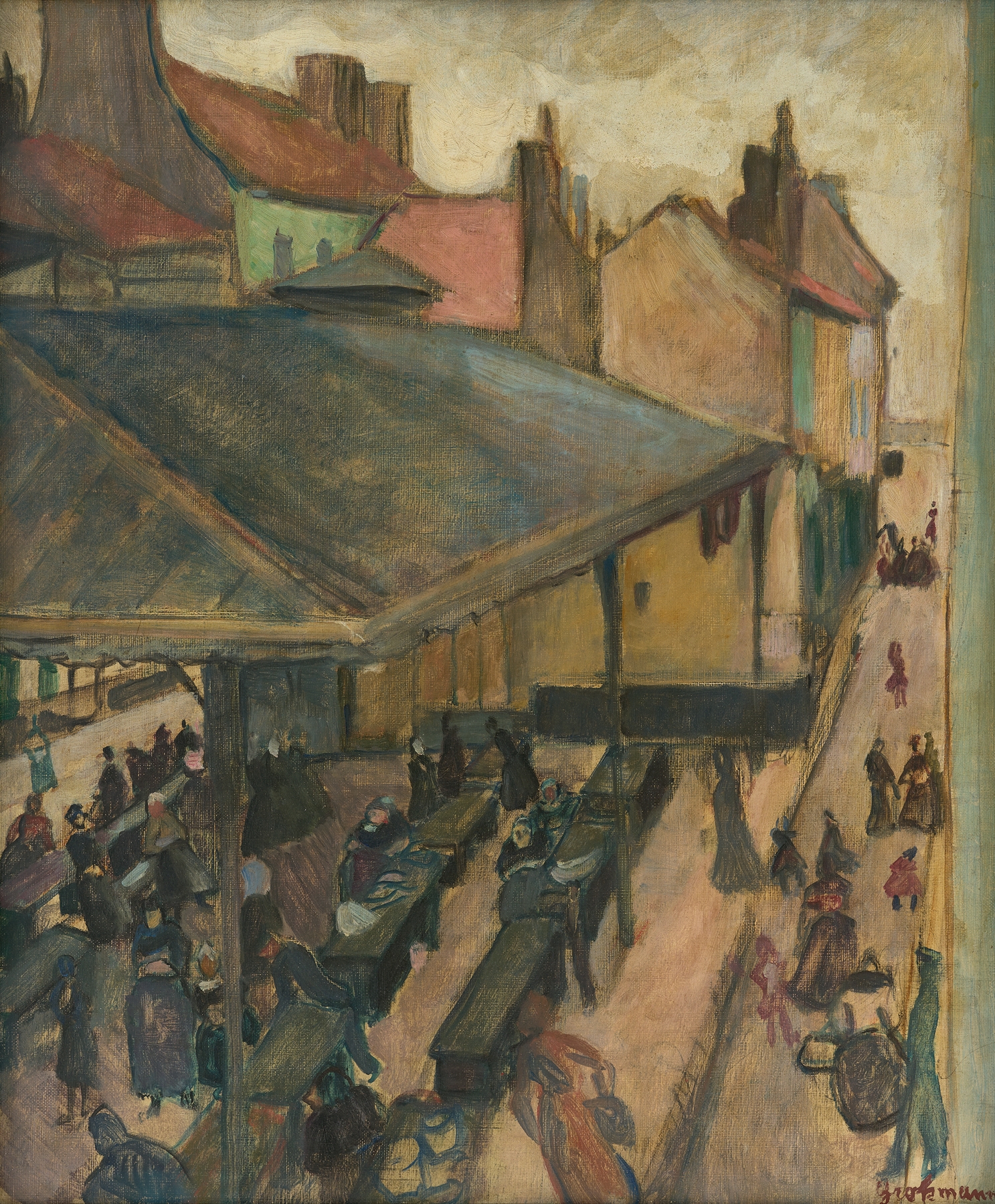
“Sometimes beauty is just pain, disguised in gold.” This notion resonates deeply within the canvases of artists who grapple with the tumult of existence, channeling their sorrows into intricate compositions. In these moments, the strokes of a brush become a vehicle for unspoken truths, inviting the viewer to witness the fragility of life enveloped in beauty. Look to the foreground of Dorflandschaft, where the vibrant greens of the fields and the soft browns of the cottages create a striking contrast. The sweeping curves of the landscape draw your eye towards the horizon, where a hidden tension simmers beneath the surface. Notice how the ochres and deep blues punctuate the sky, creating a sense of movement that seems to dance across the canvas.
The meticulous attention to detail in the brushwork, particularly around the rooftops, evokes a feeling of both tranquility and unease. Delve deeper, and you will find elements of transience woven throughout the scene. The way the light caresses the landscape suggests fleeting moments, reminiscent of life’s ephemeral nature. The cottages stand resolute amid an expansive vista, juxtaposing stability with the whispers of change brought about by the winds of modernity.
This duality captures the essence of a world on the brink of transformation, hinting at a collective anxiety stirred by the rapid shifts of the early twentieth century. In 1912, Grossmann painted Dorflandschaft during a period of personal reflection and societal upheaval. Living in Germany, he witnessed the rise of new artistic movements that challenged conventional boundaries, embracing expressionism and abstraction. Amid the shifting artistic landscape, he sought to capture the delicate balance of beauty and complexity in rural life, offering a glimpse into a world that was both familiar and intricately fraught with emotional depth.