Potsdamer Platz — History & Analysis
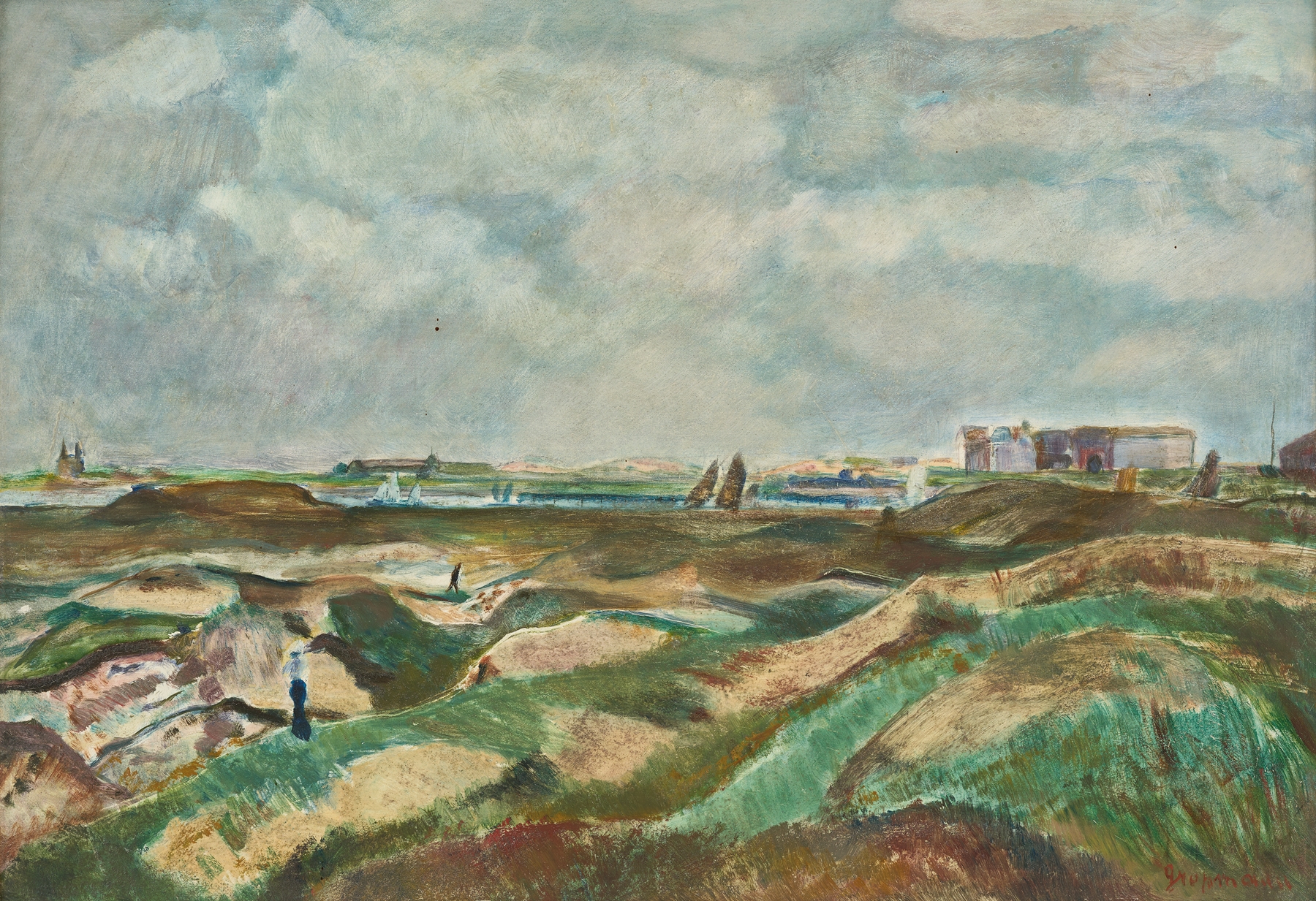
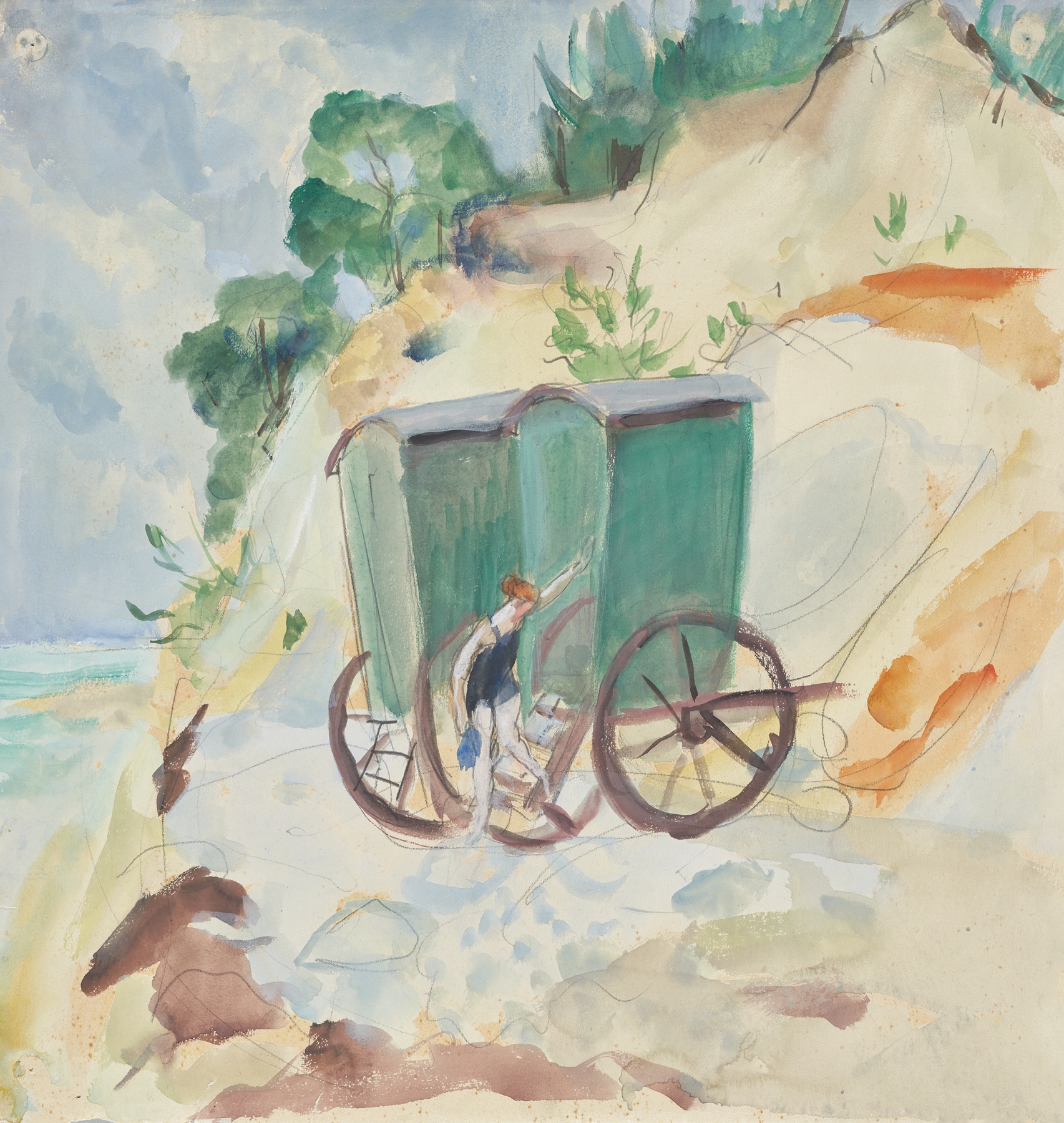
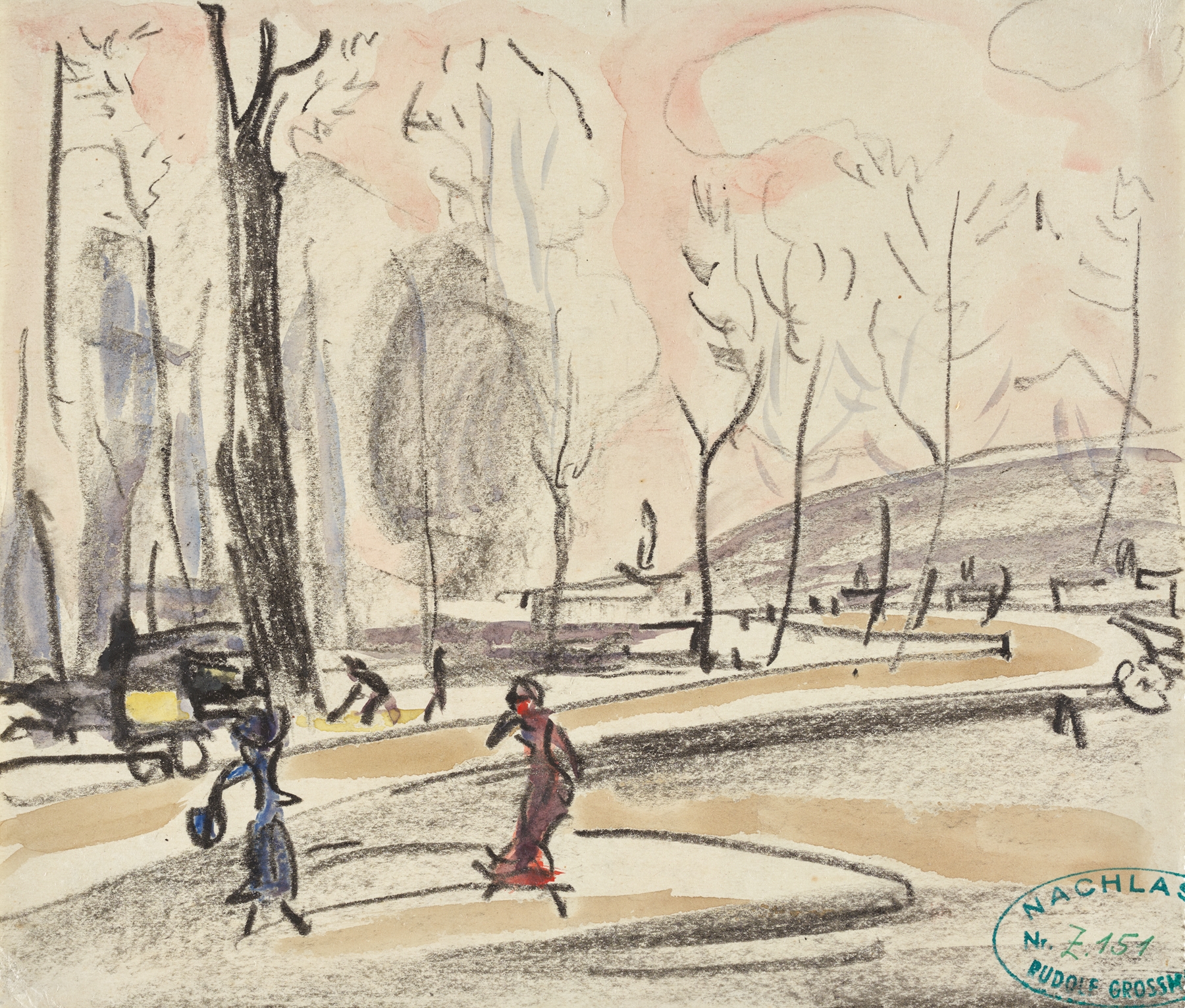
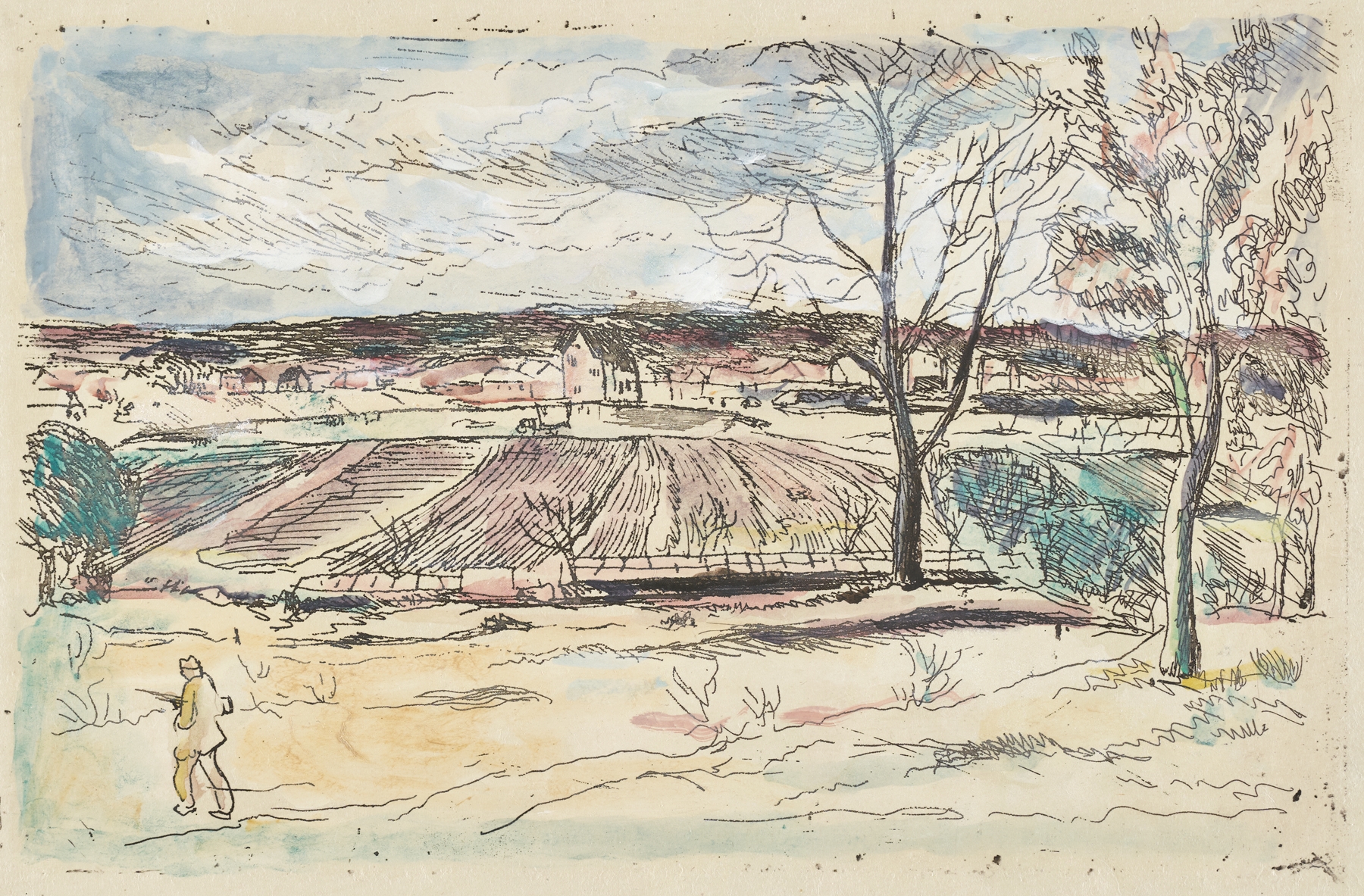
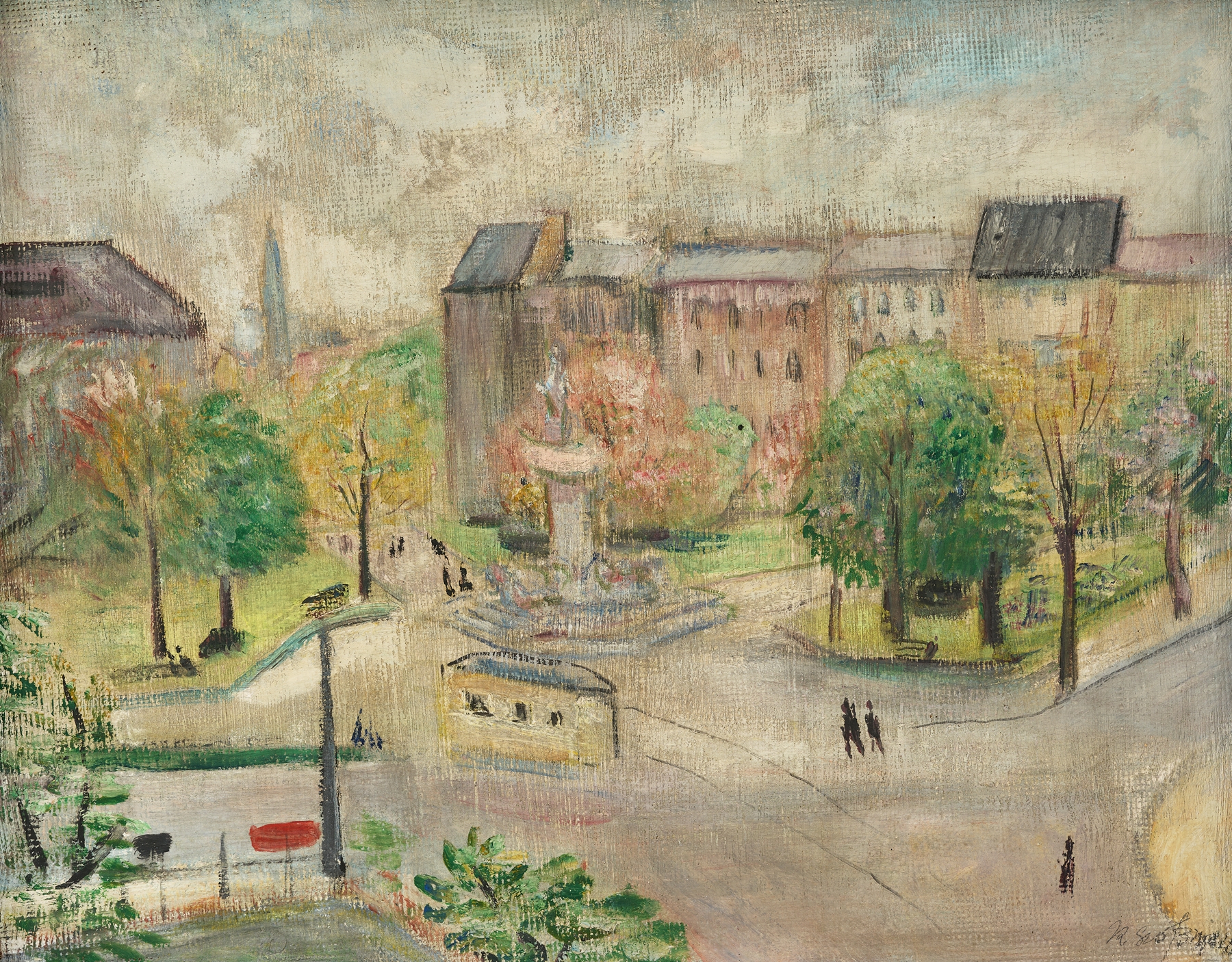
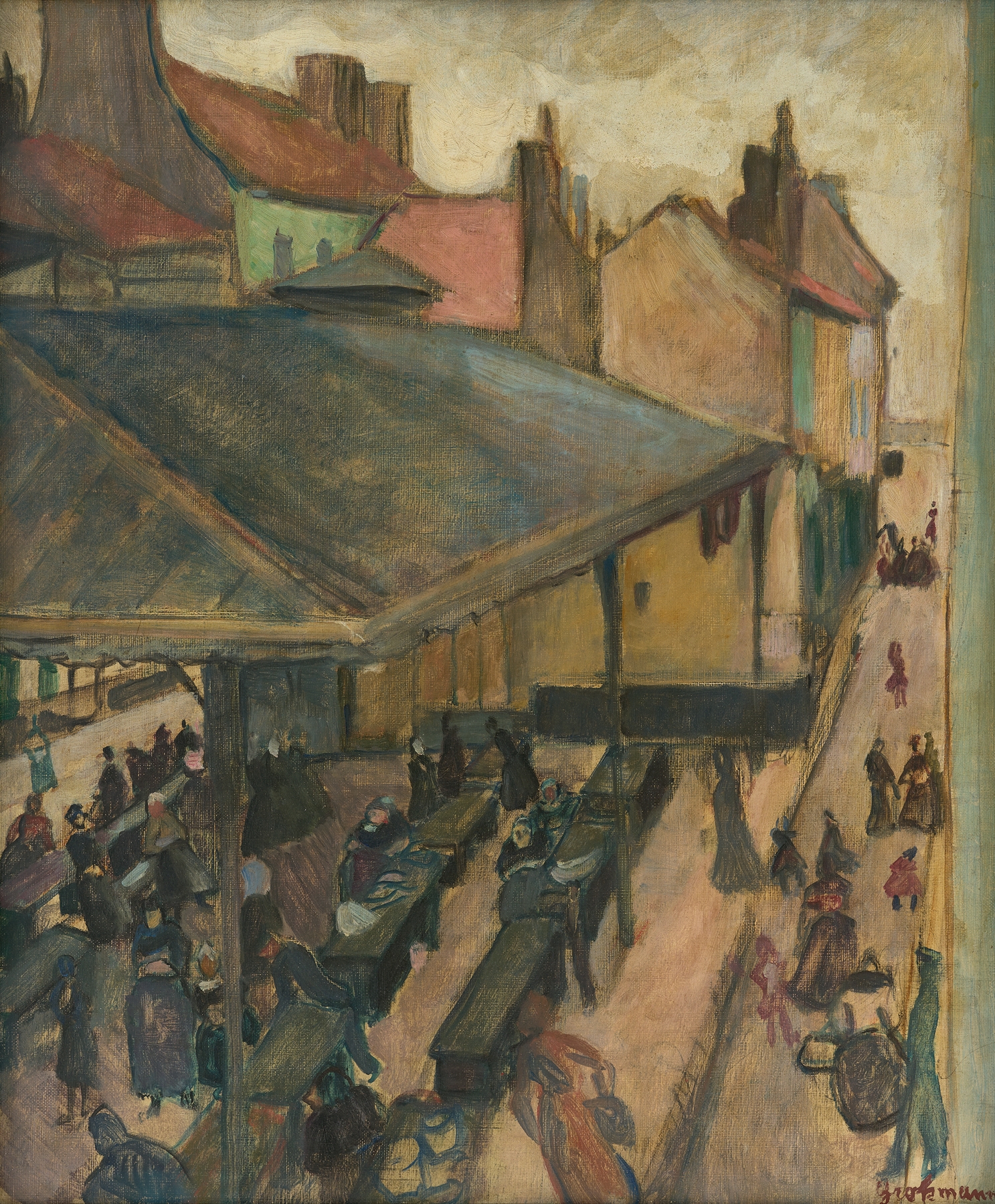
Can beauty exist without sorrow? In Potsdamer Platz, Rudolf Grossmann captures a moment infused with both vibrancy and an unsettling void, questioning the very essence of urban existence in early 20th-century Berlin. Focus your gaze on the center where the bustling figures move purposefully, their forms blurred yet dynamic—a reflection of modern life’s relentless pace. Notice the stark contrast of light and shadow, illuminating the facades of the buildings that tower above like guardians of time.
The color palette is a blend of muted hues and bold strokes, encapsulating the tension between hope and despair in the city’s heart. Delve deeper into the painting’s intricate details, where small gestures reveal profound narratives. The hurried expressions of the pedestrians convey a collective urgency, yet their disconnected postures whisper of isolation amidst the crowd. The looming architecture, both magnificent and oppressive, serves as a silent witness to the emotional turmoil of a world caught between progress and loss, evoking the hollow void felt within the vibrant chaos.
Grossmann painted this work between 1912 and 1914, during a time of significant transformation in Berlin. The city was a burgeoning center of art and culture but also teetering on the brink of historical upheaval. As an artist striving to capture the essence of modernity, he reflected not only the beauty of urban life but also the underlying anxieties of a society on the cusp of monumental change.