Berliner-Vorstadt Machnow — History & Analysis
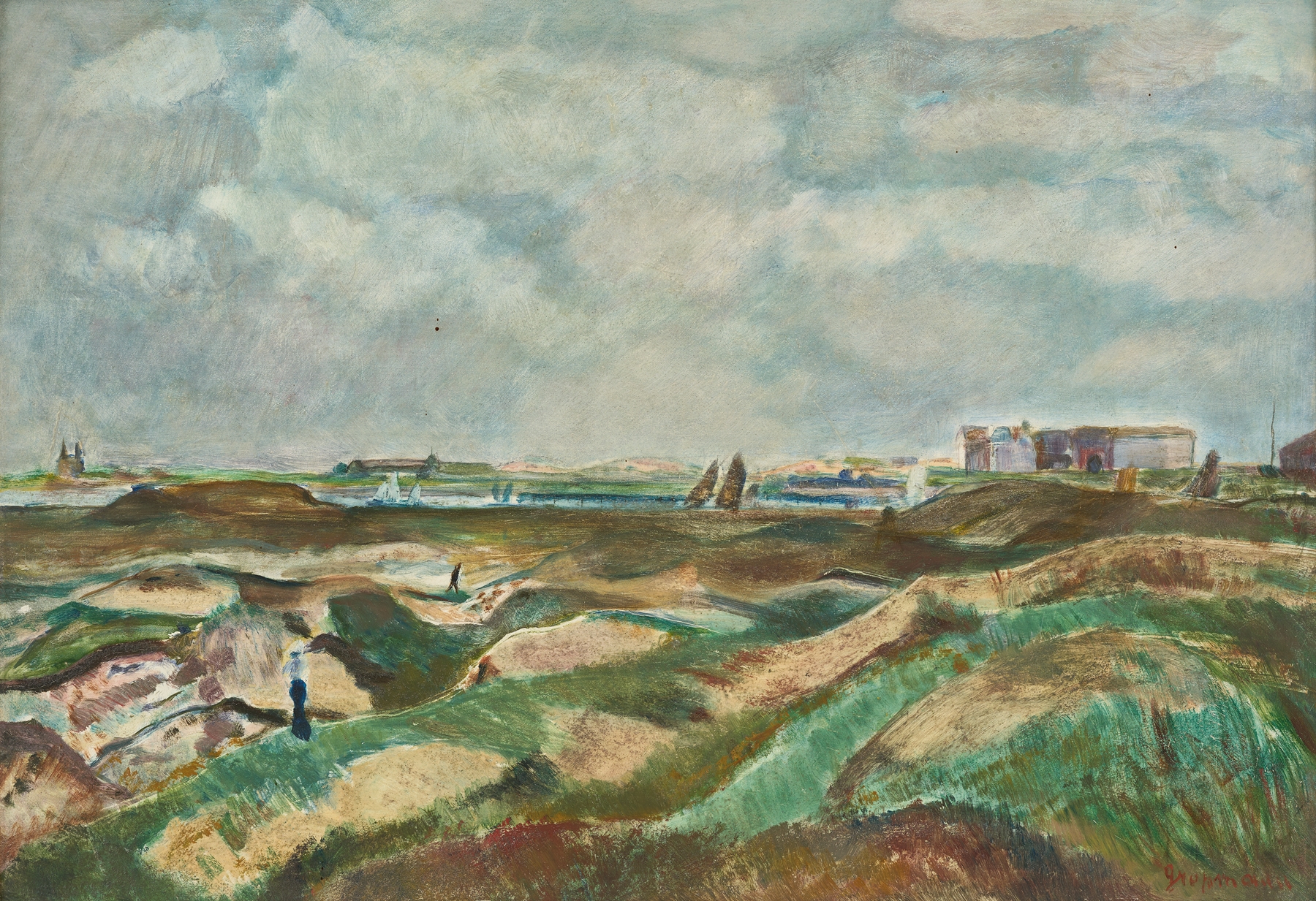
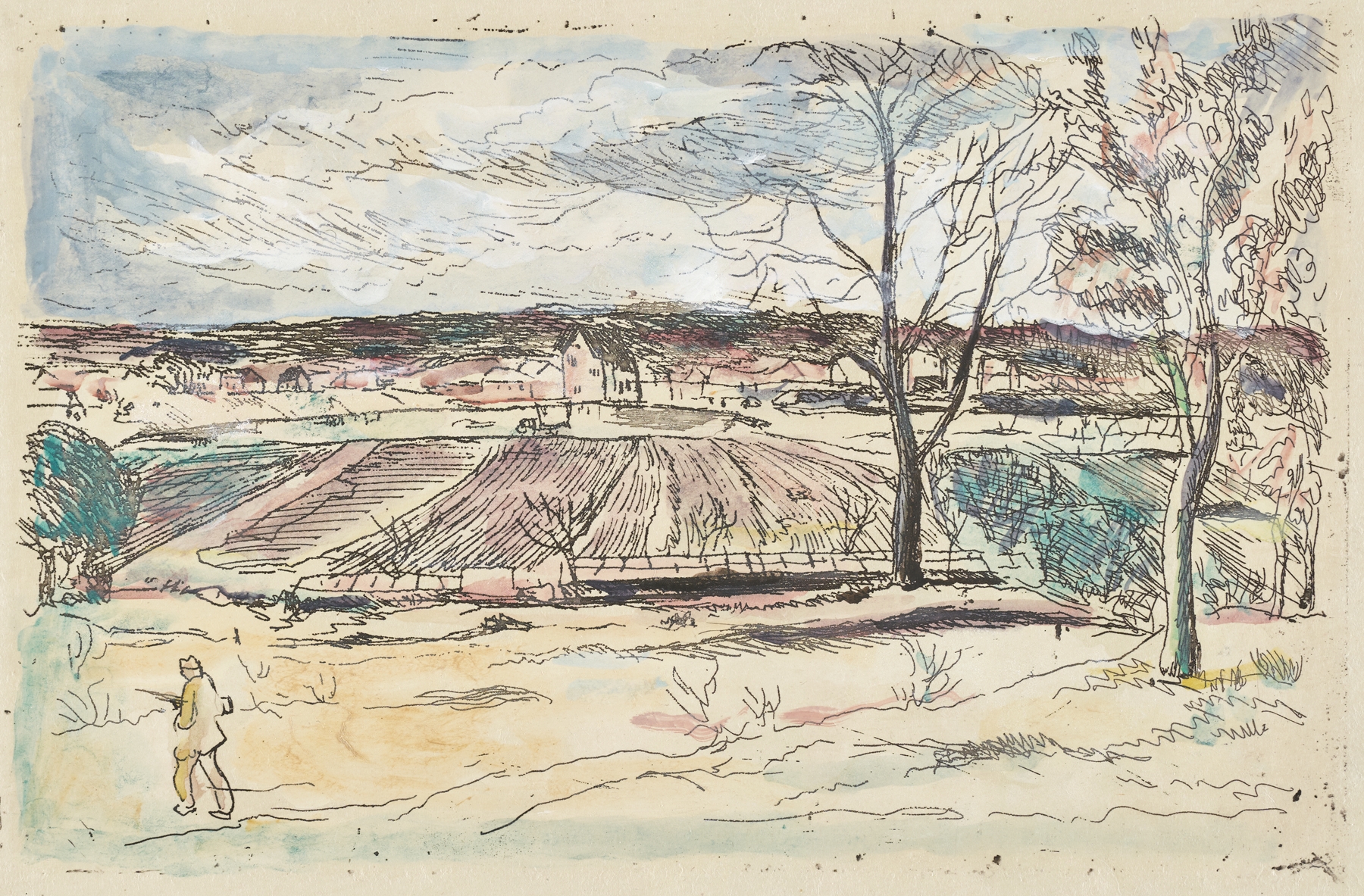
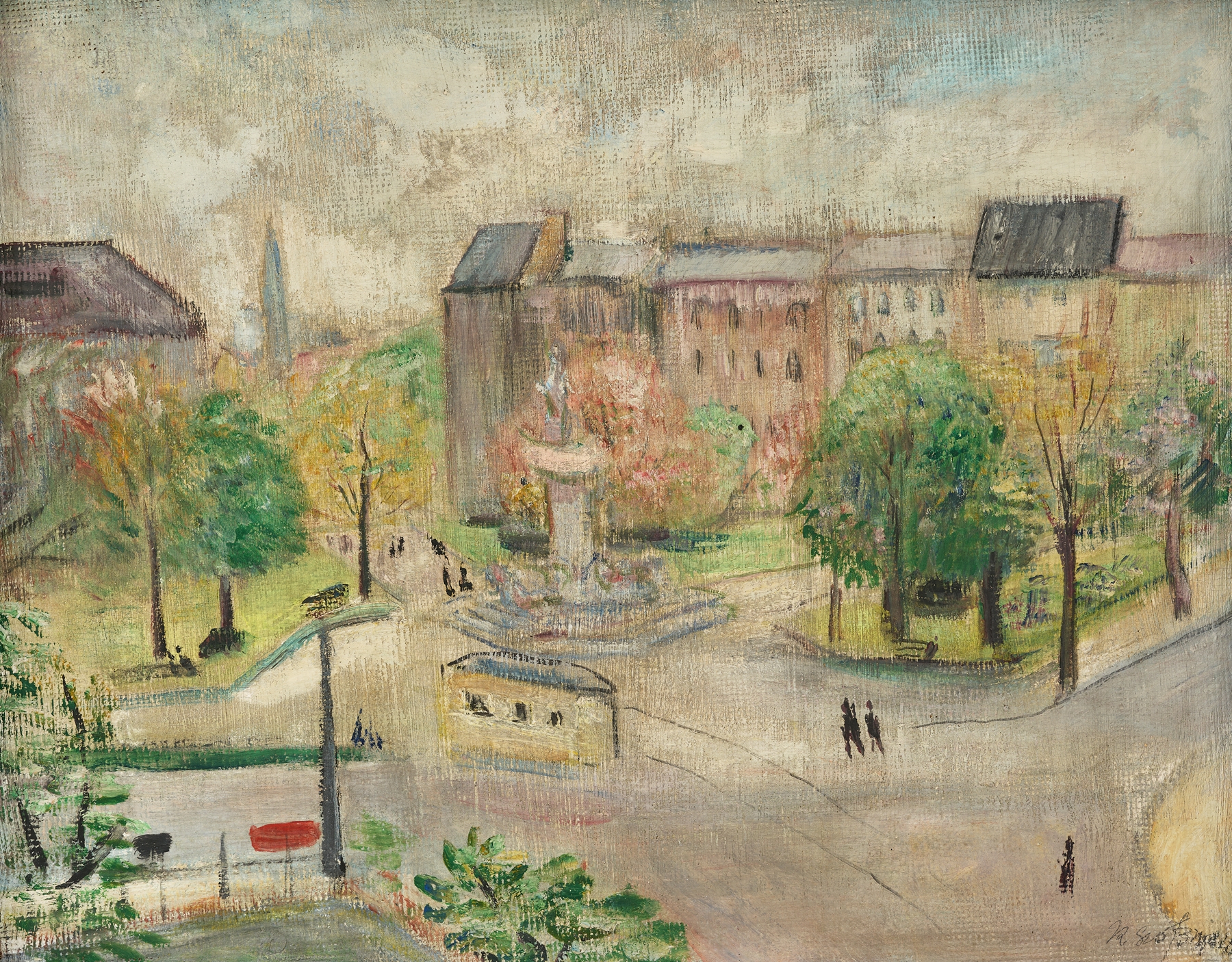
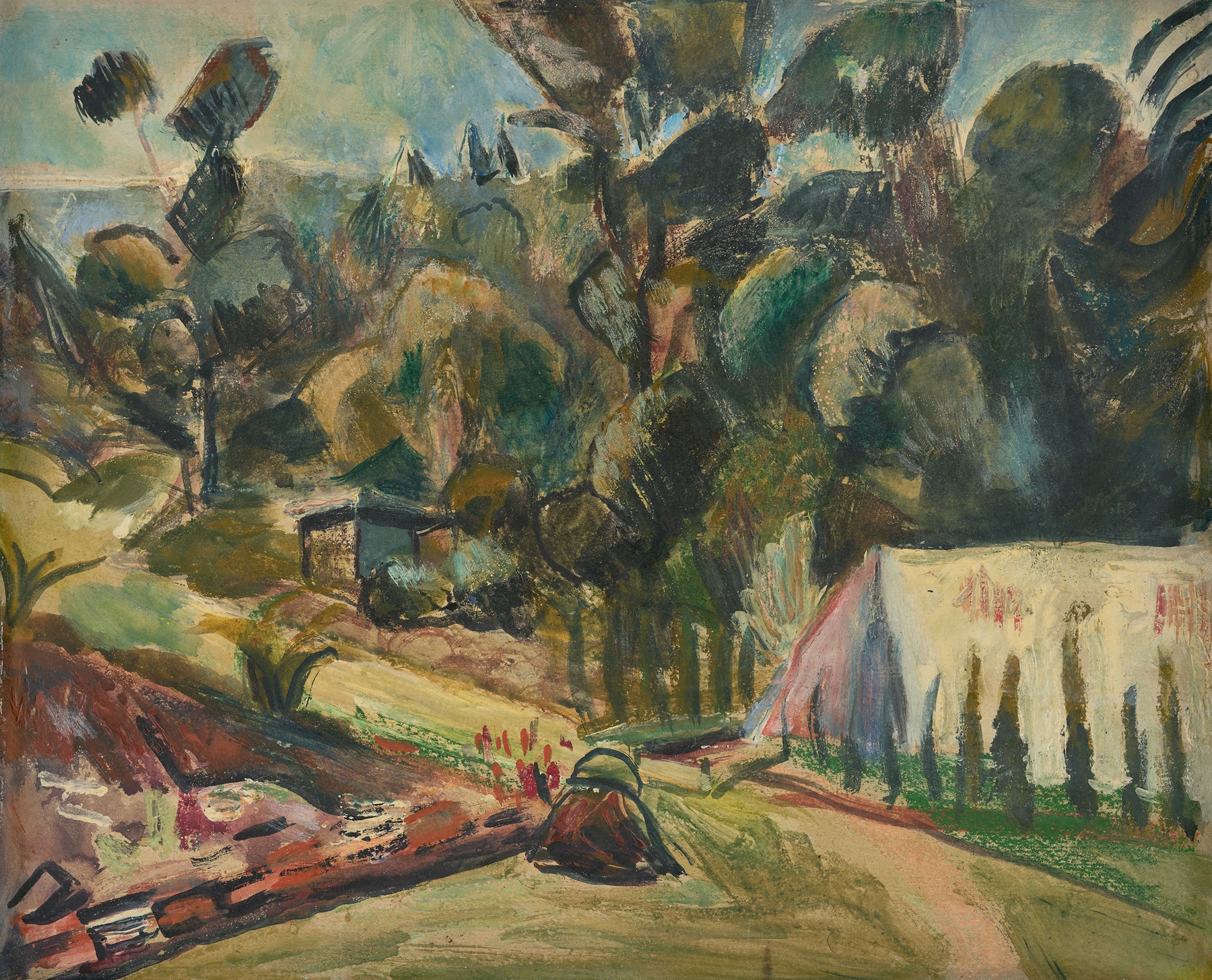
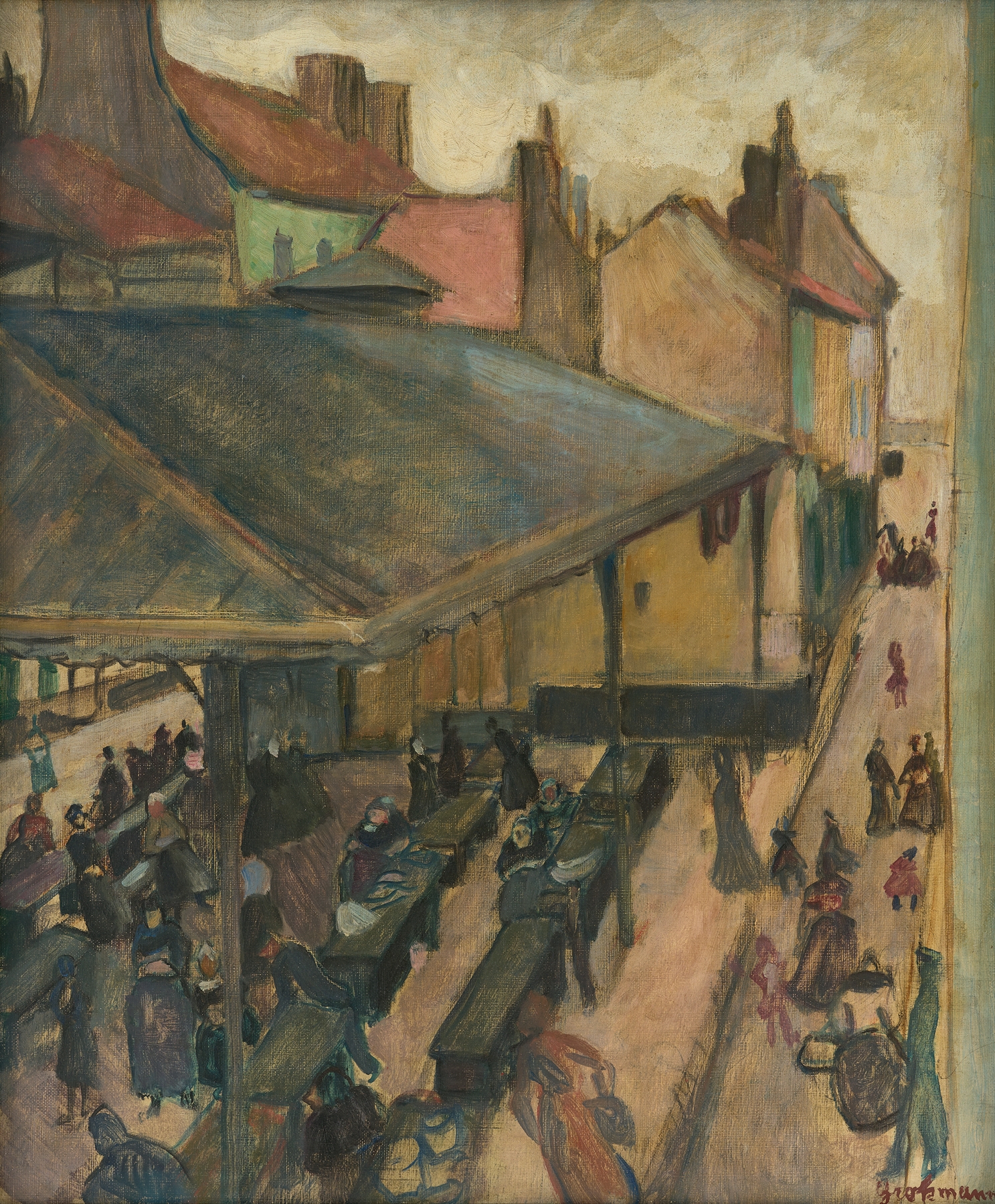
Is this a mirror — or a memory? In the interplay of light and shadow, Berliner-Vorstadt Machnow invites us to ponder the nature of transformation, both personal and societal. Look to the left at the elongated figures gliding along the canal's edge, their reflections rippling in the water. The composition is a harmonious blend of muted earth tones and striking splashes of color, guiding our gaze through the intricate relationship between the figures and their environment.
Notice how the vibrant blues and greens of nature contrast with the more subdued palette of the architectural elements, suggesting a tension between urban life and the tranquility of the natural world. Delve deeper, and you will find whispers of stories within the details. The figures, caught in motion yet eerily still, evoke a sense of ambivalence — are they moving toward a future or lingering in the past? The juxtaposition of their vibrant silhouettes against the tranquil waters hints at the transformation of society during the early 20th century, a moment poised between tradition and modernity.
Each brushstroke carries the weight of an era in flux, reflecting both optimism and uncertainty. Rudolf Grossmann created this evocative piece between 1910 and 1914, during a time of significant change in Germany. As the world teetered on the brink of World War I, the artist explored the complexities of urbanization and the human experience. Living and working in Berlin, Grossmann was deeply influenced by the shifting socio-political landscape, and Berliner-Vorstadt Machnow encapsulates the essence of that transformative period through its poignant imagery.