Oude man met baard — History & Analysis
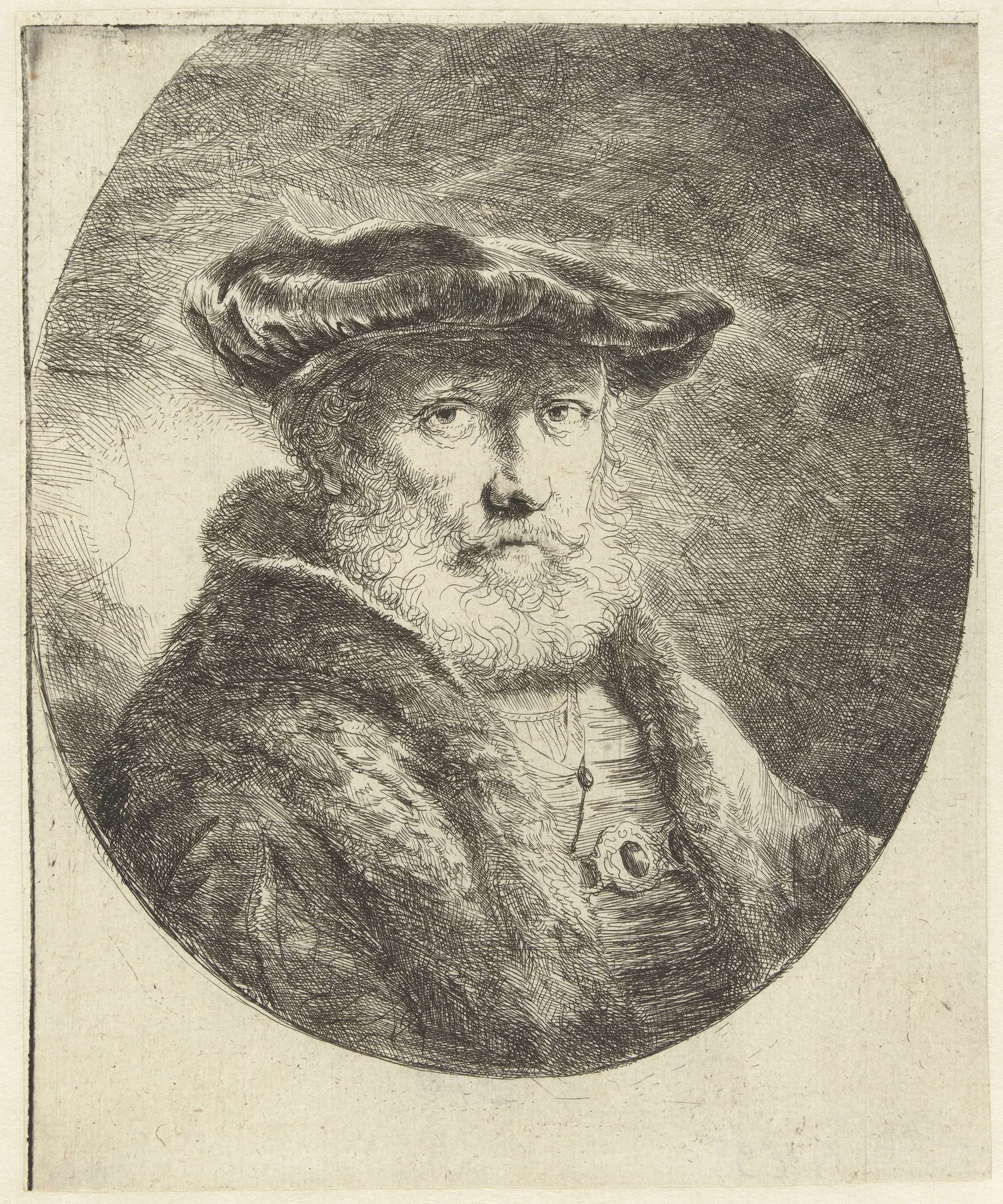
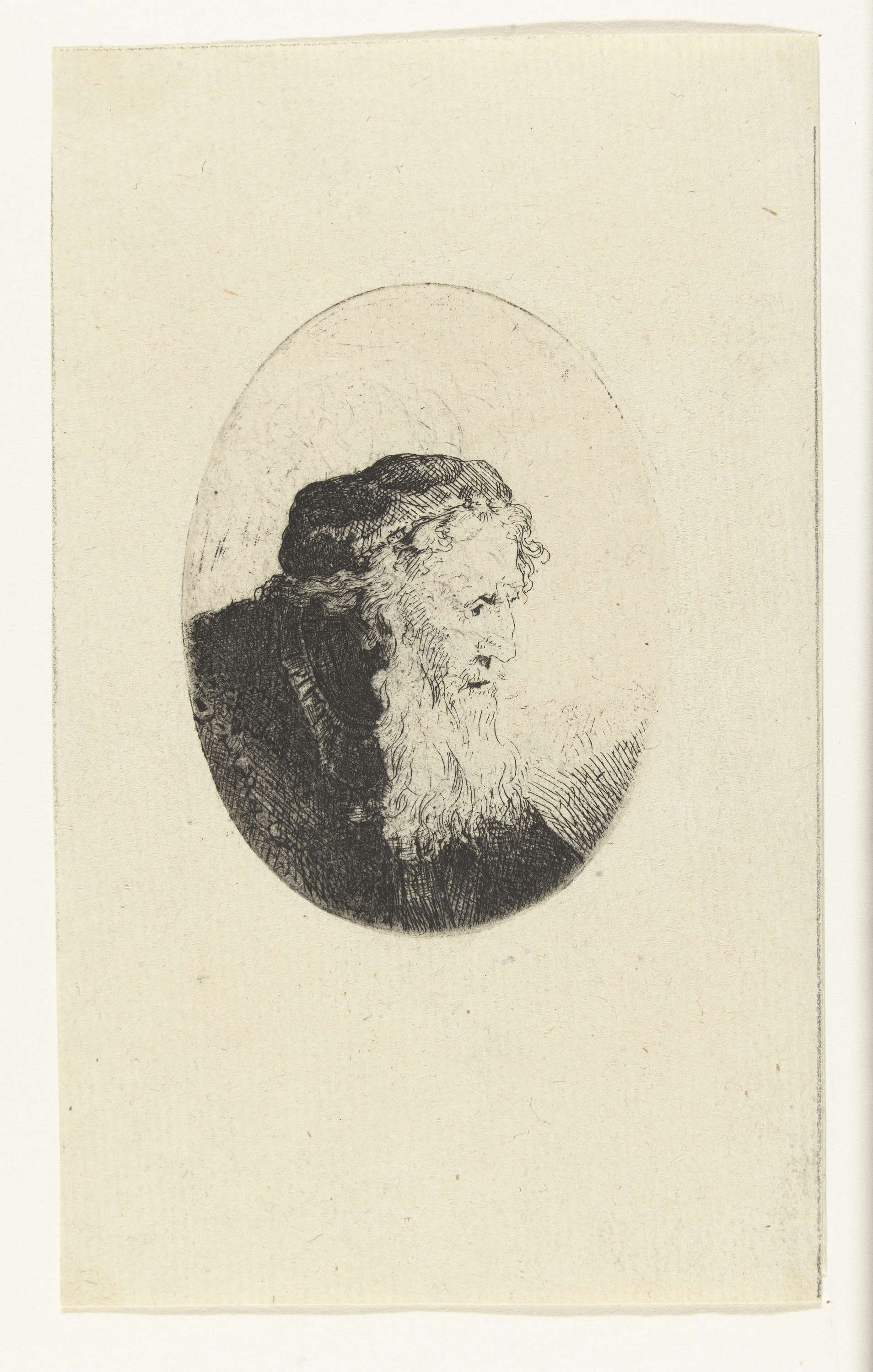
Who listens when art speaks of silence? In the stillness of Oude man met baard, a solemn figure emerges, framed by shadows that whisper of untold stories. Focus on the old man’s eyes, which draw you in with their depth and wisdom, shimmering beneath the soft, dim light. Notice how the artist's brushwork captures the texture of the man's weathered skin, each line a testament to a life well-lived.
The play of light and shadow not only emphasizes his age but hints at the mysteries lurking within his soul, as the deep browns and muted tones envelop him in a cocoon of introspection. The contrast between the illuminated face and the encompassing darkness creates a palpable tension; it is as though he resides at the crossroads of memory and oblivion. The careful highlighting of his beard, a symbol of both wisdom and the passage of time, invites contemplation of the stories hidden beneath its surface.
Each detail, from the folds of his robe to the hint of a smile at the corner of his lips, evokes questions about the experiences that have shaped him. Ferdinand Bol painted this piece during a period in his life marked by artistic maturation and exploration of chiaroscuro, a technique he mastered while working in Rembrandt's studio. Between 1626 and 1680, as the Netherlands embraced a golden age of art, Bol’s depictions of human emotion through the interplay of light and shadow positioned him as a significant figure in Baroque portraiture.