Part of the Vault of the Temple of Minerva Medica in Rome — History & Analysis
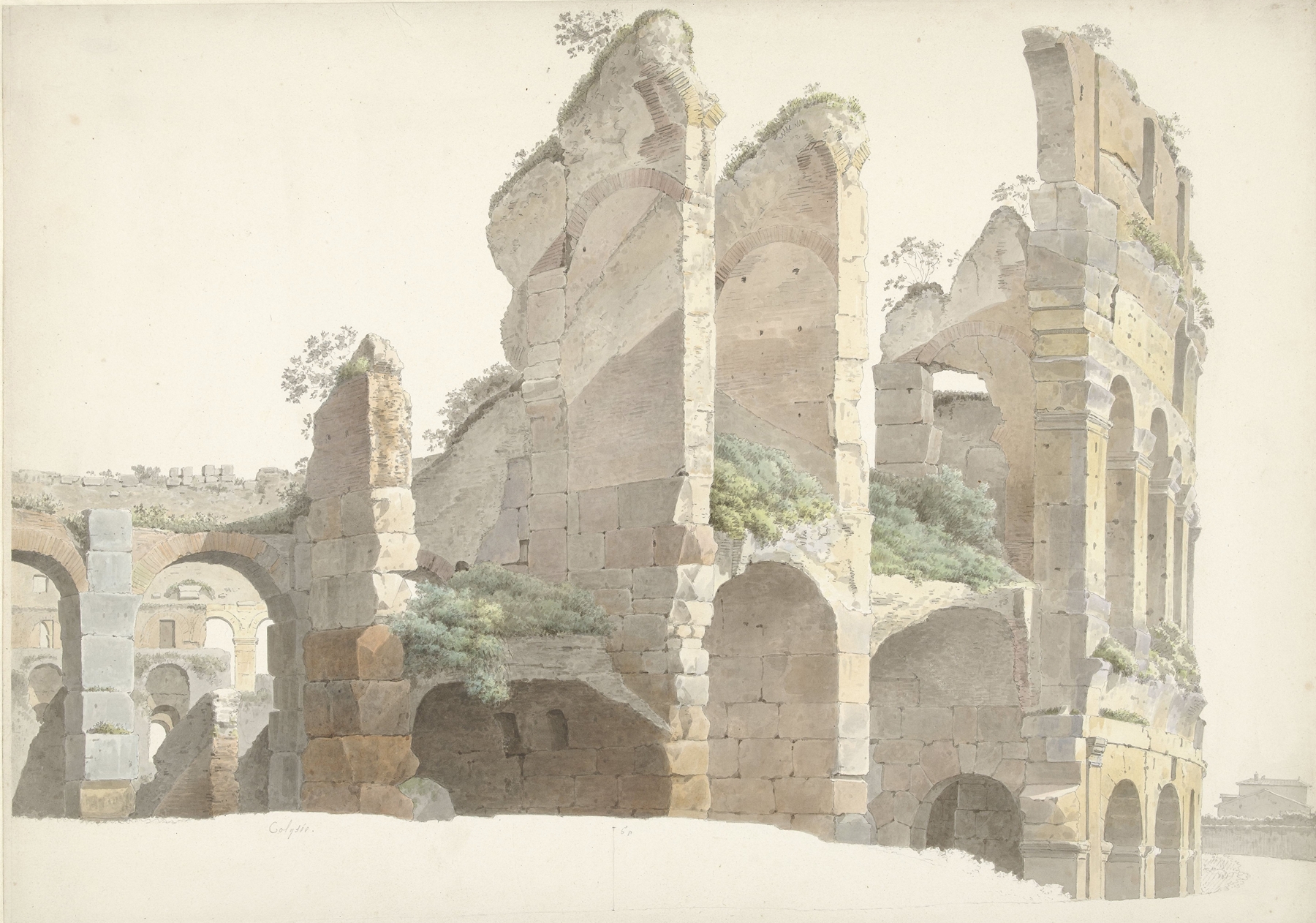
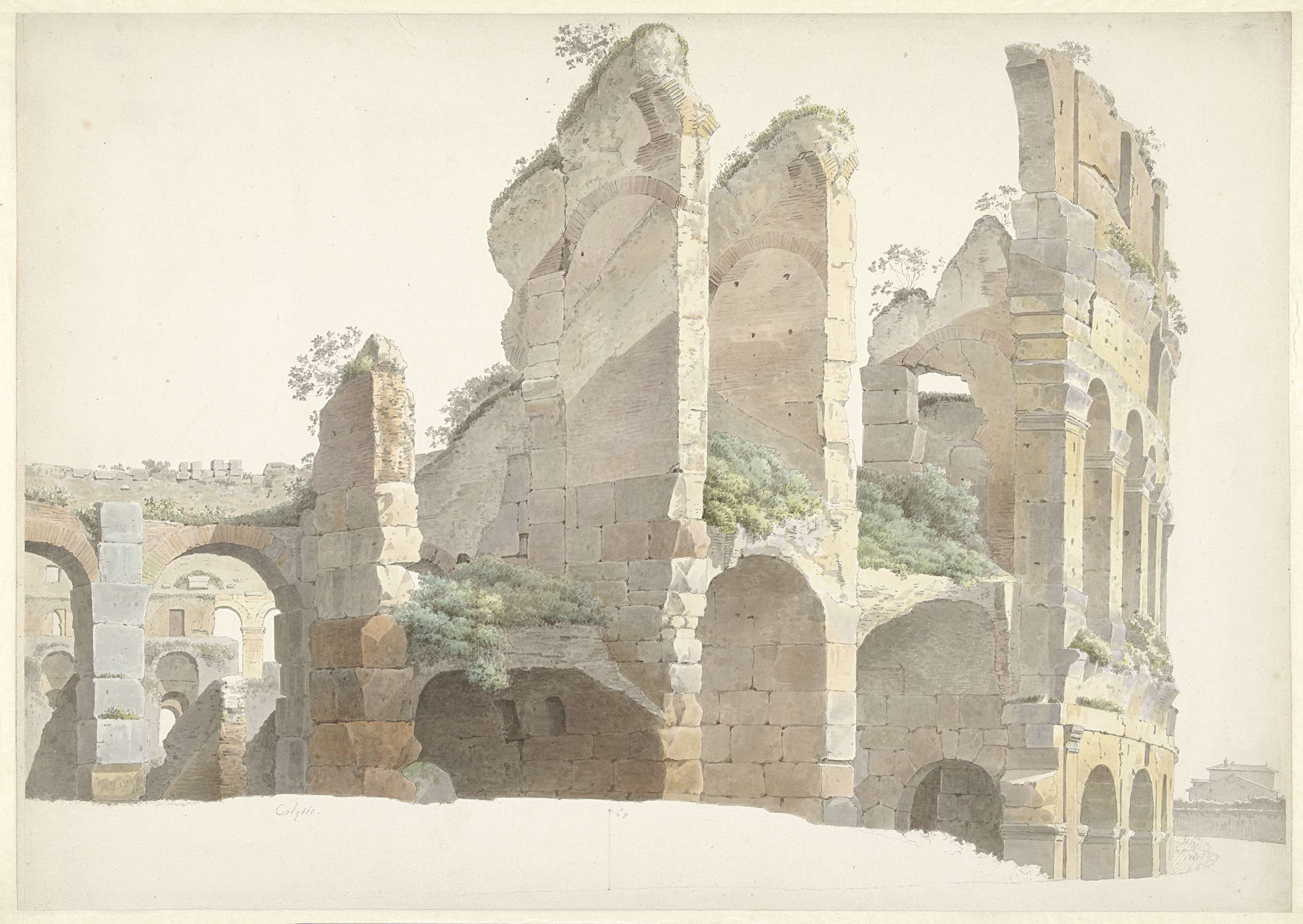
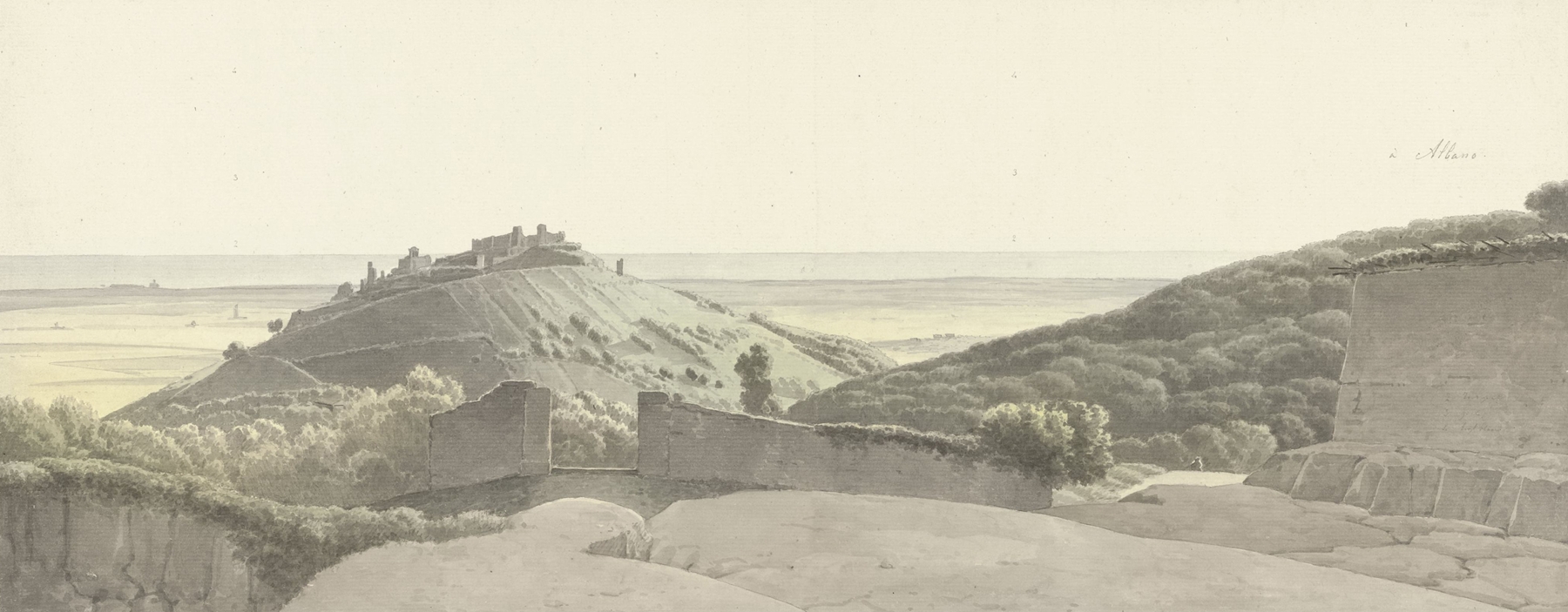
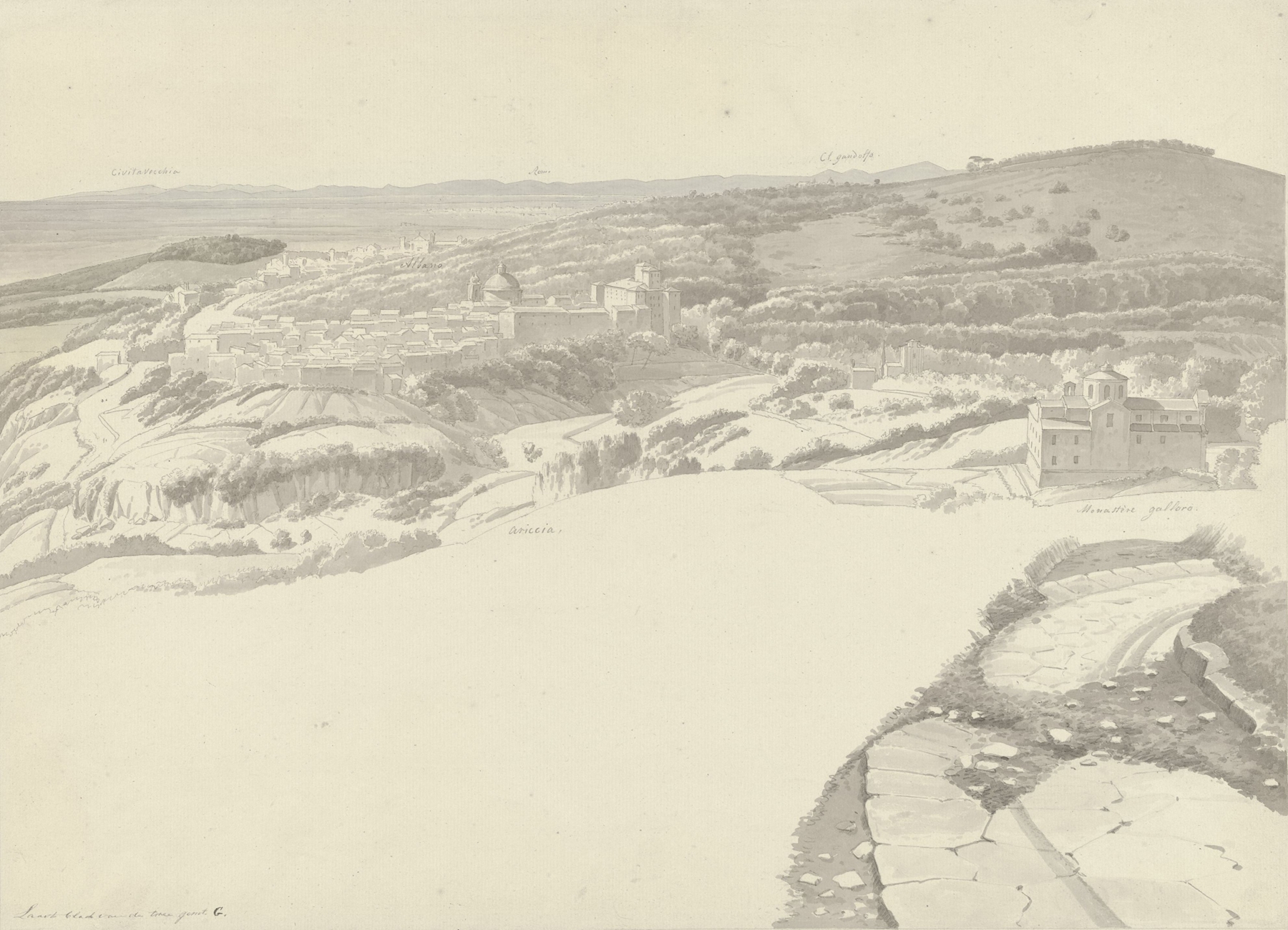
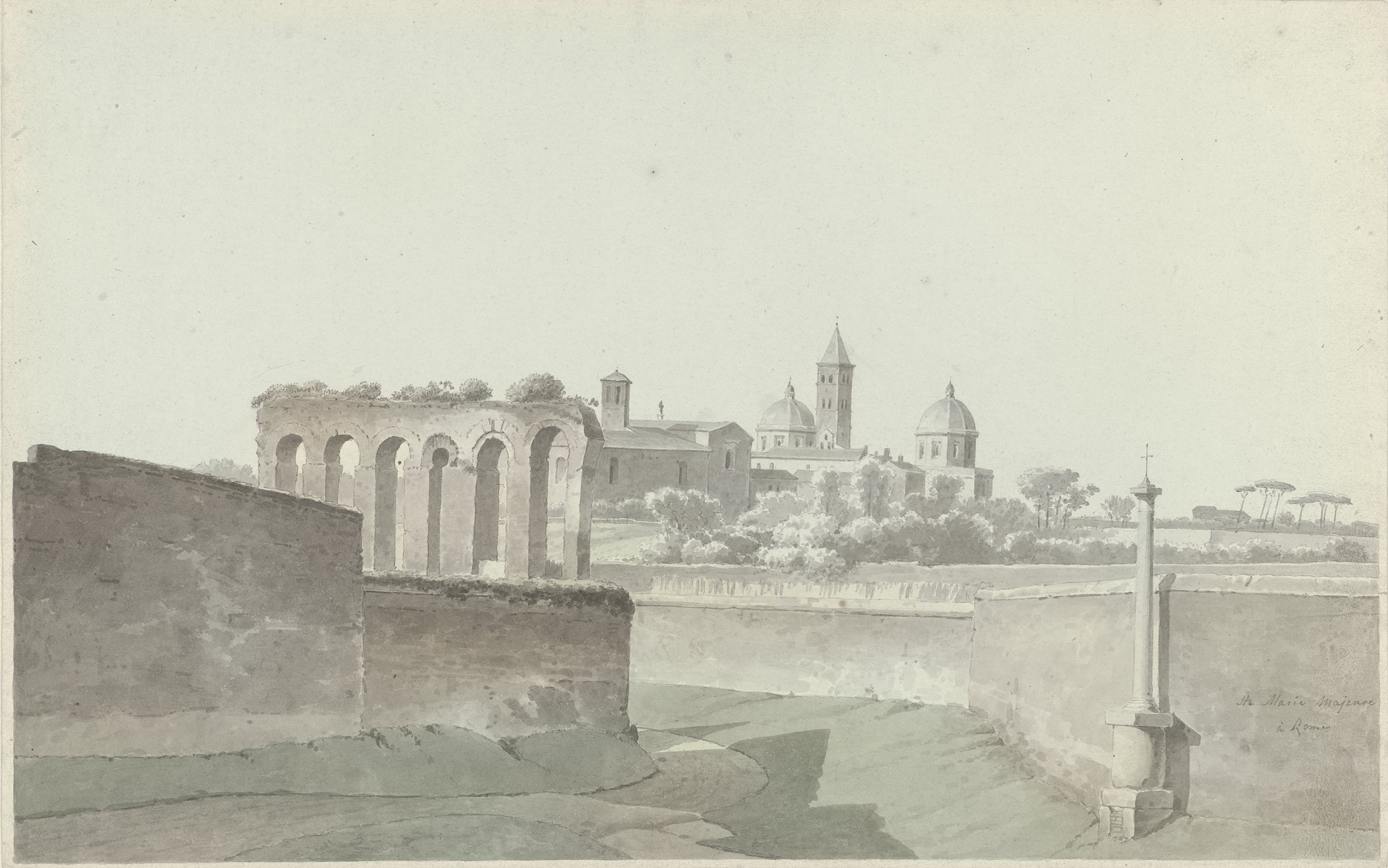
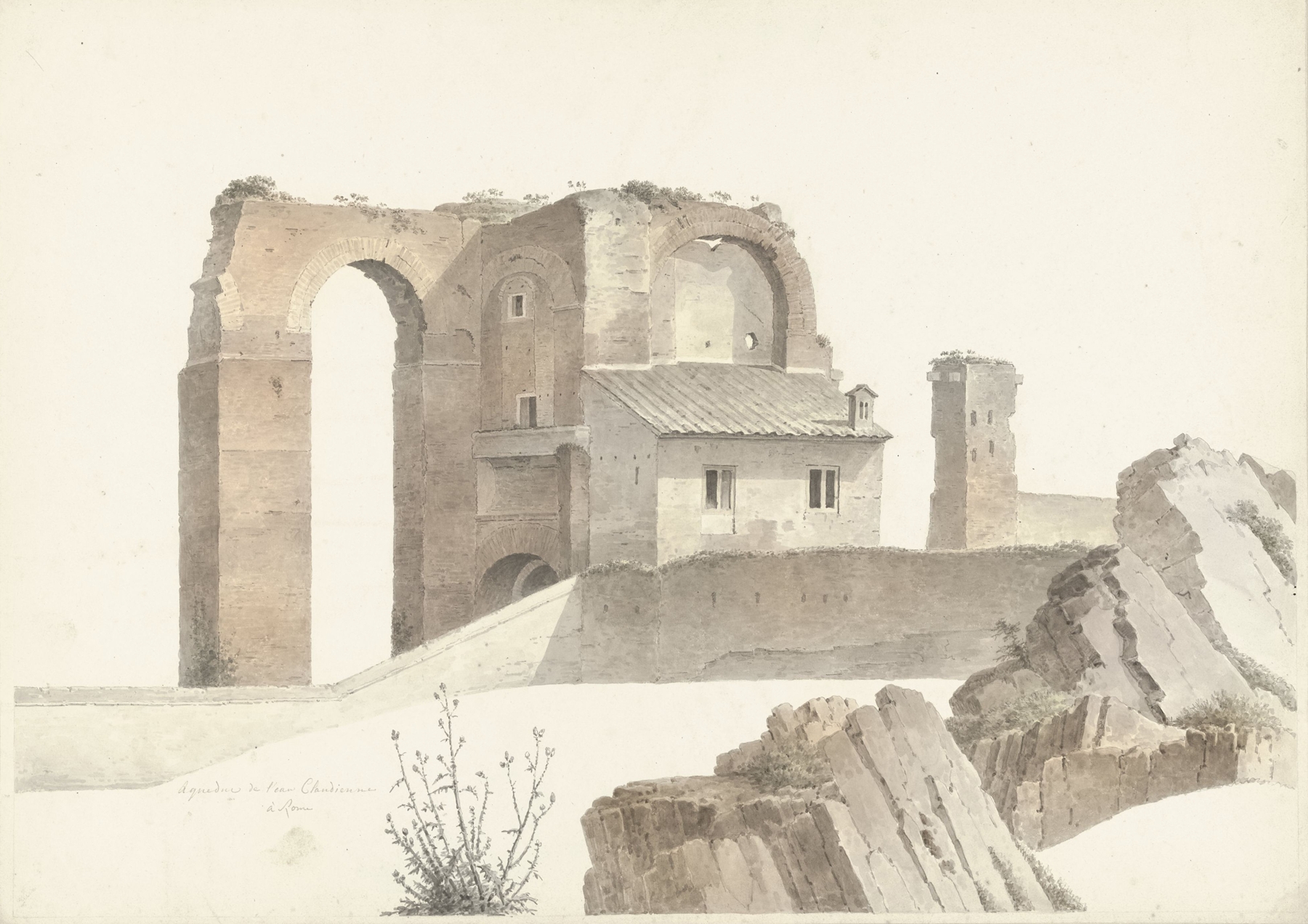
“The canvas doesn’t lie — it simply waits.” In the stillness of this artwork, we find a world poised on the brink of transformation, inviting viewers to contemplate the layers of history and change. Look to the center of the composition, where the intricate architectural details of the temple's vault draw the eye with their regal elegance. The subtle interplay of light and shadow reveals the textures of the stone, each curve and column meticulously rendered, demonstrating the artist's keen observation and skillful technique. The cool palette of blues and grays evokes a sense of tranquility, while the warm golden highlights suggest a fleeting moment of luminosity amidst the monumental structure.
Within the grandeur, there are quiet echoes of time—a juxtaposition between the permanence of ancient architecture and the ephemeral nature of human experience. The careful arrangement of elements hints at the passage of time, where nature and civilization intertwine. This contrasts the steadfastness of the temple with the inevitable decay that encroaches upon all things, inviting a reflection on the cycles of life and the transformations that define history.
Josephus Augustus Knip created this work between 1809 and 1812, during a period of artistic exploration in Europe as neoclassicism was giving way to romanticism. Living in Italy, Knip was deeply influenced by the classical heritage surrounding him, capturing the essence of ancient structures while weaving in a sense of nostalgia for a world that was rapidly changing. In this context, the painting stands as a testament to both the past's enduring beauty and the transitory nature of existence.