The Aurelian Wall in Rome — History & Analysis
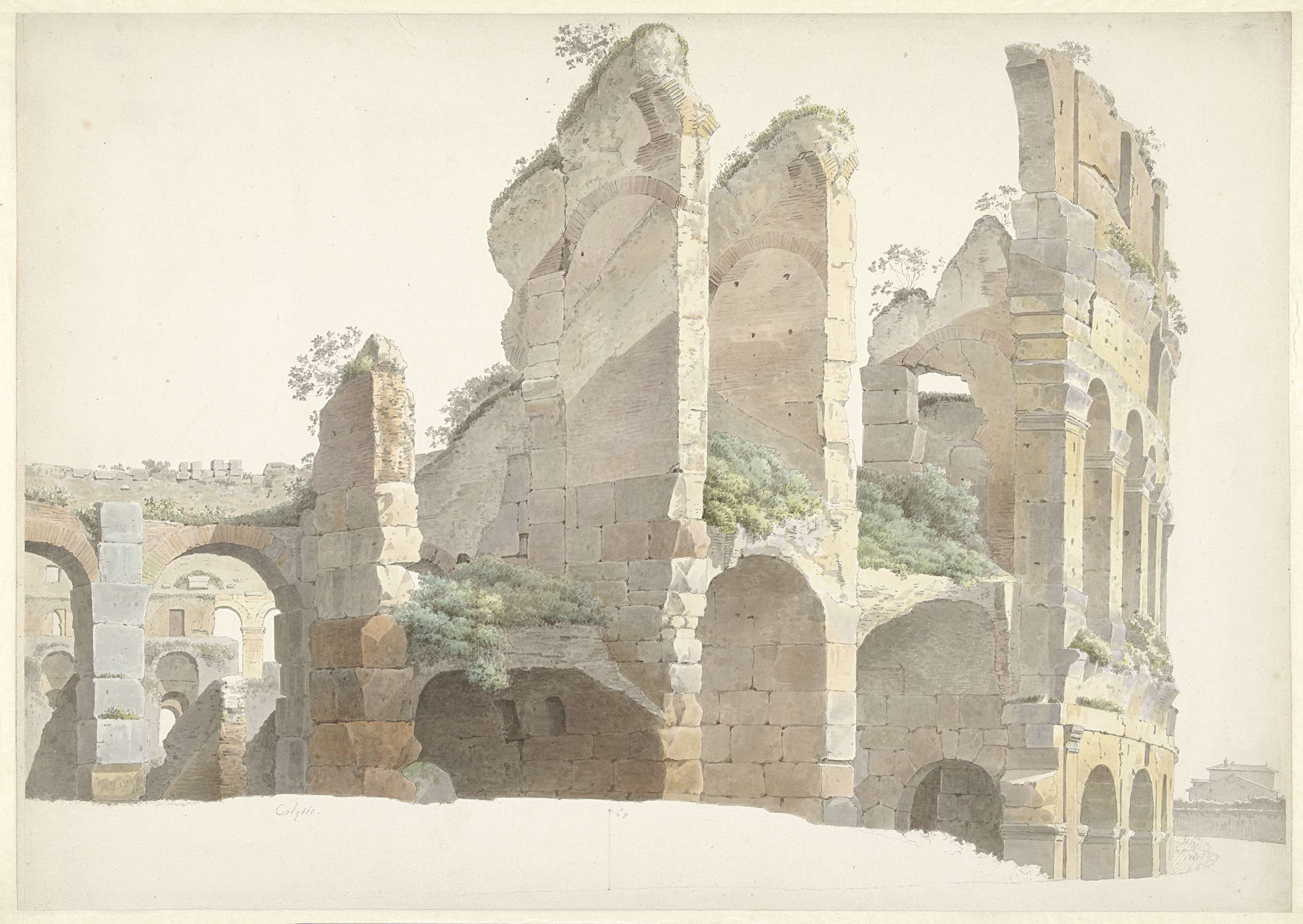
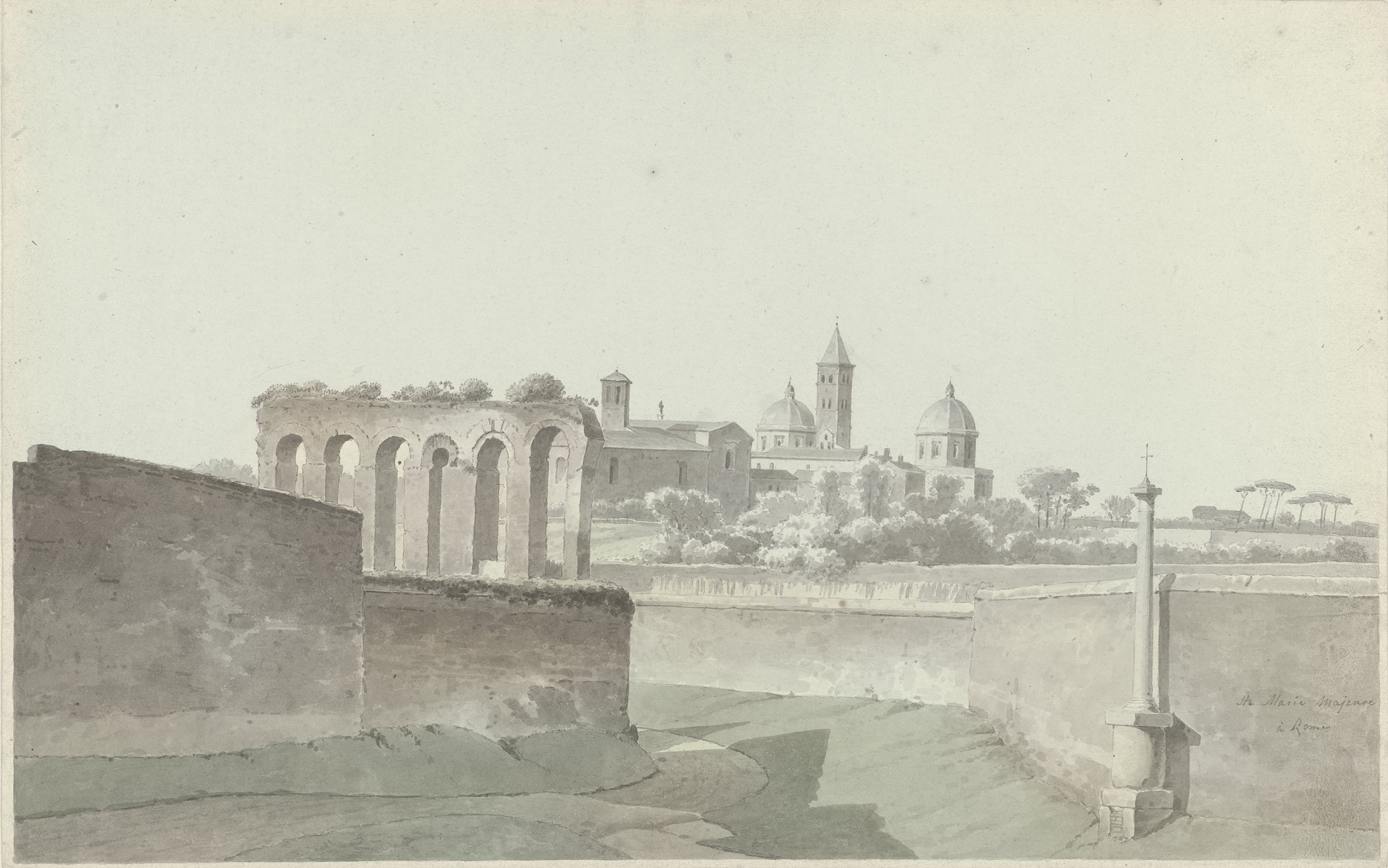
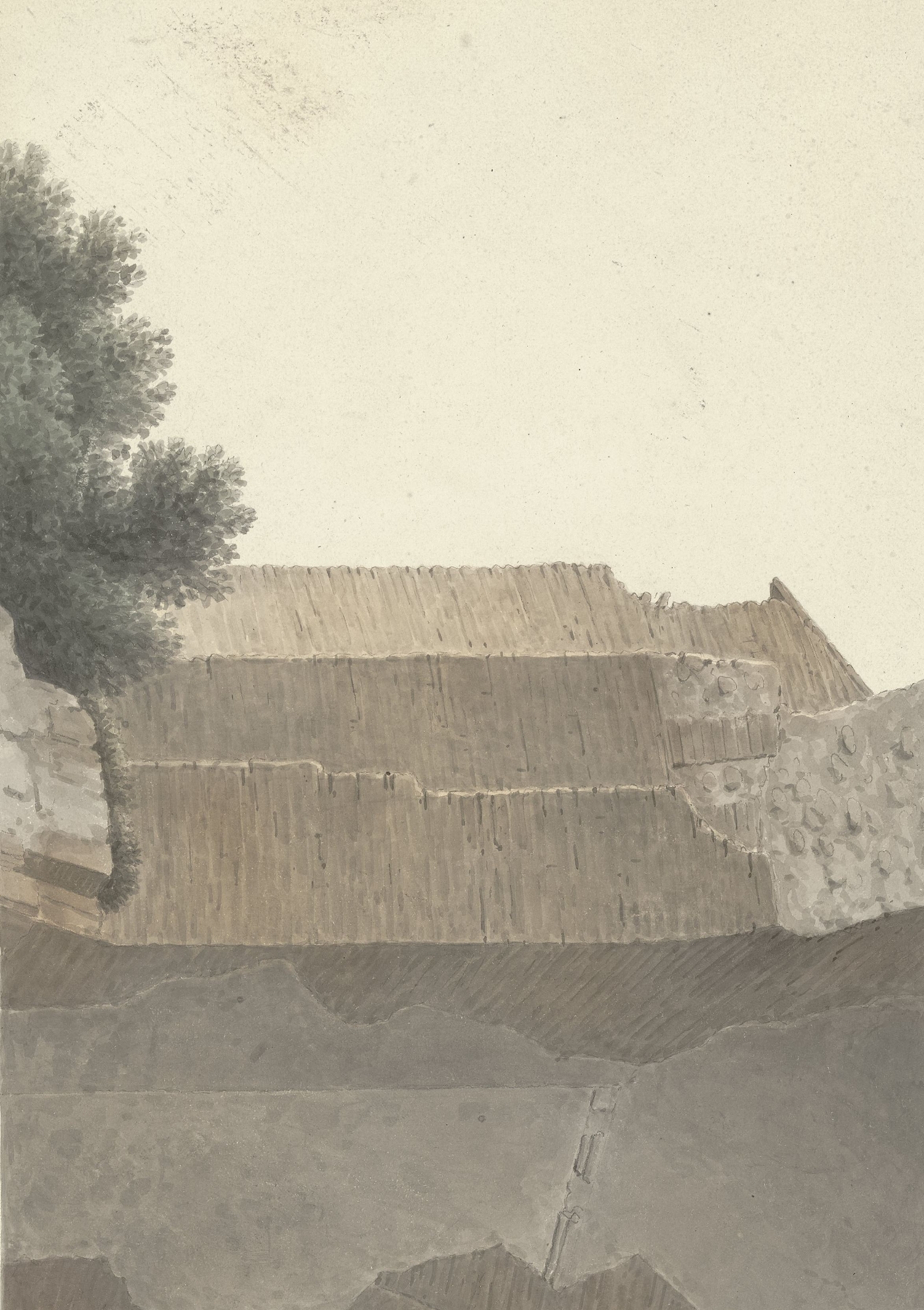
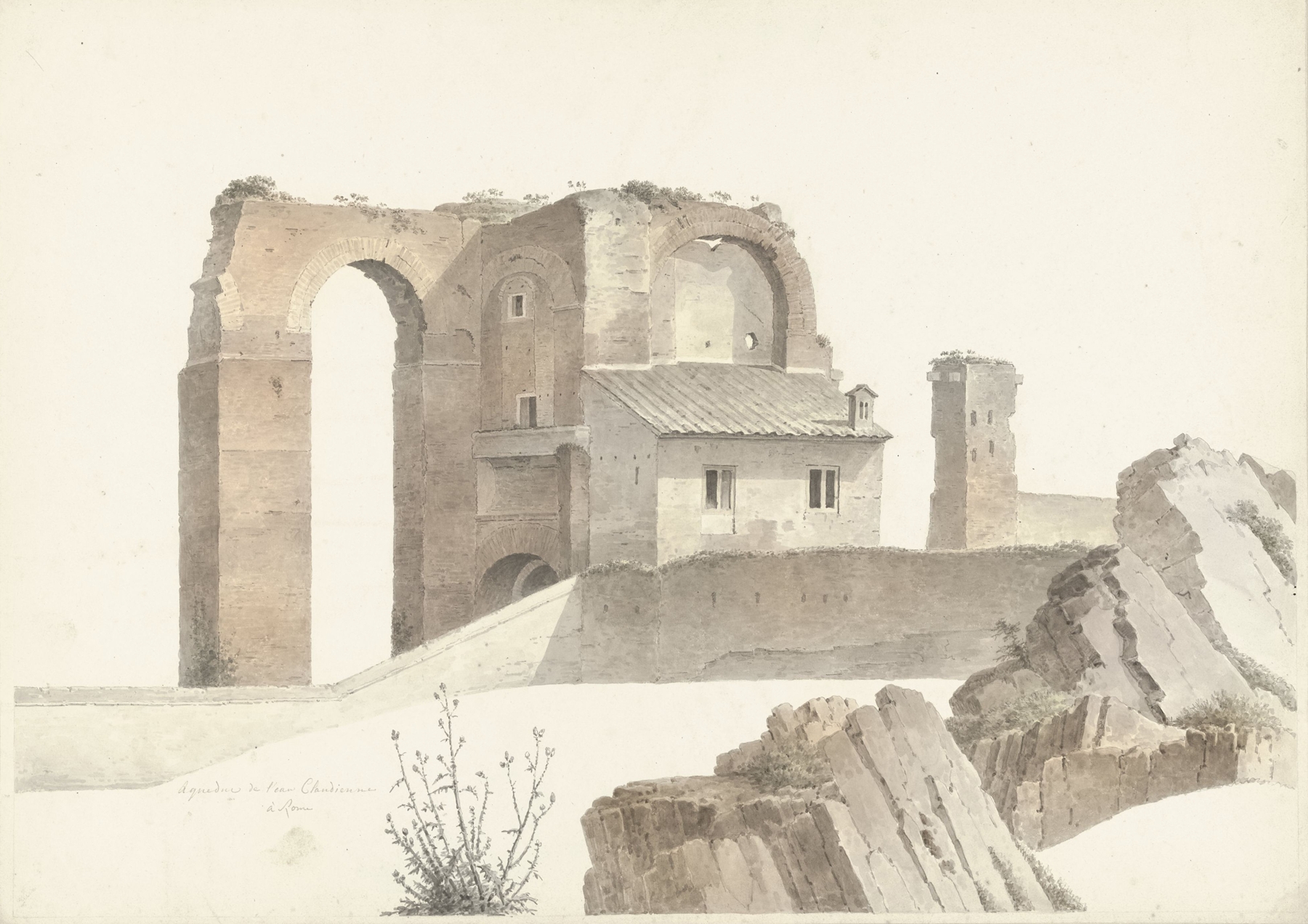
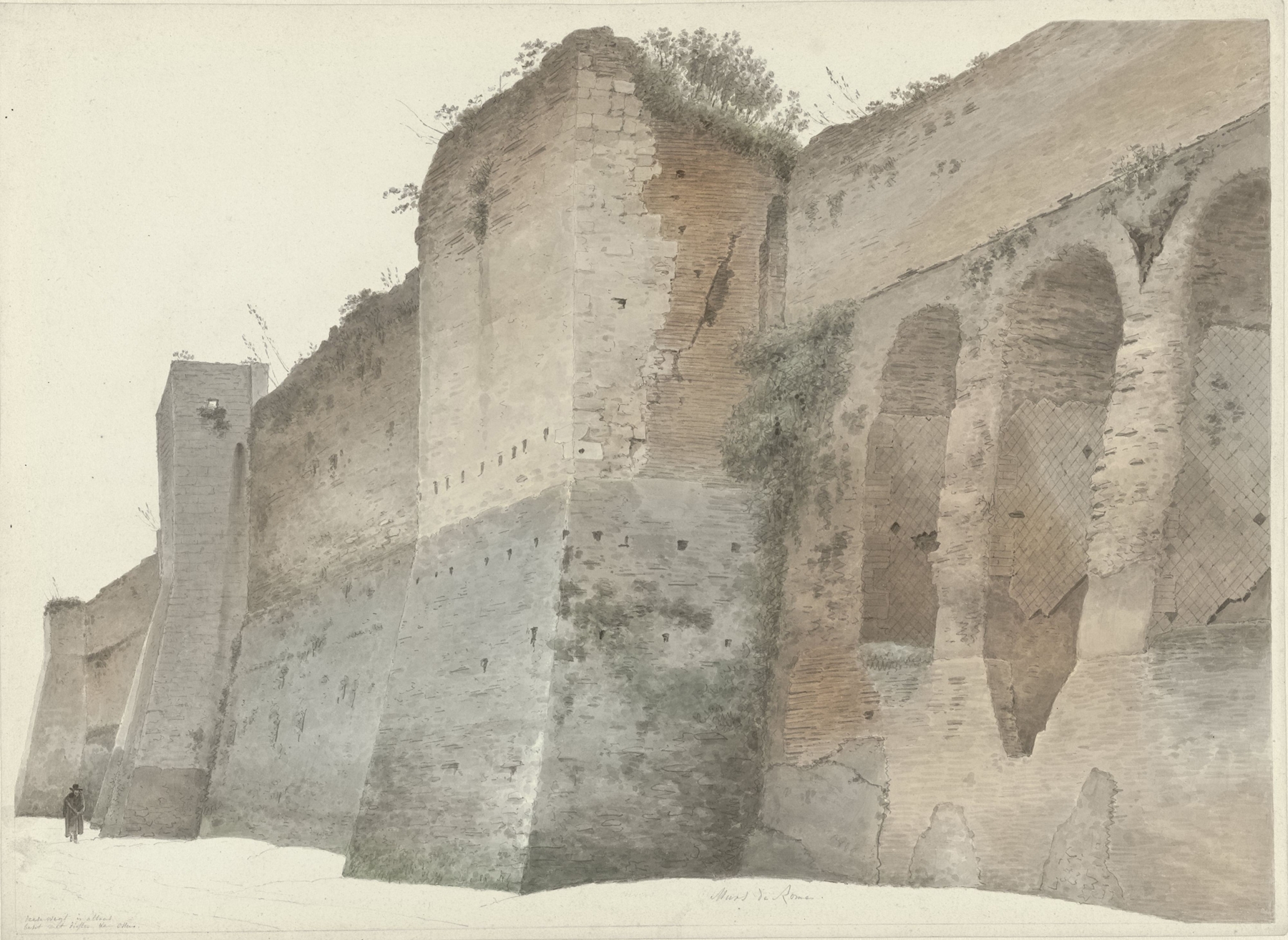
Can beauty exist without sorrow? The delicate interplay between majesty and melancholy often defines our most profound experiences, and The Aurelian Wall in Rome captures this balance with grace. Look to the left at the towering remnants of ancient stone, weathered yet proud, standing sentinel against time. The light bathes the wall in a warm golden hue, contrasting sharply with the cool greens of the surrounding foliage.
Notice how the artist has meticulously rendered the textures—the jagged lines of the bricks elicit a sense of history, while the gentle brush strokes in the vegetation suggest a lively movement that breathes life into the scene. Hidden within this masterful composition lies an exploration of resilience and decay. The wall represents endurance, a testament to the passage of time, while the surrounding nature both encroaches and embraces it, symbolizing the inevitability of change. This duality evokes feelings of nostalgia and hope, inviting viewers to contemplate their own journey amidst the ruins of the past.
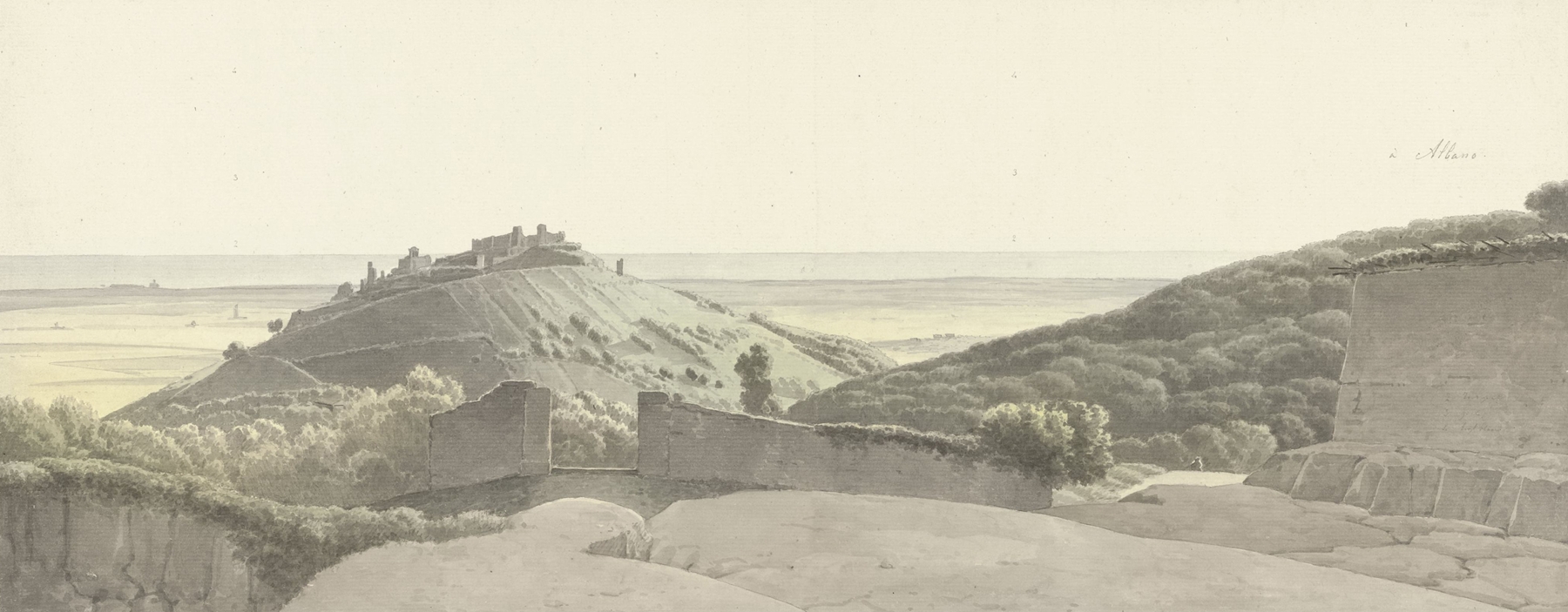
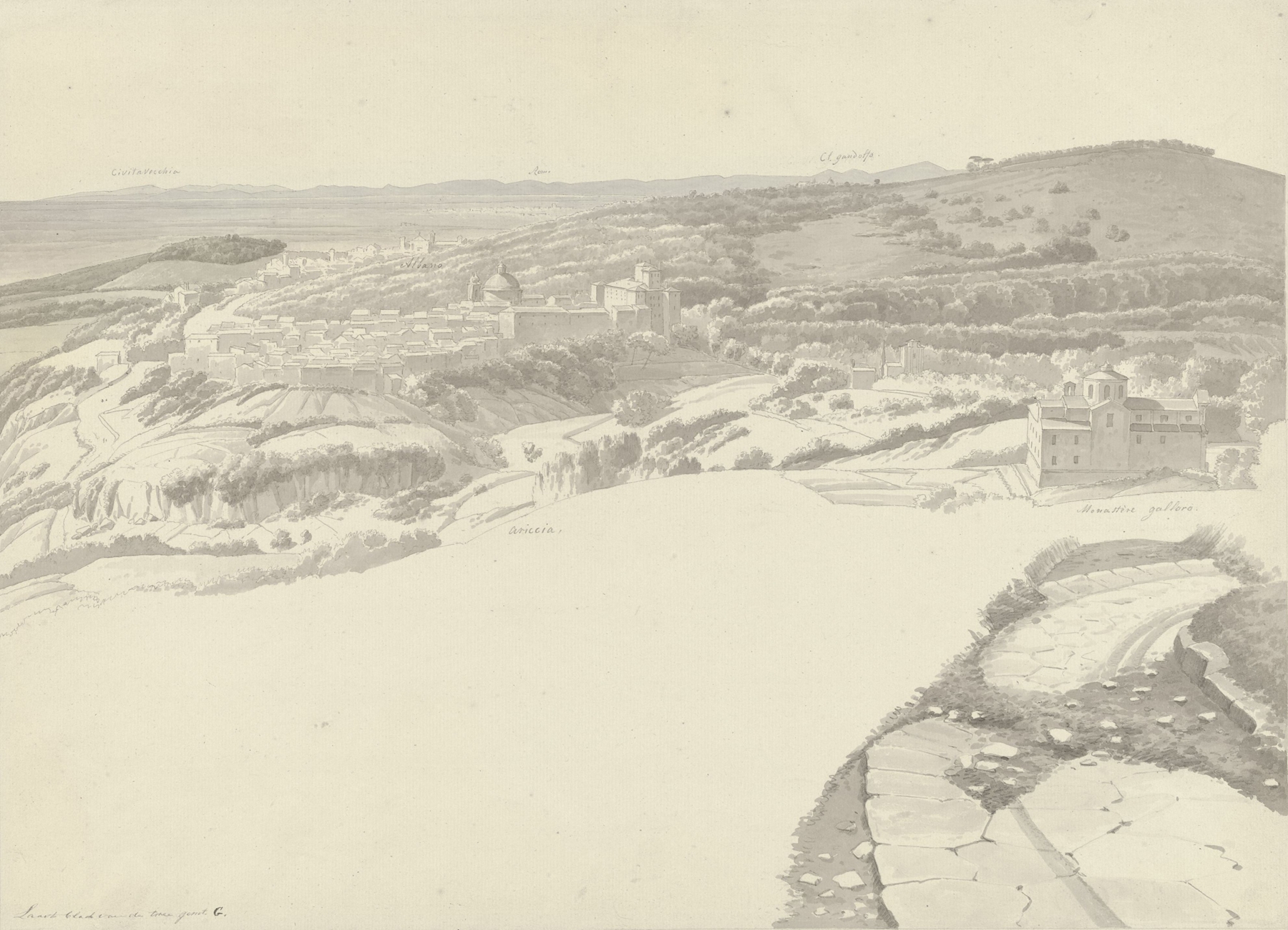
Each element, from the soft shadows to the vivid greens, shares a dialogue of tension—between man-made structures and the wild beauty of nature. Josephus Augustus Knip created this evocative piece between 1809 and 1812, during a time when the Romantic movement was blossoming across Europe. Living in Italy, Knip was immersed in the rich tapestry of history and culture, often capturing the essence of landscapes infused with classical references. His works reflect not only a personal connection to the sites he painted but also the broader artistic shift towards emphasizing emotion and the sublime in the face of nature's grandeur.