View of Ariccia from Genzano — History & Analysis
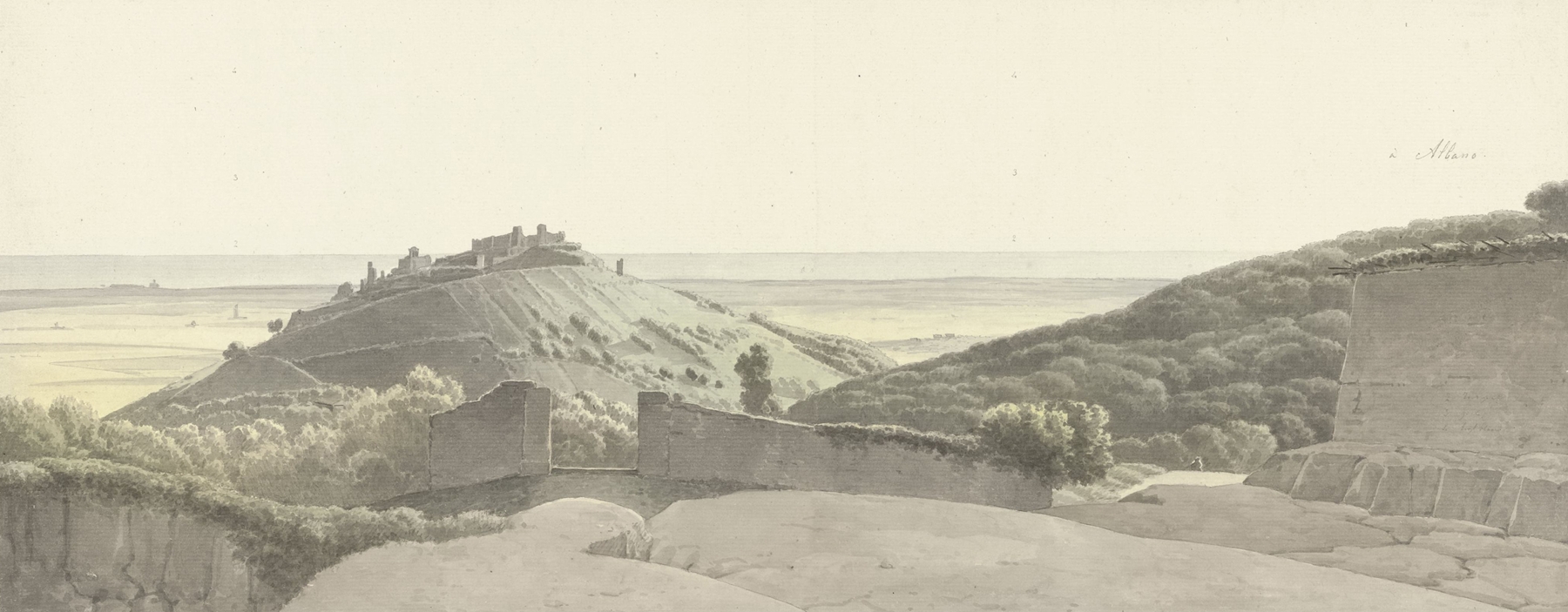
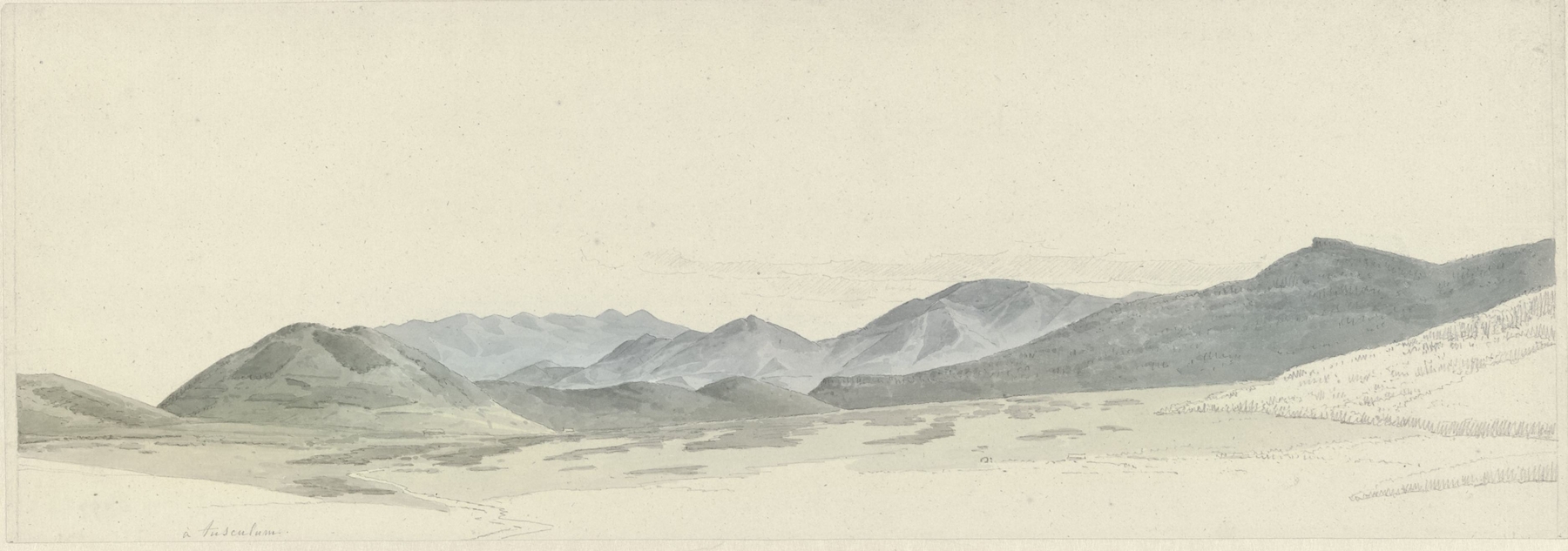
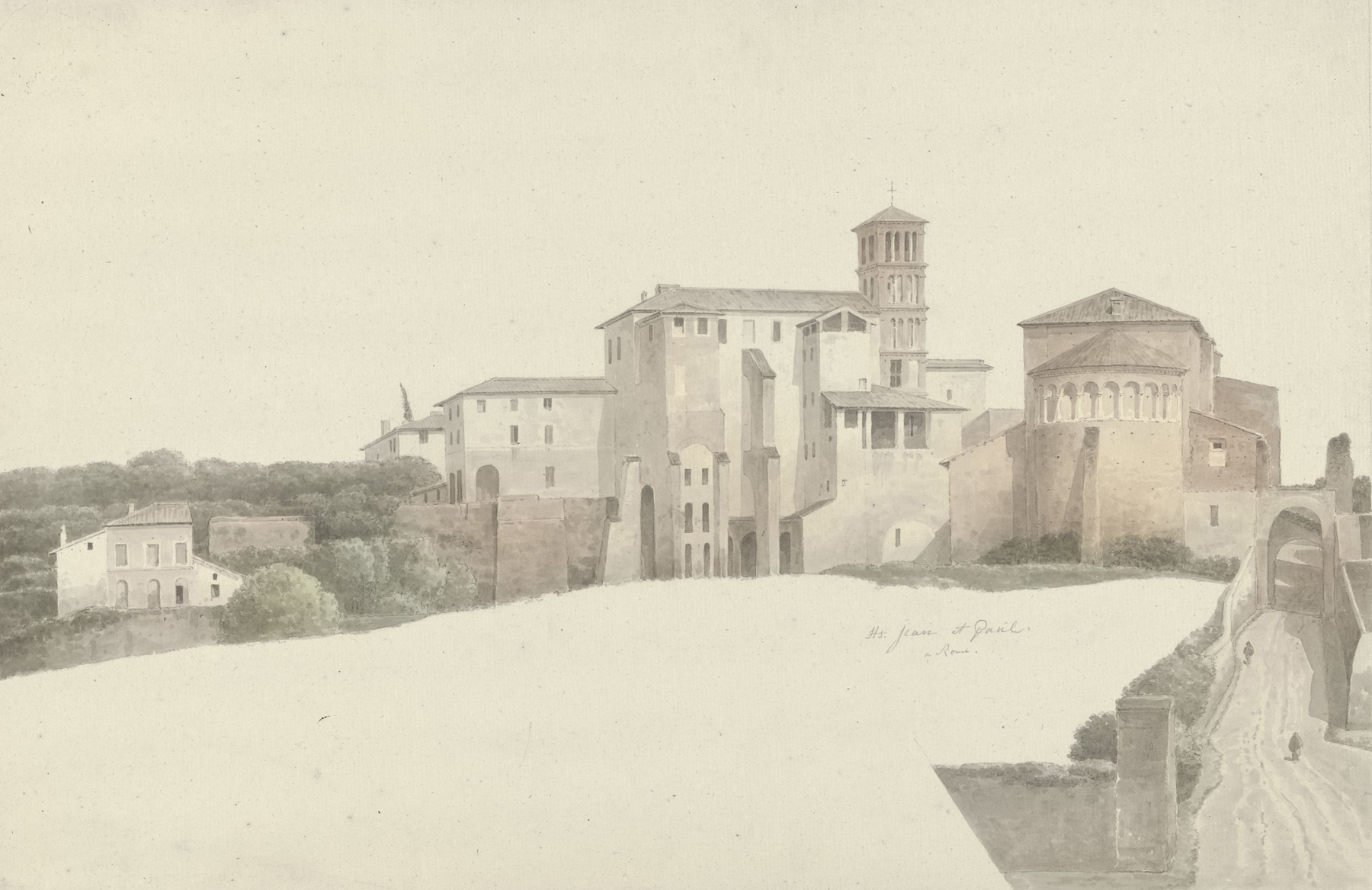
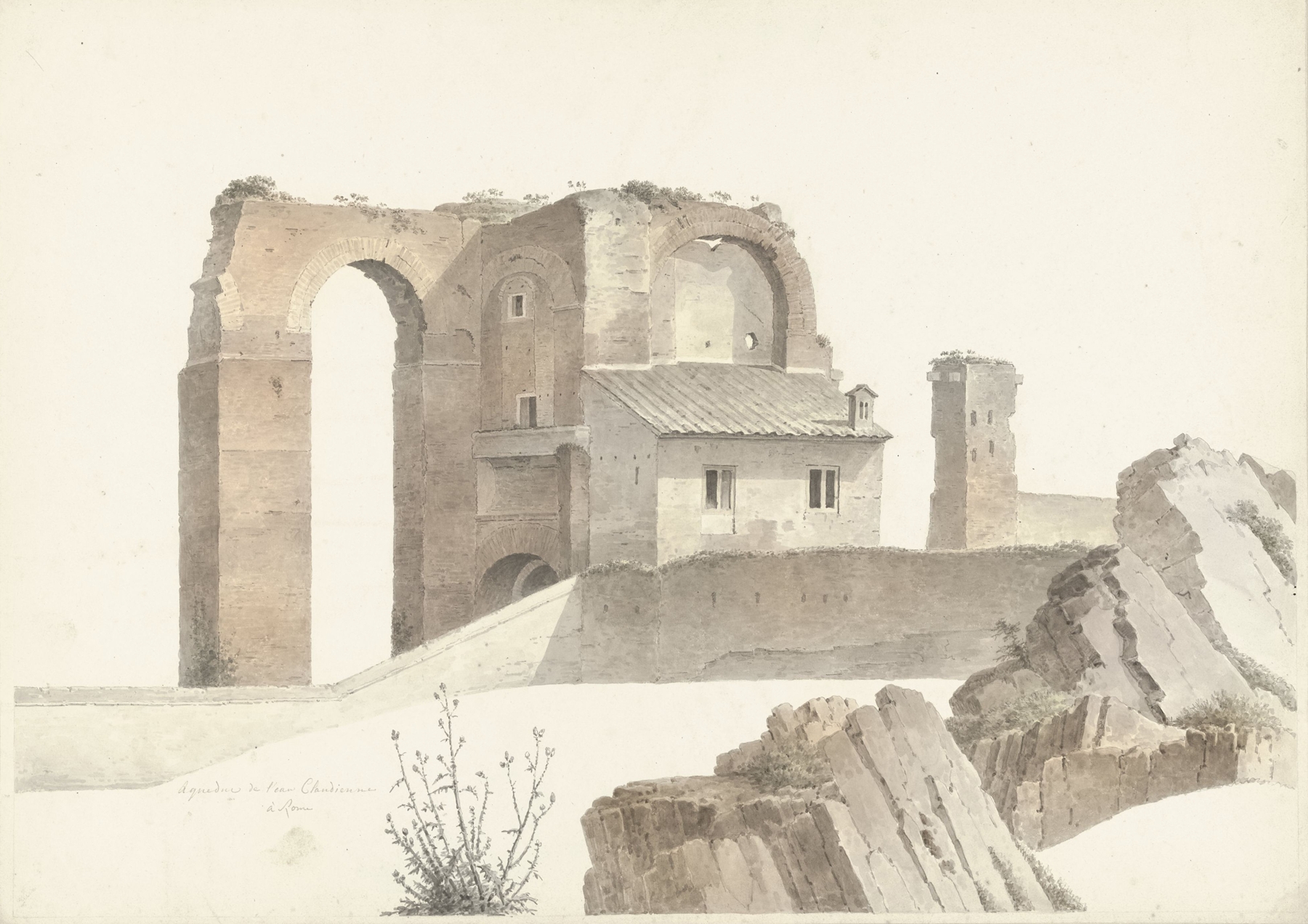
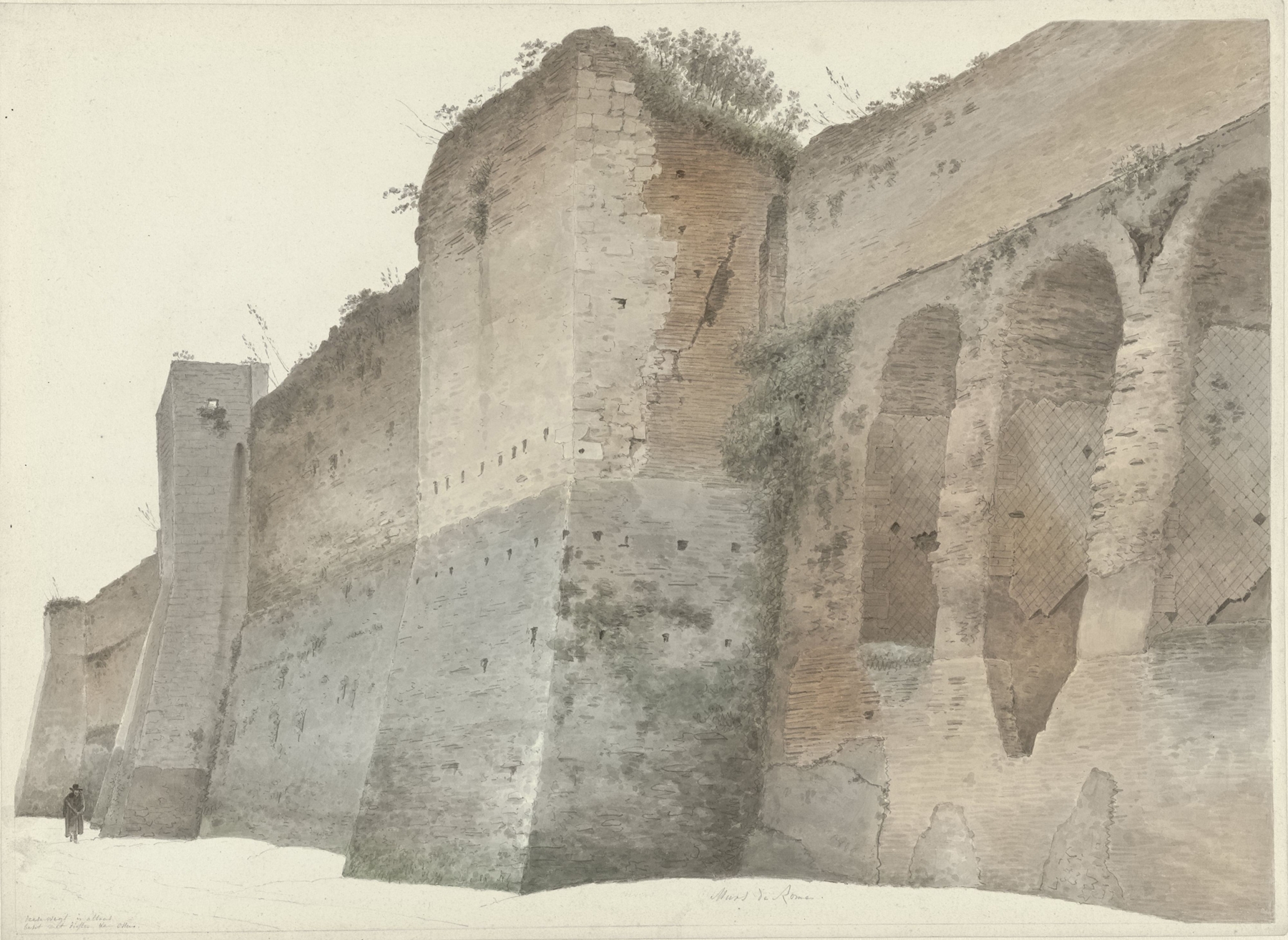
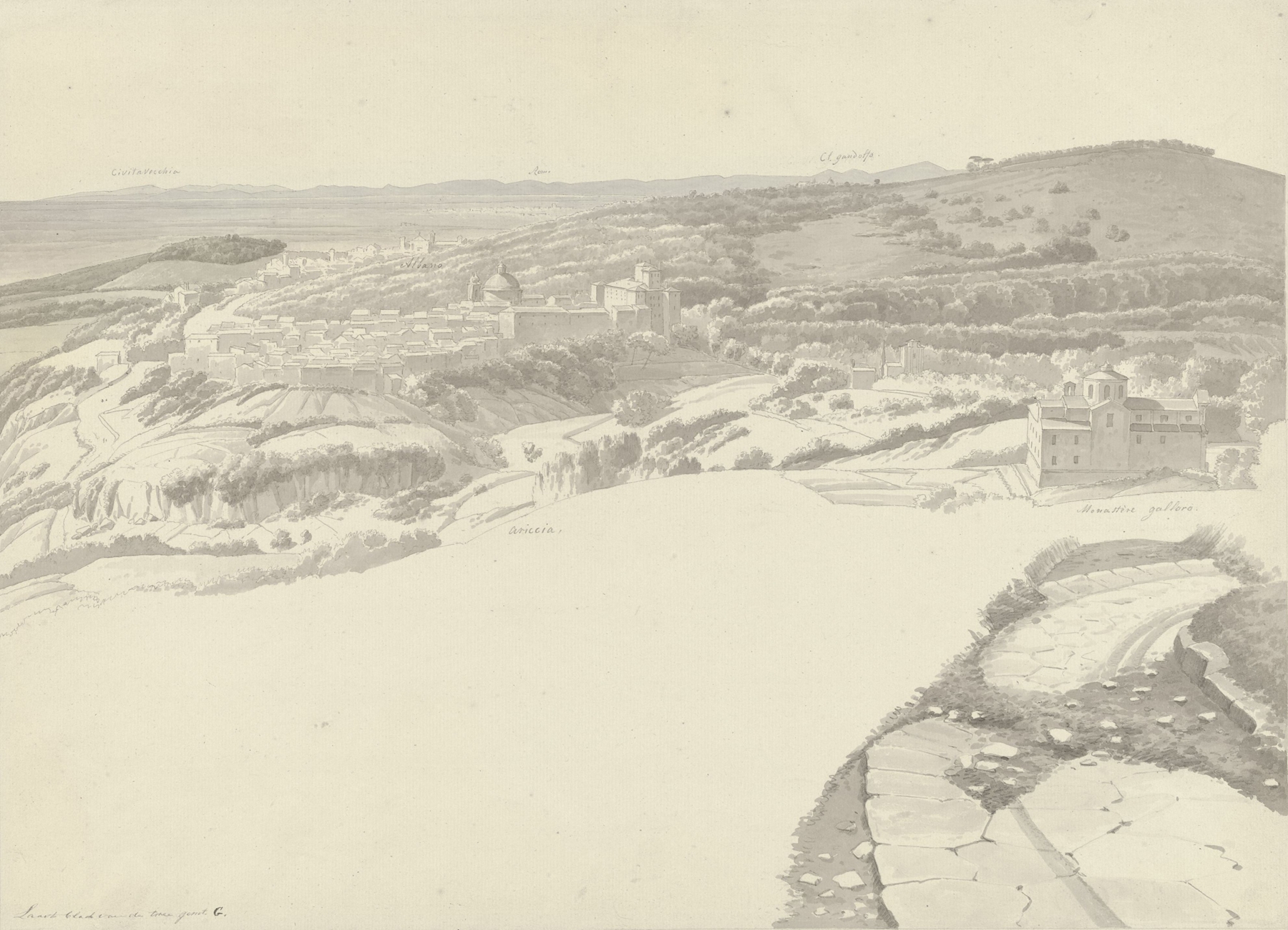
Could beauty survive in a century of chaos? In a world teetering on the edge of turmoil, the landscape remains a bastion of tranquility, whispering tales of resilience through its serene vistas. Look to the horizon where the gentle undulations of the hills cradle the tranquil town of Ariccia. The viewer's gaze is drawn first to the soft, dappled light illuminating the buildings, their warm hues contrasting against the cool blues and greens of the surrounding nature.
The careful brushwork captures the play of sunlight filtering through the trees, while the delicate application of color breathes life into the scene, inviting contemplation of both the physical and emotional landscapes. Within this idyllic tableau lies a poignant contrast: the pristine beauty of nature juxtaposed against the backdrop of a Europe embroiled in unrest. Each detail—the rippling water of the lake, the expansive sky—serves as a reminder of the impermanence of peace, evoking a sense of longing for stability amidst the upheaval of revolution.
The artist's delicate strokes reflect not just the verdant land but also the fragility of existence during tumultuous times. Josephus Augustus Knip created View of Ariccia from Genzano around 1810 while residing in Italy, a period marked by political upheaval following the Napoleonic Wars. His work reflects a yearning for harmony, depicting a serene landscape at a time when the world wrestled with the consequences of change, embodying the tension between beauty and chaos that defined his era.