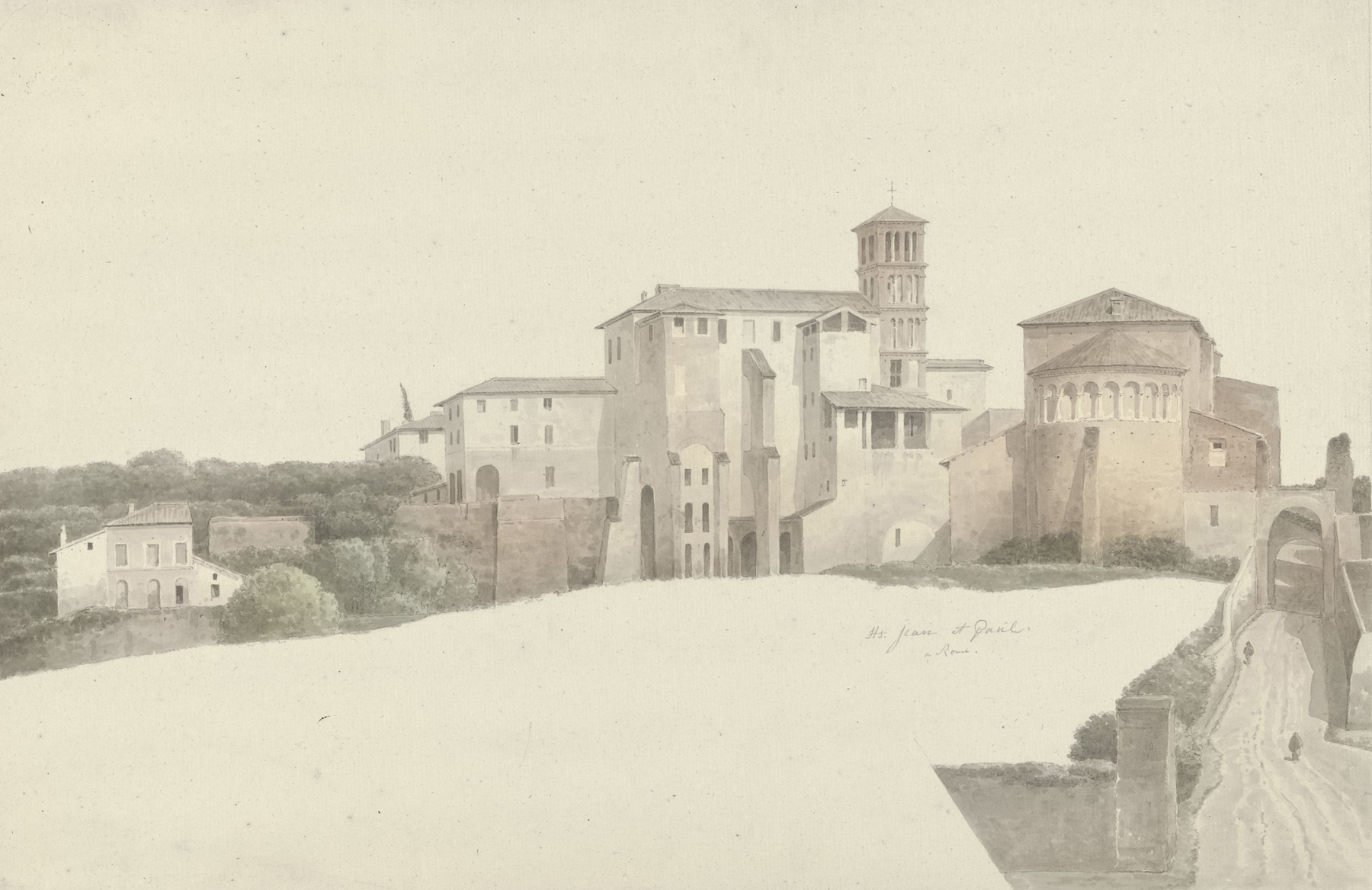
Basilica and Monastery of Santi Giovanni e Paolo in Rome — History & Analysis
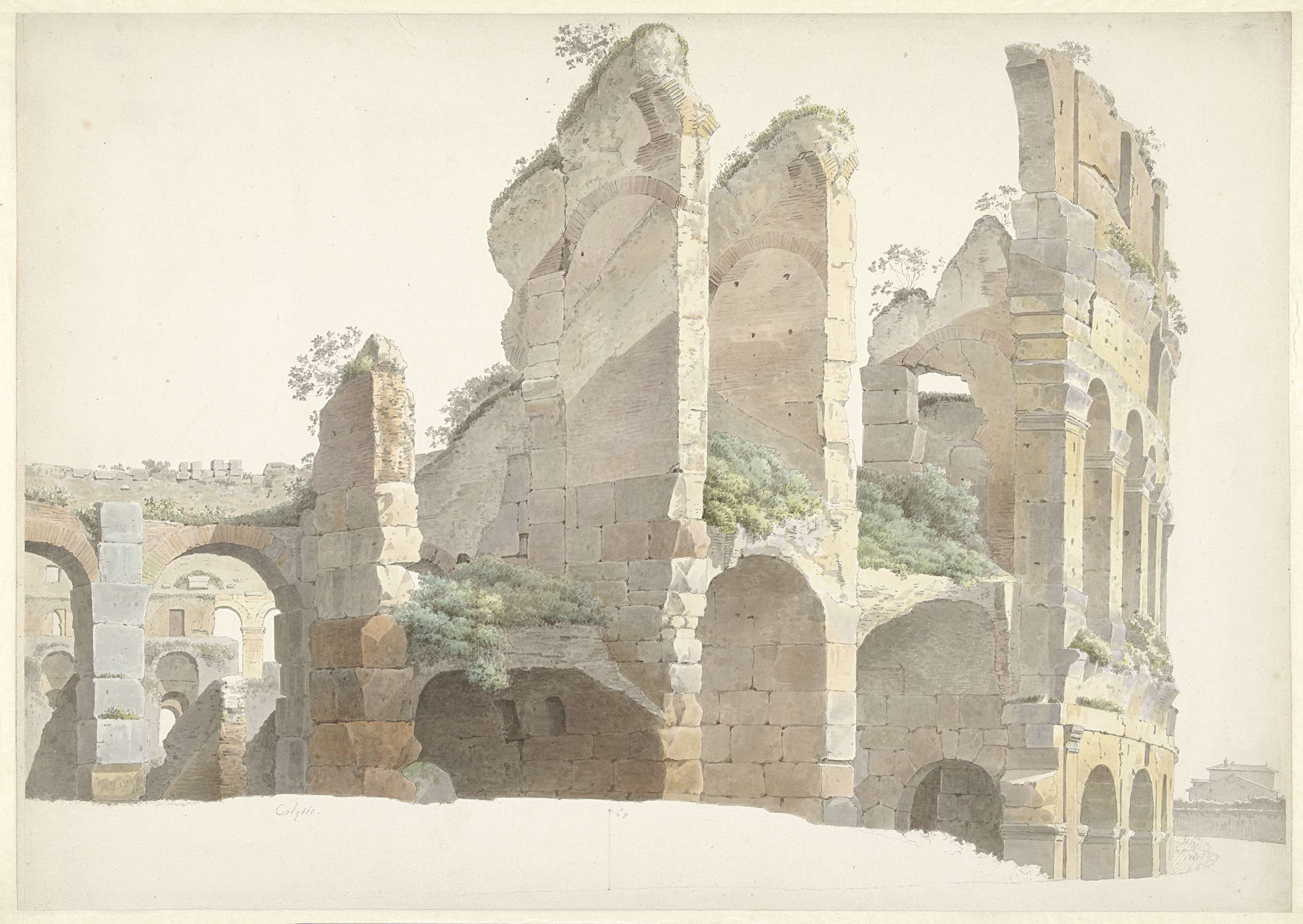
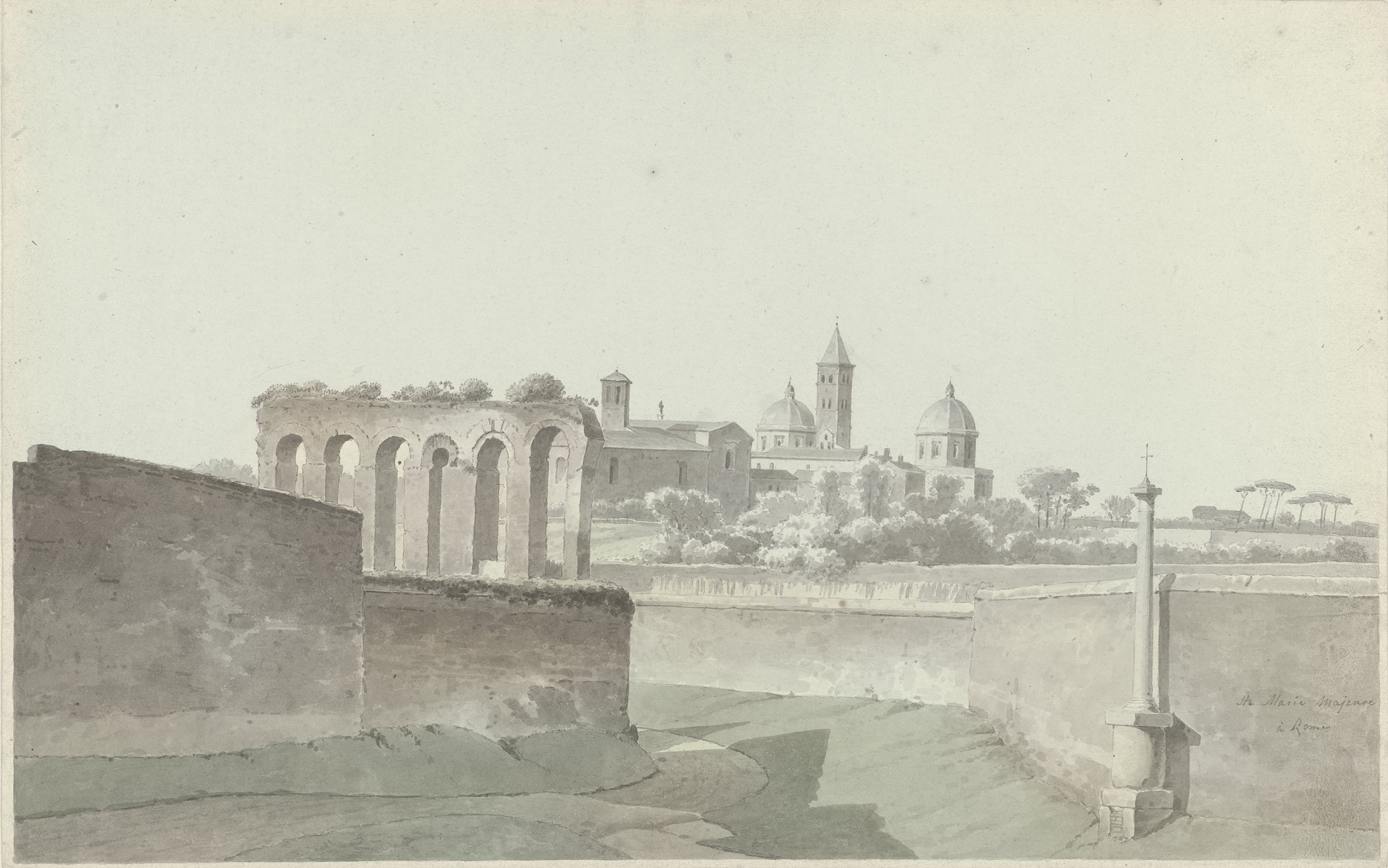
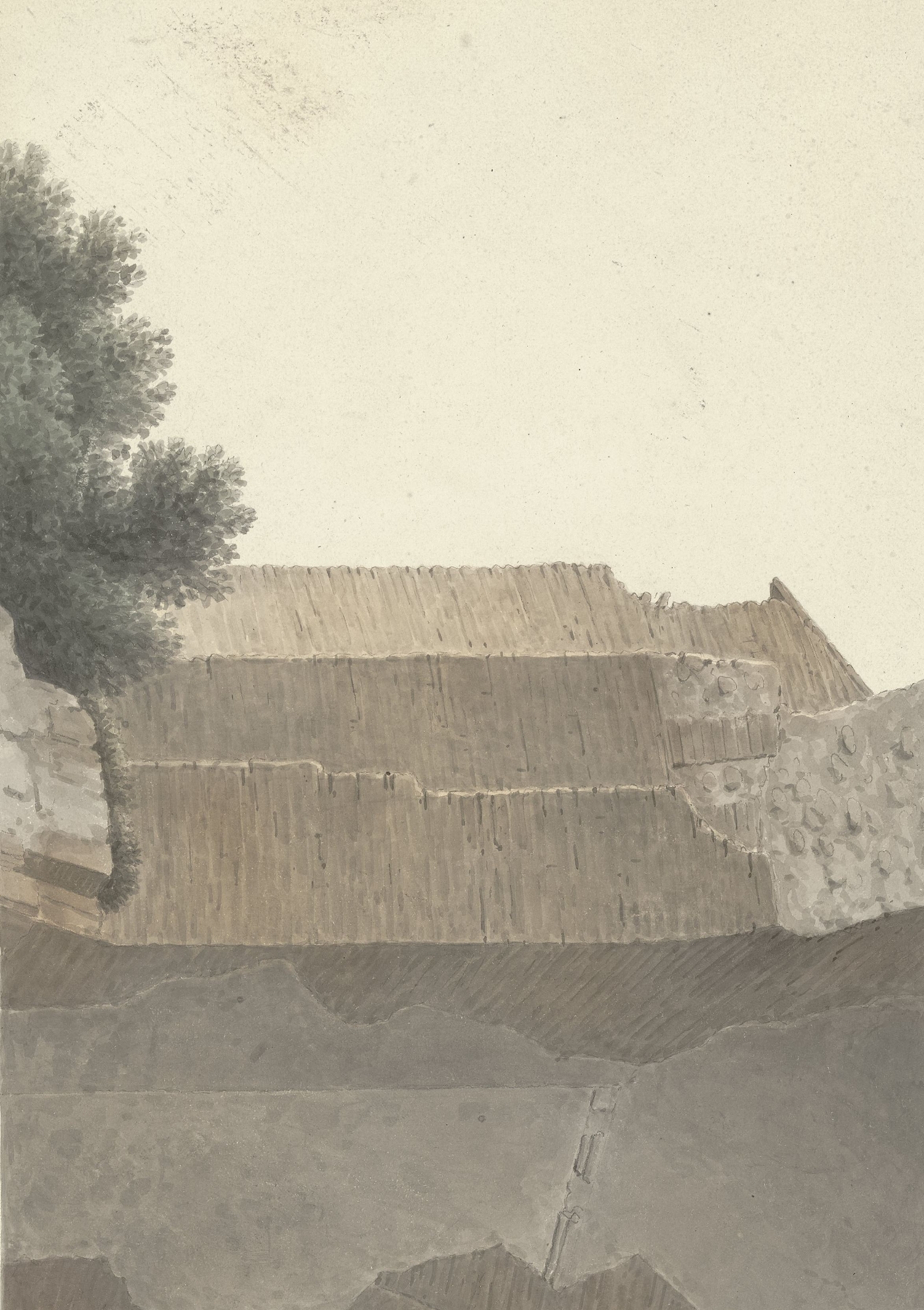
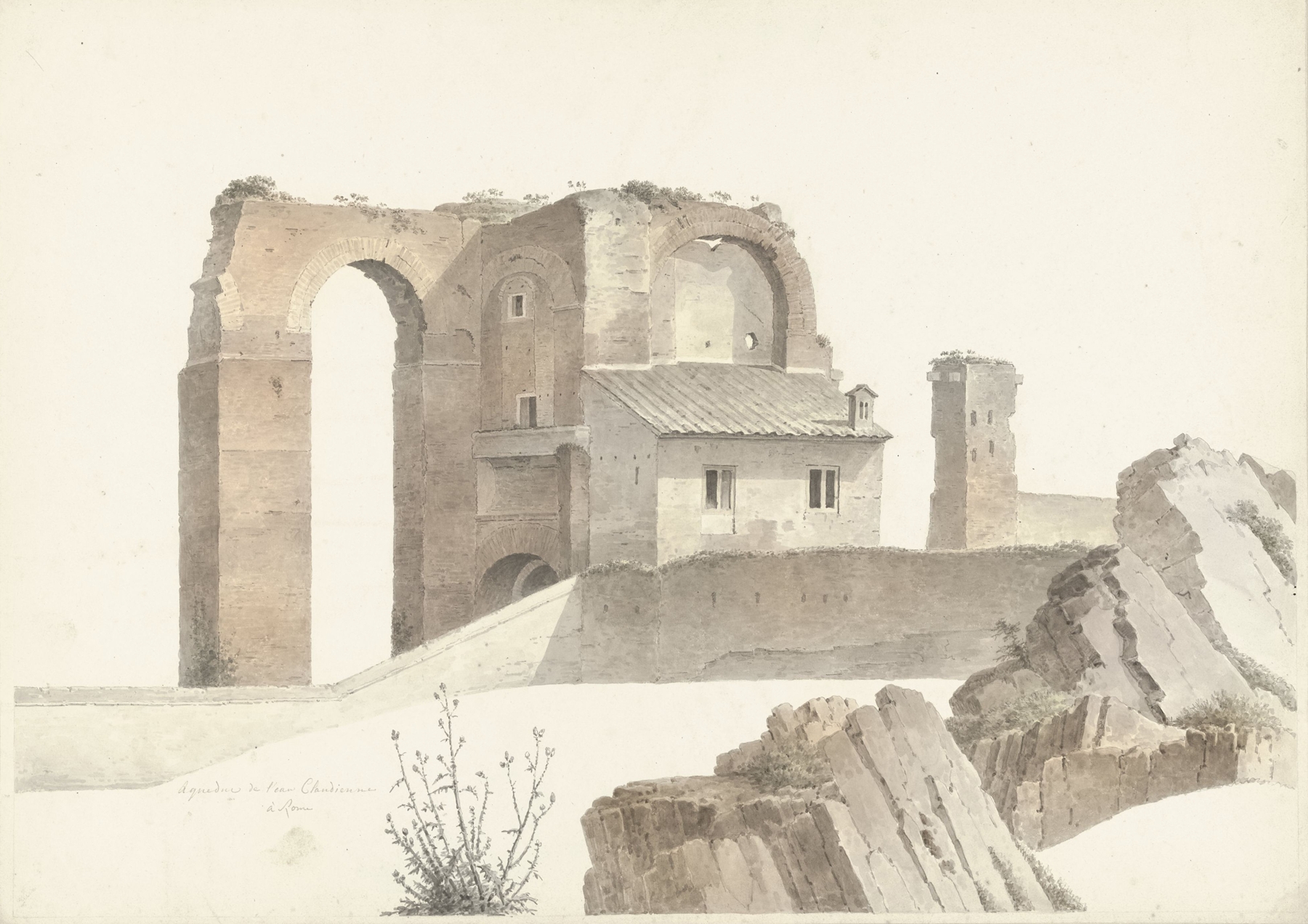
What if silence could speak through light? In the delicate interplay of shadow and illumination, a world unfolds where history breathes through the architecture of faith. Look to the left at the grand façade of the Basilica, its intricate details beckoning the eye. Notice how the golden hues of the setting sun cascade over the ancient stones, casting elongated shadows that whisper tales of time. The artist employs a soft yet deliberate palette, using creams and warm browns to evoke a sense of warmth and reverence.
The composition elegantly frames the monastery, inviting the viewer to feel the weight of its monumental presence amid the tranquil Roman landscape. As your gaze travels, consider the juxtaposition of the robust structure against the soft, ephemeral sky. This tension between permanence and transience resonates deeply, inviting reflections on spiritual endurance in a world constantly in flux. The artist’s careful orchestration of light and shadow not only enhances the architectural details but also evokes a meditative stillness, suggesting the sacred silence that envelops such venerable spaces.
In this moment, we witness the invisible essence of history, where the past converses softly with the present. Josephus Augustus Knip created this artwork between 1809 and 1812 while in Rome, a city alive with artistic fervor and historical significance. Amidst the neoclassical revival, his focus on the architectural grandeur of religious sites reflects a period marked by admiration for both the sublime and the spiritual. As he captured the Basilica and Monastery of Santi Giovanni e Paolo, Knip was not just documenting a physical structure but engaging with the deeper dialogues of faith and time.