The Aqua Claudia in Rome — History & Analysis
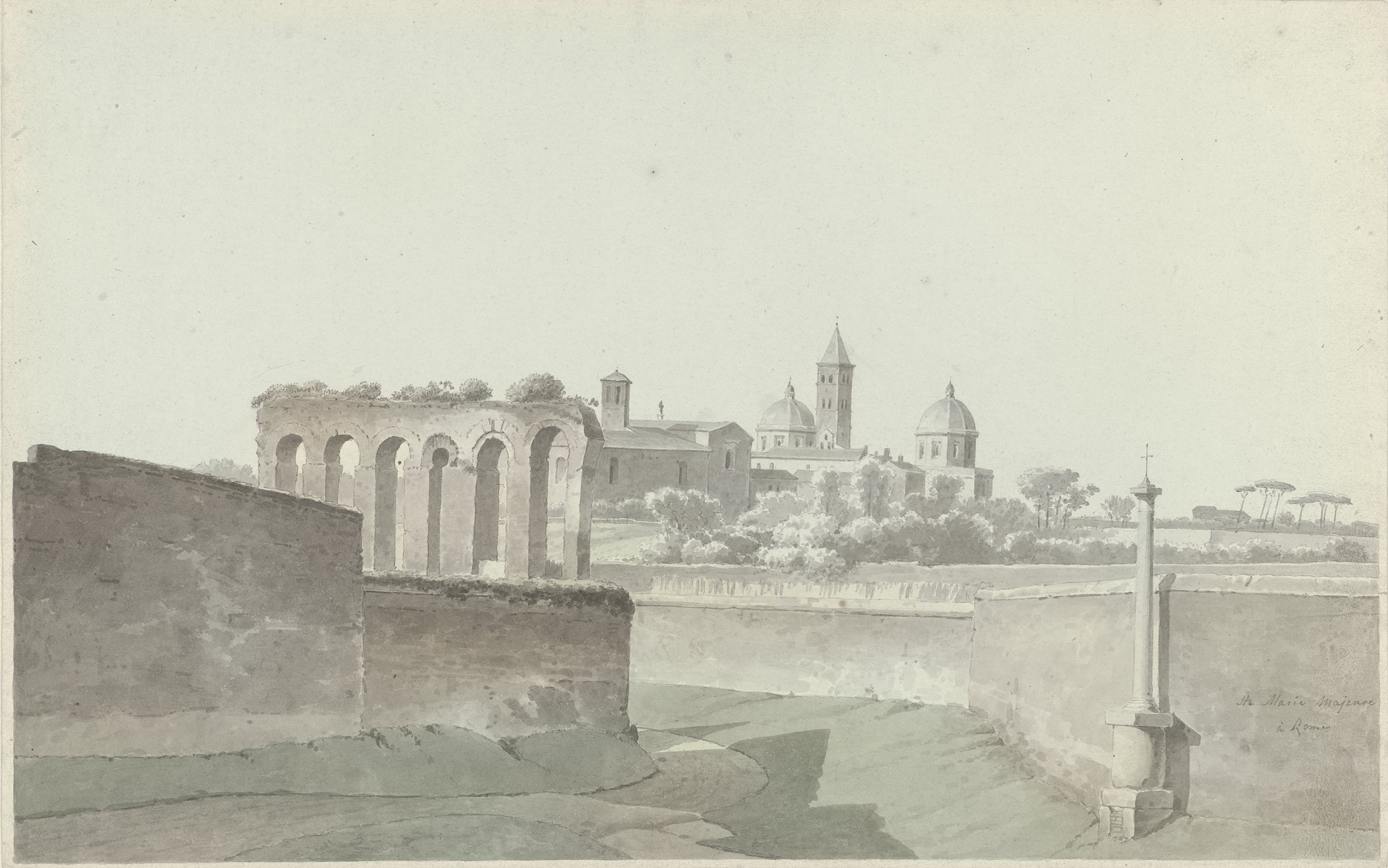
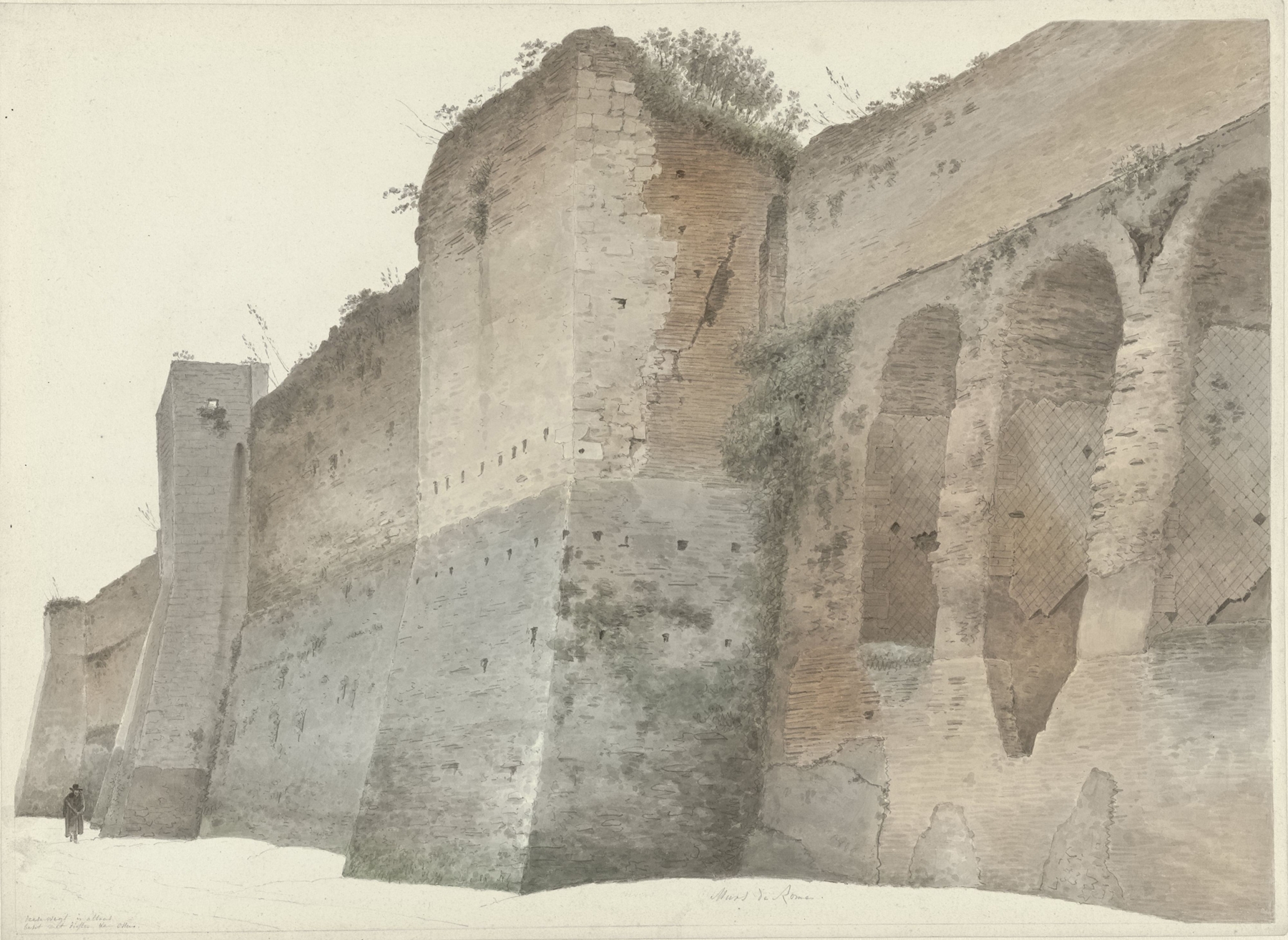
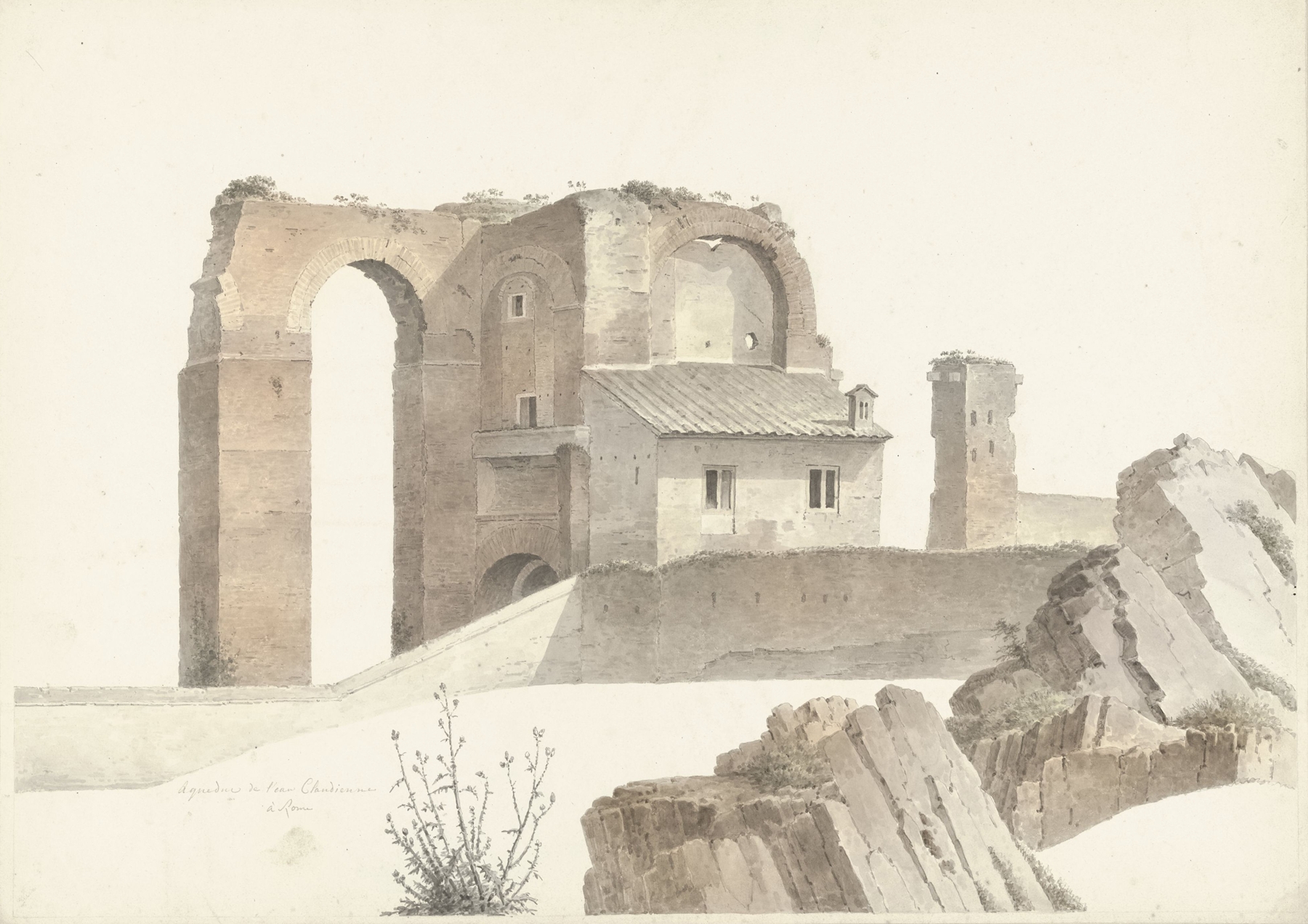
“The canvas doesn’t lie — it simply waits.” With every brushstroke, nostalgia seeps from the surface, inviting us to linger in a moment long since passed. It whispers of ruins and echoes of a history that once thrived, urging us to ponder the delicate balance between time and memory. Look to the left at the majestic arches of the Aqua Claudia, rising gracefully against a sky painted in hues of soft blues and warm pastels. The artist masterfully captures the crumbling beauty of this ancient aqueduct, emphasizing both its grandeur and decay.
Notice how the delicate play of light bathes the stone architecture, revealing textures that speak of centuries, while the tranquil water below mirrors the structure, creating a dialogue between earth and sky. This painting evokes a poignant sense of loss and reverence. The juxtaposition of the looming aqueduct against the serene surrounding landscape creates a tension between human achievement and nature’s relentless reclamation.
Small details—like the distant figures and the lush greenery—underscore the passage of time, hinting at life once vibrant amidst the ruins, now overshadowed by nature’s embrace. During the years from 1809 to 1812, the artist captured The Aqua Claudia in Rome while living in an era marked by Romanticism’s rise, which celebrated emotion and the sublime qualities of nature. Knip, deeply influenced by the classical tradition of landscape painting, found inspiration in the remnants of antiquity amidst a shifting European artistic landscape that sought both nostalgia and innovation.