Pastoral Landscape — History & Analysis
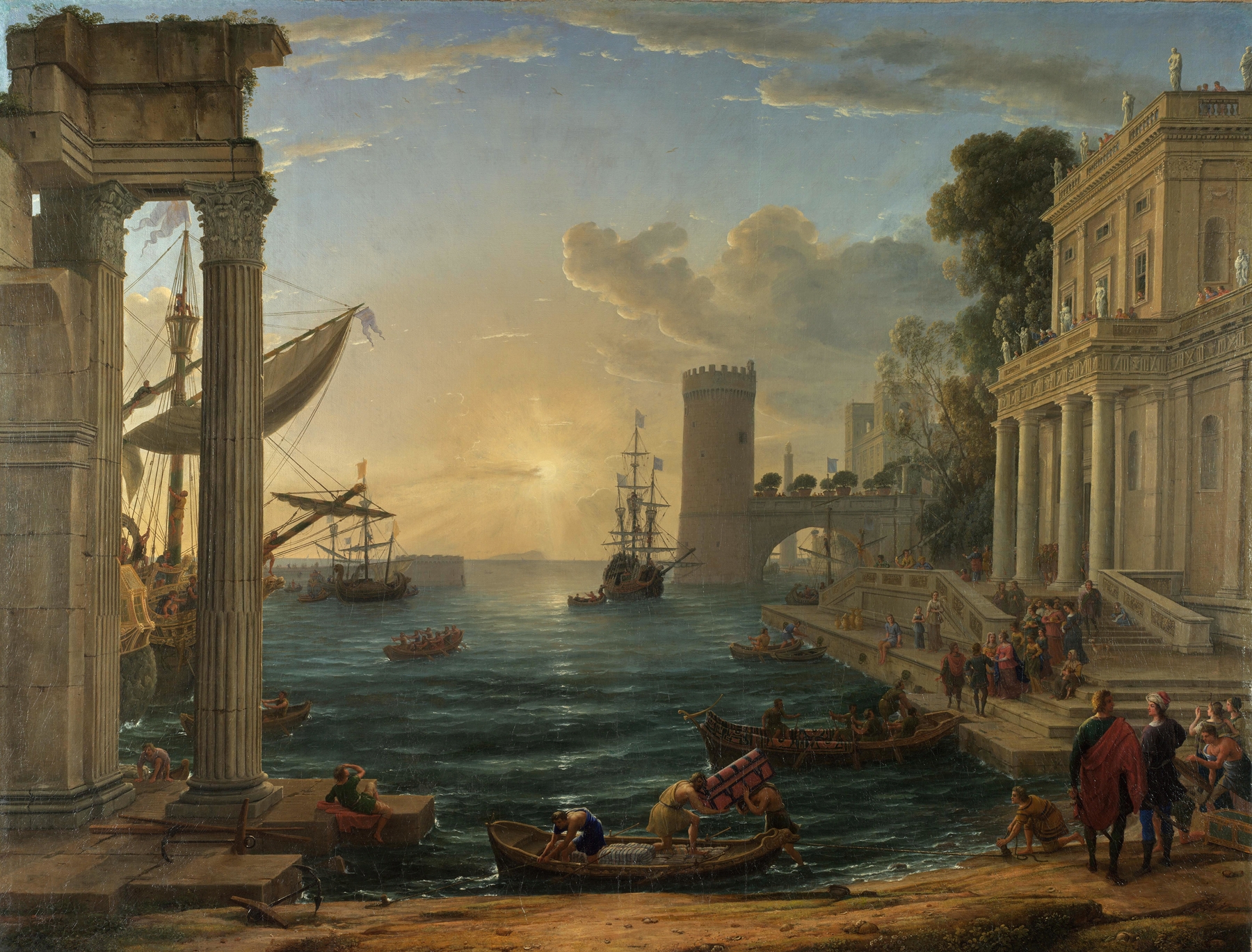
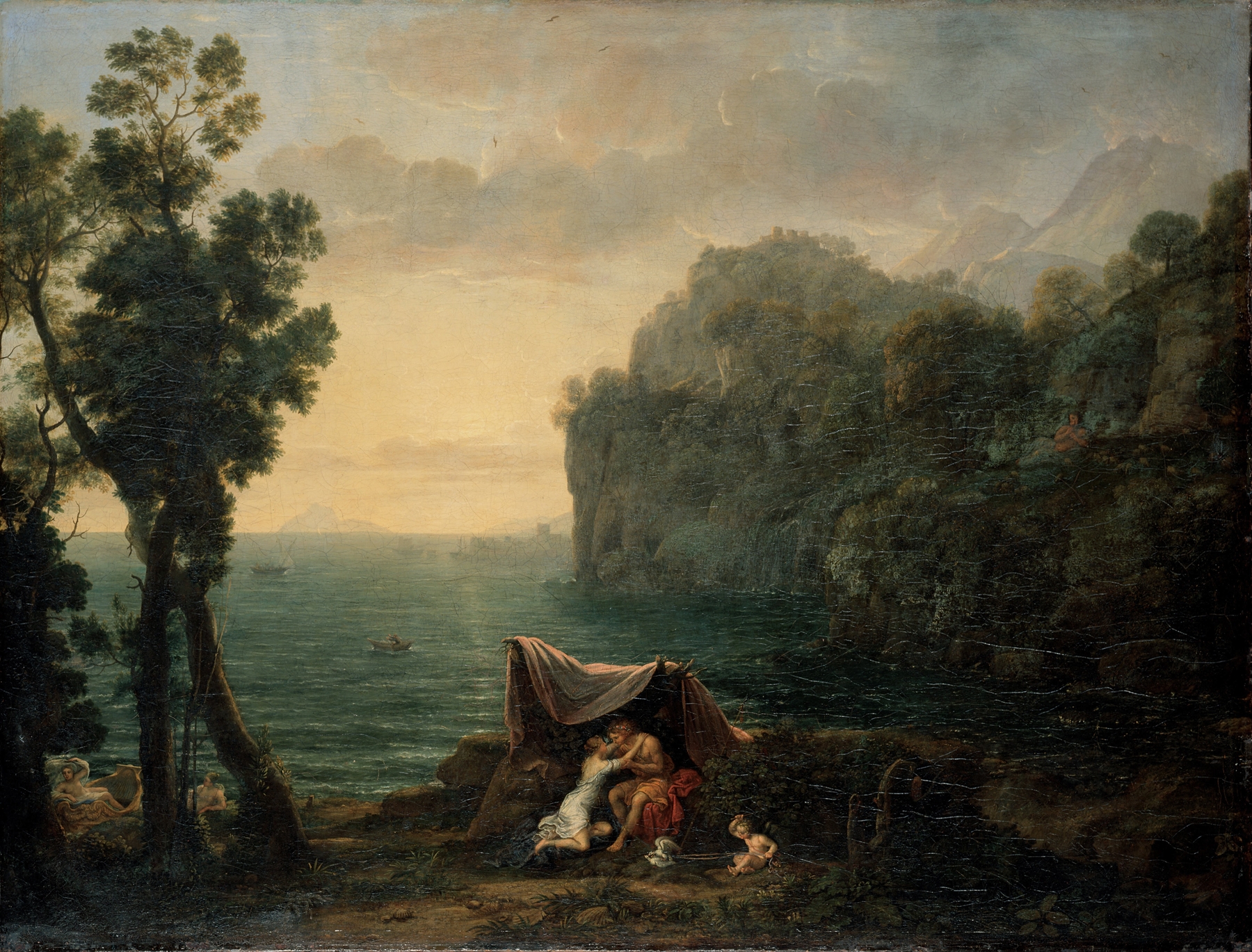
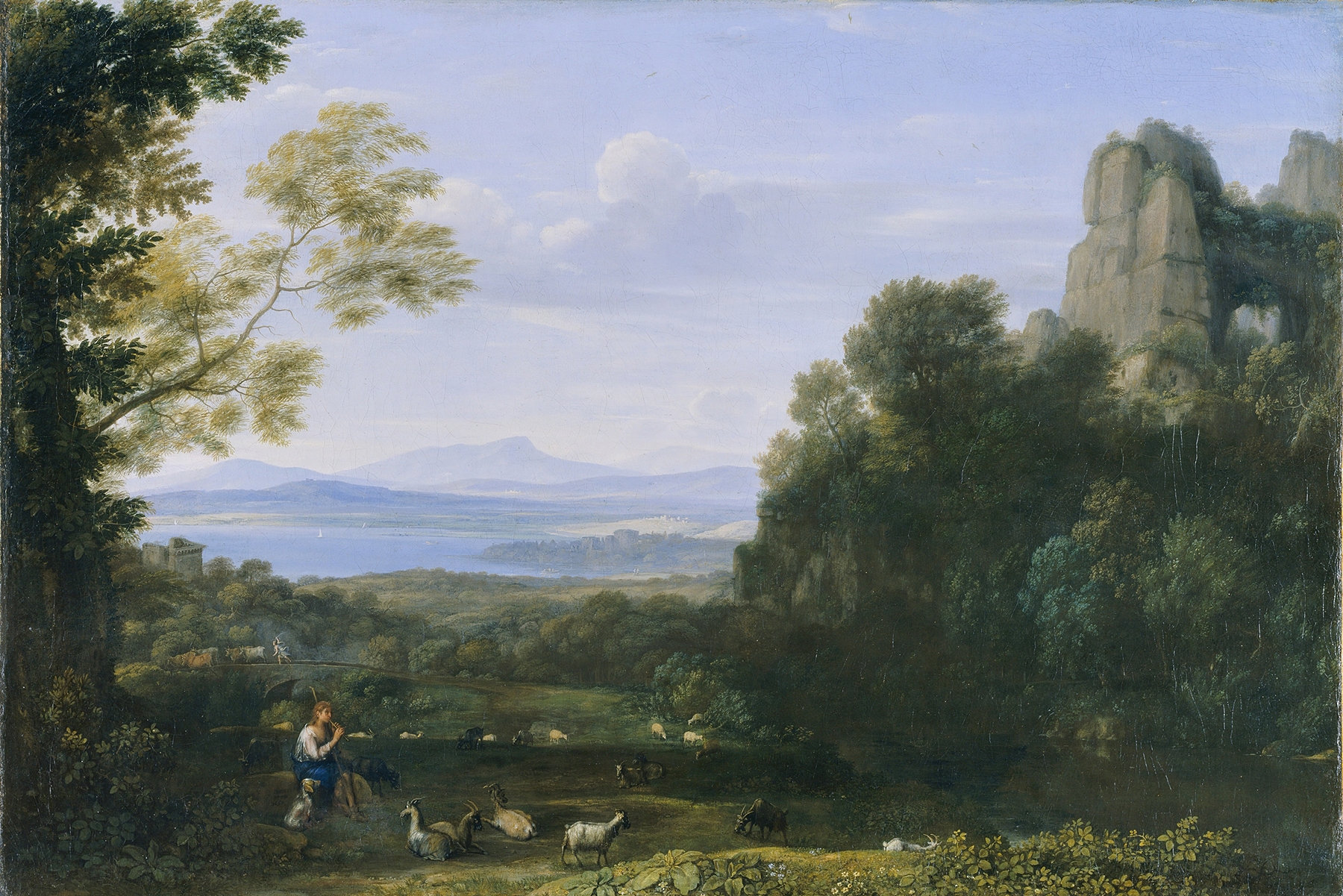
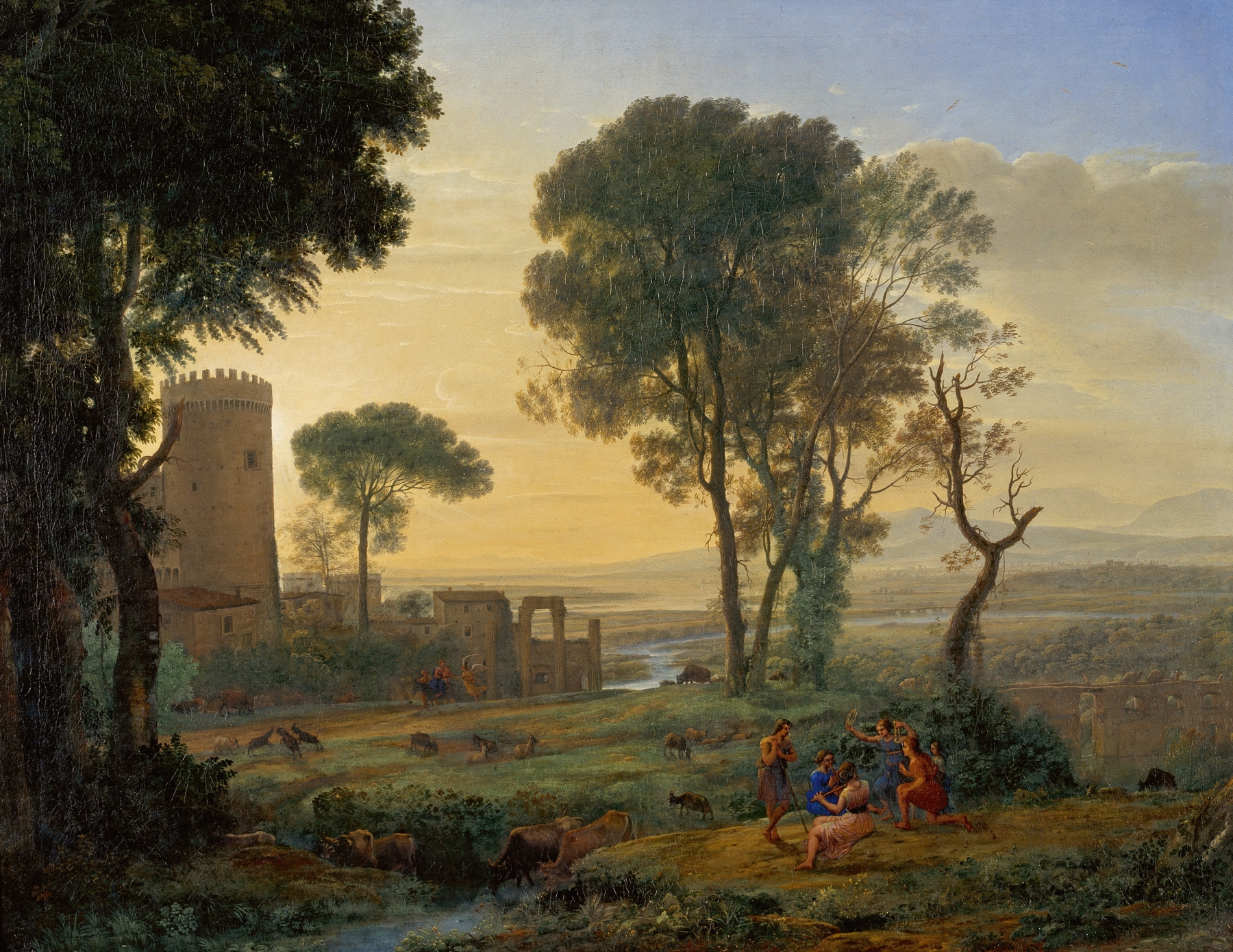
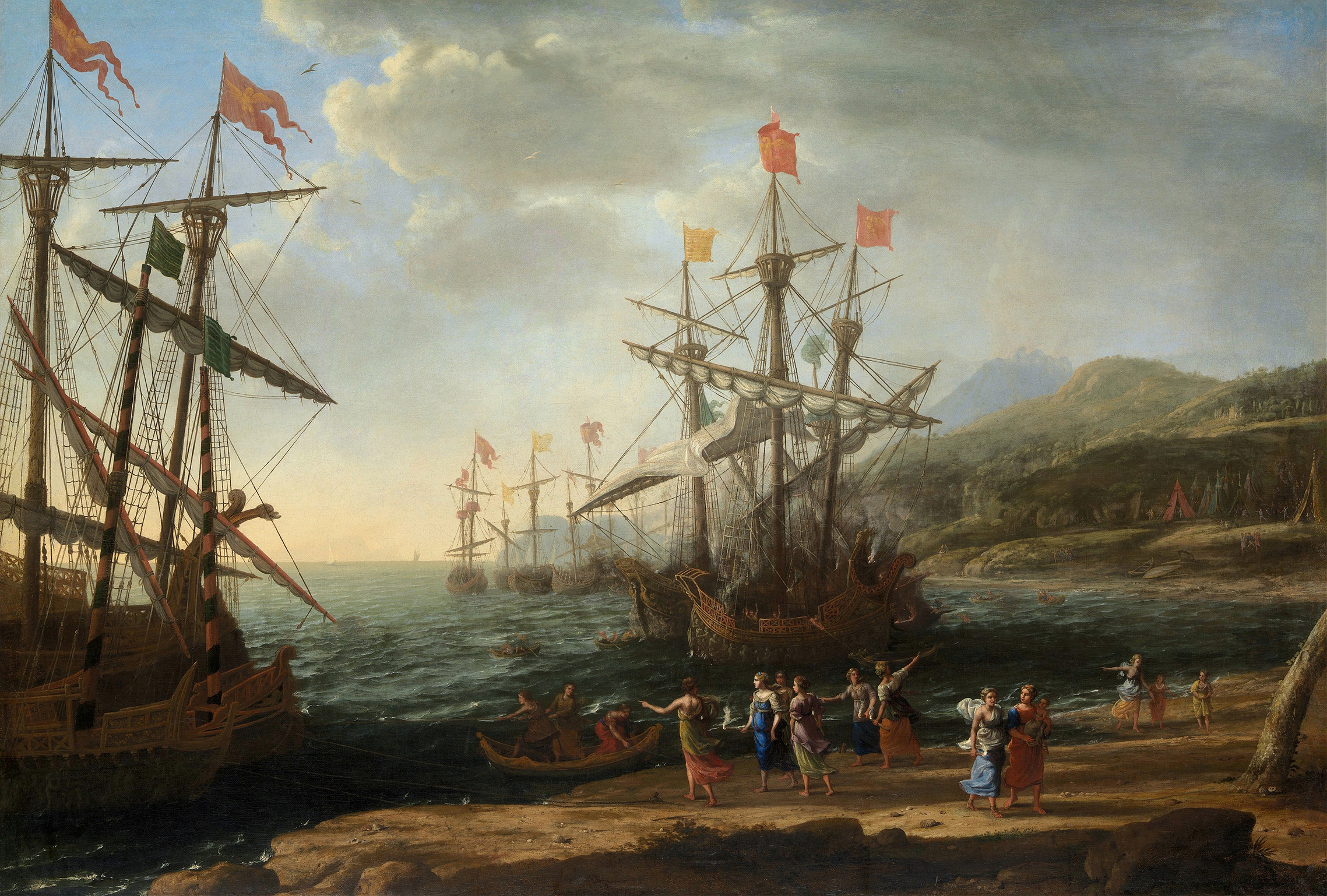
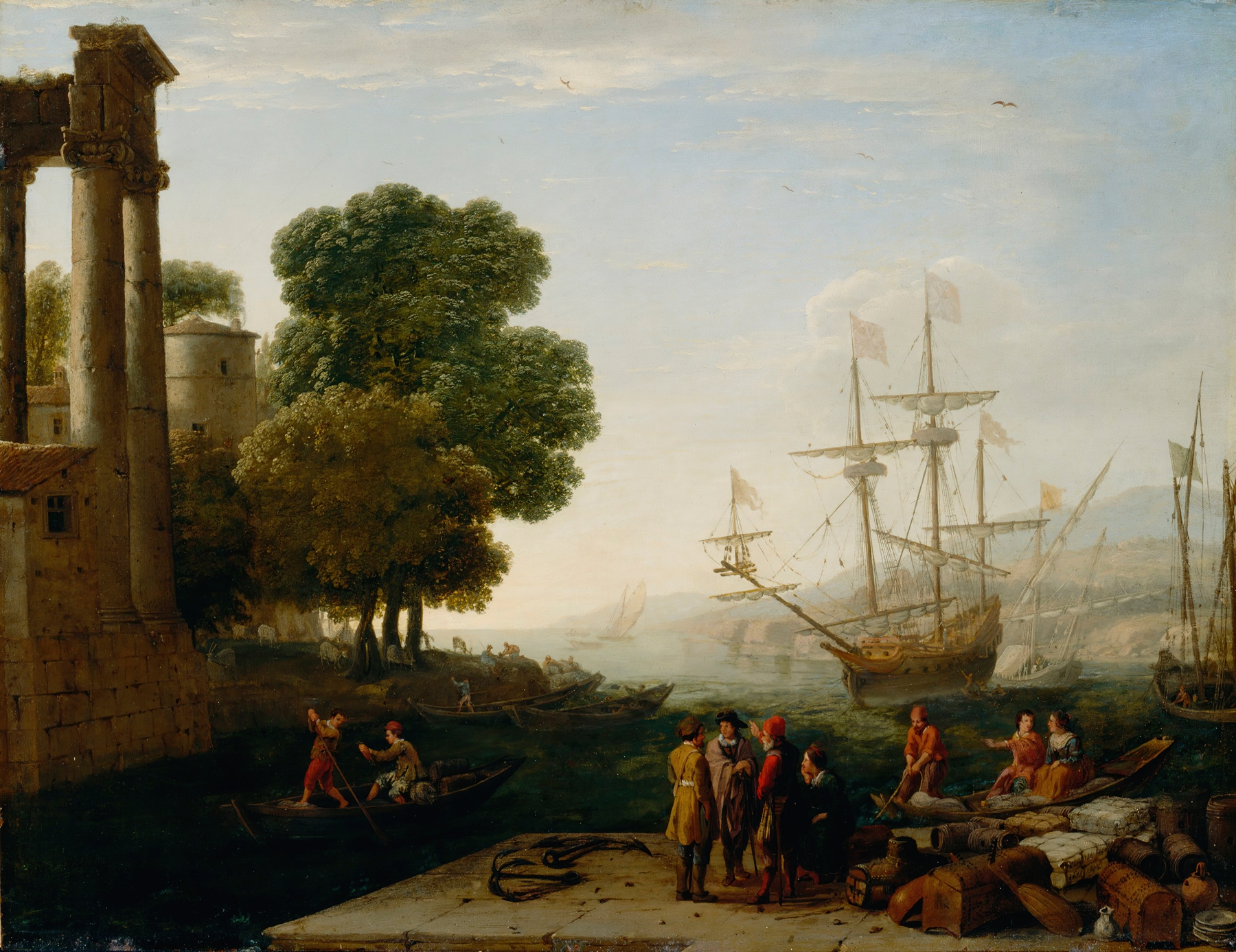
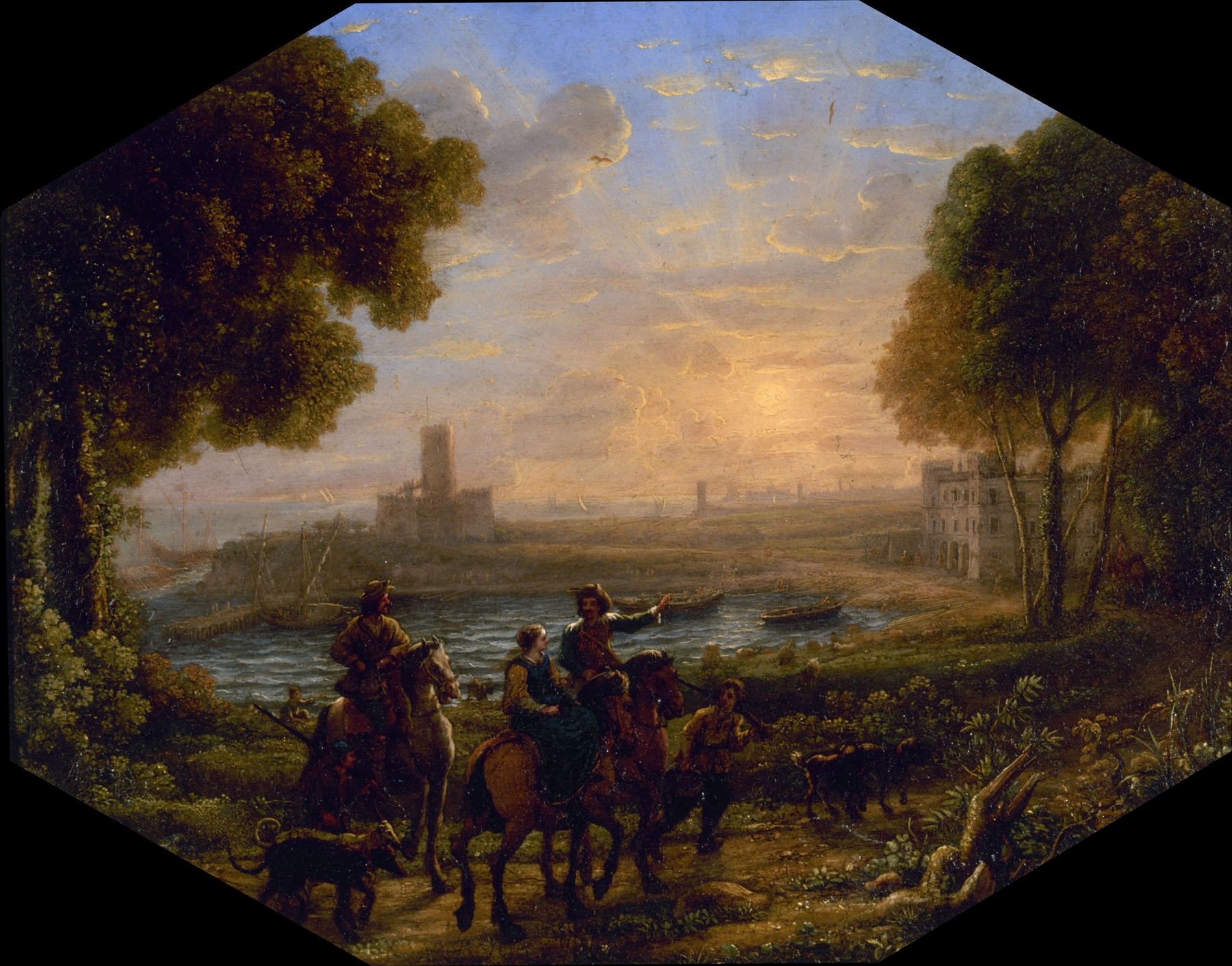
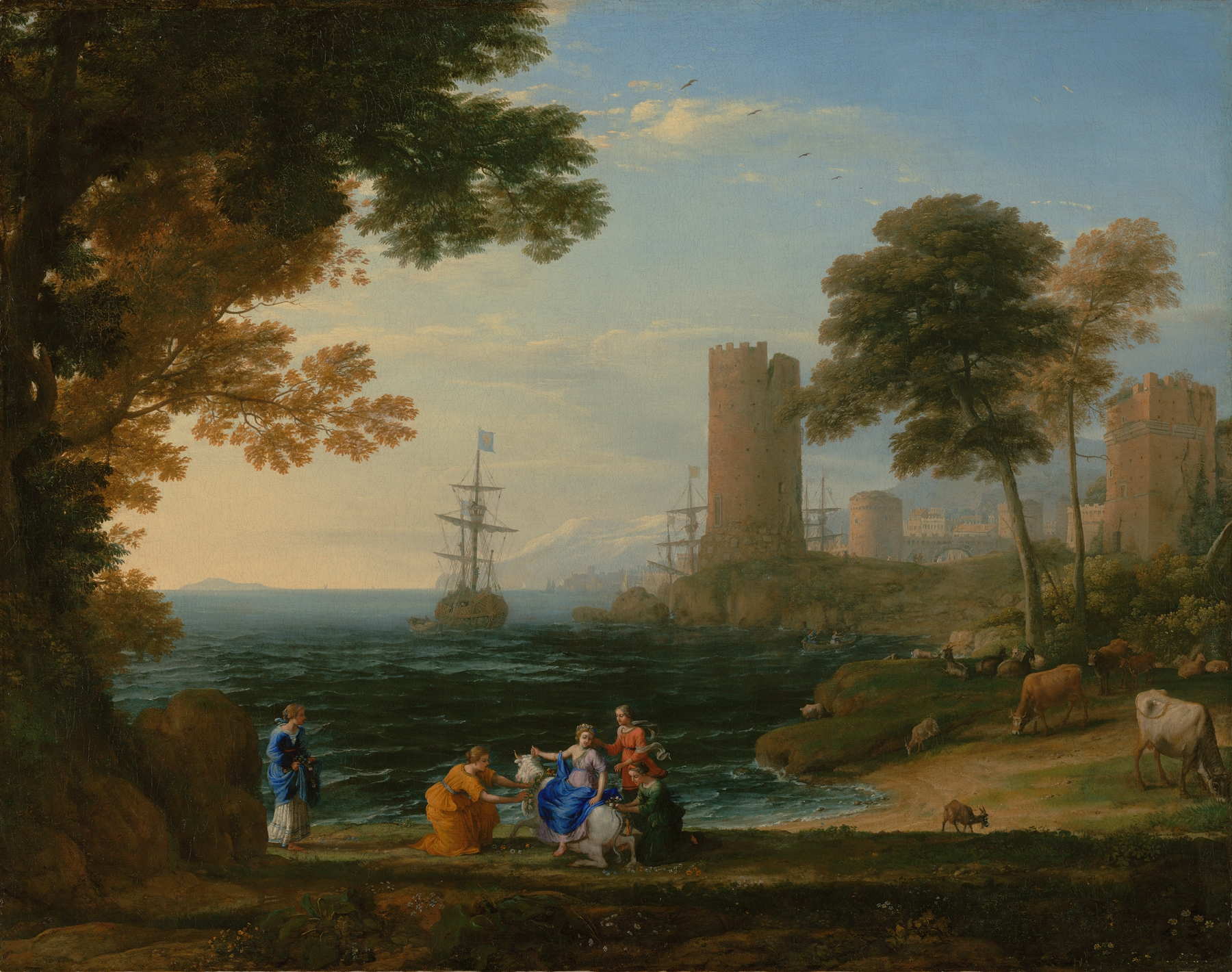
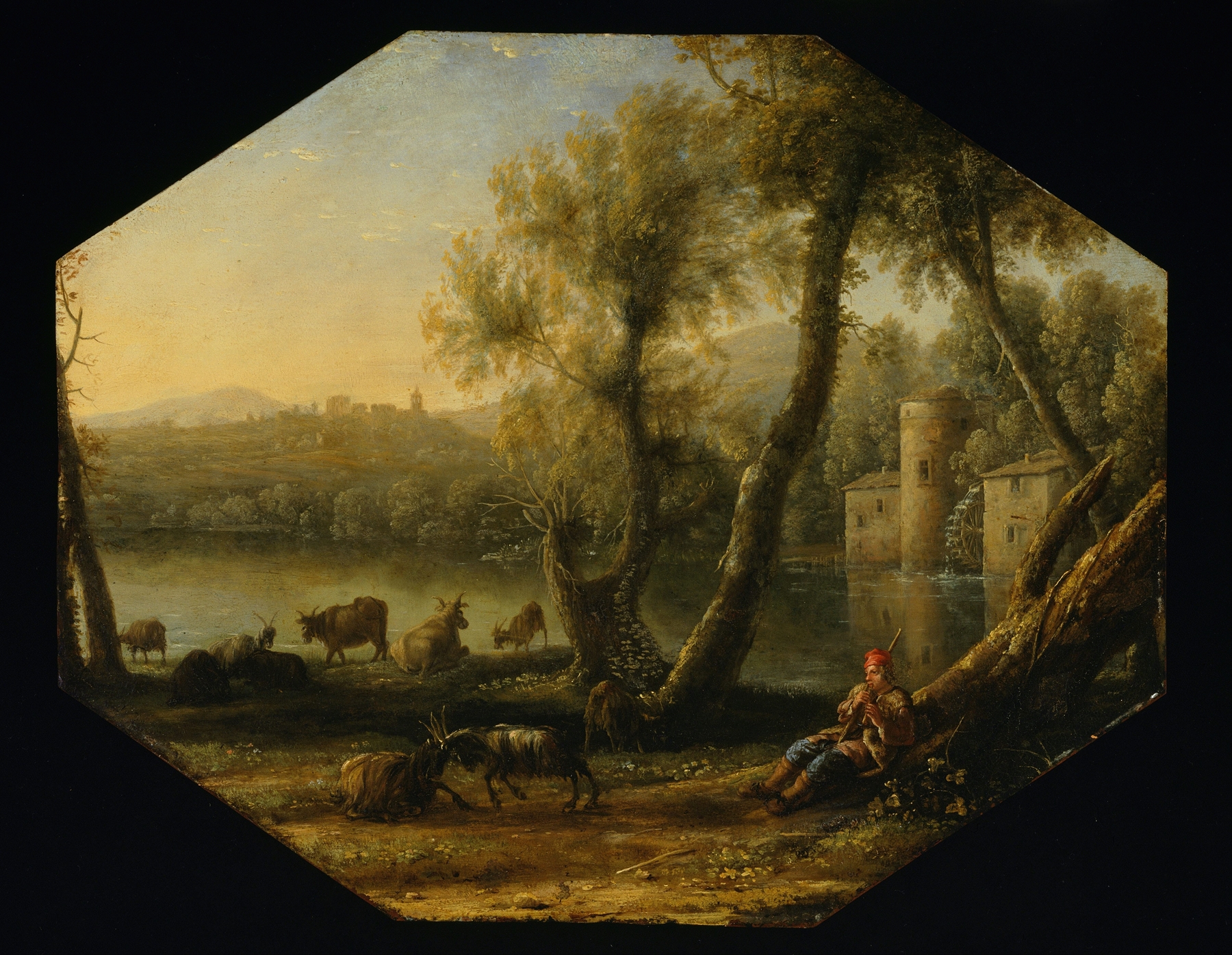
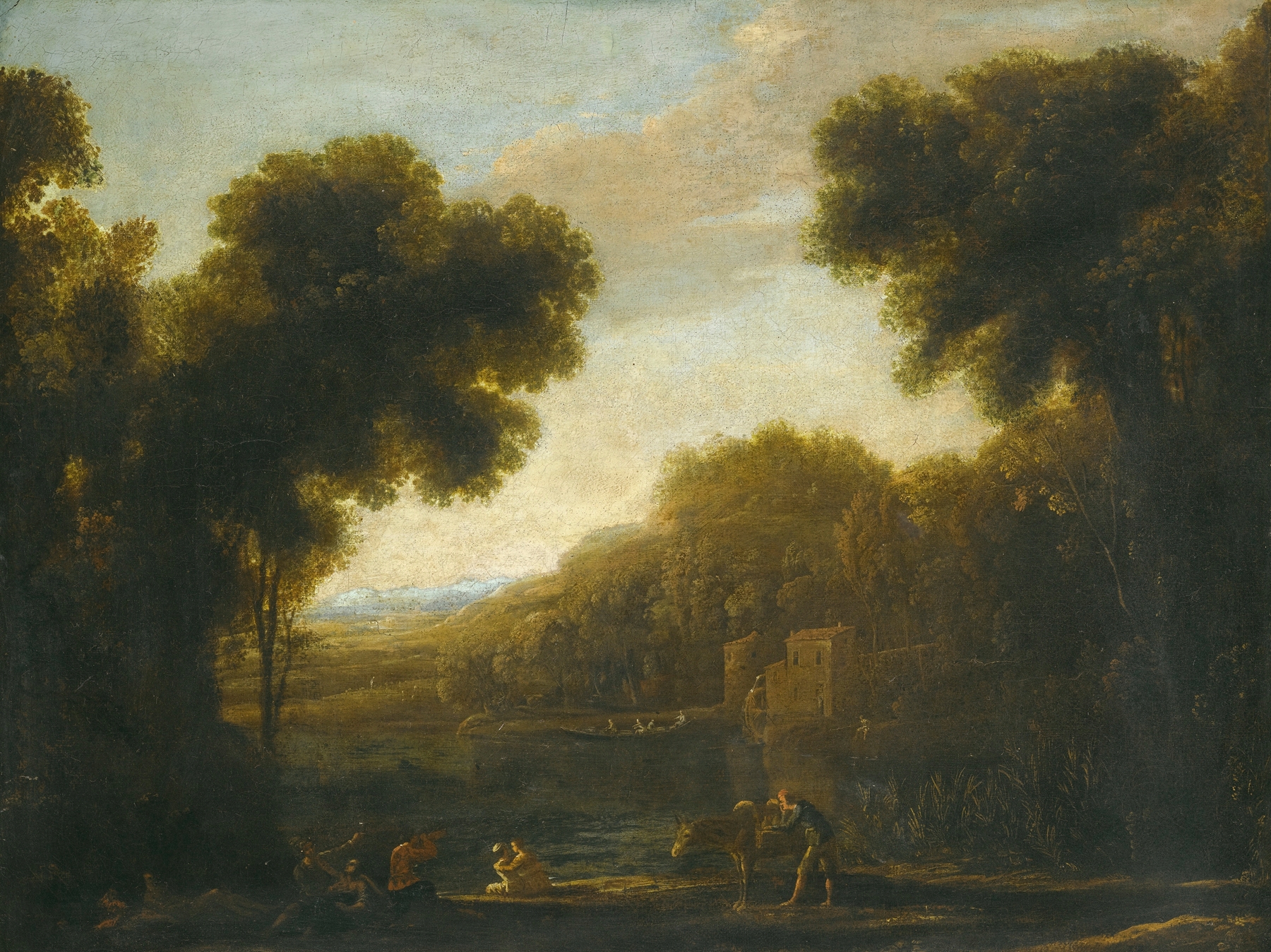
Where does light end, and longing begin? In a world where pastures stretch endlessly under a golden sun, we find ourselves suspended between the ephemeral and the eternal. Focus on the gentle undulations of the hills, where the soft greens and warm earth tones blend seamlessly, creating a harmonious embrace of nature. Notice how the light falls upon the water, shimmering with flecks of gold, drawing your eyes to the tranquil river that wanders through the scene.
The figures in the foreground appear almost like whispers against the vastness of the landscape, their gestures casual yet imbued with a deep sense of connection to the land. Each brushstroke reveals Lorrain's mastery in capturing the luminous quality of daylight, transforming a simple pastoral view into a profound experience of beauty. Within this idyllic landscape, there lies an undercurrent of mortality, as the passage of time is marked by the shifting light and the encroaching shadows. The serene figures, engaged in their daily tasks, contrast with the sublime grandeur of nature, reminding the viewer of humanity’s transient existence amidst eternal landscapes.
The rippling water and golden skies symbolize both the promise of life and the inevitability of change, inviting contemplation on the fleeting nature of moments we often take for granted. In 1638, Claude Lorrain painted Pastoral Landscape during a time when he was refining his technique, influenced by the Italian Renaissance. Living in Rome, he was surrounded by the beauty of the countryside, inspiring his serene depictions of nature. This period also marked a shift in the art world towards more romanticized and idealized representations of landscapes, a movement that Lorrain would come to embody throughout his career.