Pastoral Landscape — History & Analysis
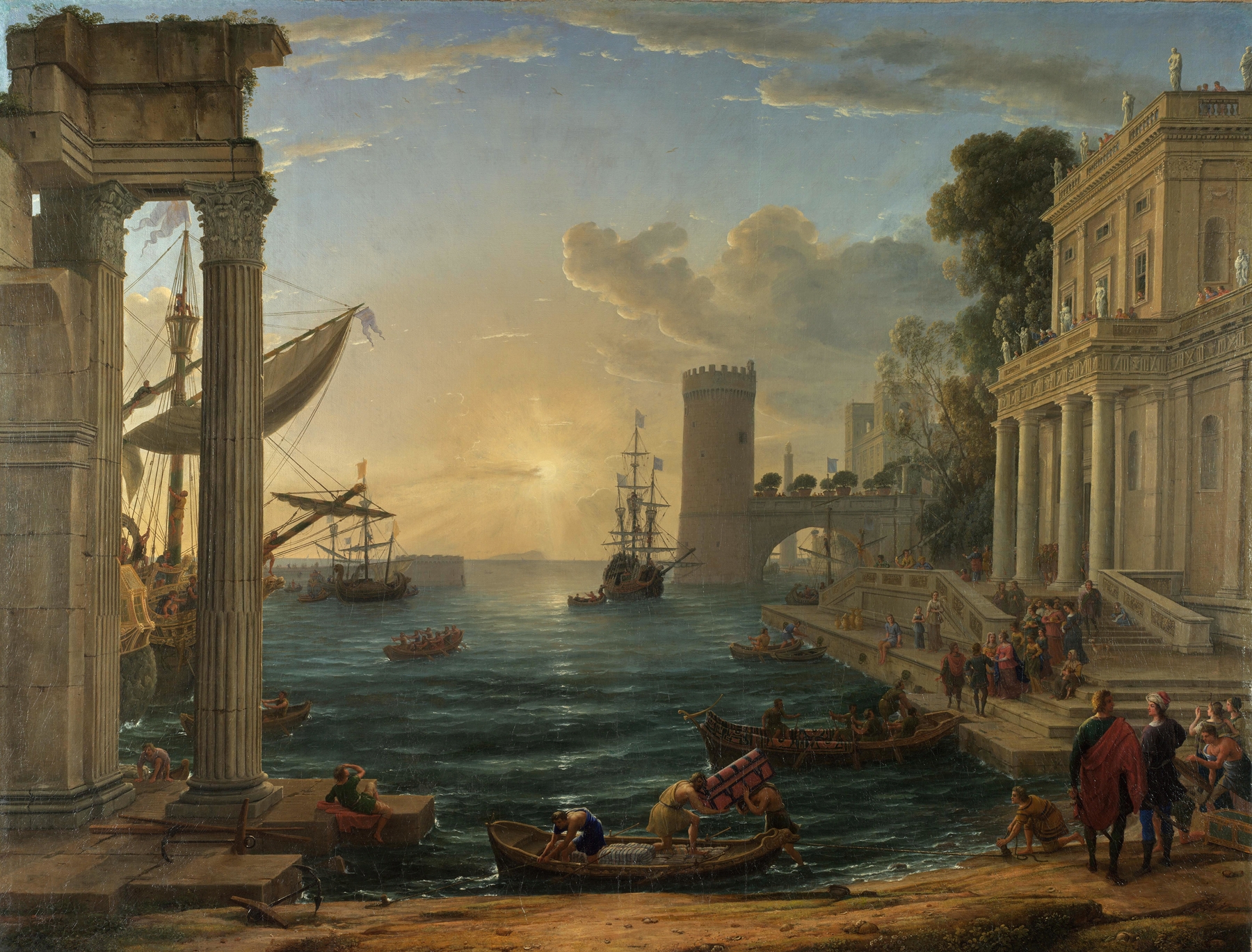
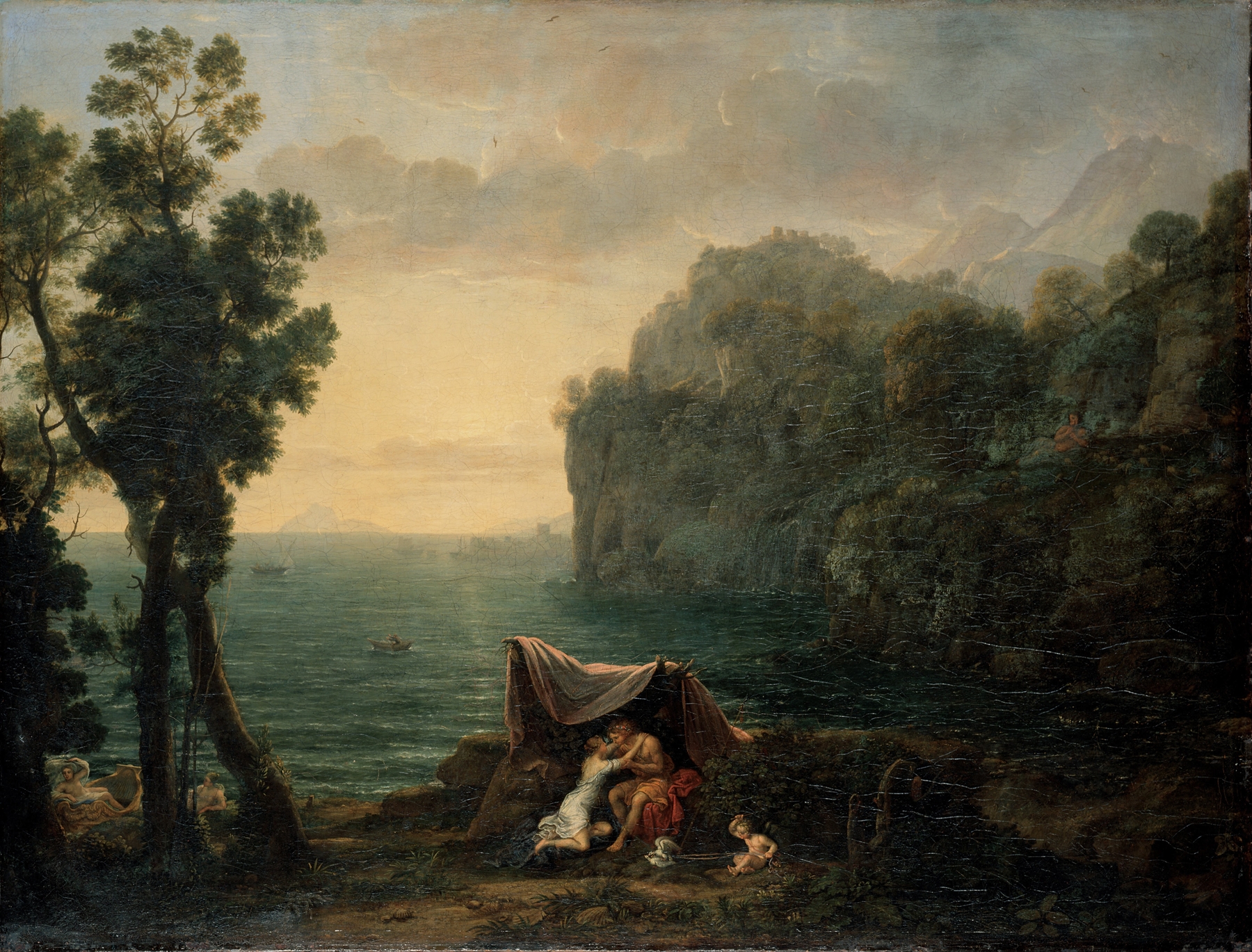
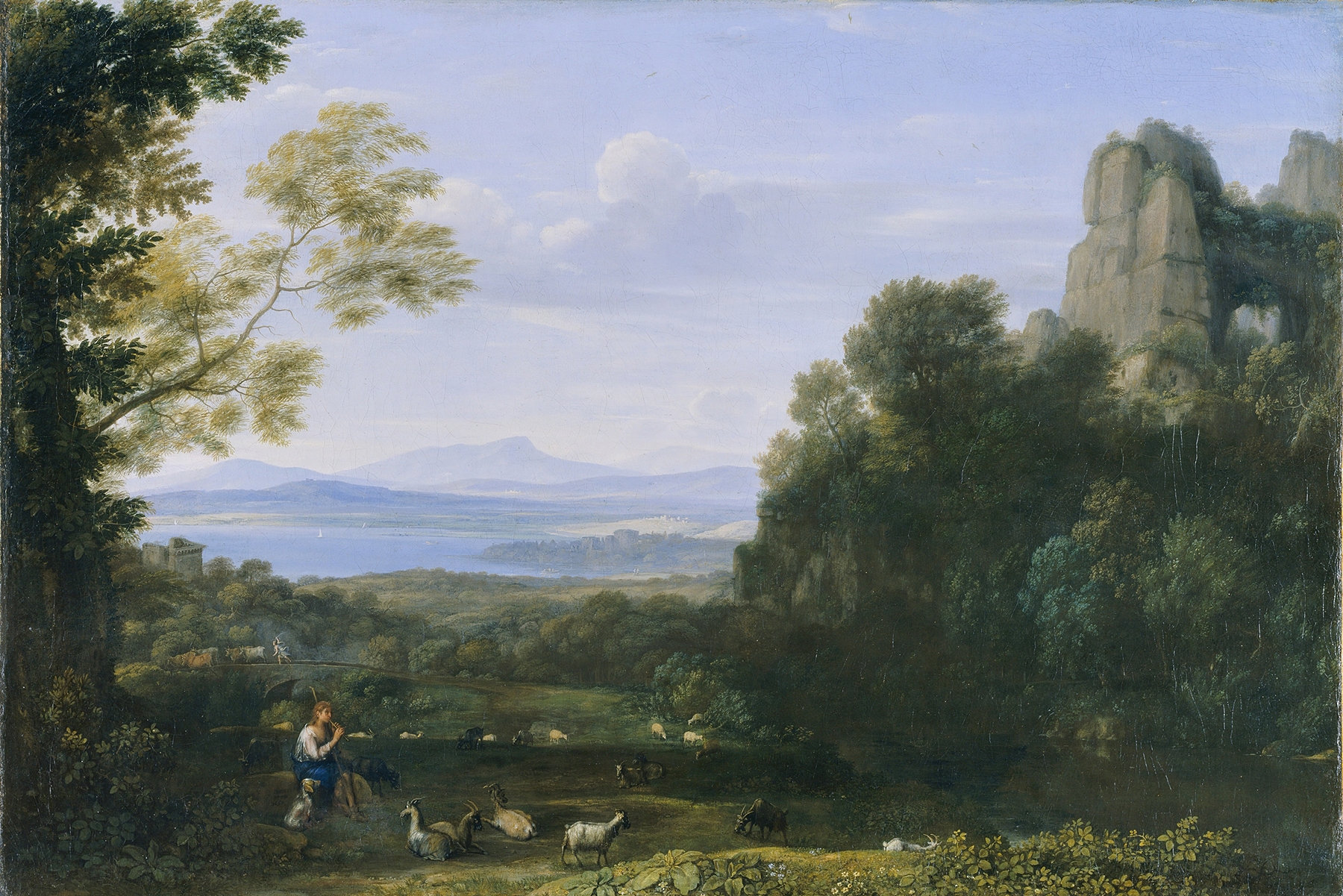
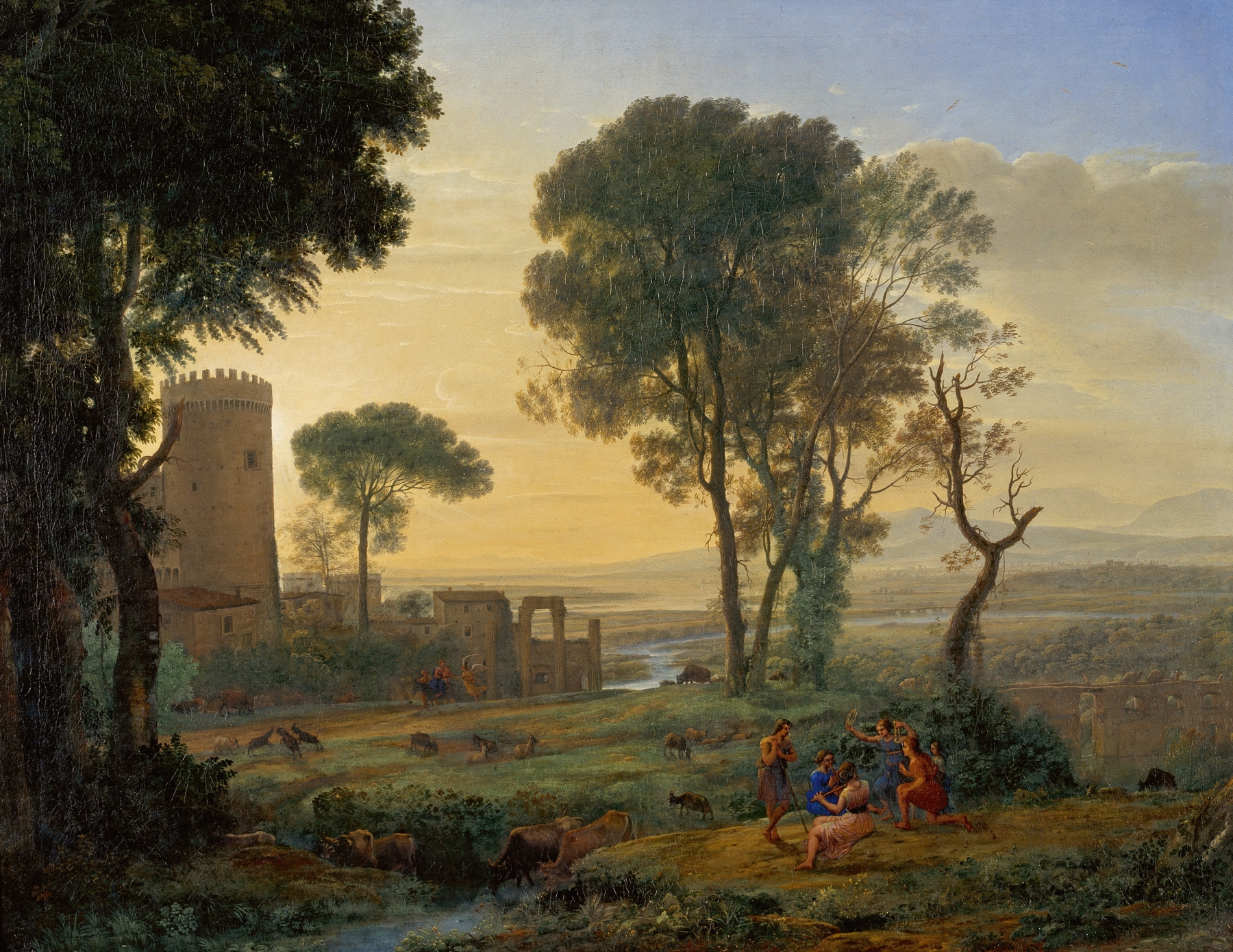
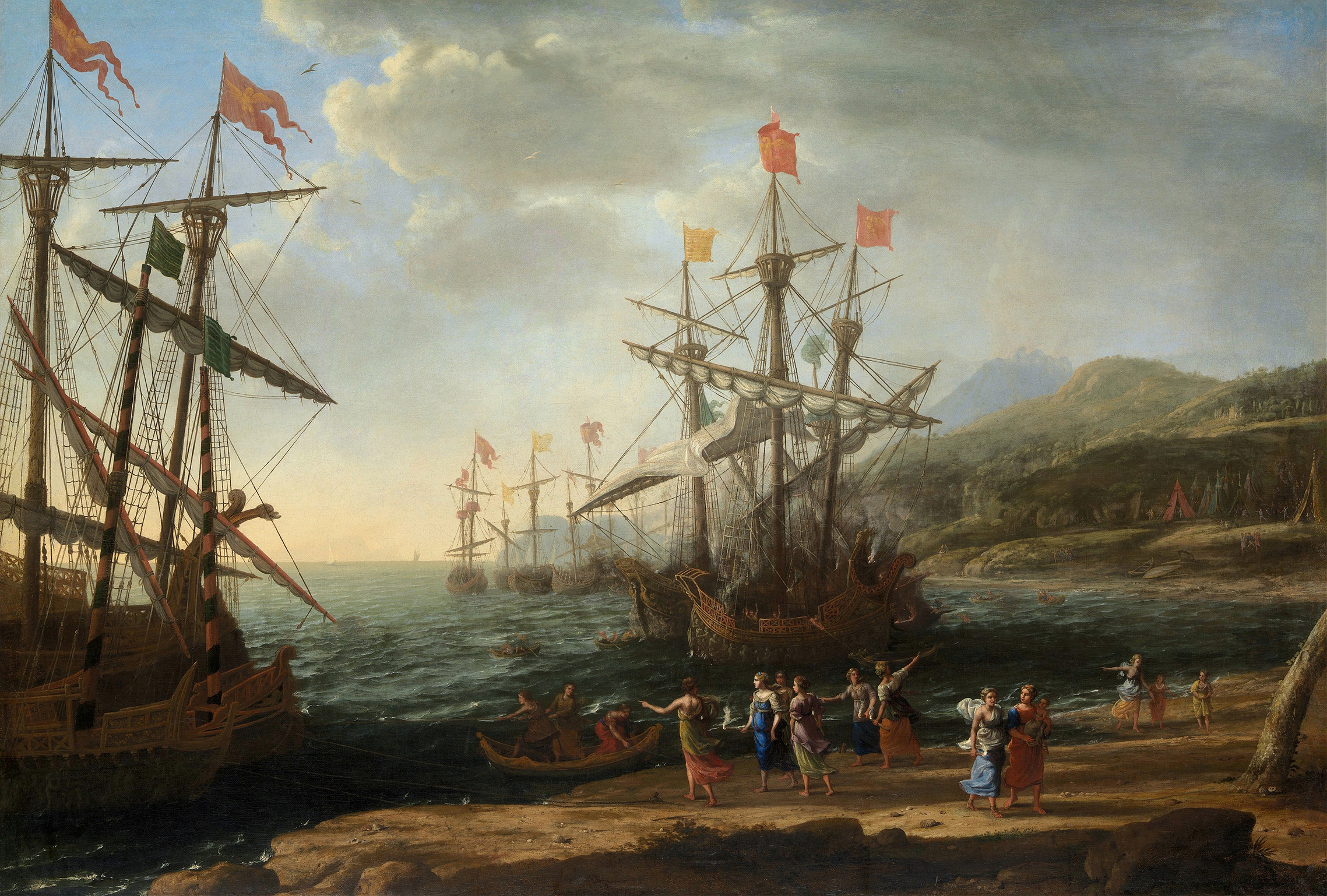
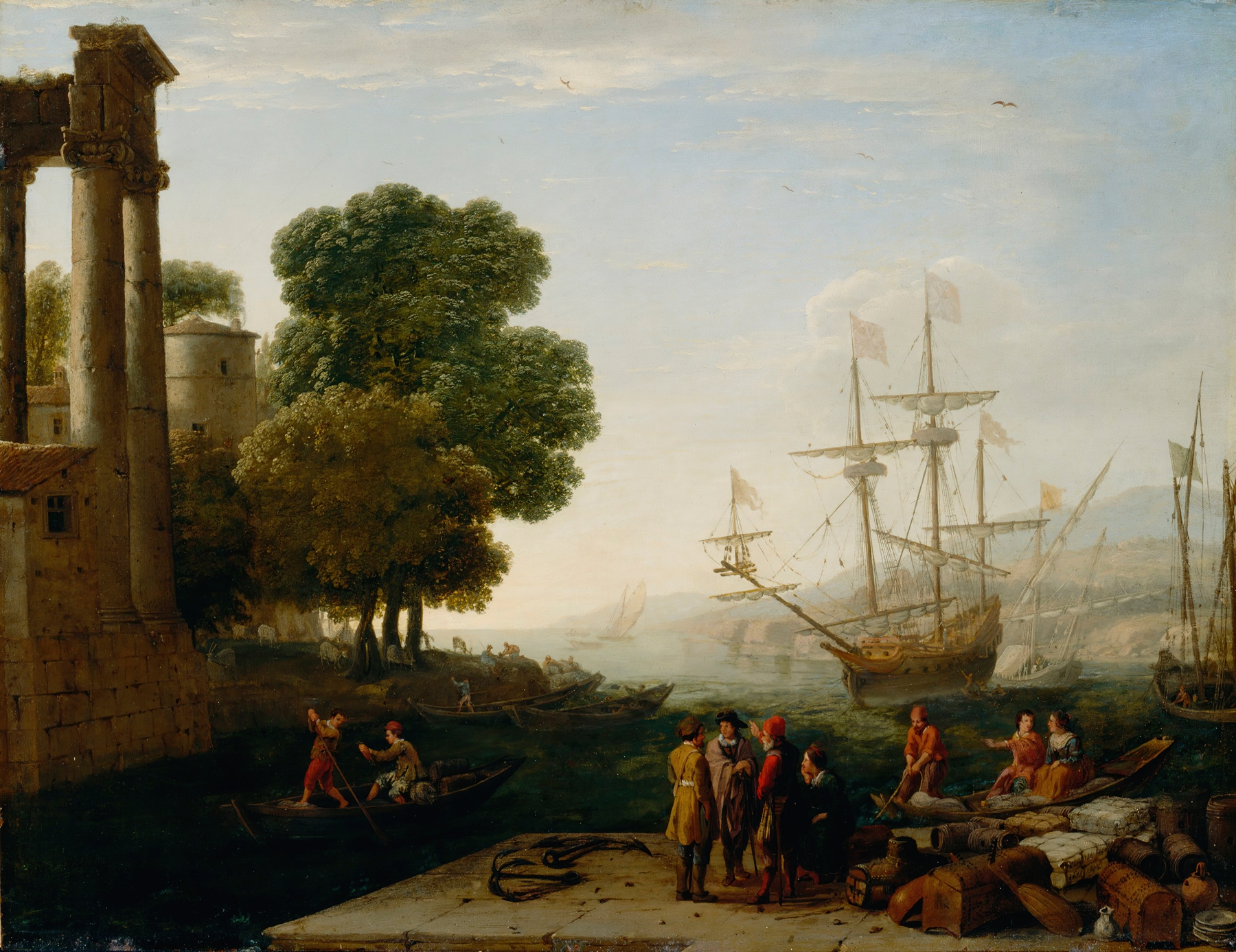
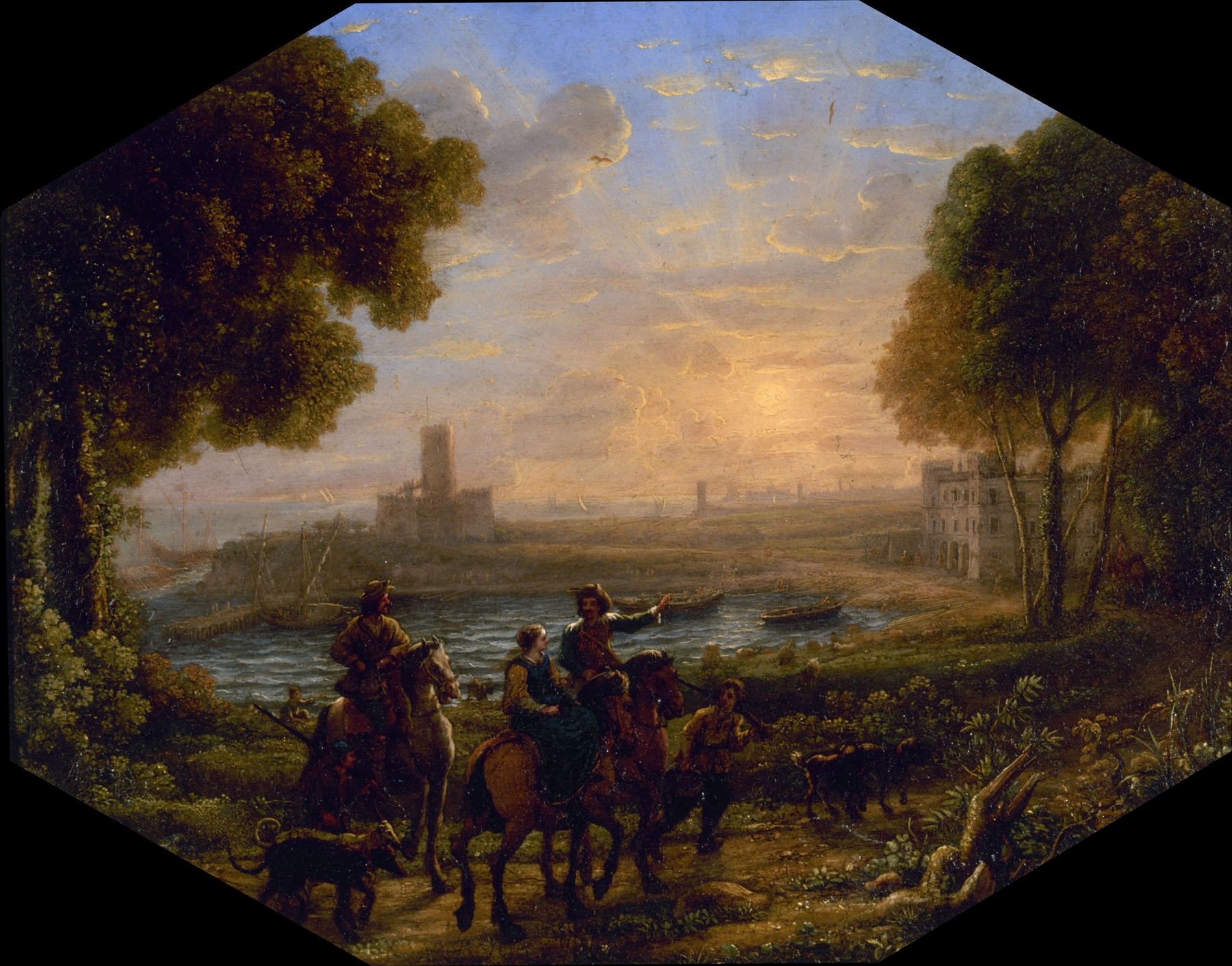
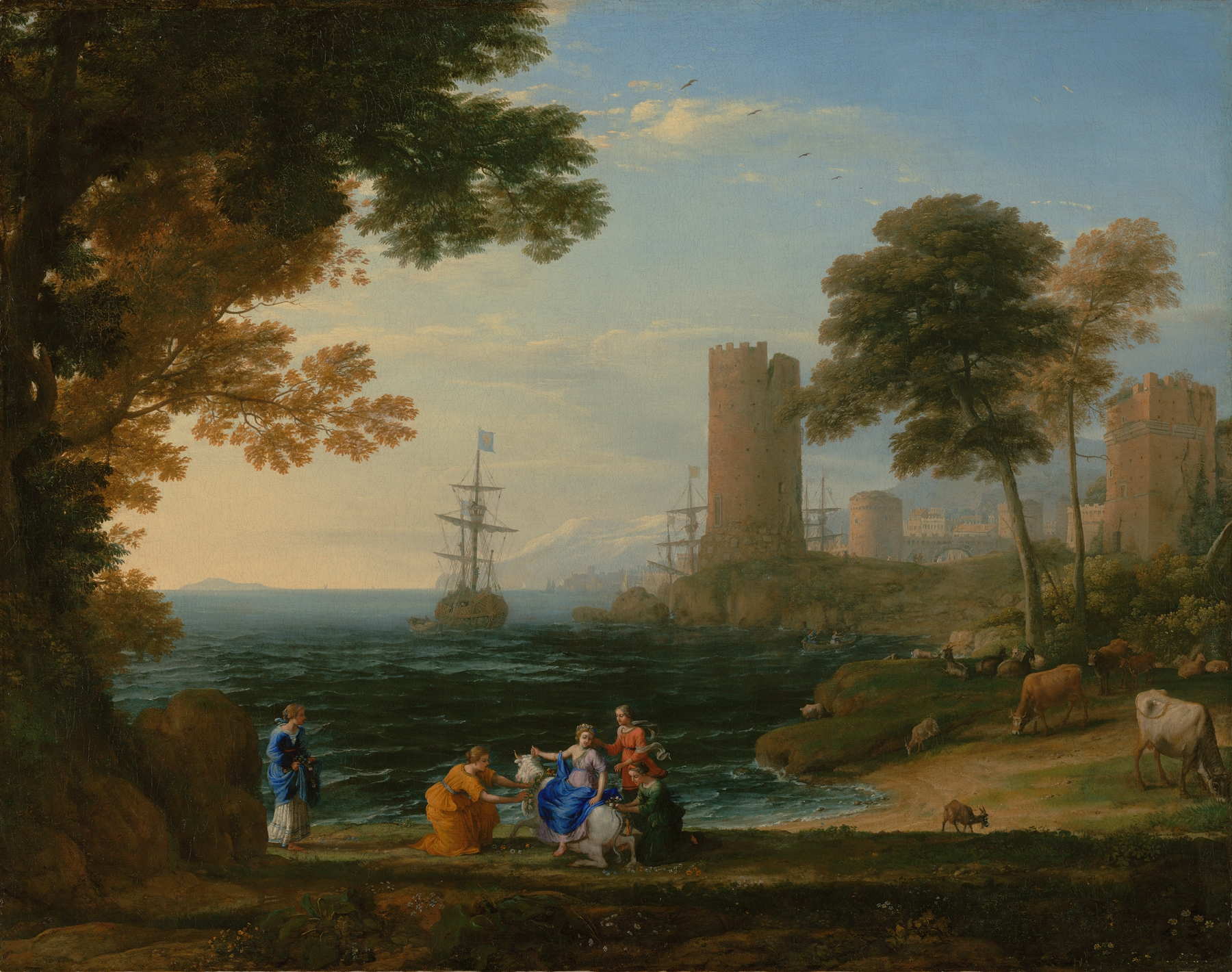
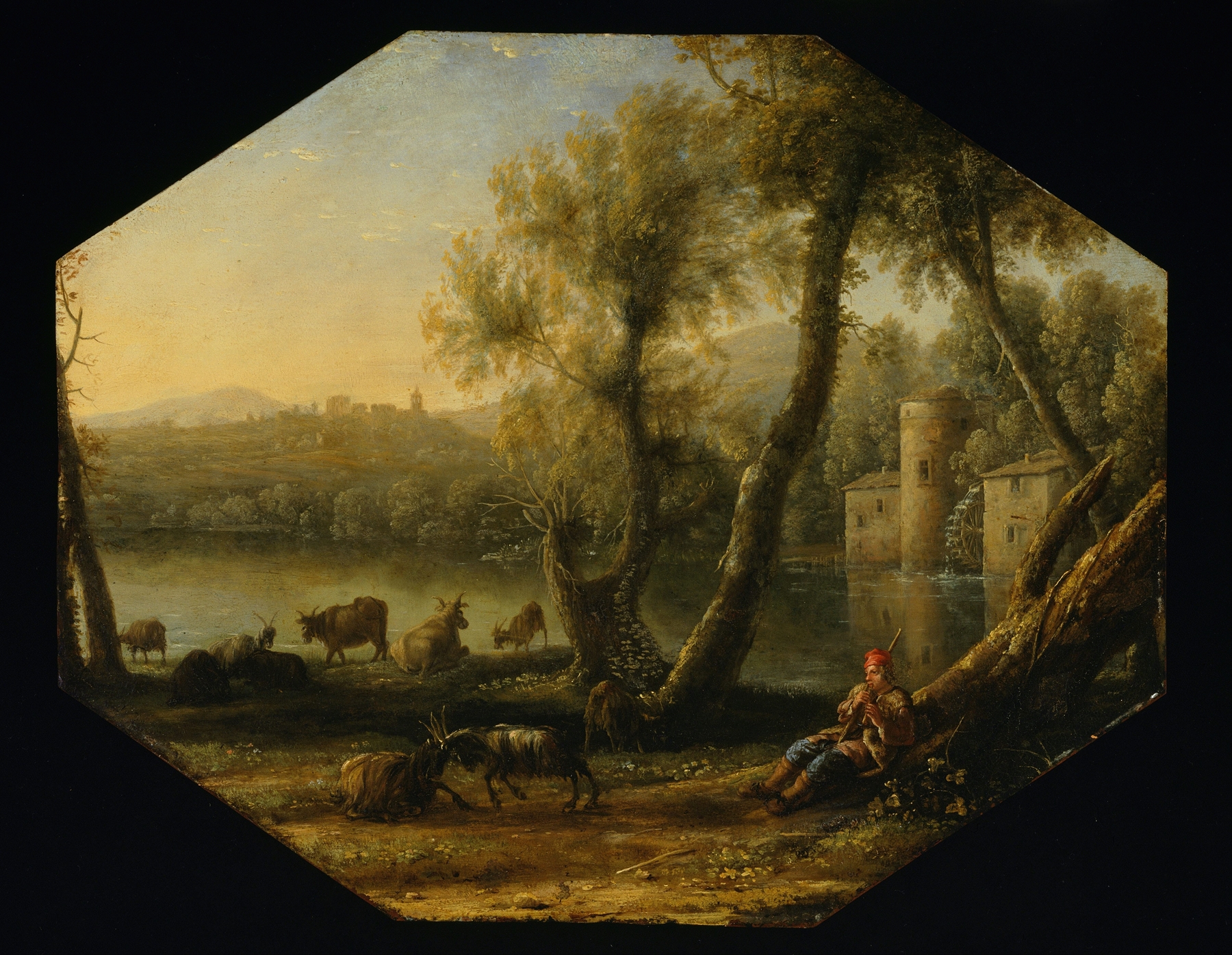
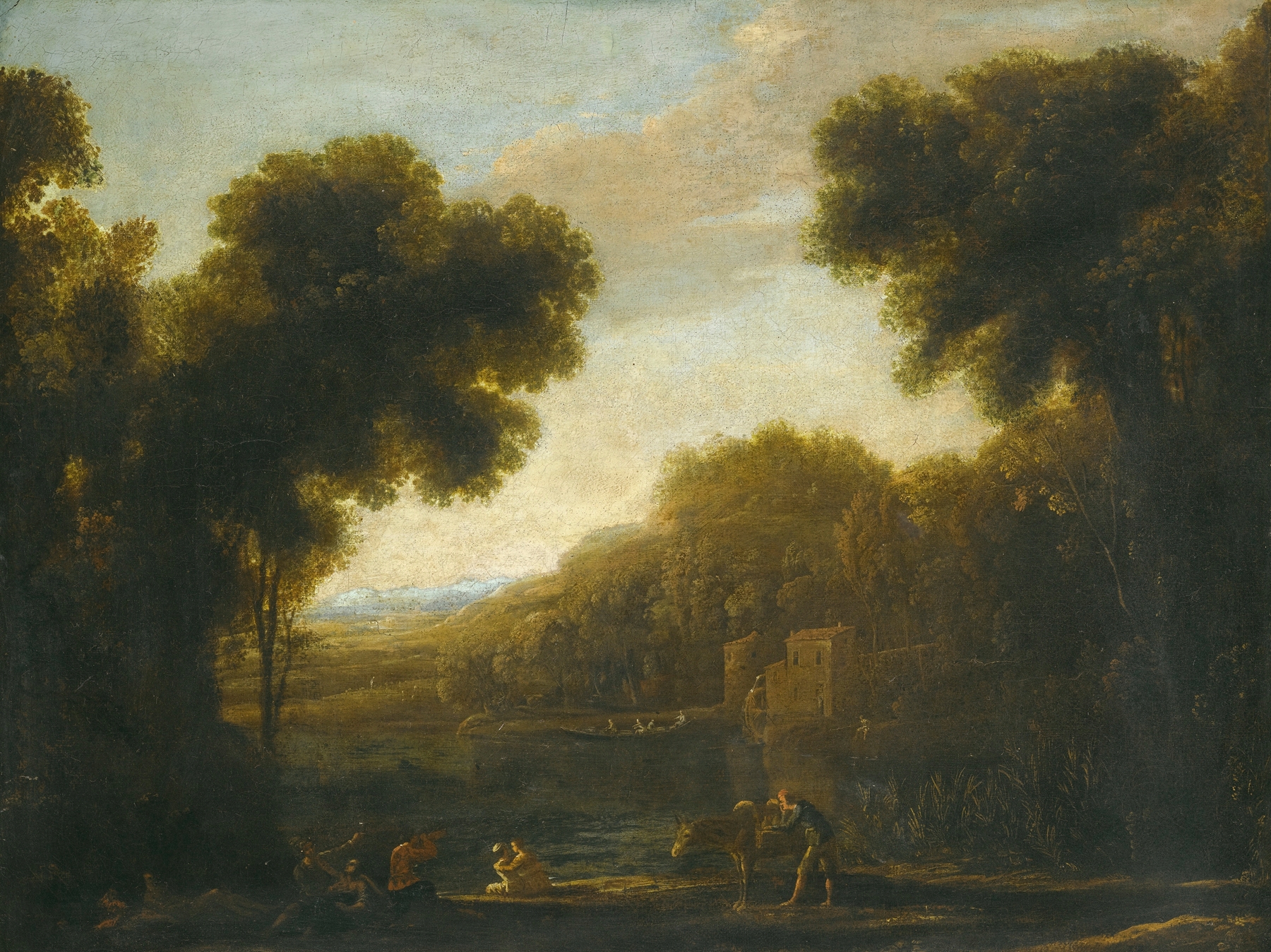
What secret hides in the quiet of the canvas? Beneath the idyllic facade of lush landscapes and serene skies, a deeper narrative of betrayal lingers in the shadows. Look to the left at the gentle curve of the hills, where the vibrant greens are kissed by golden sunlight. The composition draws your eye across the tranquil scene, inviting you to explore the harmonious integration of nature and architecture. Notice how the figures—shepherds and farmers—interact with their environment, their gestures both relaxed and purposeful, as if each movement carries history and longing.
The soft, warm palette evokes a sense of nostalgia, yet hints at a complexity just beneath the surface. As you delve deeper, the juxtaposition of light and shadow becomes increasingly poignant. The pastoral beauty may mask the lurking tension of unspoken truths between the figures, suggesting a subtle discord in their community. The idyllic landscape, a symbol of peace, contrasts with the potential for betrayal that weaves through their lives, creating a delicate balance between serenity and unease. This dichotomy prompts viewers to question the authenticity of idyllic moments in life, where shadows of betrayal often lie hidden.
Claude Lorrain painted this work between 1628 and 1630 in Rome, a period marked by artistic exploration in the Baroque era. His influence was shaping the genre of landscape painting, moving beyond mere representation to evoke emotion and narrative. During this time, the artist was immersed in a vibrant community of painters, yet he often grappled with the tension between personal expression and adherence to classical ideals. This duality is reflected in the layers of meaning within Pastoral Landscape, inviting contemplation of the stories that unfold within its serene bounds.