Pastoral Landscape with a Mill — History & Analysis
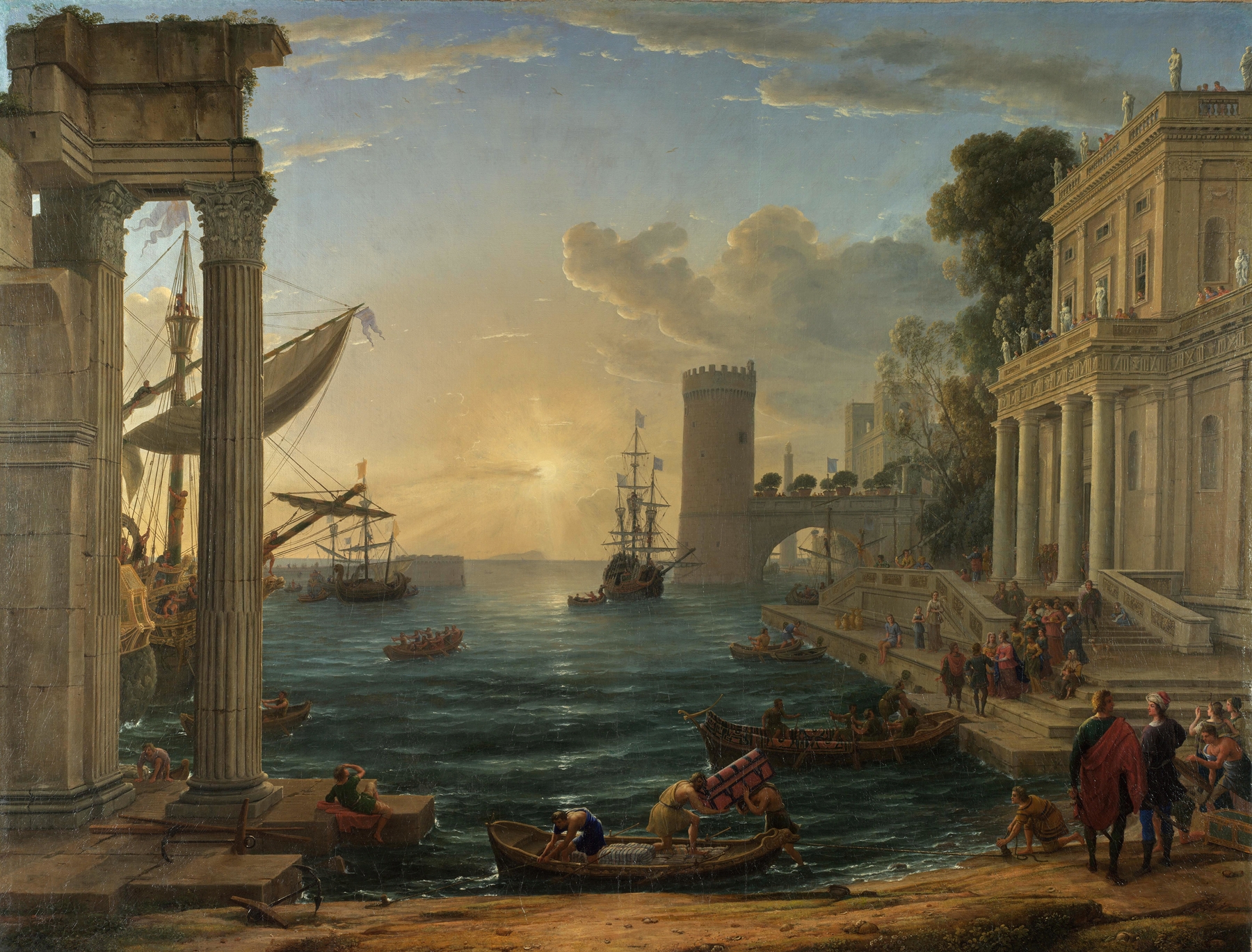
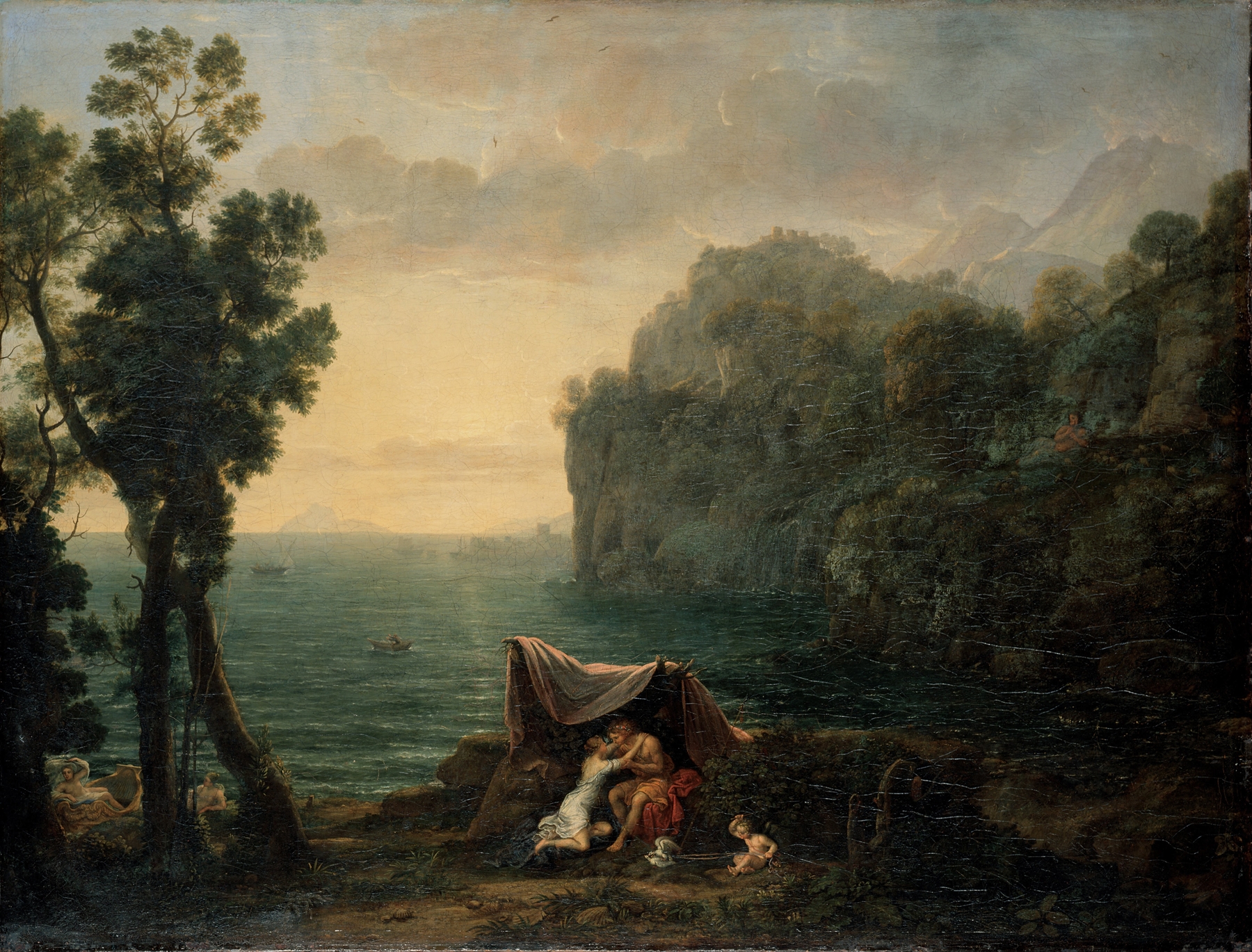
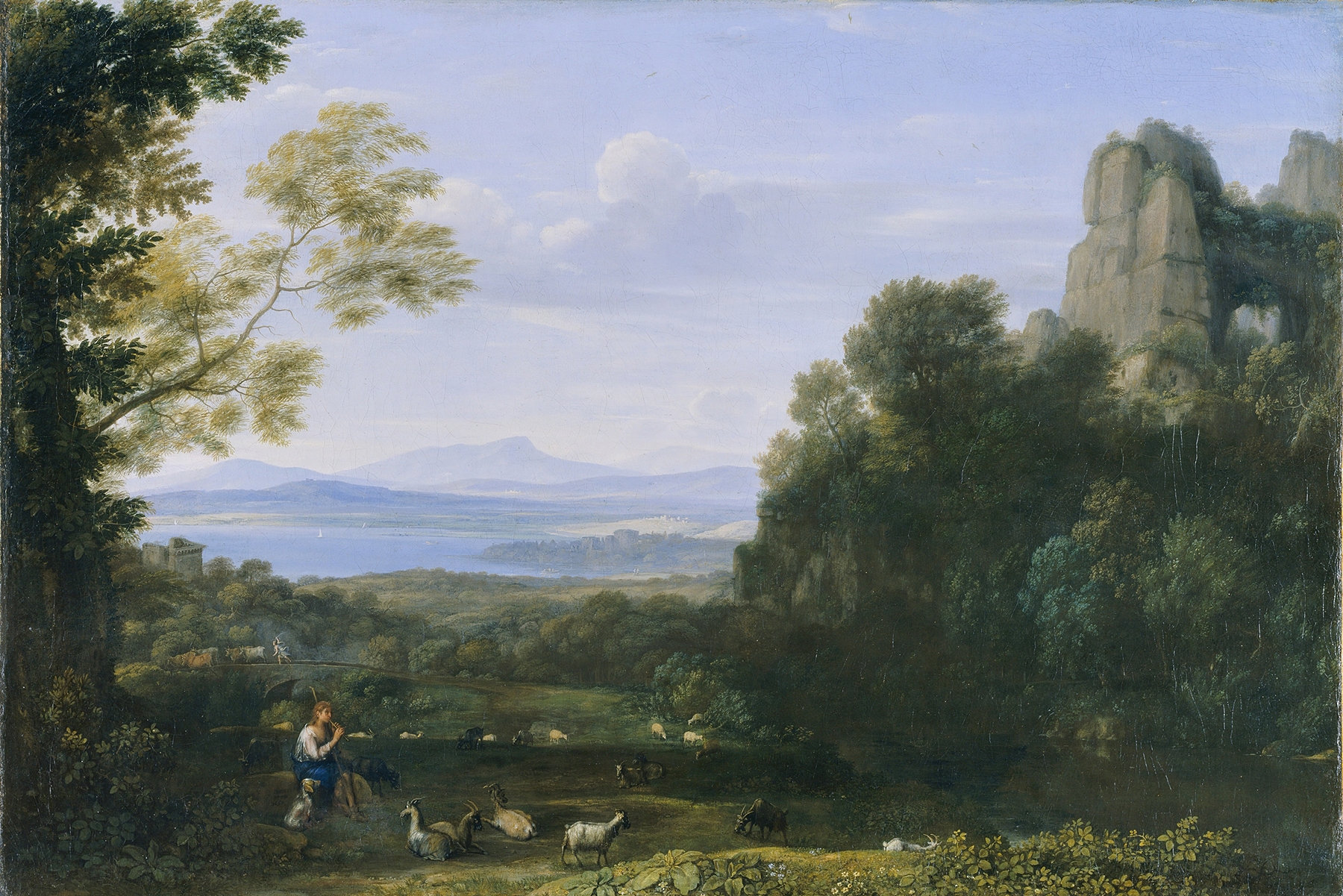
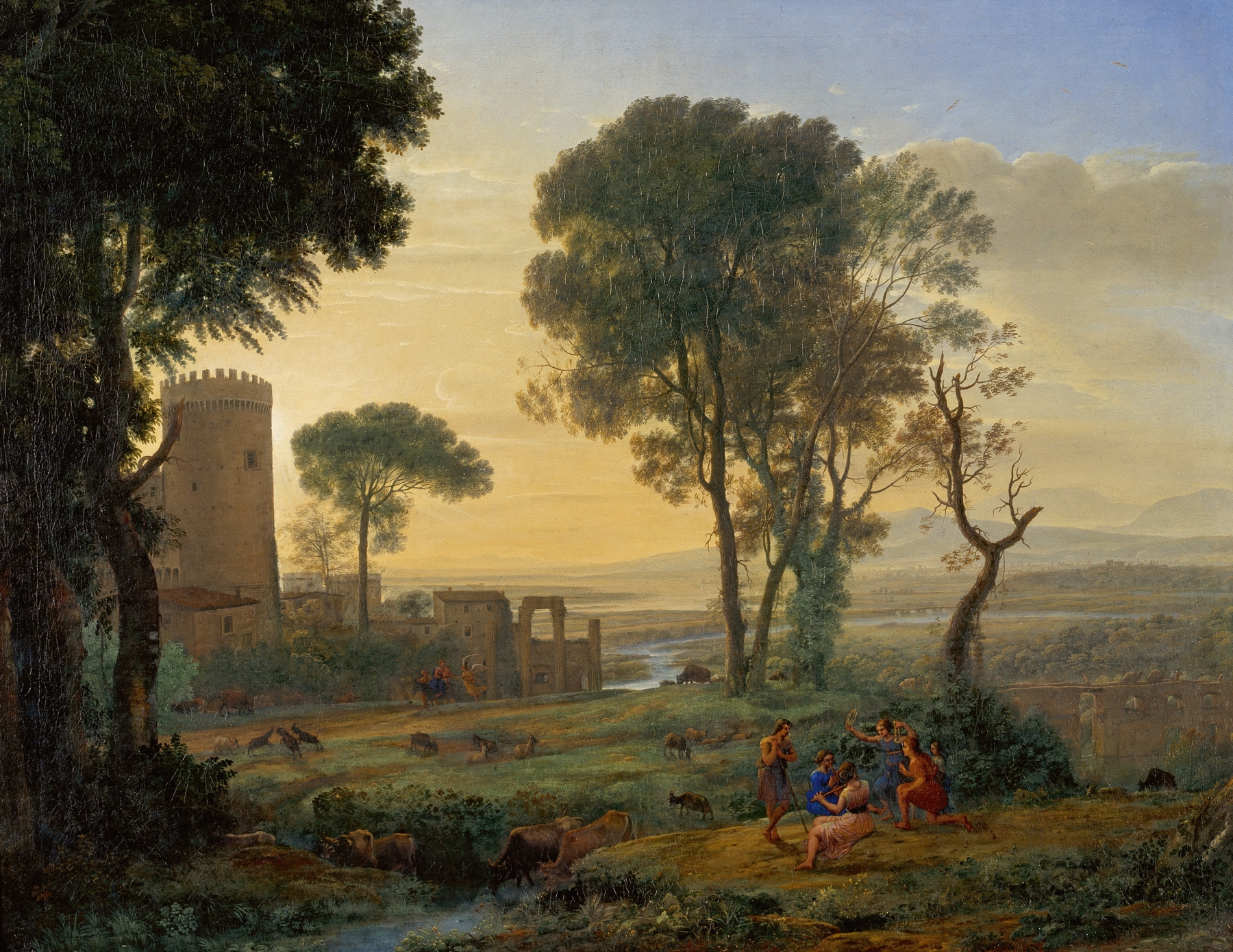
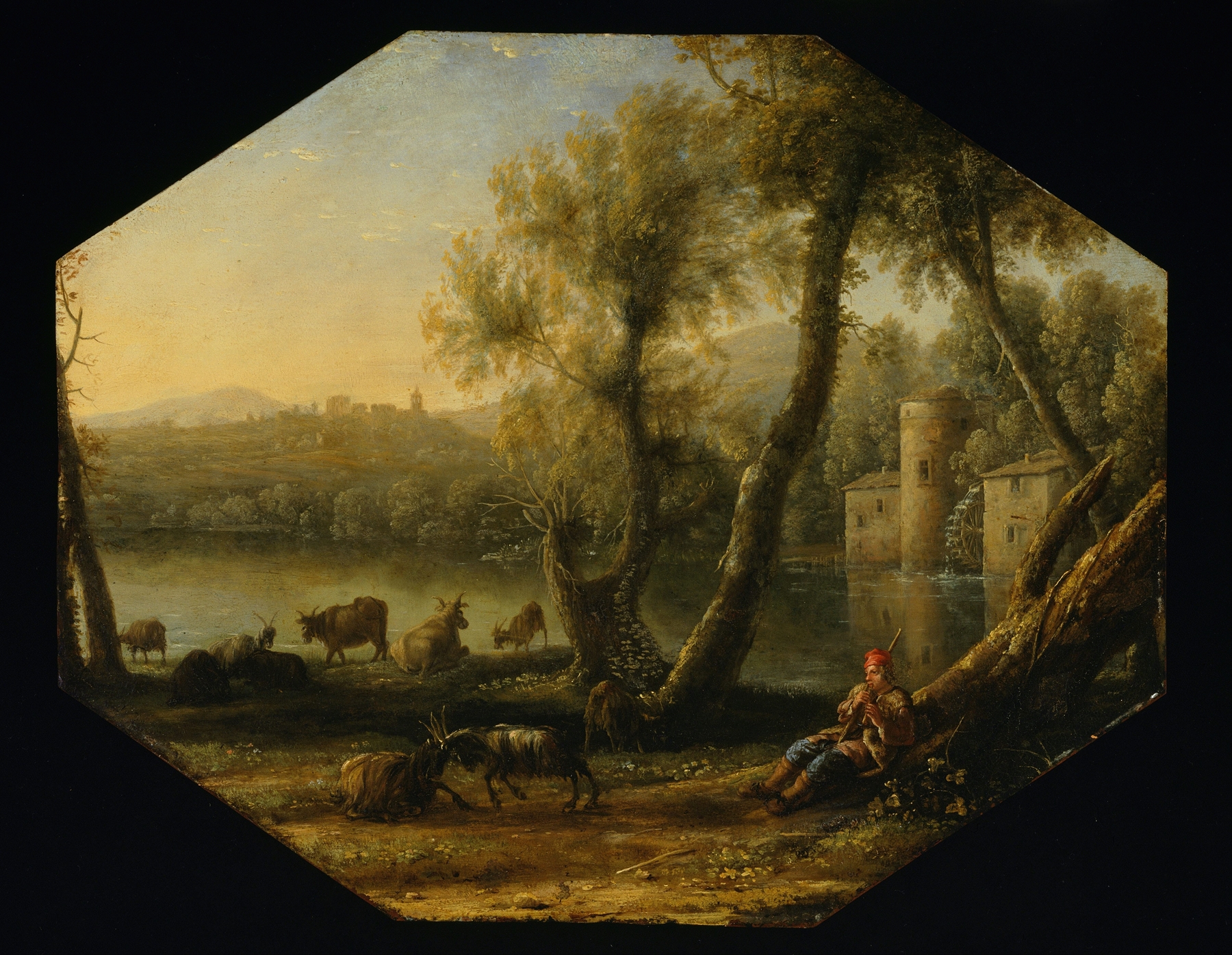
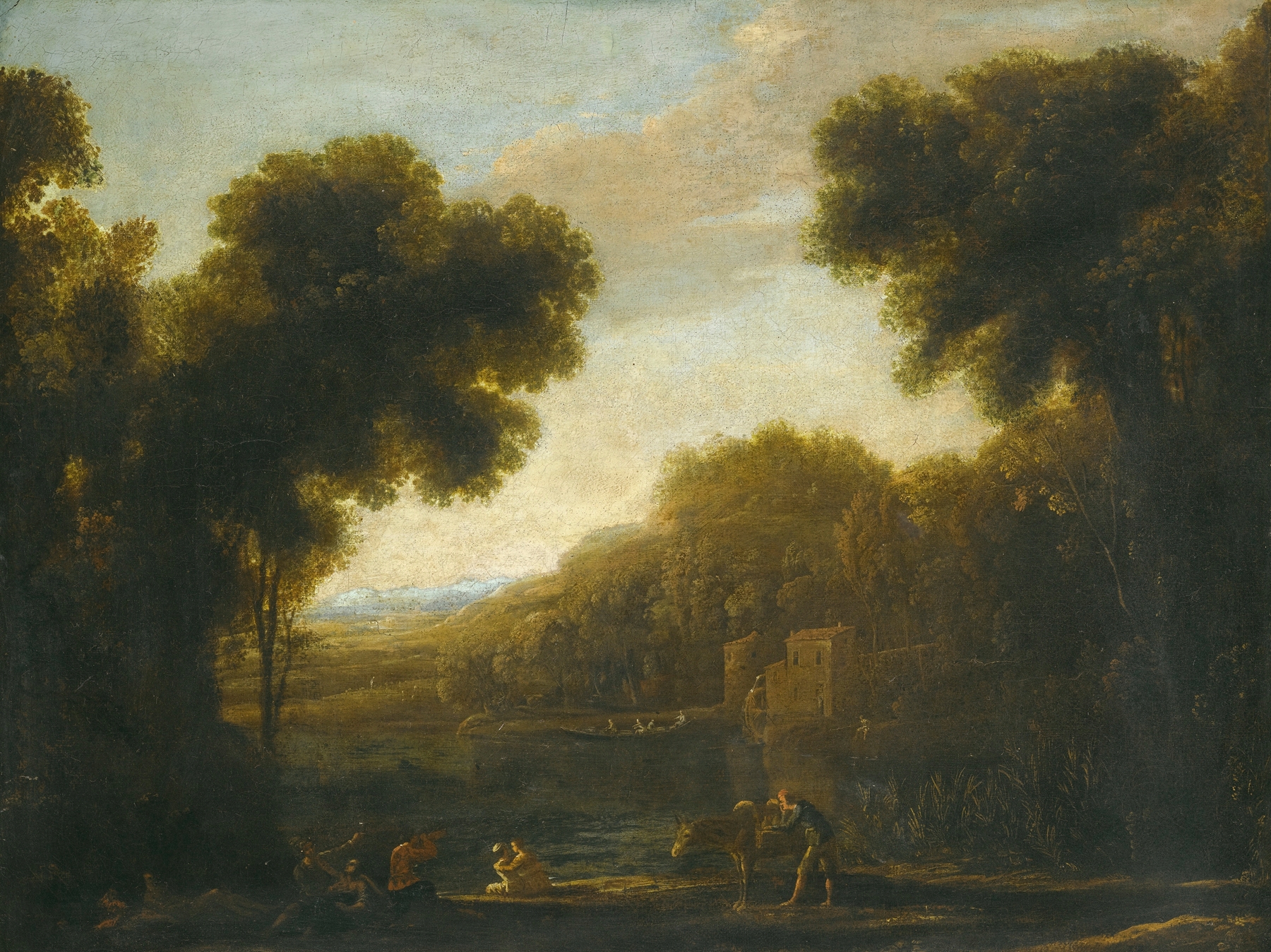
“Under the brush, chaos becomes grace.” In Pastoral Landscape with a Mill, the quietude of nature envelops us, inviting reflection on the harmonious interplay between humanity and the wild. Look to the left at the gentle curve of the river, where the sunlight dances upon the water, casting glimmers that draw the eye inward. This subtle brilliance contrasts with the soft greens of the surrounding foliage, where trees tower and merge with the sky, enveloping the mill in a serene embrace. The composition, framed by the architectural elements of the mill and the rustic charm of the landscape, offers a balanced yet dynamic interplay of shapes and colors that guide our gaze through the scene.
Beneath this tranquil exterior lies a profound tension between nature and human endeavor. The mill, an emblem of industriousness, seems both a part of the landscape and an intrusion upon it—a delicate balance that speaks to the void between progress and preservation. The luminous sky, with its soft pastels, evokes a sense of fleeting time, inviting the viewer to consider their place within this tableau, while the distant mountains remind us of nature's permanence.
In 1634, Claude Lorrain crafted this landscape during a period marked by a vibrant shift in artistic expression, reflecting the Baroque ideals of beauty and emotion. Living in Rome, he was influenced by the classical heritage surrounding him, as well as the emerging interest in landscape painting, which would greatly shape the future of art. Lorrain’s ability to translate the complexities of light and atmosphere into his works contributed to the evolution of this genre, establishing him as a master of pastoral landscapes.