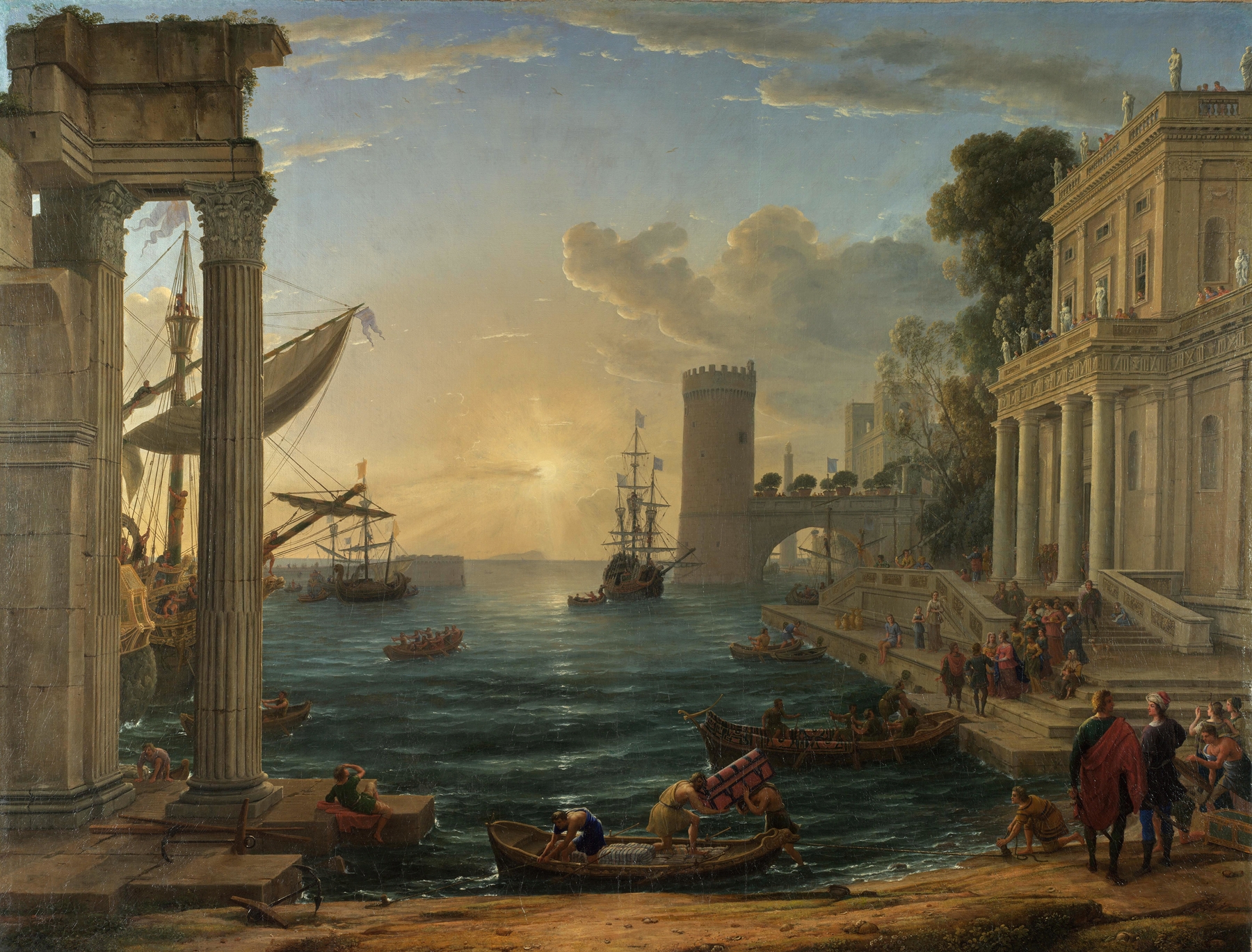
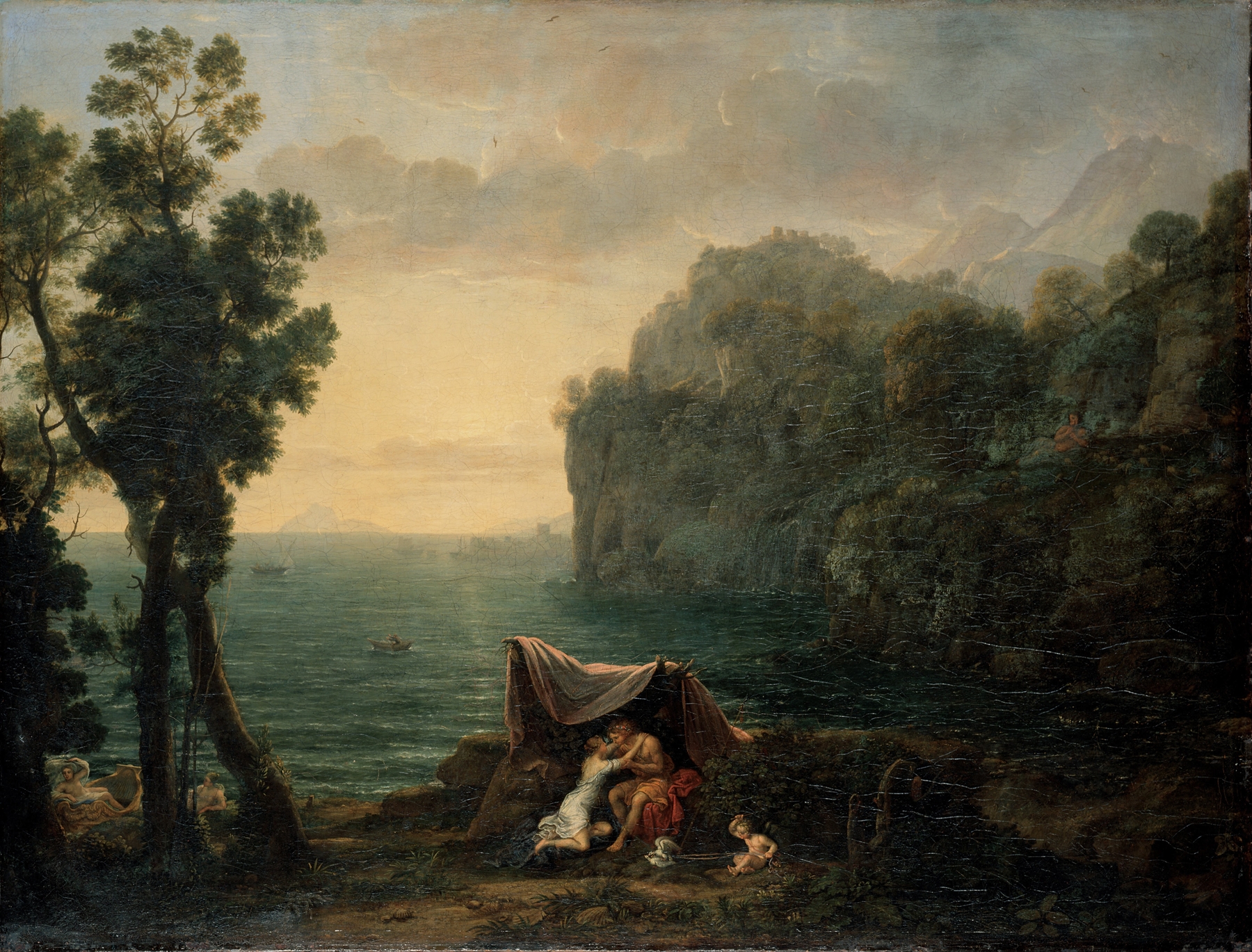
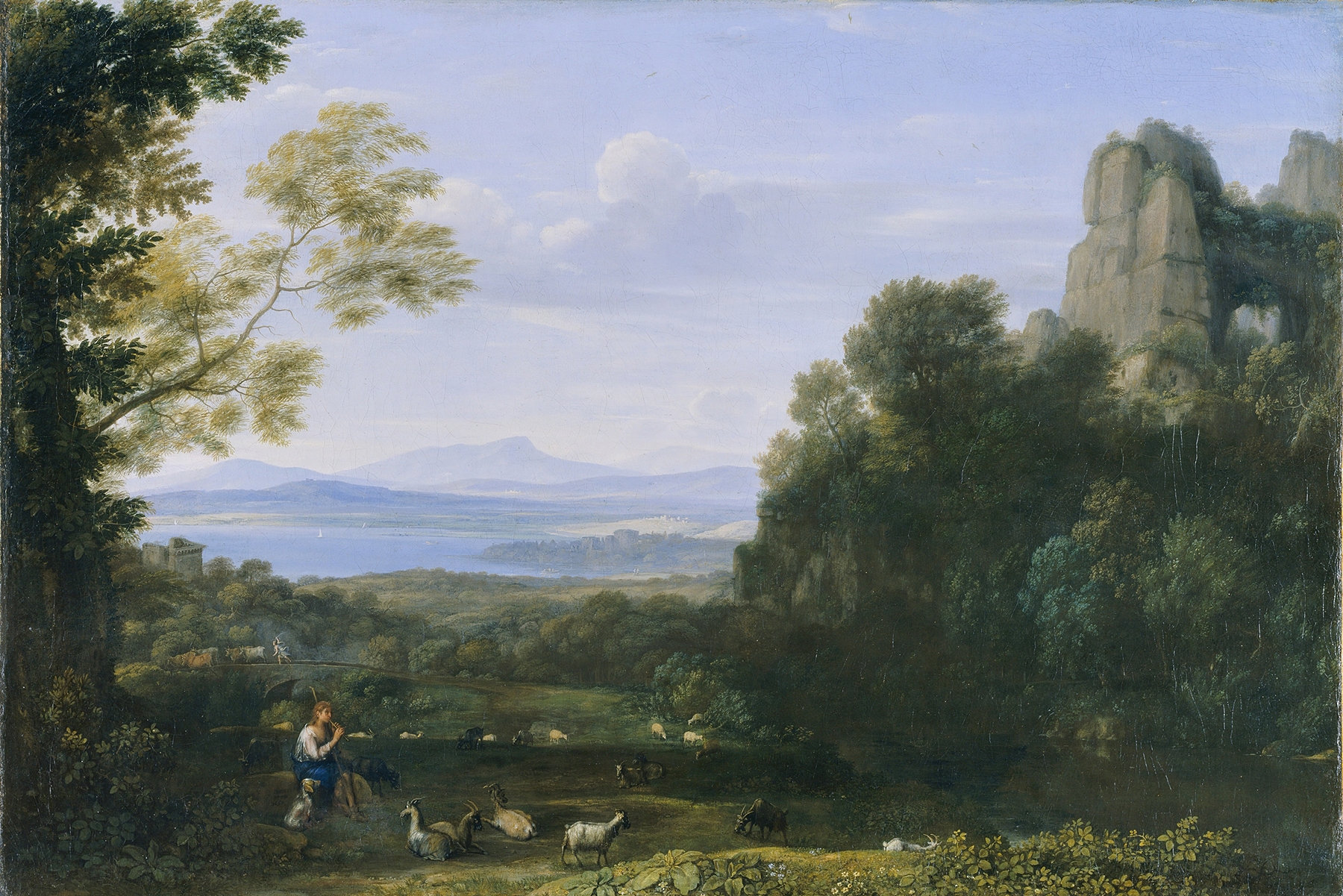
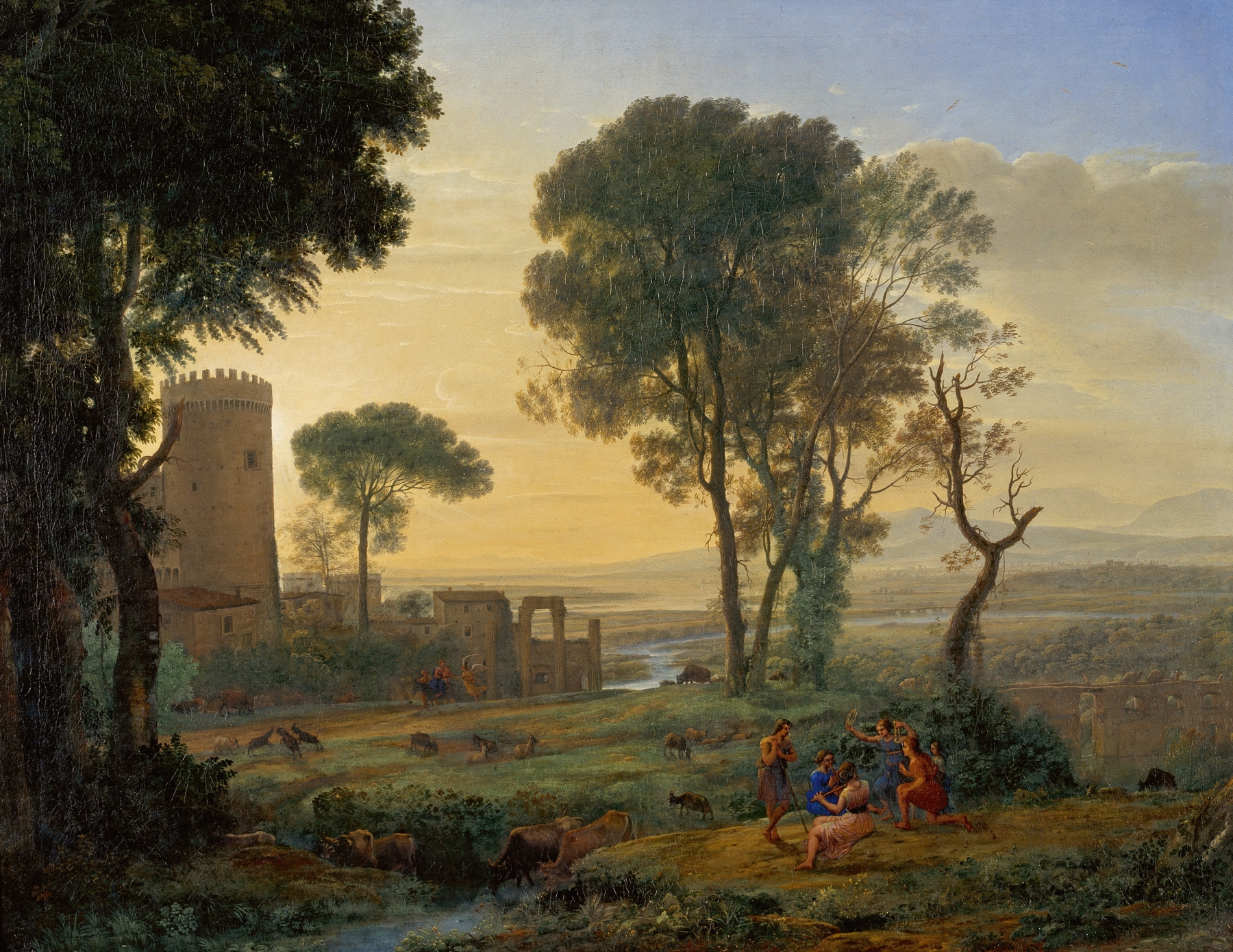
Pastoral Landscape; The Roman Campagna — History & Analysis
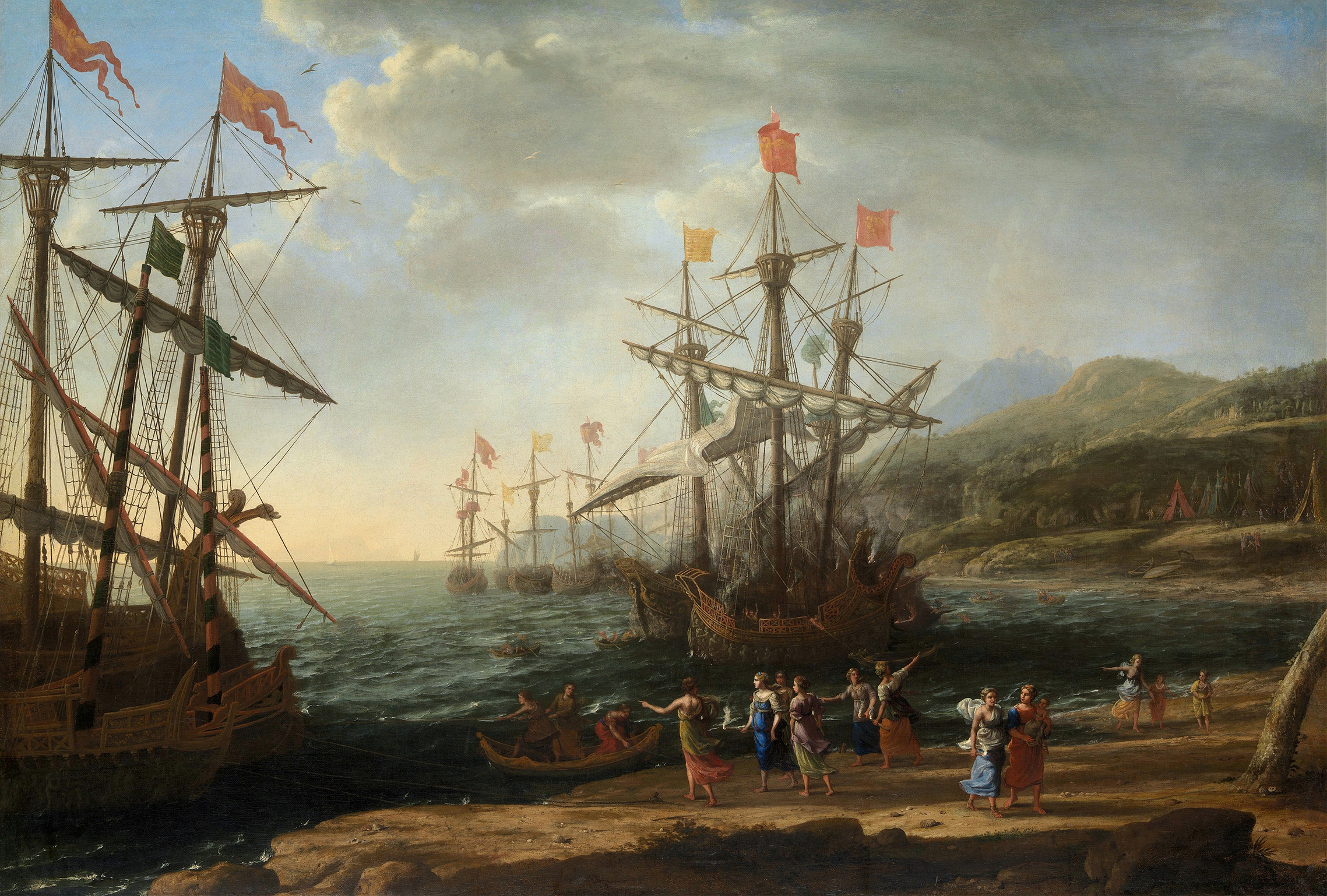
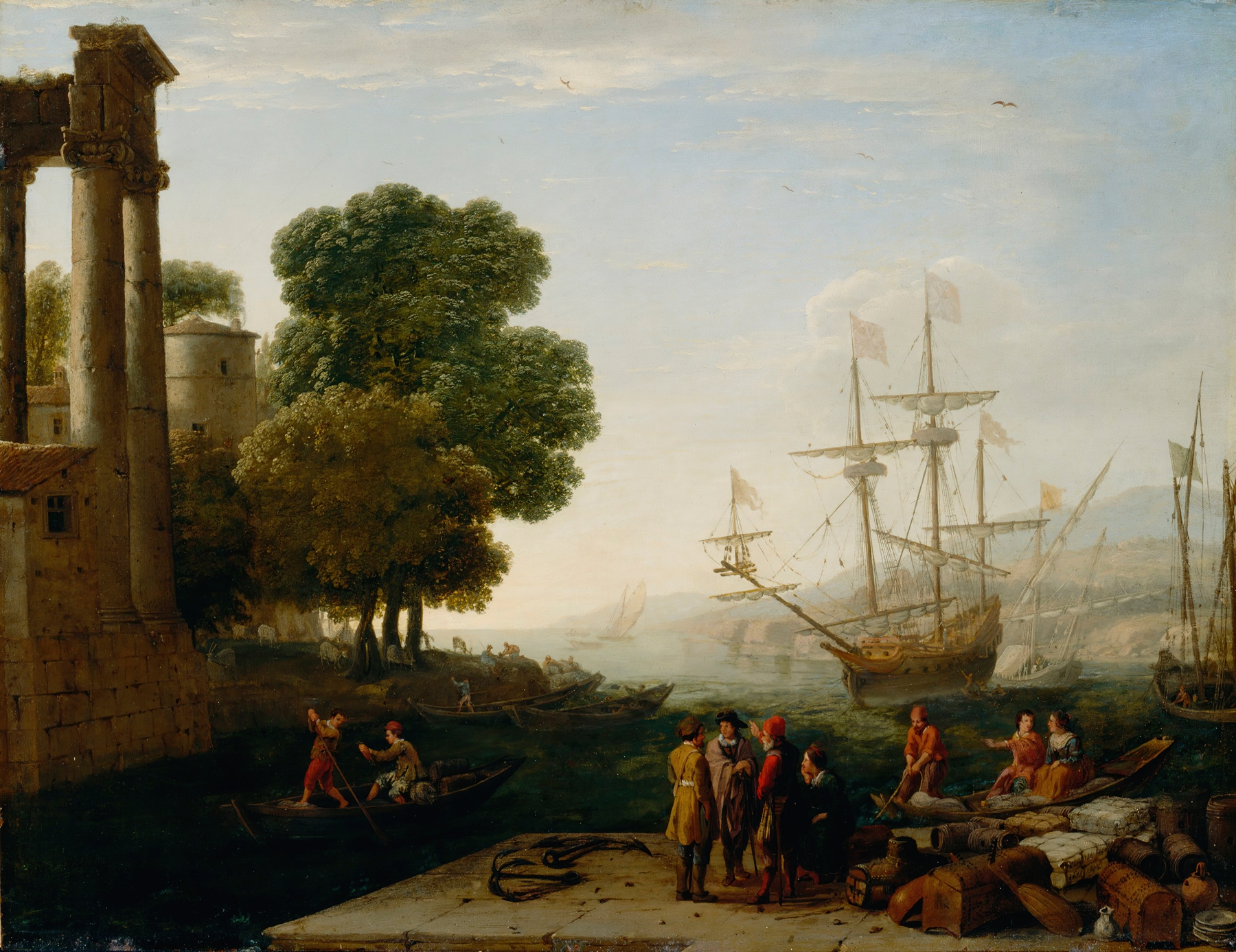
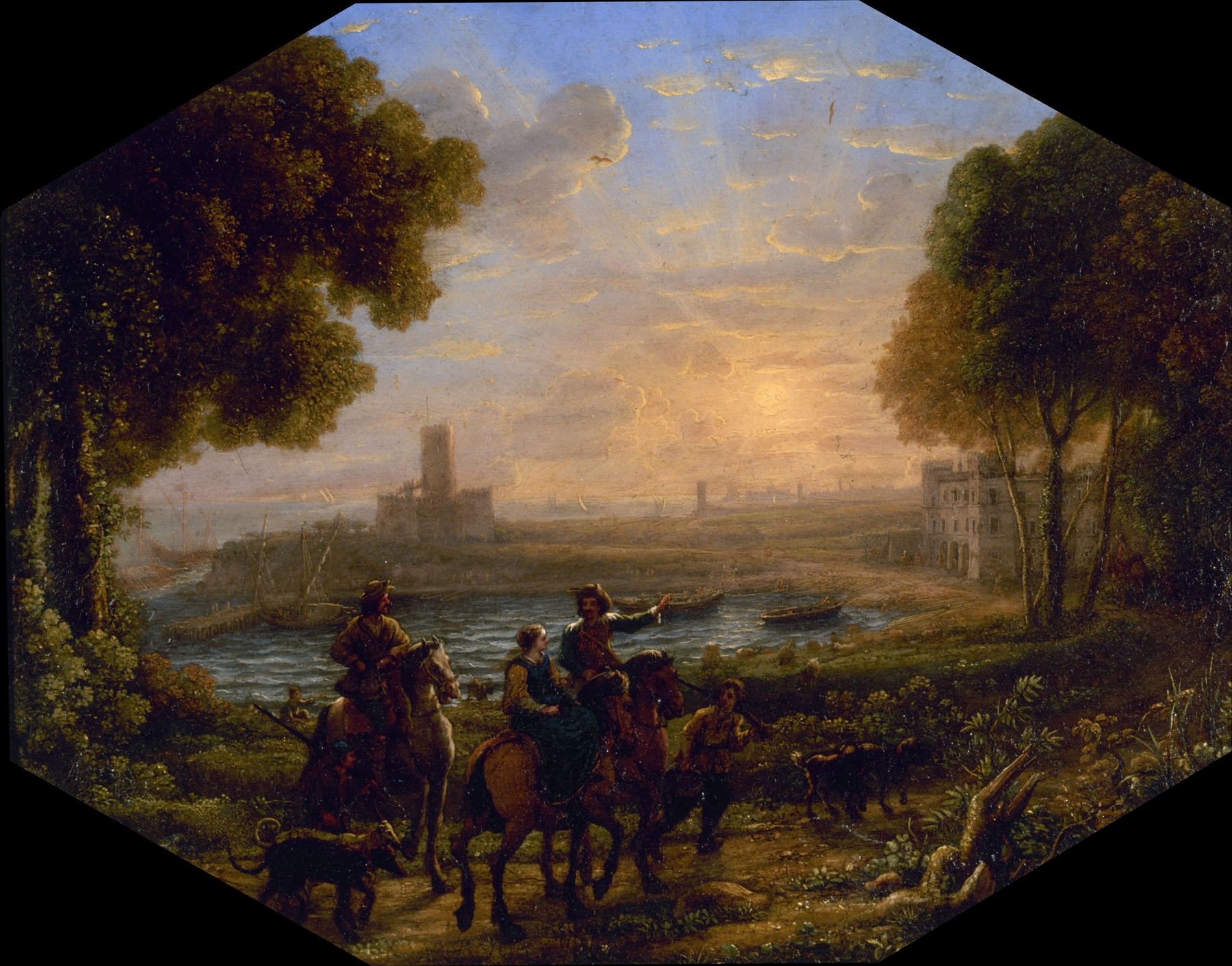
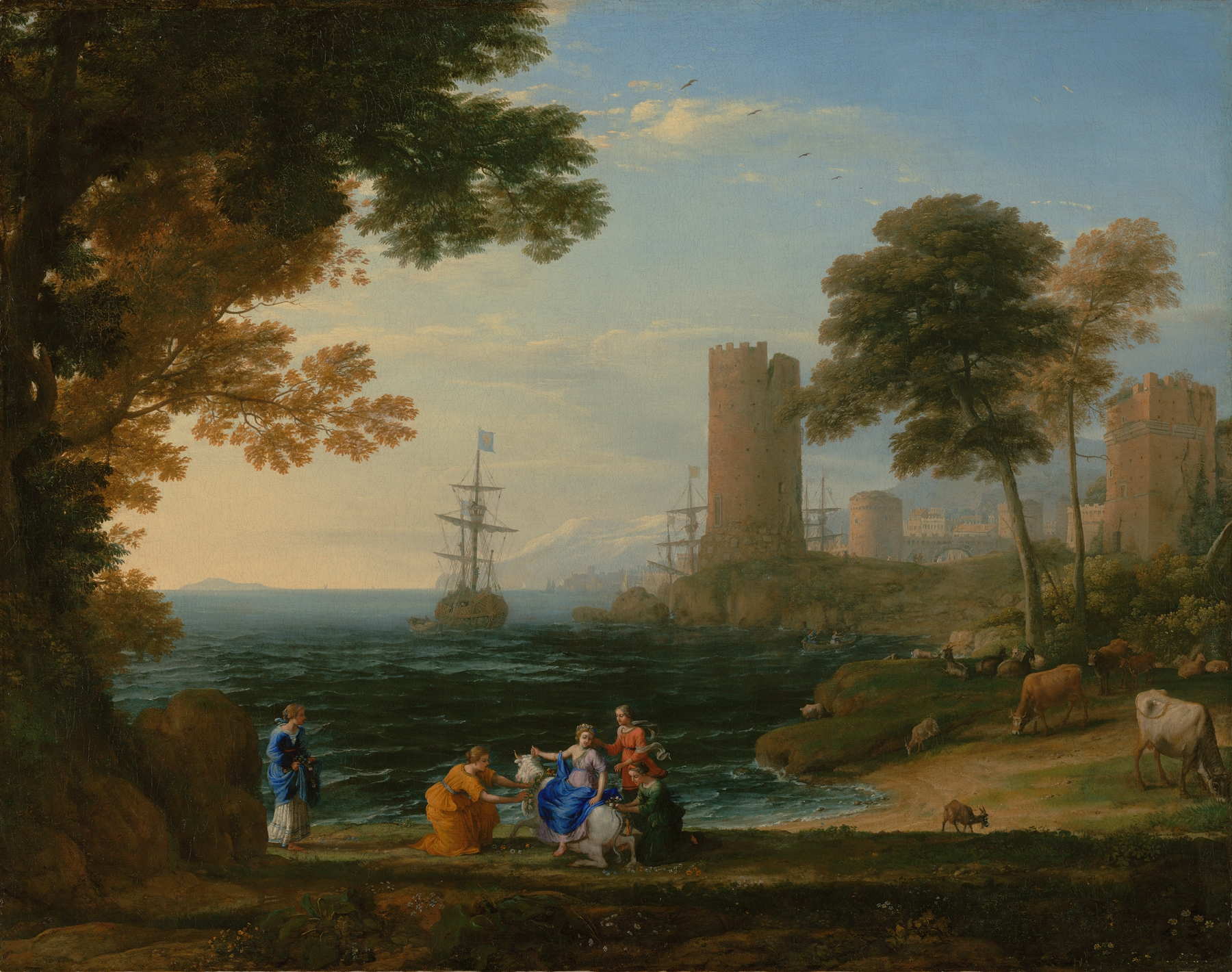
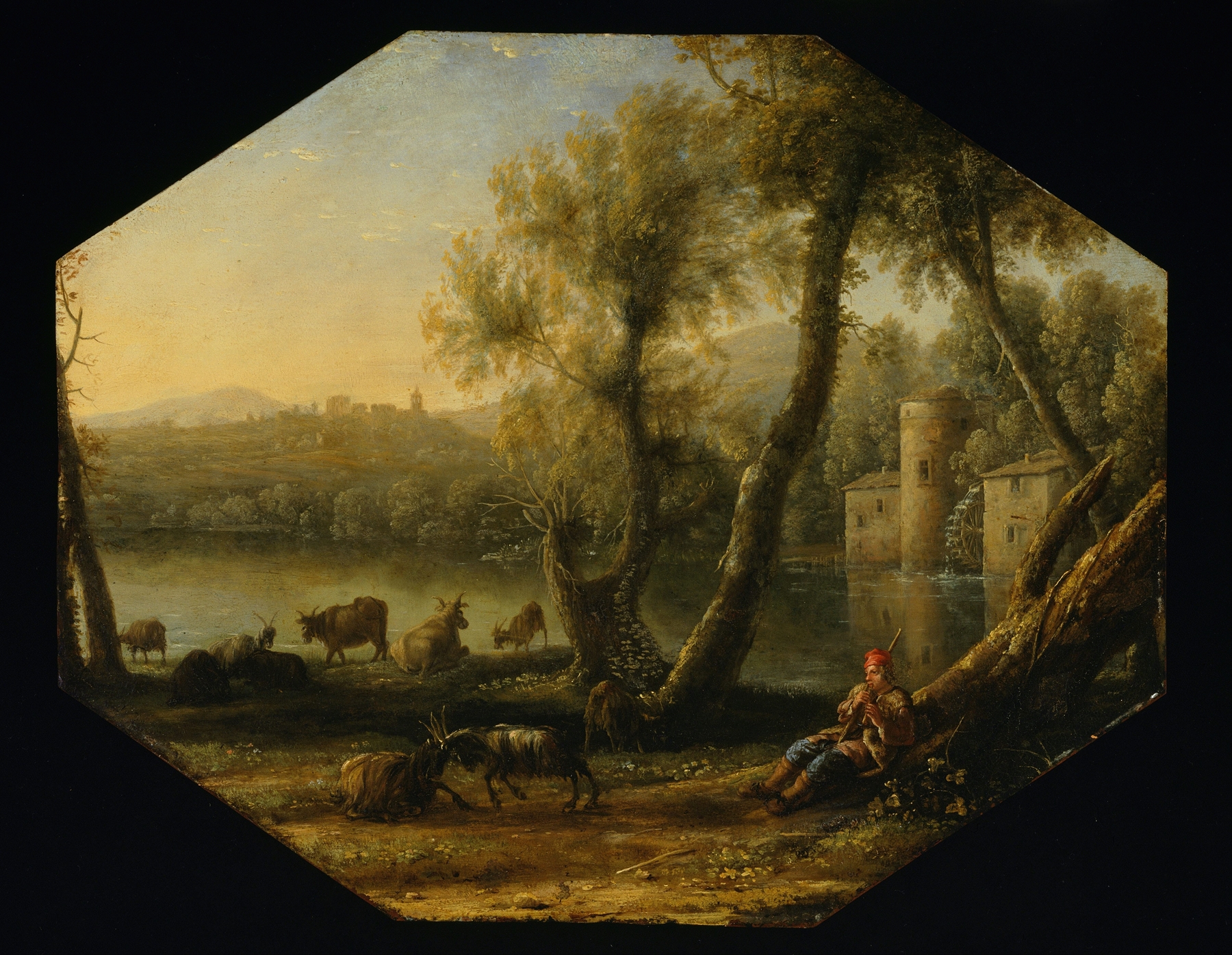
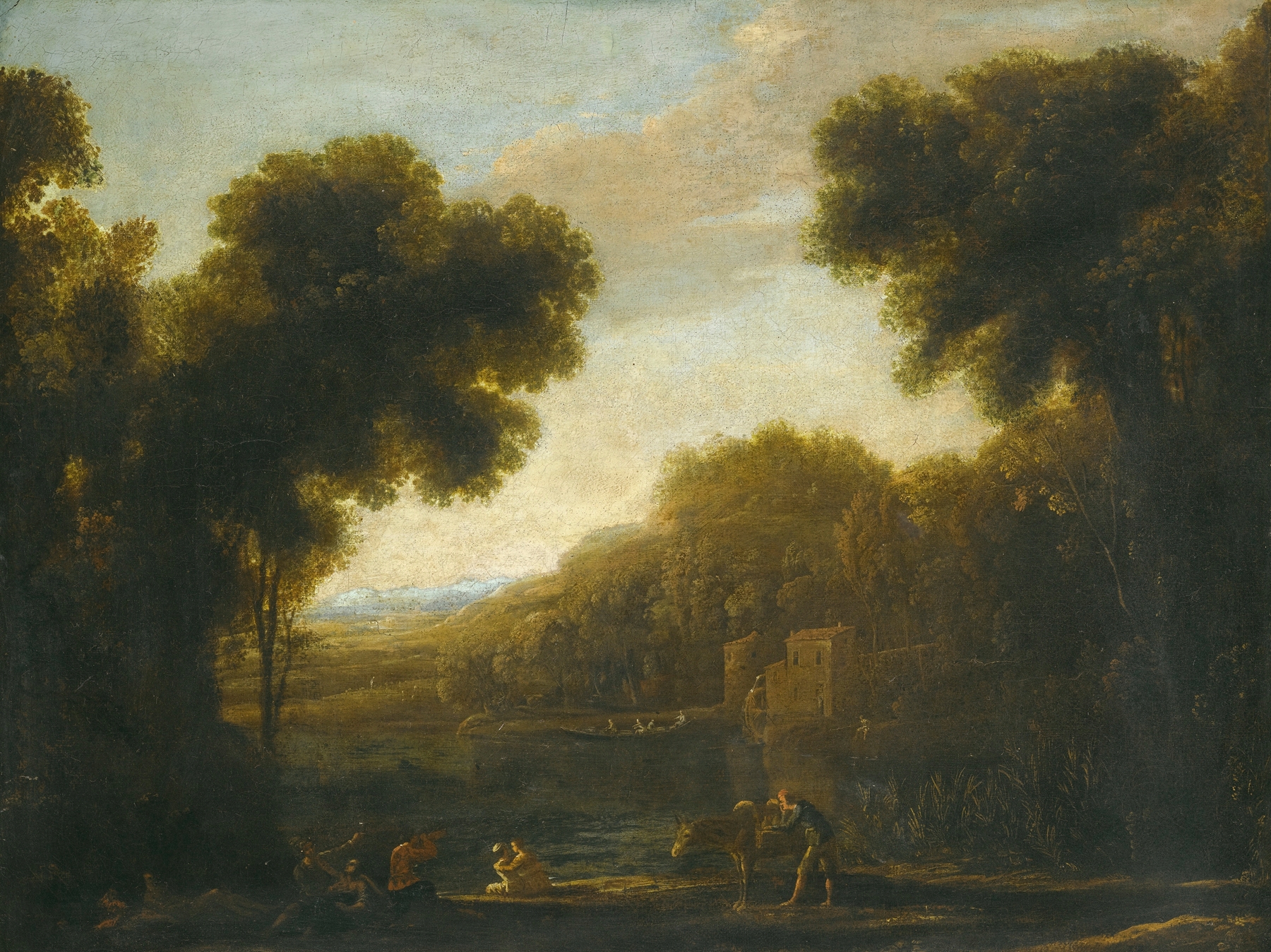
“Under the brush, chaos becomes grace.” The tension between serenity and madness bridges the divide between nature and our perceptions of it, inviting us to explore the unseen depths of the landscape. Look to the left at the soft undulations of rolling hills, their verdant shades harmonizing with the serene blues of a distant sky. Notice how the light falls upon the figures meandering along the riverbank, their subtle movements almost sighing in relief against the backdrop of a chaotic natural world. The artist’s delicate brushwork creates a symphony of textures, each stroke revealing a nuanced play of light and shadow that captures the ephemeral beauty of dusk.
Beneath the idyllic surface, the painting whispers of emotional contrasts — the tranquility of the pastoral life juxtaposed with an underlying sense of restlessness. The solitary tree bends slightly, as if responding to a silent wind, while the scattered clouds above hint at impending change. Here, Lorrain captures a fleeting moment, inviting viewers to reflect on the tensions between man's desire for peace and the wildness inherent in nature.
In 1639, Claude Lorrain painted this work during a time when Baroque art was flourishing, marked by dramatic expressions and complex compositions. Living in Rome, he was influenced by the classical landscape tradition and the emerging tastes of the aristocracy, who sought to capture the essence of the Italian countryside. This painting reflects not only his mastery of light and composition but also the societal aspirations toward harmony within the tumult of the period.