Paysage boisé — History & Analysis
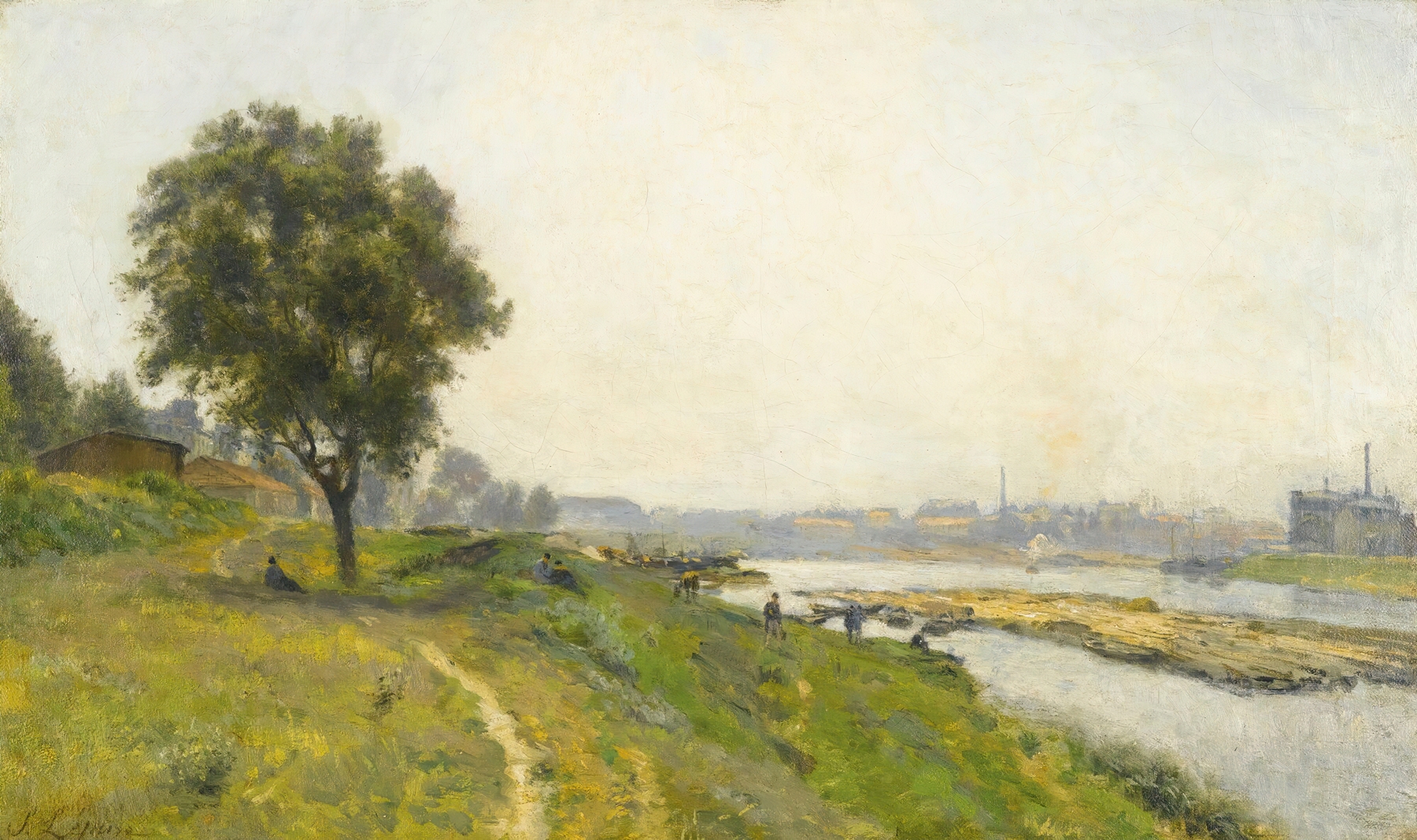
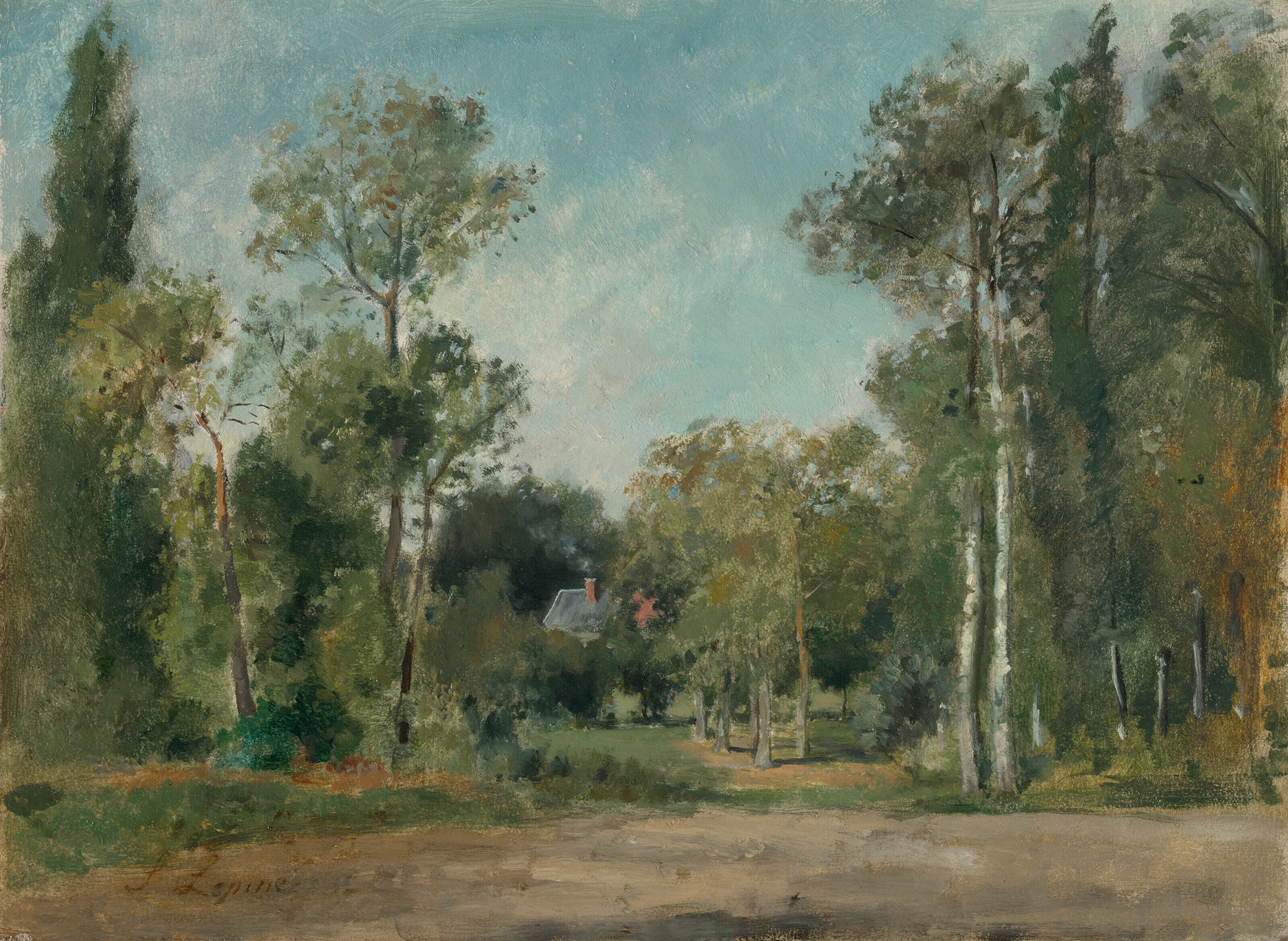
Is this a mirror — or a memory? In Paysage boisé, the viewer is invited to traverse a tranquil woodland, where the interplay of light and shadow evokes a sense of serene ecstasy. Look to the left at the dappled sunlight filtering through the lush canopy, casting intricate patterns on the forest floor. The brushwork is distinctly loose yet deliberate, with vibrant greens and earthy browns swirling together, suggesting the movement of leaves in a gentle breeze.
As your gaze travels deeper into the composition, notice how the trees stand tall and proud, their trunks imbued with both strength and fragility, as if standing guard over a secret yet to be revealed. Hidden within this idyllic scene is a tension between stillness and life. The juxtaposition of light and dark creates a subtle sense of warmth tempered by the cool shadows, hinting at the transient nature of pleasure and existence. Each tree seems to whisper stories of past wanderers, inviting the viewer to contemplate their own memories and emotions tied to the serenity of nature.
It’s a moment suspended in time, where the vibrancy of the forest pulses quietly alongside the stillness of the mind. Painted between 1876 and 1880, this work reflects Stanislas Lépine’s deep engagement with the natural world during his time in France. As the Impressionist movement surged, Lépine sought to capture the poetry of landscapes, positioning himself at the intersection of realism and abstraction. The choice of this wooded scene speaks to an era ripe with exploration of perception and sensation in art, as Lépine carved out his unique voice amidst the shifting tides of artistic innovation.