Paysans Attablés À La Porte D’un Cabaret — History & Analysis
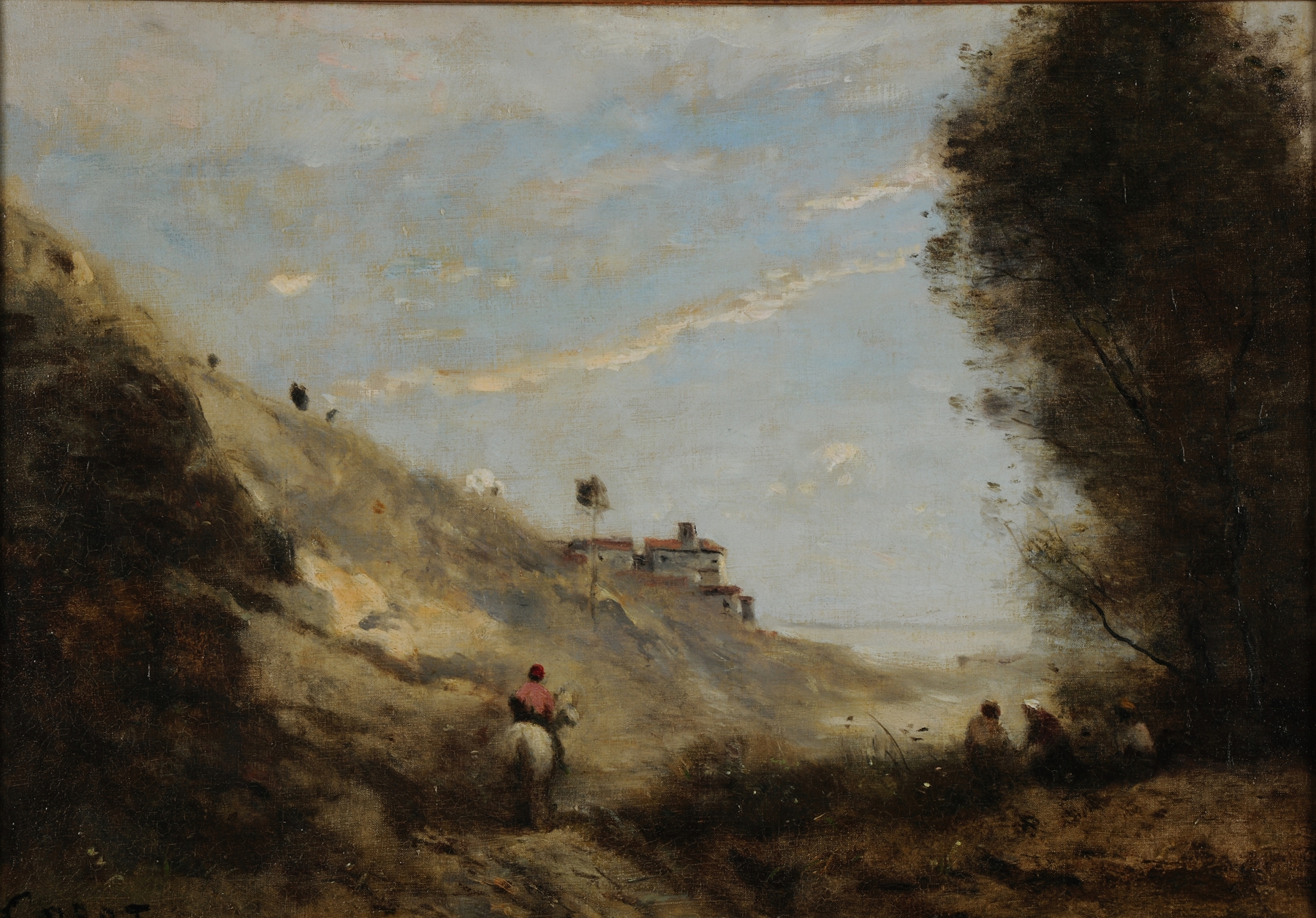
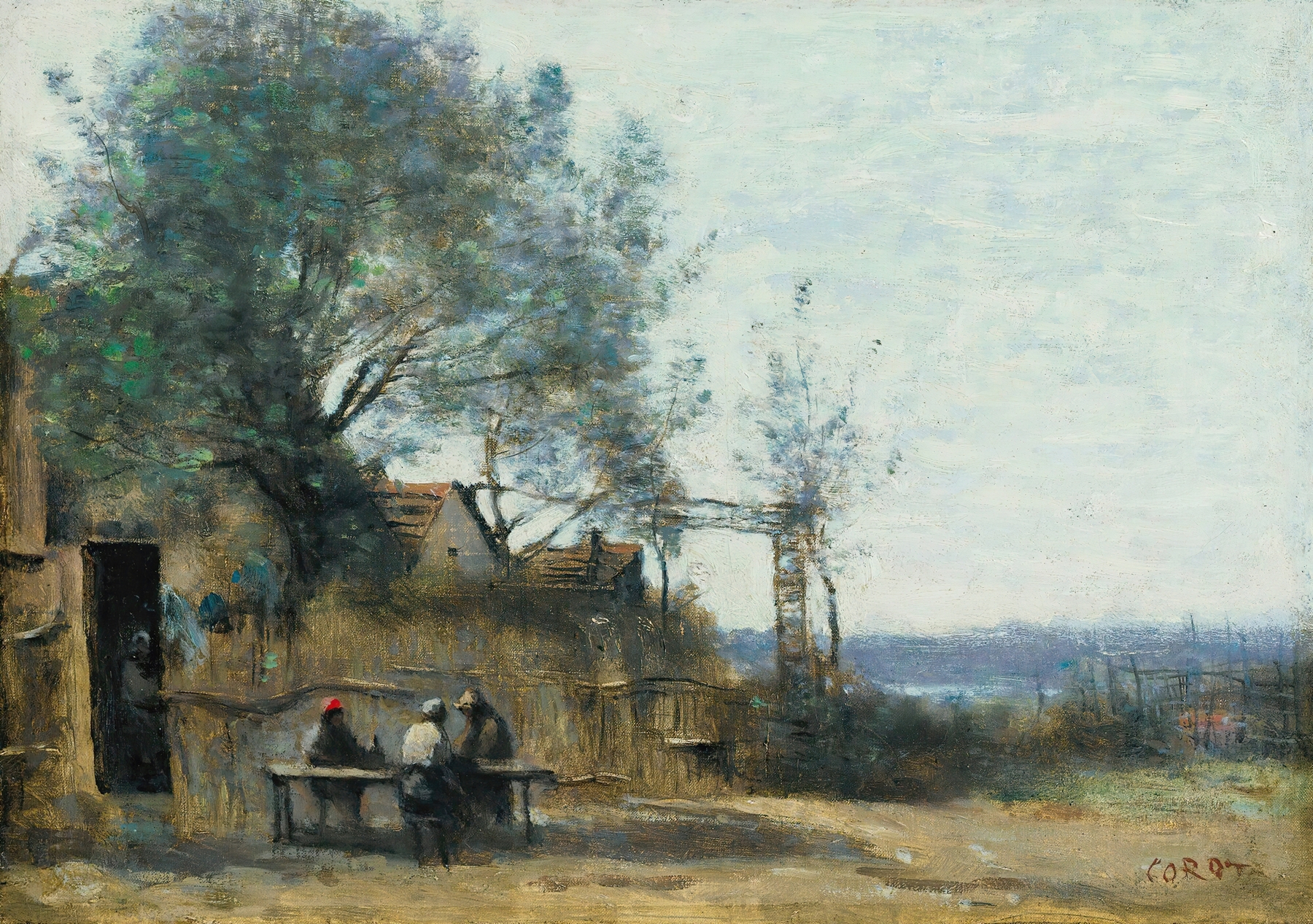
Did the painter know this moment would outlive them? In Paysans Attablés À La Porte D’un Cabaret, we find ourselves drawn into a world suspended in time, where the echoes of life, laughter, and perhaps violence linger just beneath the surface. Look to the left at the jovial figures casually seated outside the cabaret. The interplay of warm earth tones envelops them, inviting the viewer to bask in the late afternoon sun.
Notice how the light caresses their weathered faces, illuminating the creases of hard-lived lives, while the shadows dance just out of reach, hinting at secrets unsaid. The composition conveys a sense of camaraderie, yet there’s an unsettling tension woven throughout the scene, as if the laughter could turn into something darker at any moment. As you delve deeper, the juxtaposition of the relaxed demeanor and the looming architecture of the cabaret creates a striking contrast. Each figure seems animated by unspoken stories of struggle, labor, and survival, reminding us that prosperity often dances alongside strife.
The background, a blurred landscape of muted hues, contrasts sharply with the warmth of the foreground, suggesting that beyond the comforts of this meeting place lies a world fraught with conflict and uncertainty. Painted in the late 1860s, during a time marked by social upheaval in France, the artist was keenly aware of the complexities of life. Corot, known for his landscapes but also adept at capturing human emotion, painted this piece while grappling with the profound changes surrounding him. The world of art was evolving, and his works stood as a bridge between the romanticism of the past and the burgeoning realism of the future, reflecting not just beauty but the deeper truths of human experience.