Peinzende filosoof — History & Analysis
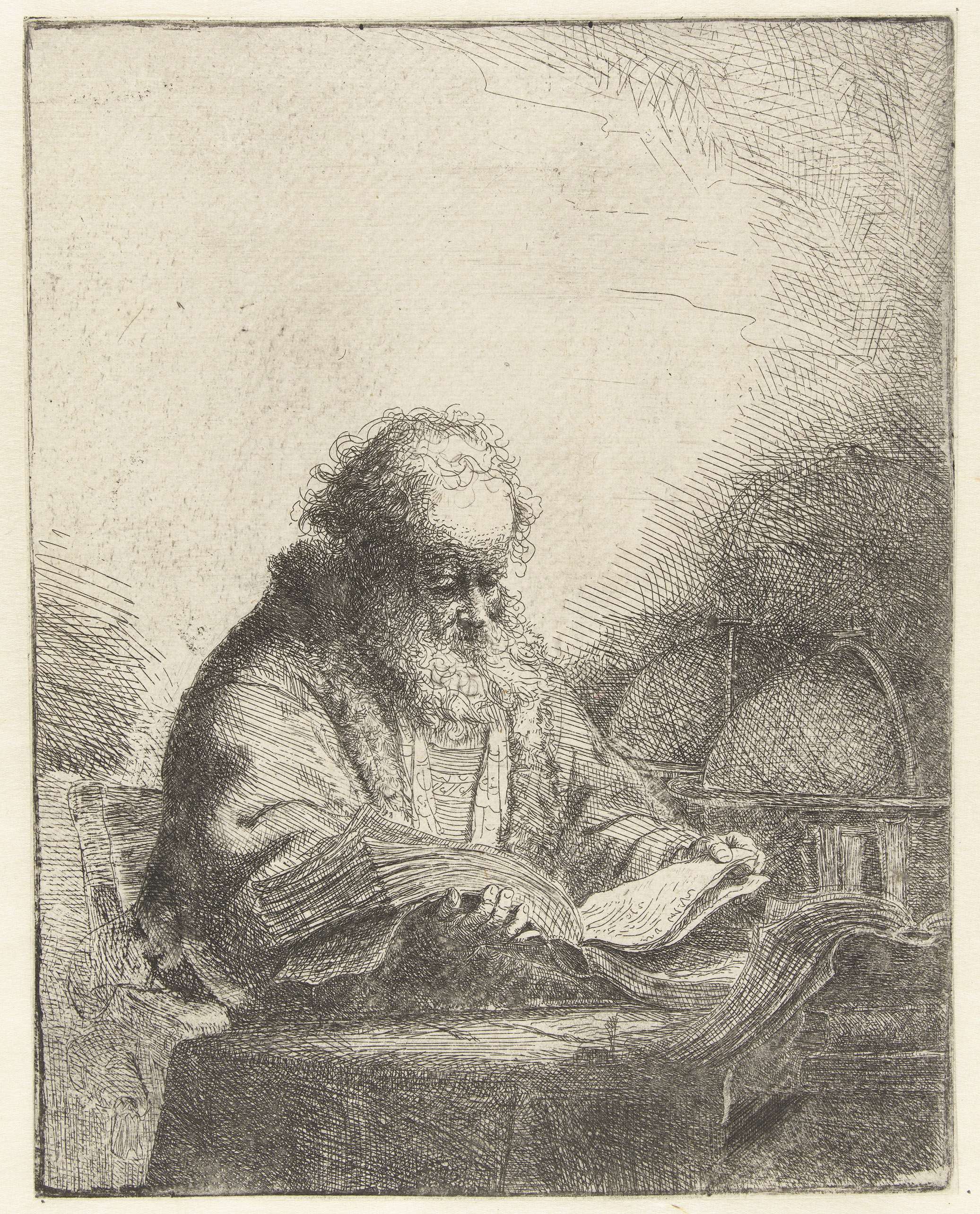
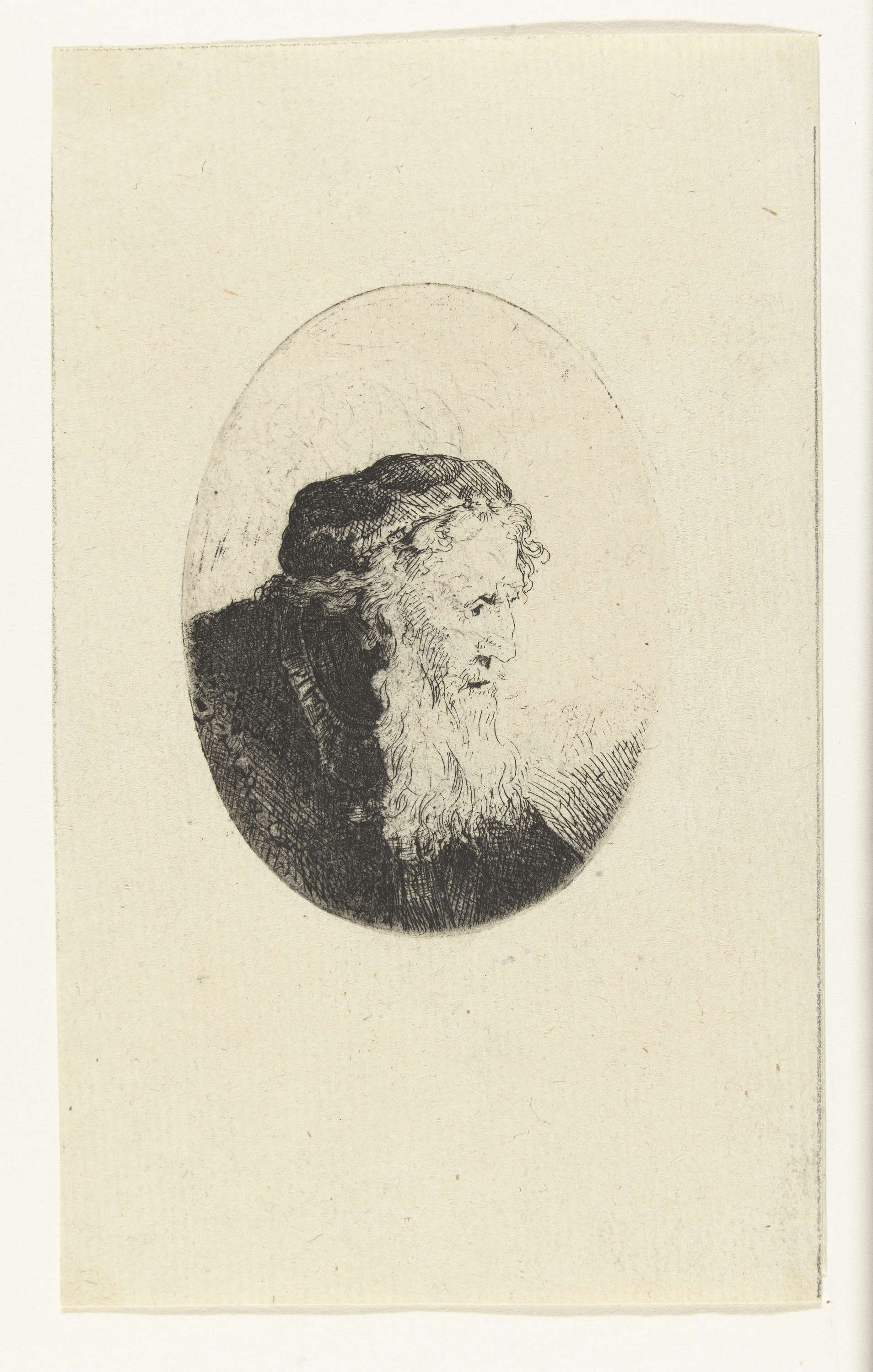
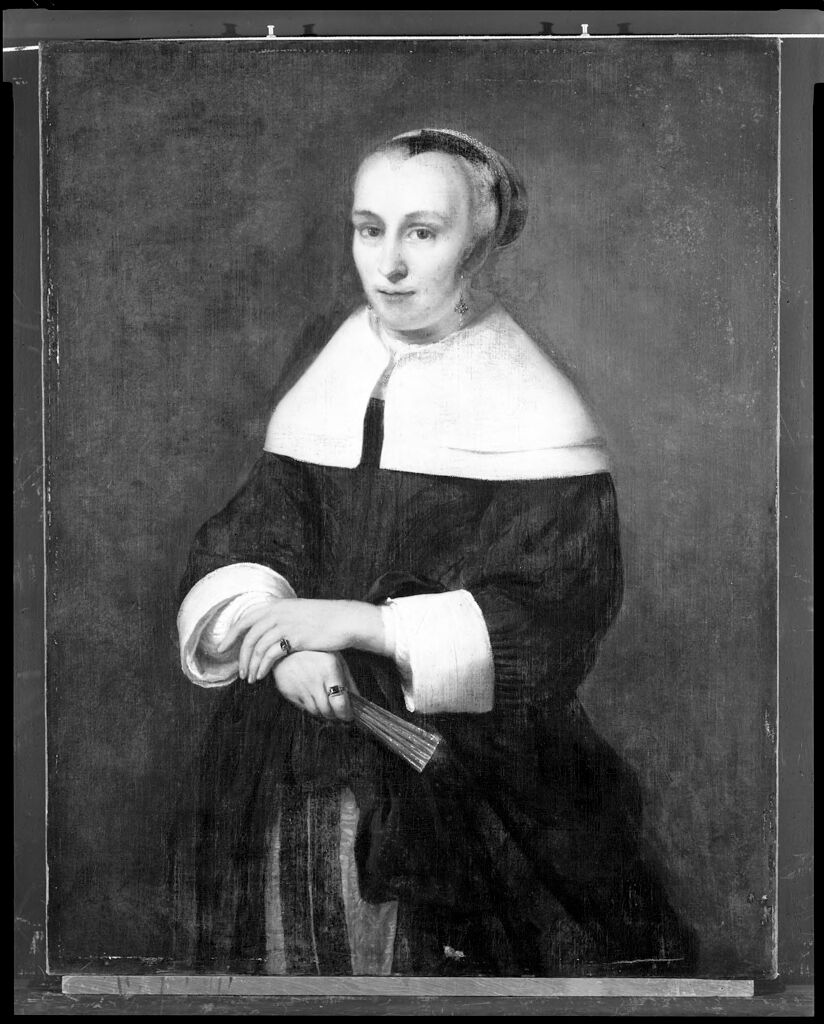
Can paint confess what words never could? In Pienzende filosoof, the stillness of thought is captured in hues and shadows, transforming a fleeting moment into an eternal reverie. Look to the left at the philosopher, cloaked in deep, contemplative shadows, the gentle light illuminating his furrowed brow and thoughtful gaze. The warm, earthy tones of his attire contrast with the cooler blues surrounding him, creating a visual dialogue between introspection and the outside world.
Notice how the soft light caresses his hands, poised delicately as if cradling the weight of his thoughts, drawing the viewer’s eye to the texture of the fabric and the intricate details of the scene. The painting reveals a rich tapestry of emotion, as the philosopher's expression encapsulates the tension between the pursuit of knowledge and the solitude it often brings. The interplay of light and shadow serves as a metaphor for enlightenment wrestling with doubt, while the subtle curl of his fingers hints at unarticulated dreams hovering just beyond reach. Each brushstroke whispers secrets of the mind, inviting the viewer to delve deeper into the layers of contemplation and existential inquiry.
Ferdinand Bol painted Pienzende filosoof in 1653 during a time when he was transitioning from Rembrandt's pupil to a respected artist in his own right in Amsterdam. This was a period marked by the flourishing of Dutch portraiture and an exploration of psychological depth, mirroring the burgeoning intellectual spirit of the age. Bol’s work reflects both the prevailing themes of his contemporaries and his unique interpretation of human reflection.