Petit bras de Seine au Pont Neuf — History & Analysis
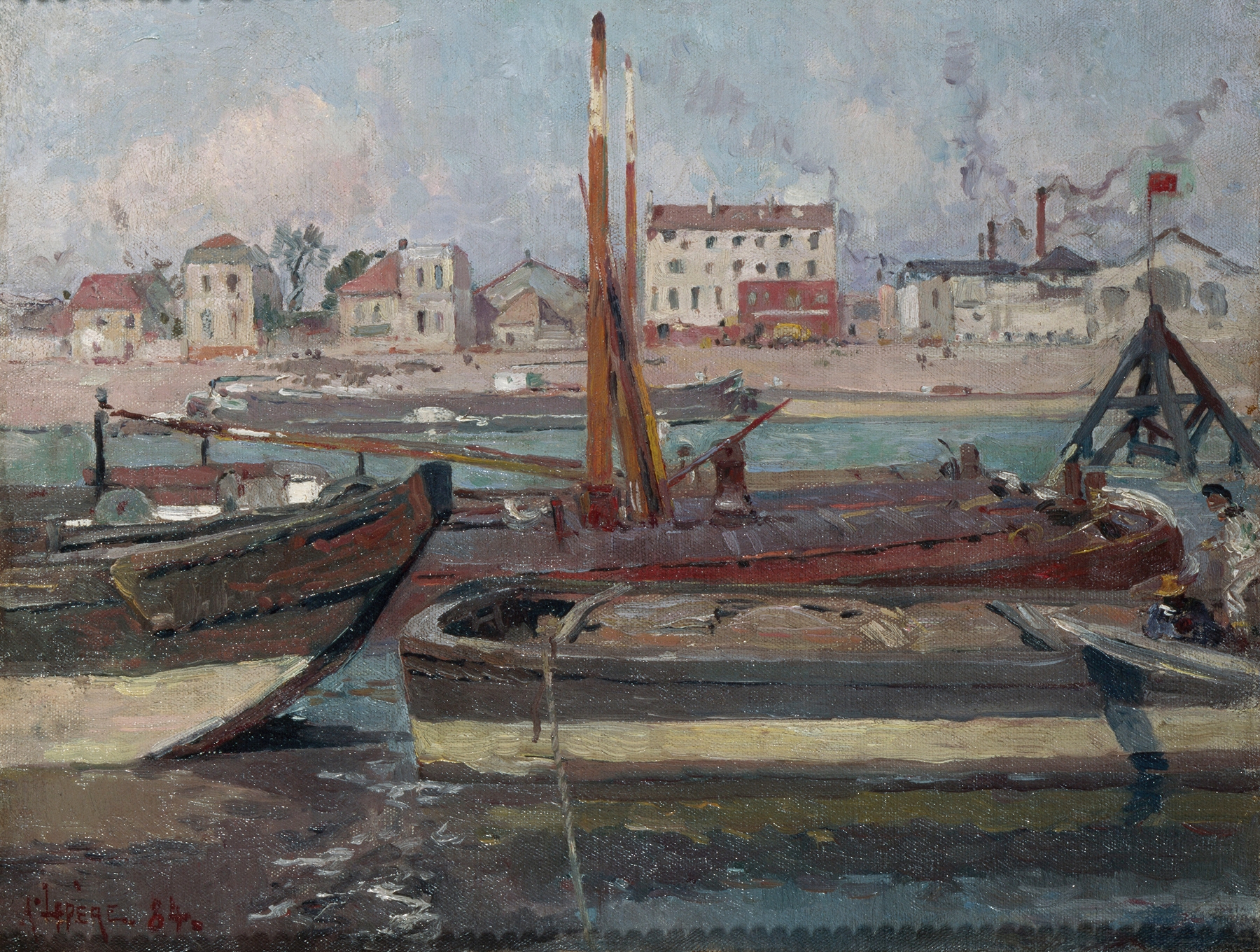
Is this a mirror — or a memory? In Petit bras de Seine au Pont Neuf, the shimmering water reflects more than just the surrounding architecture; it echoes the whispers of the past, casting shadows that dance along both the riverbank and the viewer's heart. Focus first on the tranquil surface of the Seine, where delicate ripples distort the reflections of the iconic Pont Neuf. The artist’s deft brushwork introduces a palette of muted blues and greens, a harmony that draws your eye toward the play of light upon the water.
Notice how the gentle strokes evoke a sense of movement, while the soft, earthy tones of the banks anchor the composition, inviting reflection on the juxtaposition of nature and the built environment. Dig deeper into the work's emotional undercurrents: the shadows cast by the bridge suggest stories untold, hinting at the passage of time and human experience. The blend of light and darkness captures a fleeting moment, evoking nostalgia for what once was while simultaneously celebrating the beauty of the present.
Here, the stillness of the scene contrasts with the inherent dynamism of the flowing river, embodying the tension between permanence and change. In 1888, when this piece was created, Lepère was immersed in the vibrant artistic community of Paris, surrounded by the evolving Impressionist movement yet standing somewhat apart with his unique wordless dialogue. This era was marked by a shift toward capturing the essence of fleeting moments, a reflection of both personal exploration and broader societal changes, as France itself embarked on a course of modernization.