Piazza San Marco, Looking toward the Church of San Gemignano — History & Analysis
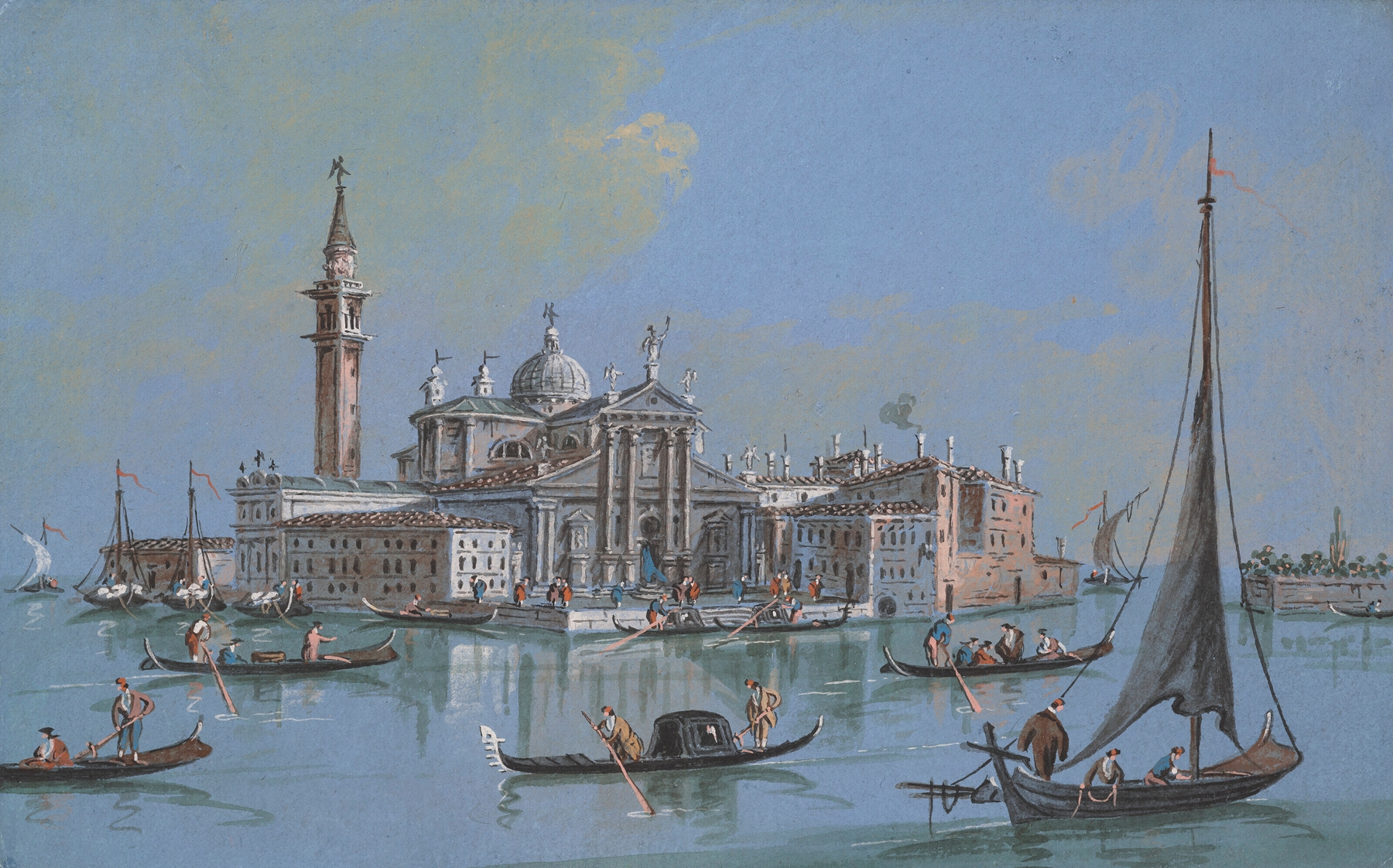
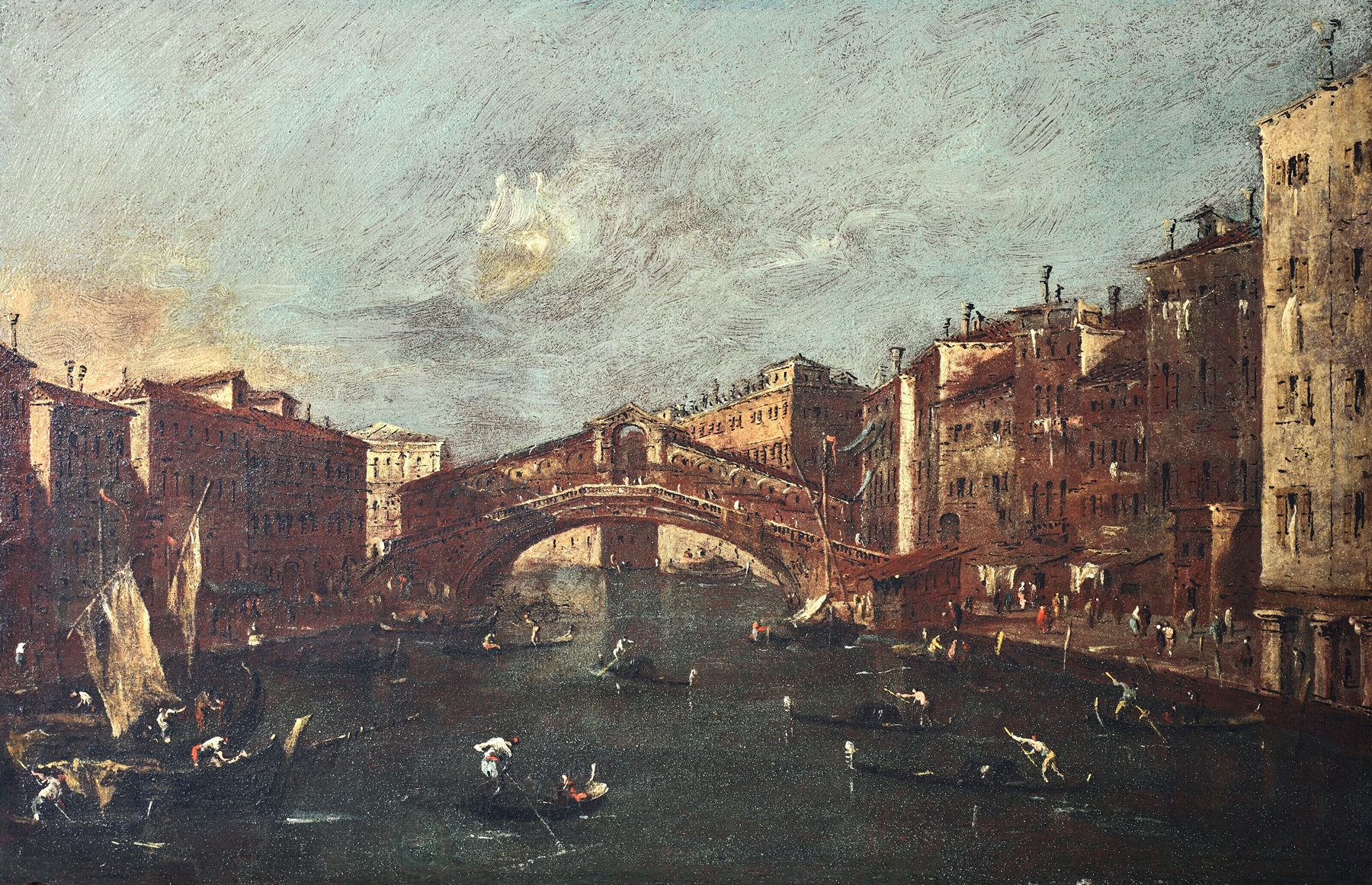
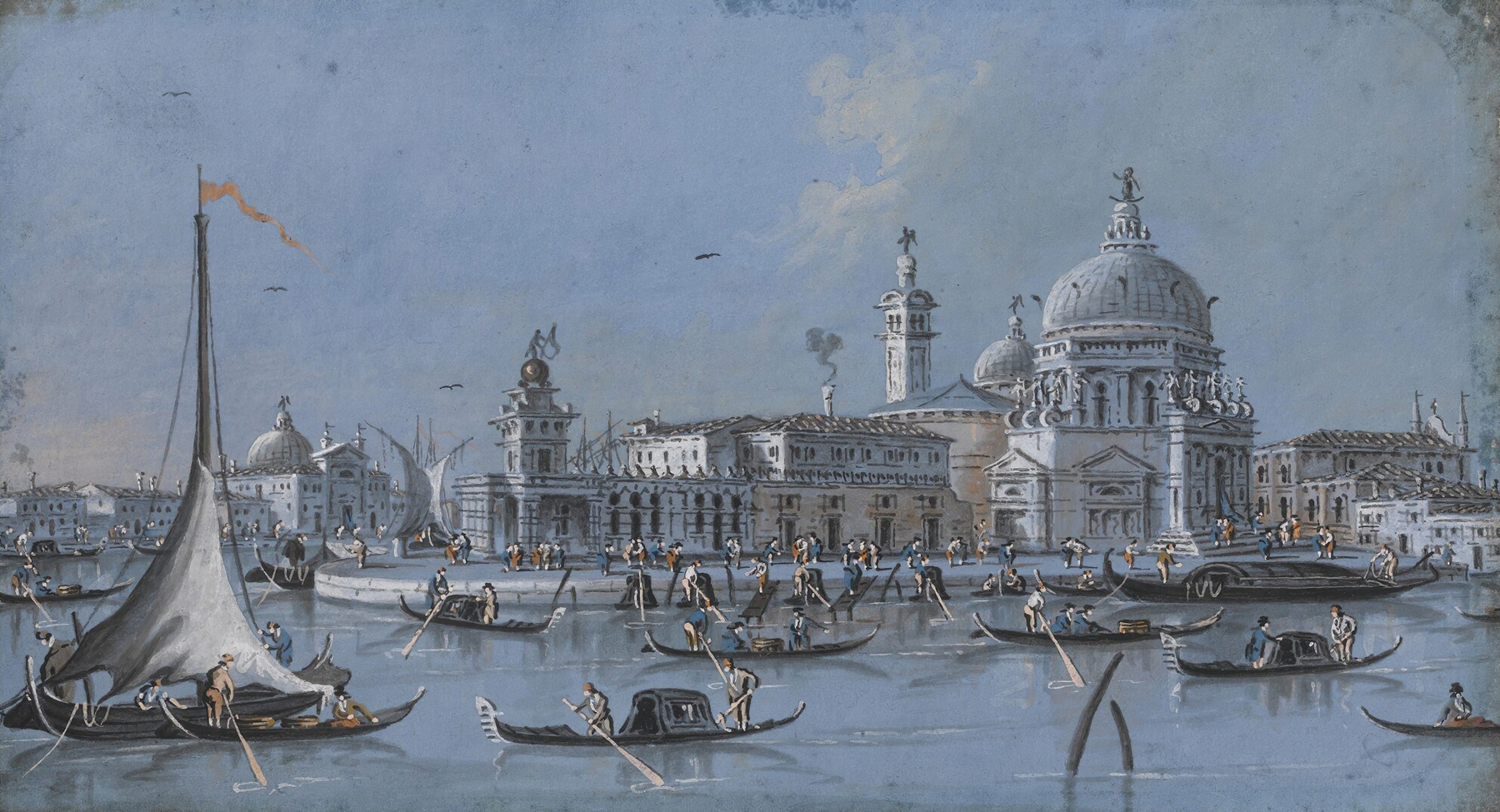
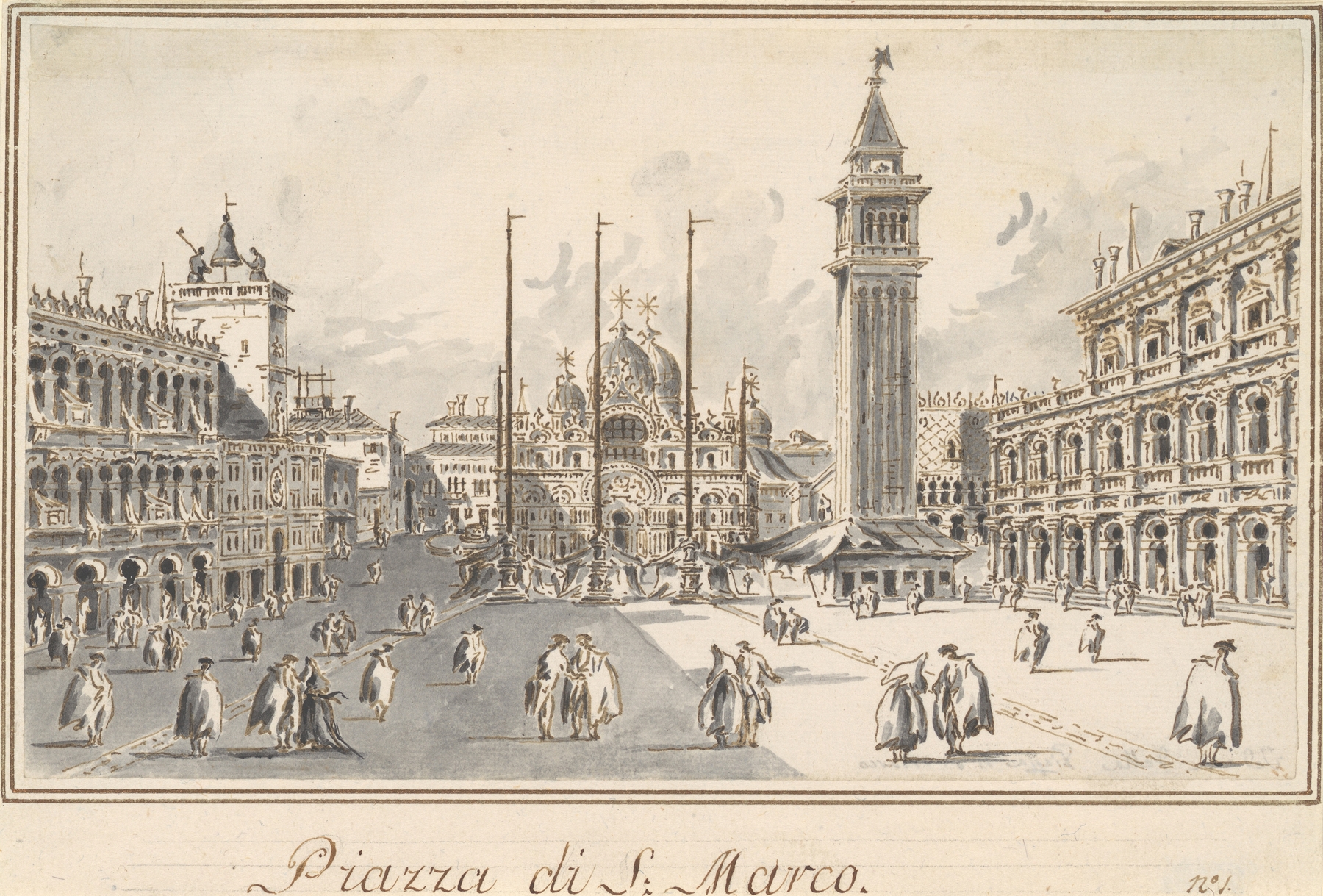
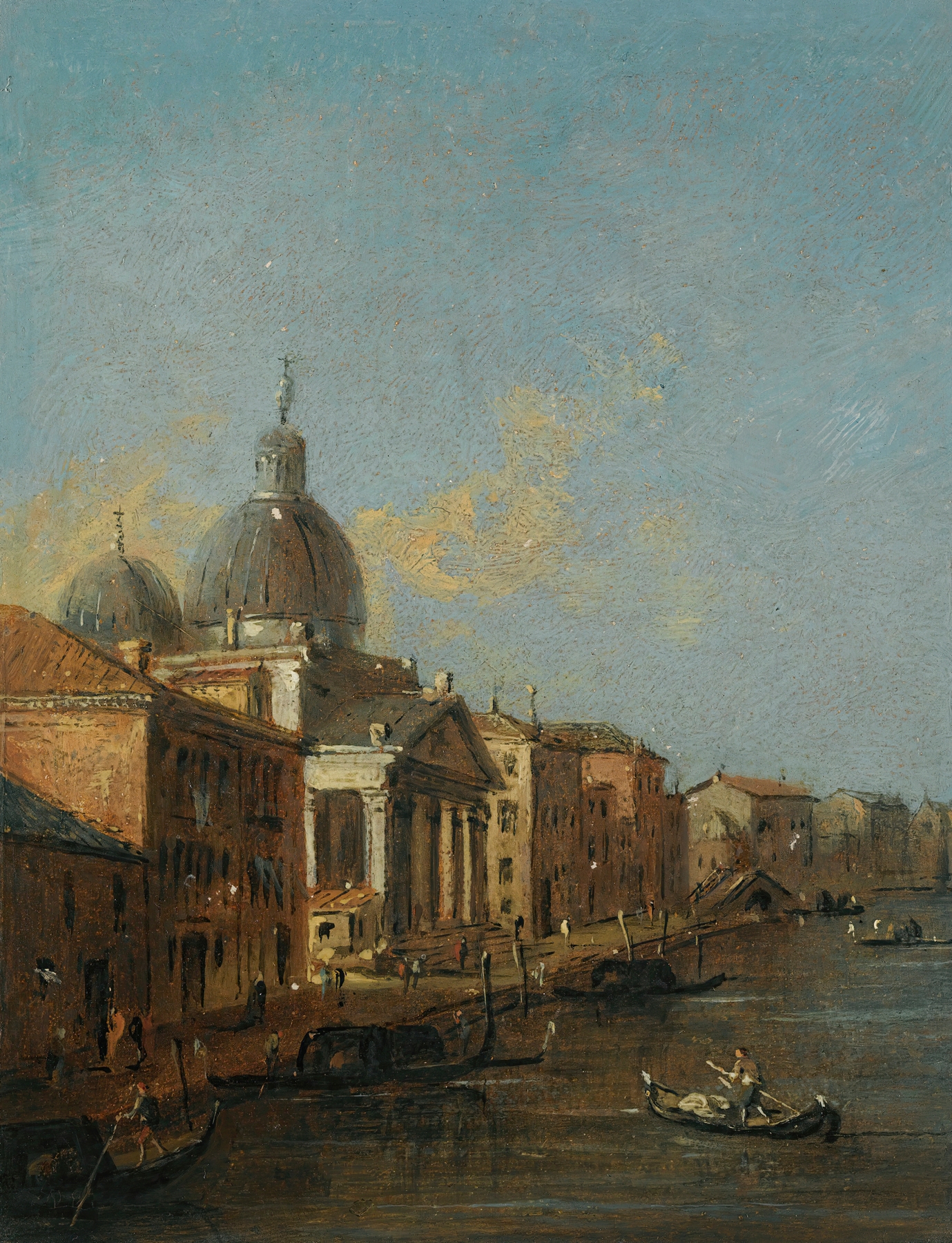
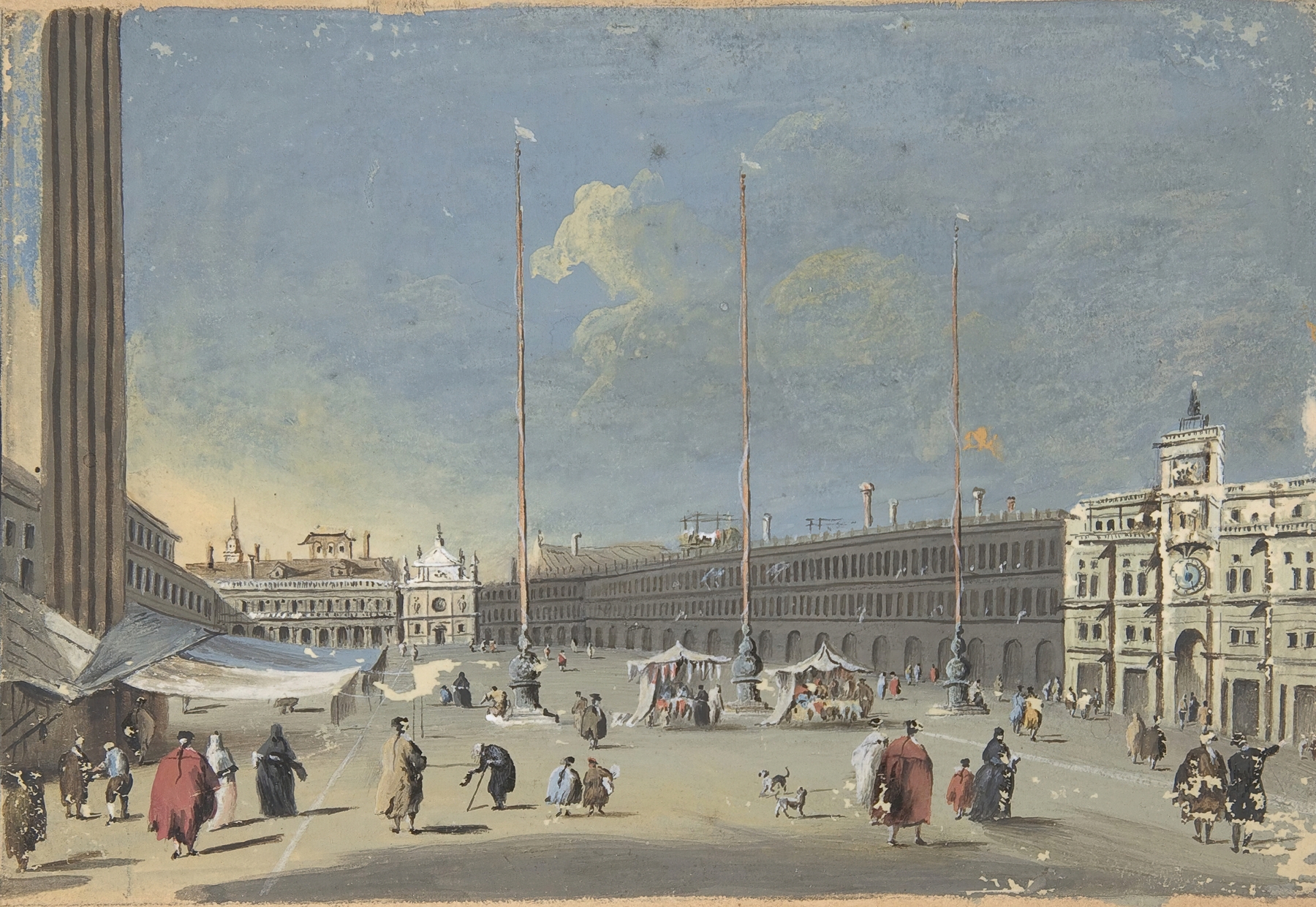
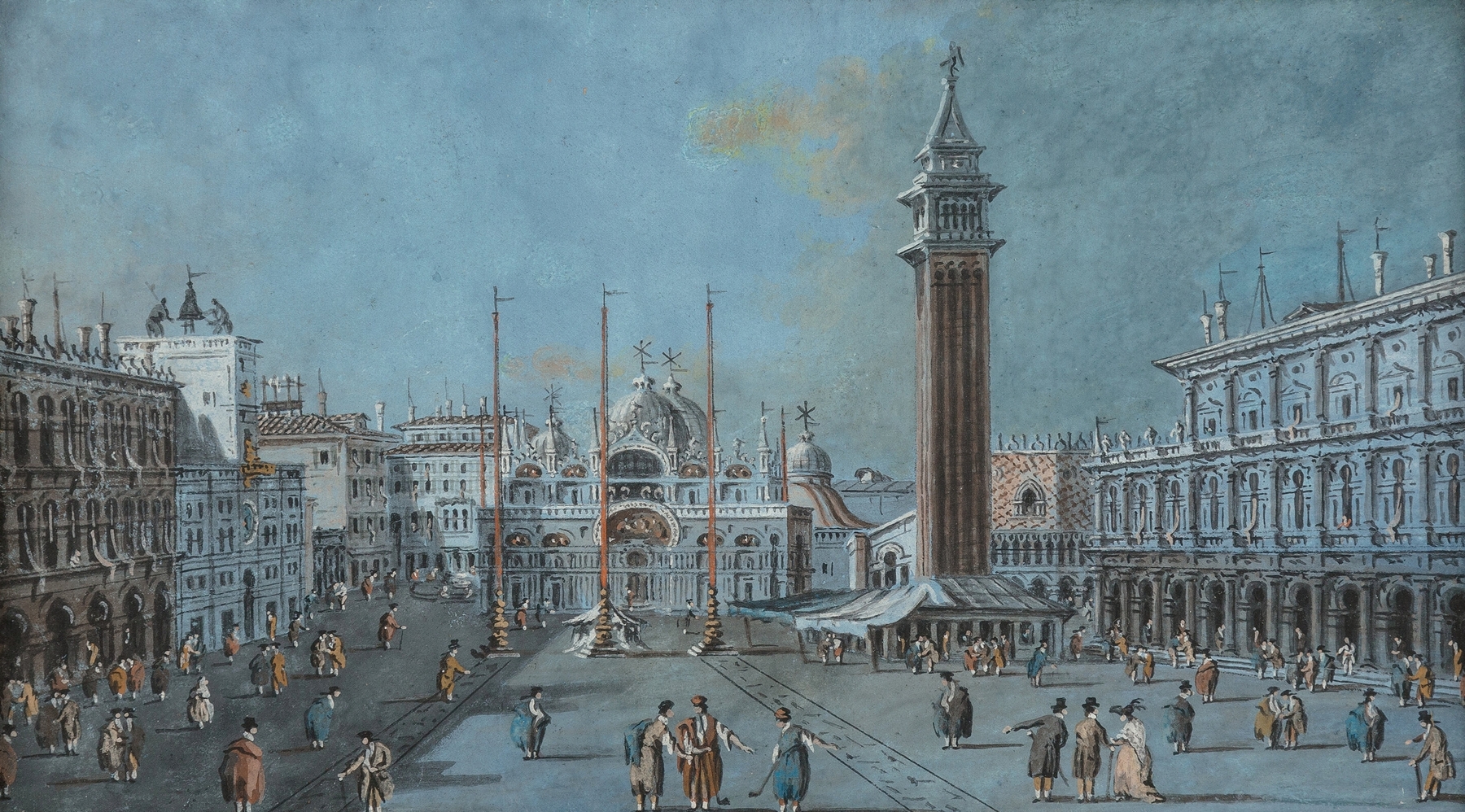
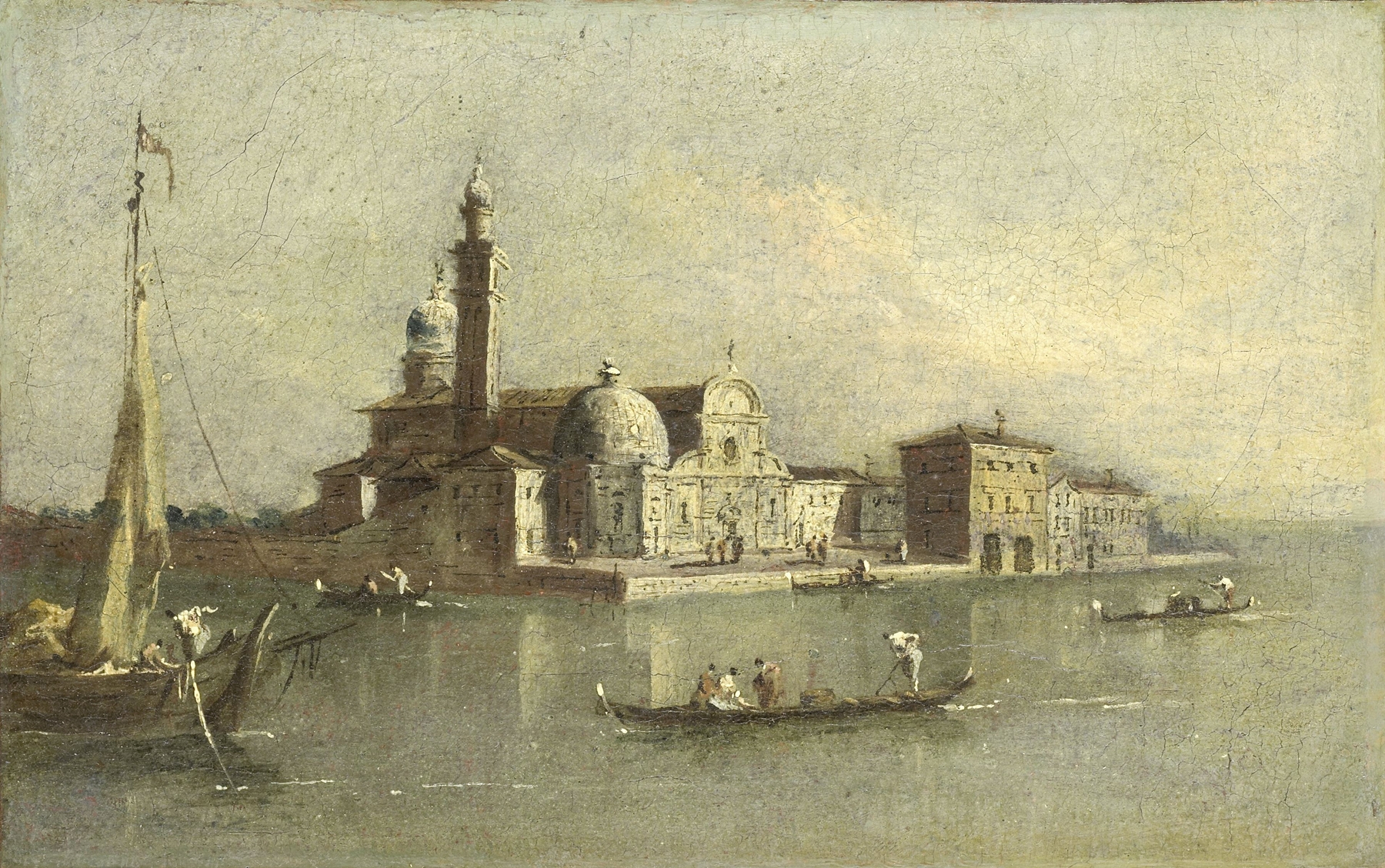
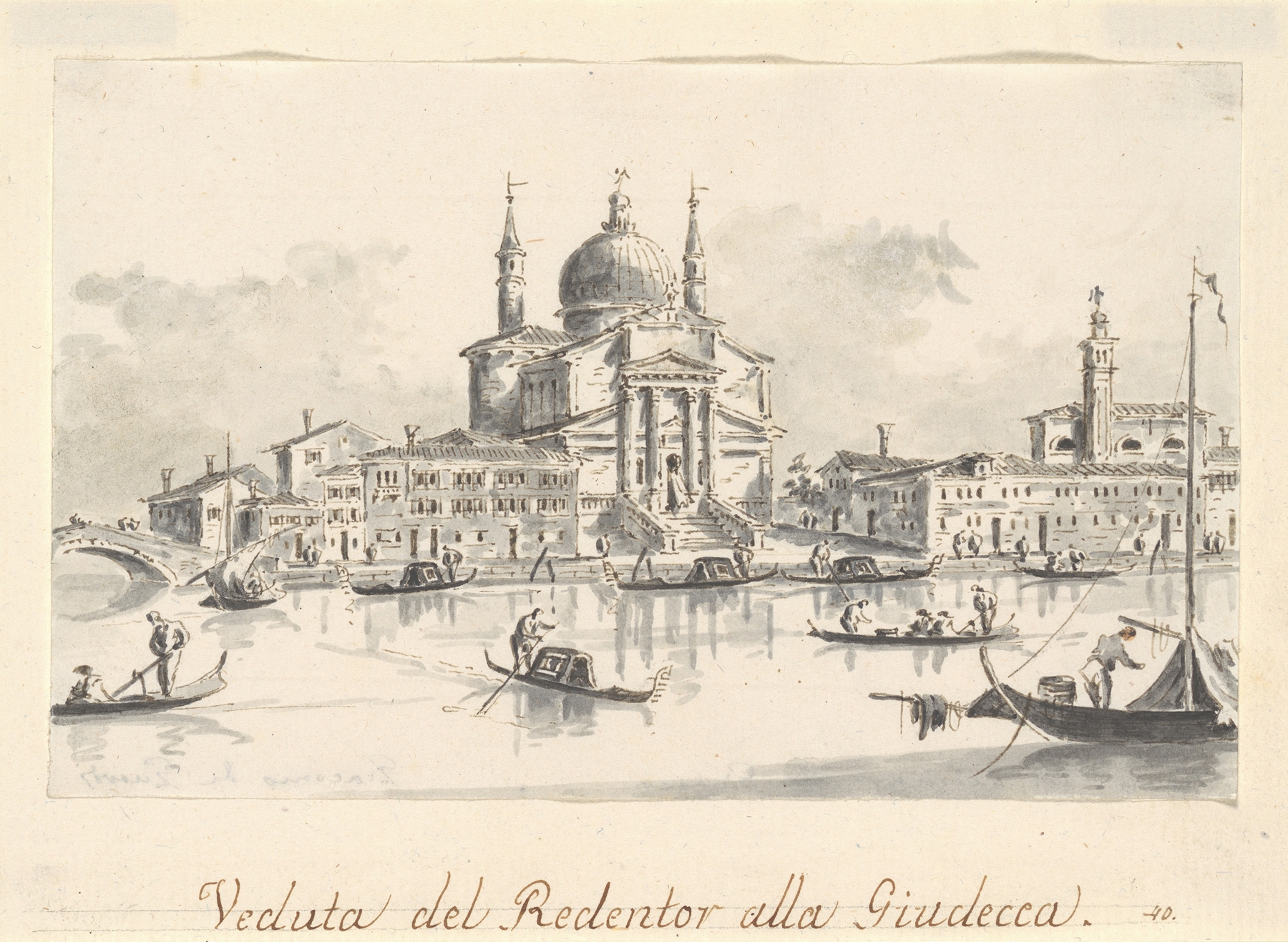
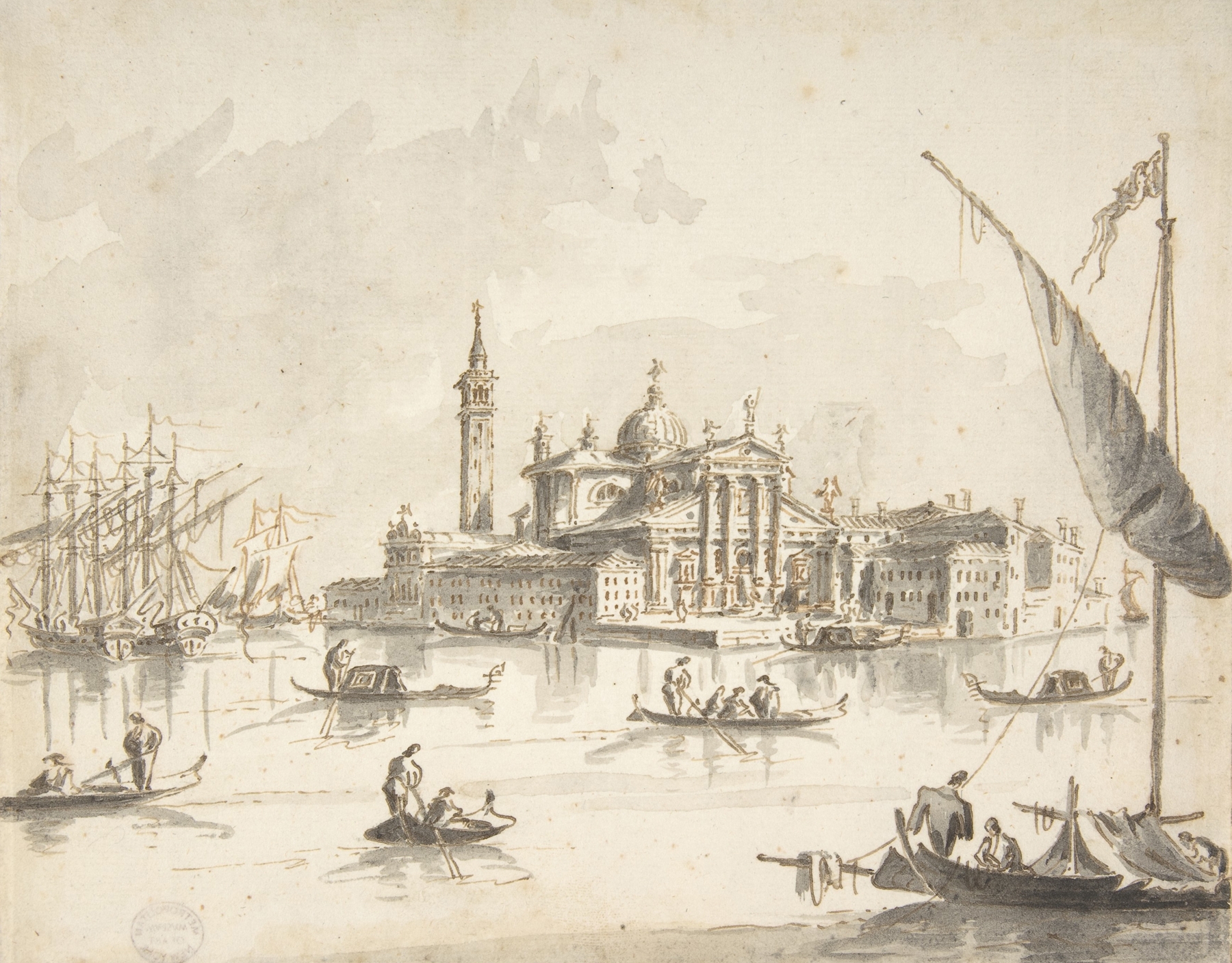
What if silence could speak through light? In the quiet embrace of dusk, a serene moment unfolds as shadows stretch long over the iconic Piazza San Marco. This scene, captured by a masterful hand, transcends time; it beckons one to experience not just the physical space but the emotional resonance held within its stillness. Look to the left at the intricate details of the church’s façade, where gentle hues of ochre and gold interplay with the cool blues of twilight. The composition is elegantly balanced, with the towering bell tower standing sentinel against the evening sky.
Notice how the soft glow of the rising moon reflects upon the serene waters of the nearby canal, creating a delicate harmony that invites the viewer to linger. Guardi’s use of light and shadow plays a pivotal role, imbuing the scene with a sense of tranquility that feels almost otherworldly. At first glance, the painting may appear merely picturesque, yet it reveals deeper narratives of longing and connection. The church, a symbol of faith, both grounds and elevates the viewer’s spirit, suggesting a bridge between the mundane and the divine. The absence of figures adds to the depth, allowing one to feel the weight of solitude and reflection, as if the very air vibrates with whispered prayers.
Each brushstroke captures both the physicality of the place and an ethereal quality, urging a contemplation of existence itself. During the years 1804 to 1828, this work emerged from Guardi’s studio amid a period of artistic transition. Living in Venice, he witnessed the decline of the Republic and the rise of new aesthetic movements, including Romanticism. The evolving world around him influenced his dedication to capturing the emotional essence of his city, emphasizing atmosphere over mere representation, ultimately marking a significant moment in the evolution of landscape painting.