The Church of the Redentore from the Giudecca Canal — History & Analysis
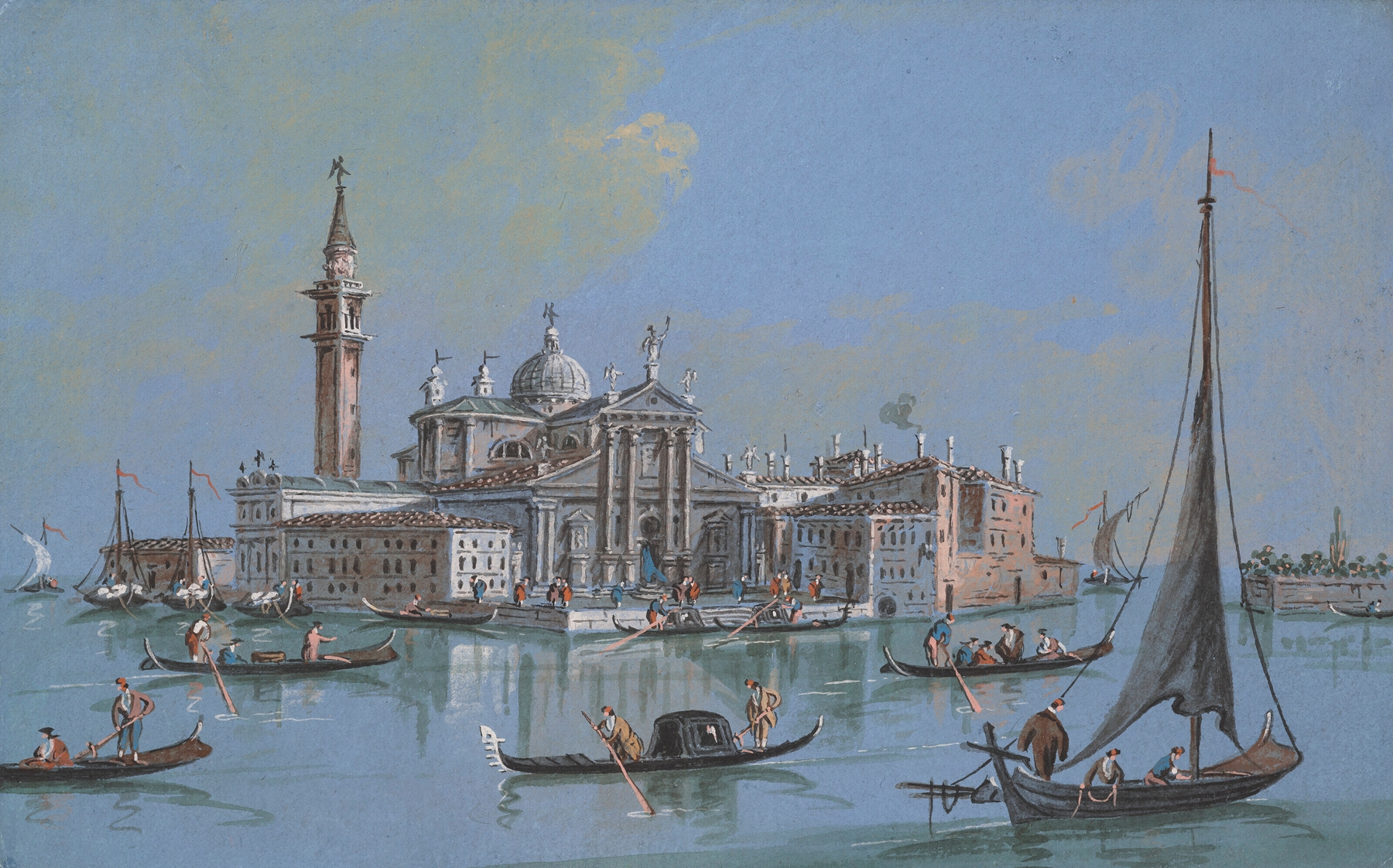
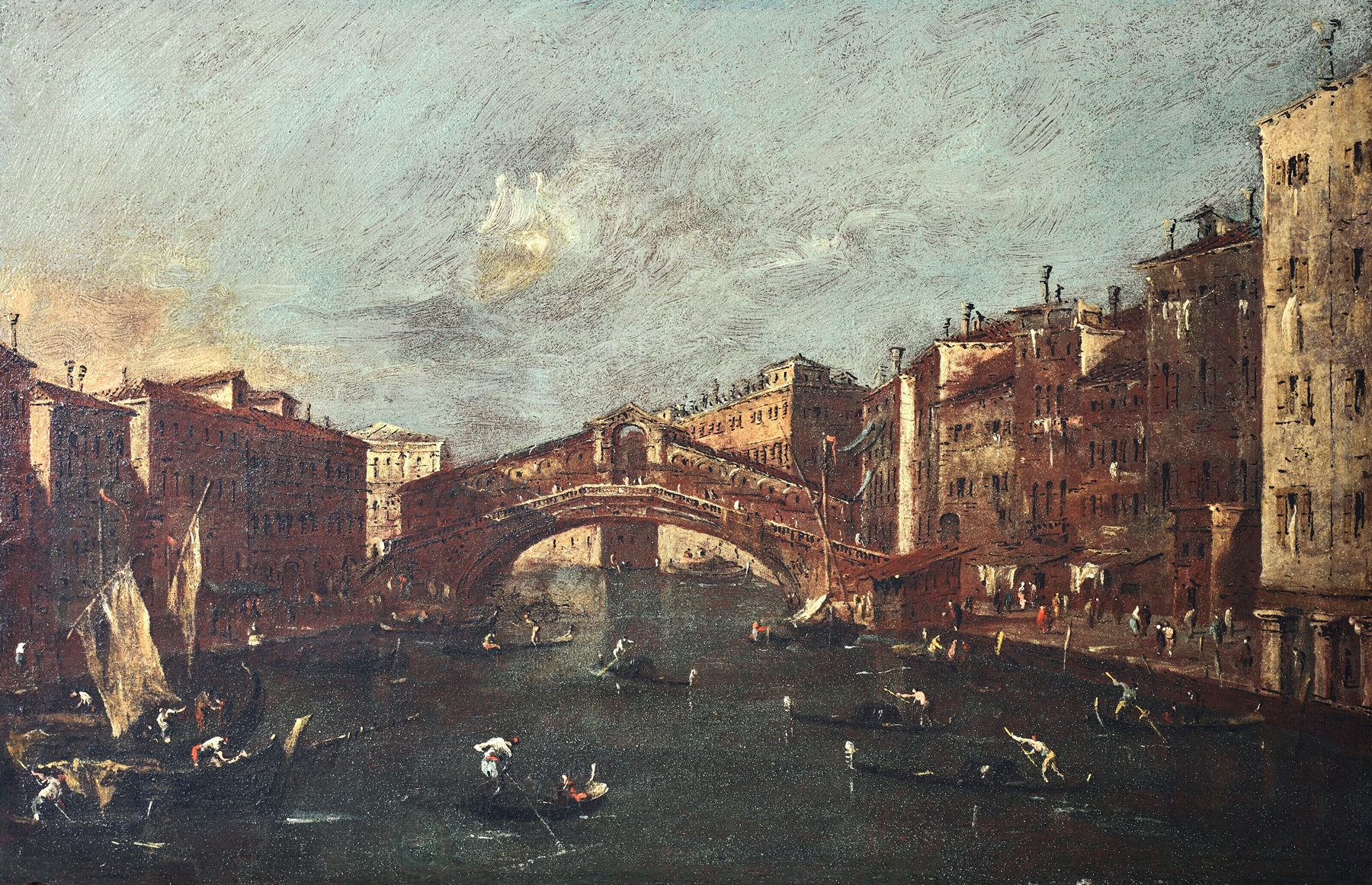
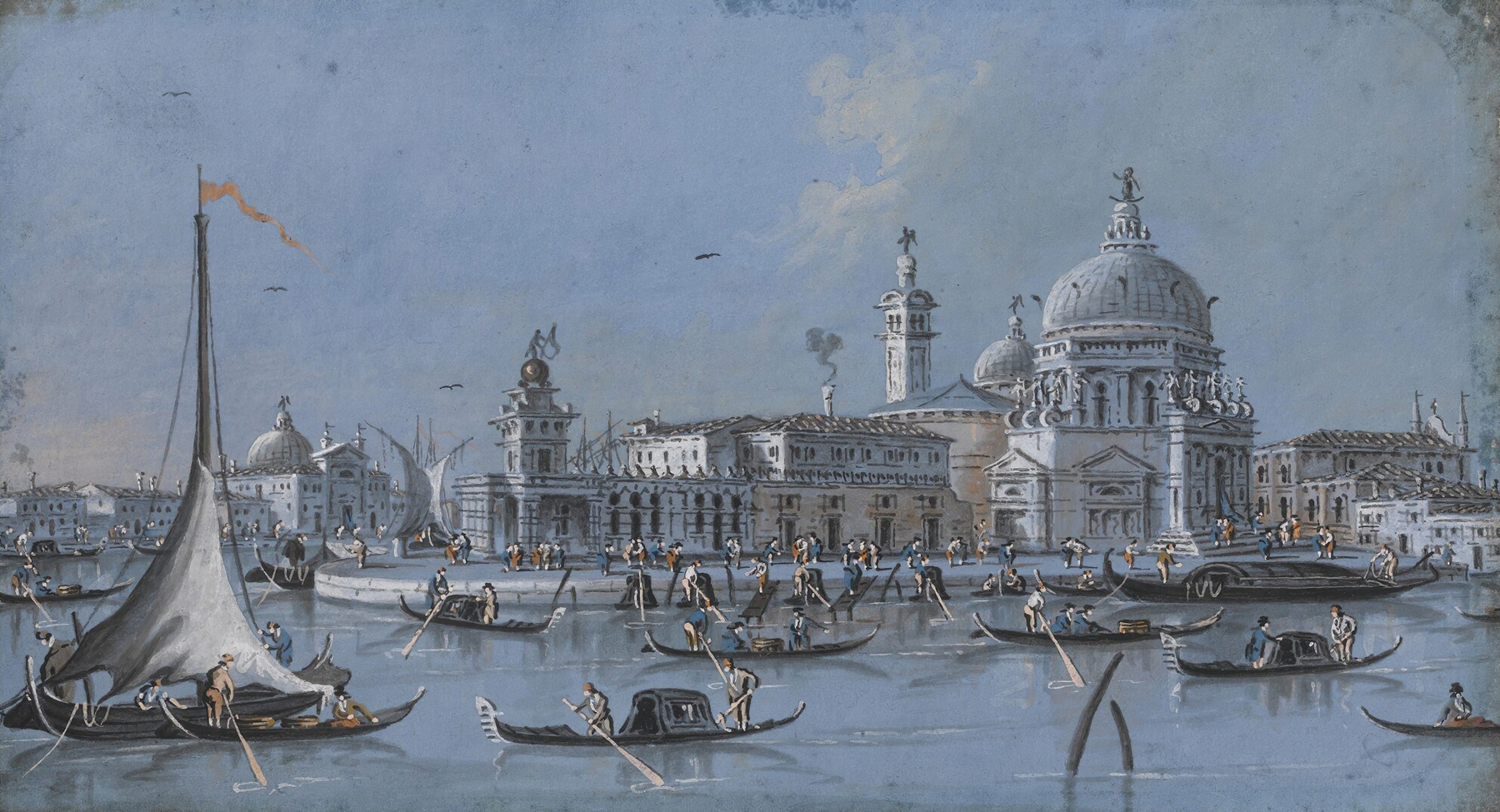
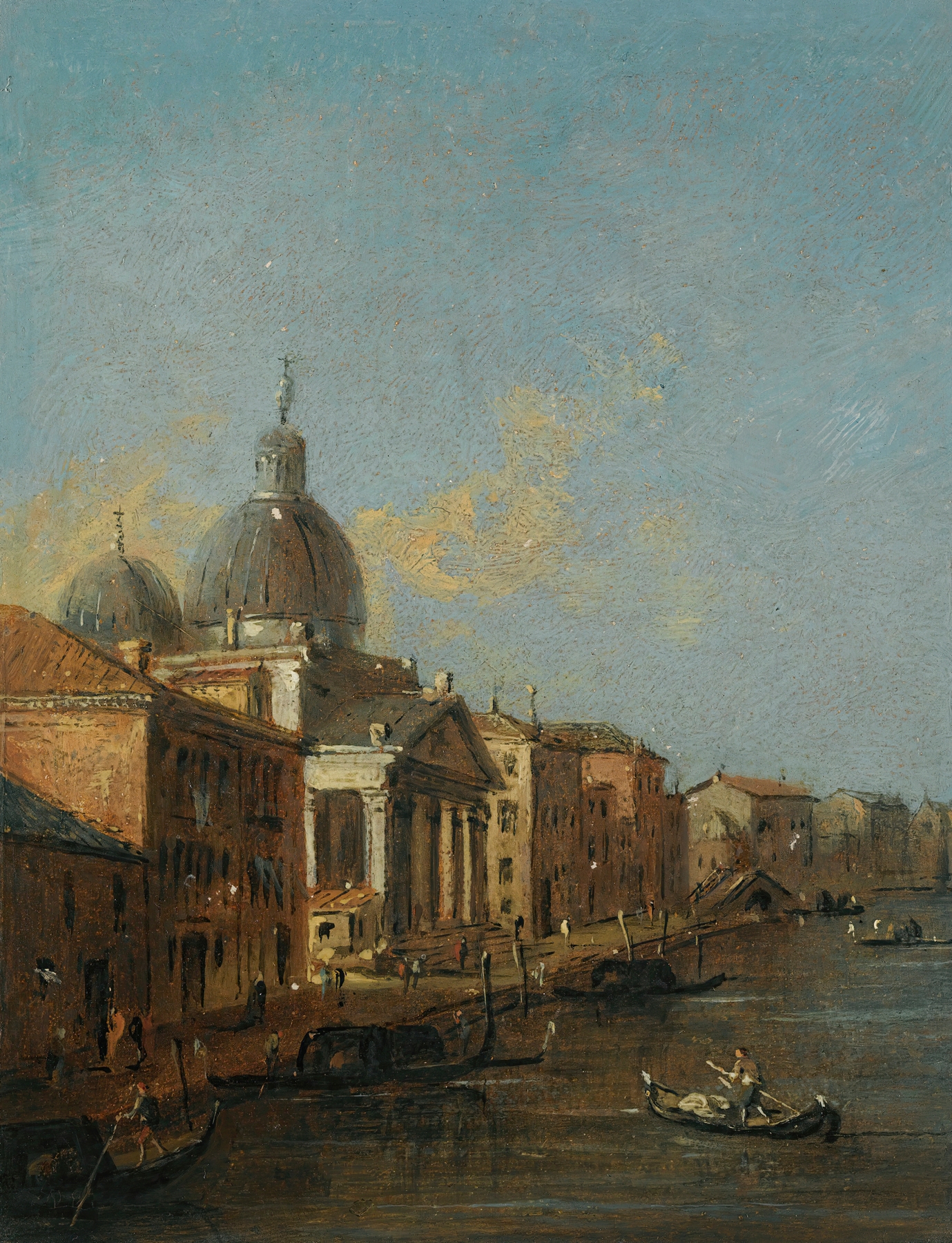
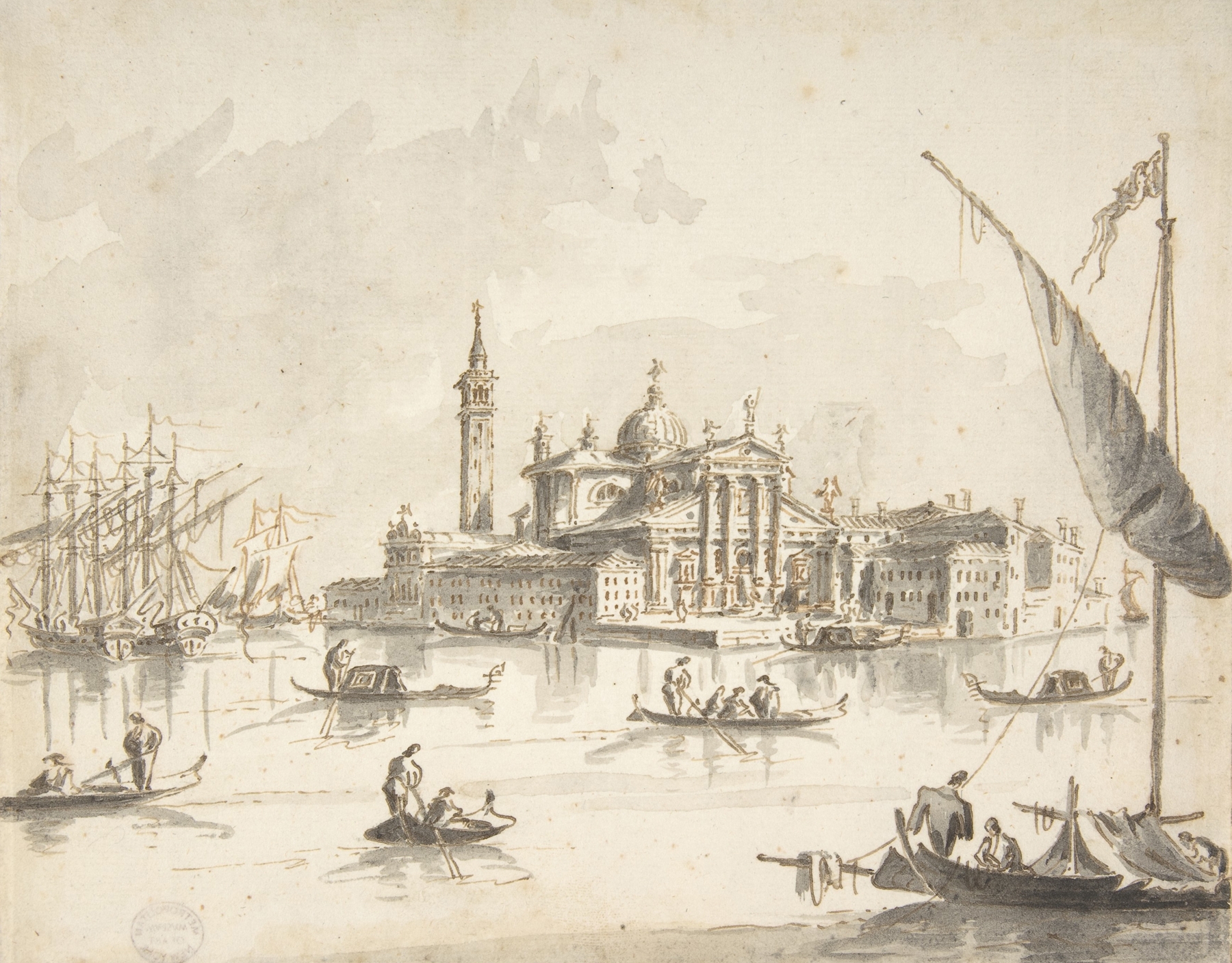
“Under the brush, chaos becomes grace.” What do we sacrifice in the pursuit of beauty? This painting stands as a testament to the delicate dance between betrayal and transcendence, revealing the tensions that linger in the spaces where light and shadow entwine. Look to the left, where the vivid blues and greens of the canal reflect the soft glow of the setting sun, casting a shimmering warmth over the surface. Notice how the buildings rise majestically, their creamy facades punctuated by the intricate details that whisper of a city both alive and haunted.
The artist's use of gentle brushstrokes invites you to explore the balance between serenity and disquiet—a contrast mirrored in the rippling water, where chaos silently threatens to disrupt the peaceful façade. As you delve deeper, consider the juxtaposition of the serene church against the tumultuous waterway. The church, a symbol of sanctuary, stands resolute amidst the rippling reflections of a world in flux, suggesting an enduring faith that resists the tides of uncertainty. Yet, the boats below serve as fleeting vessels, casting shadows that evoke notions of abandonment and betrayal—perhaps hinting at the fragile nature of trust within the very heart of beauty itself.
Giacomo Guardi painted this work between 1804 and 1828, during a period when Venice was grappling with immense political and social upheaval. As the city faced the decline of its historical power and the encroachment of modernity, Guardi sought to capture not just the physical beauty of his surroundings but the emotional landscape of a society in transition. His brush became a means of navigating the complexities of loss, memory, and the resilience of faith against an ever-changing canvas of life.