Santa Maria Della Salute, Venice And The Punta Della Dogana — History & Analysis
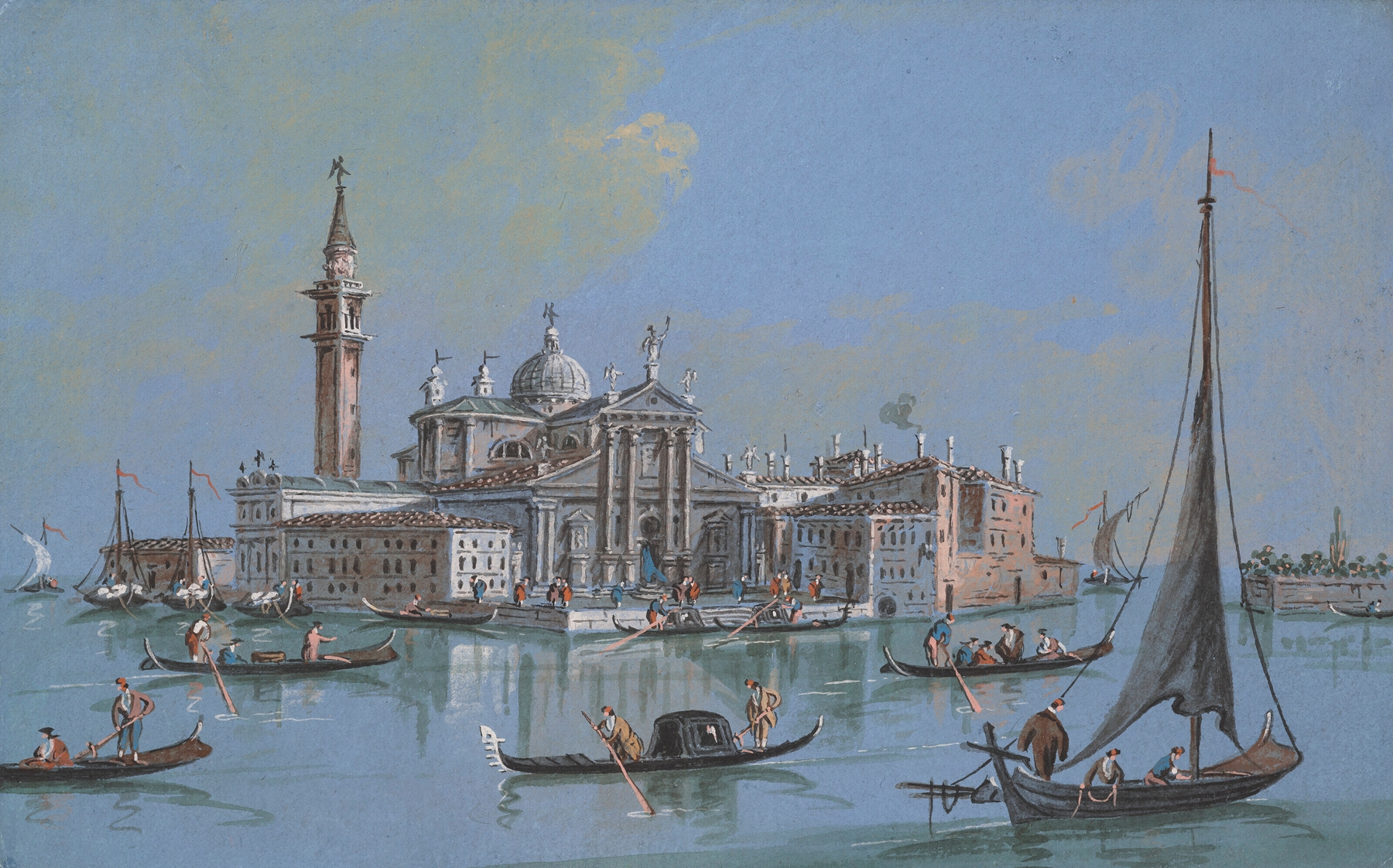
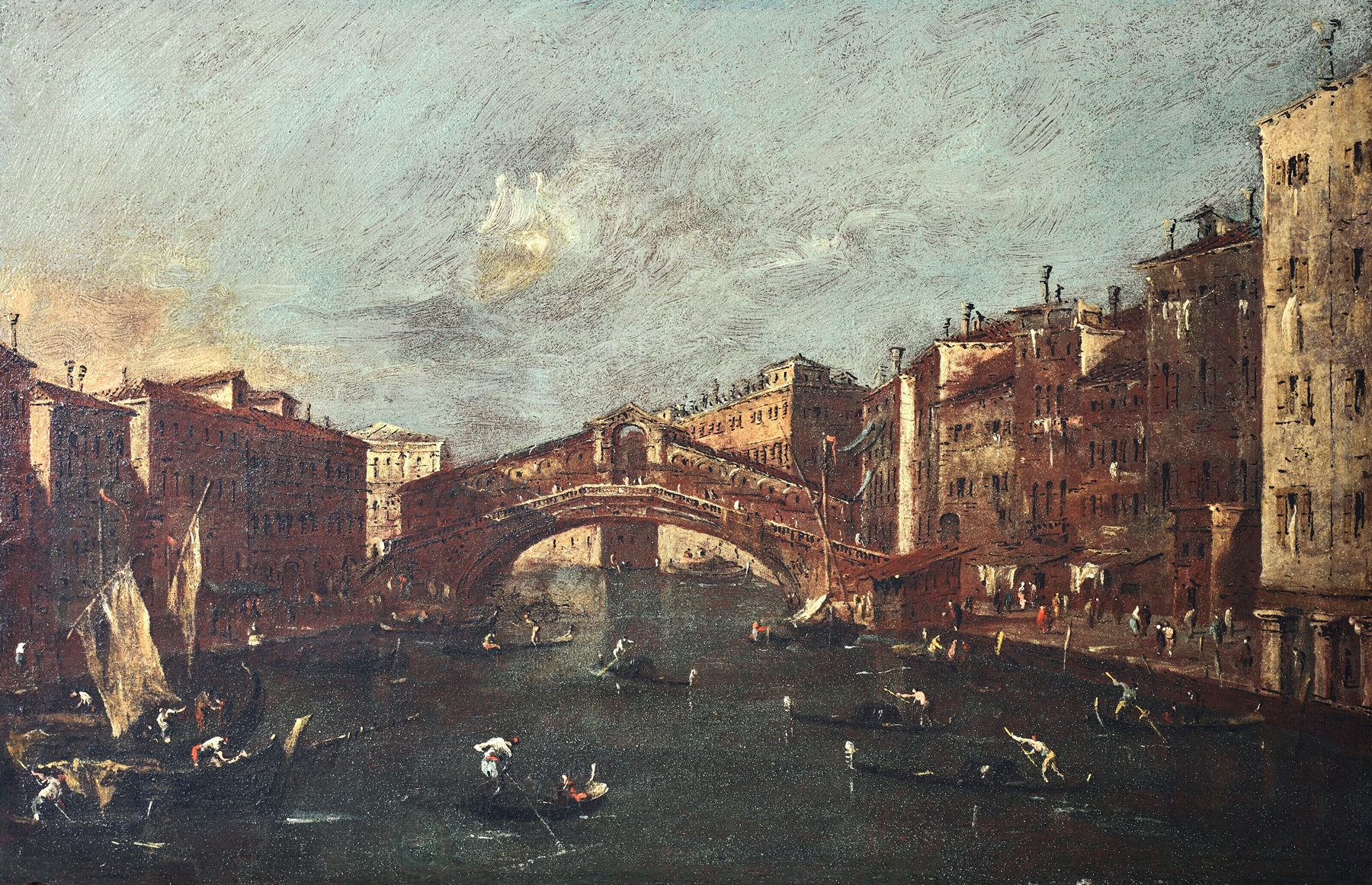
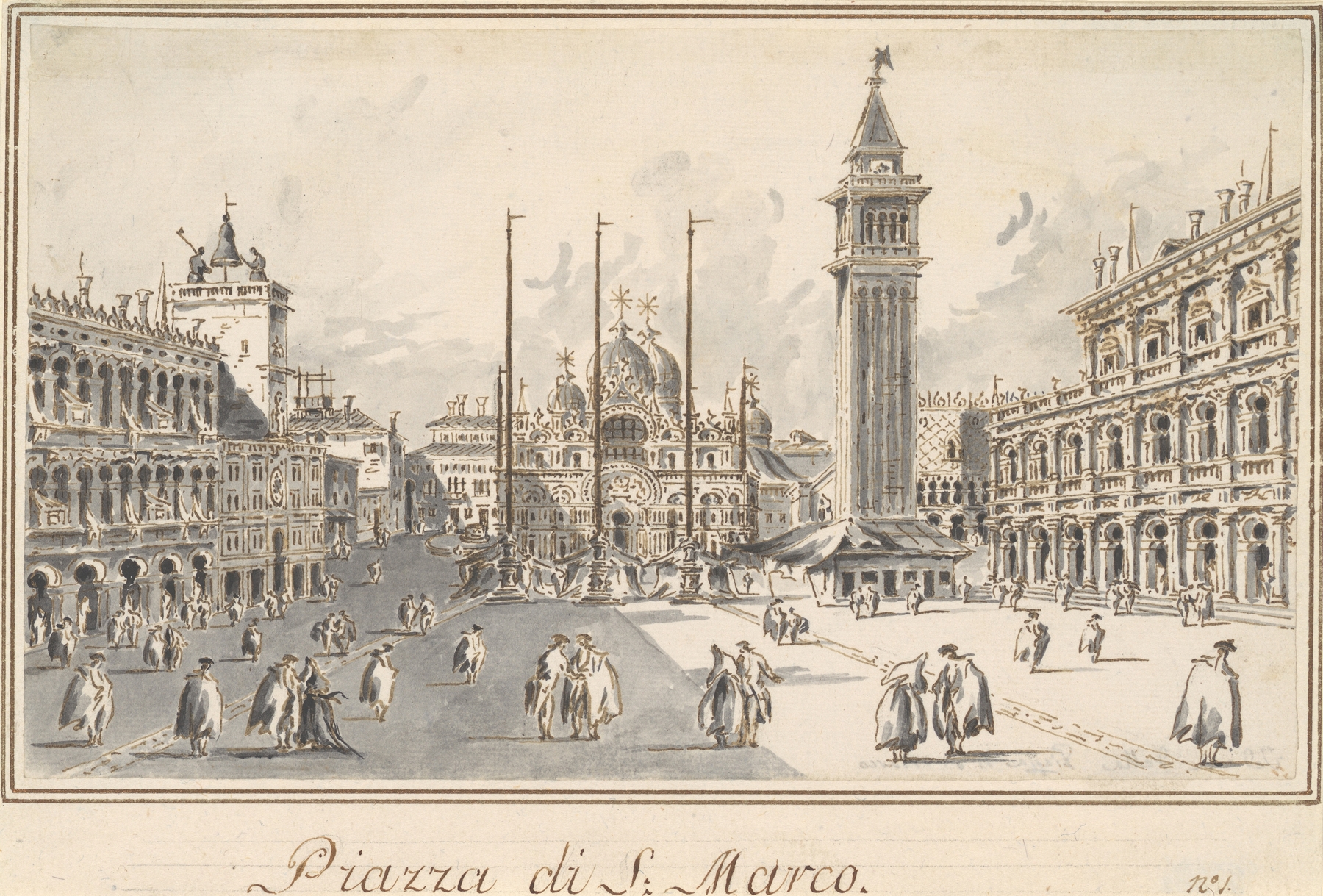
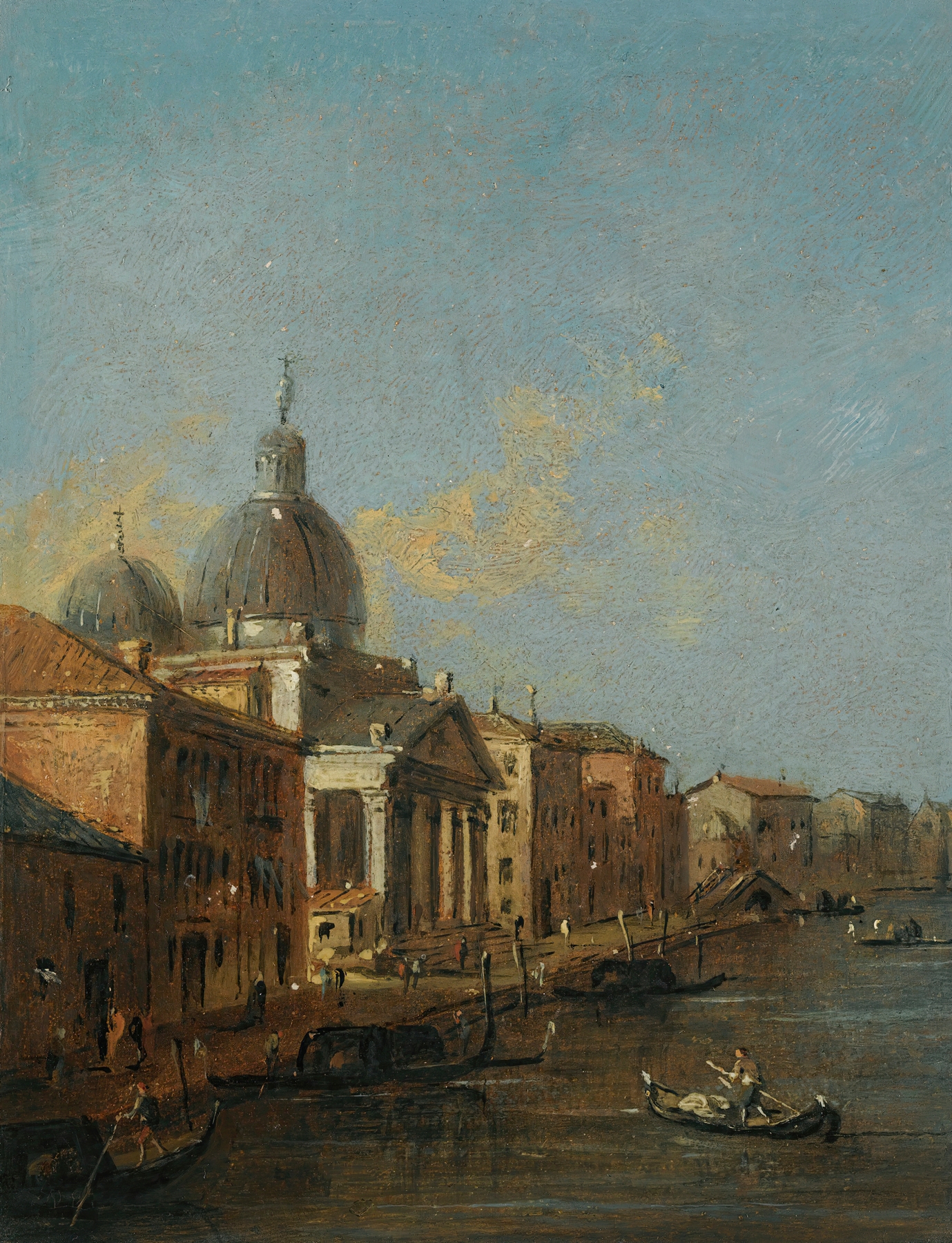
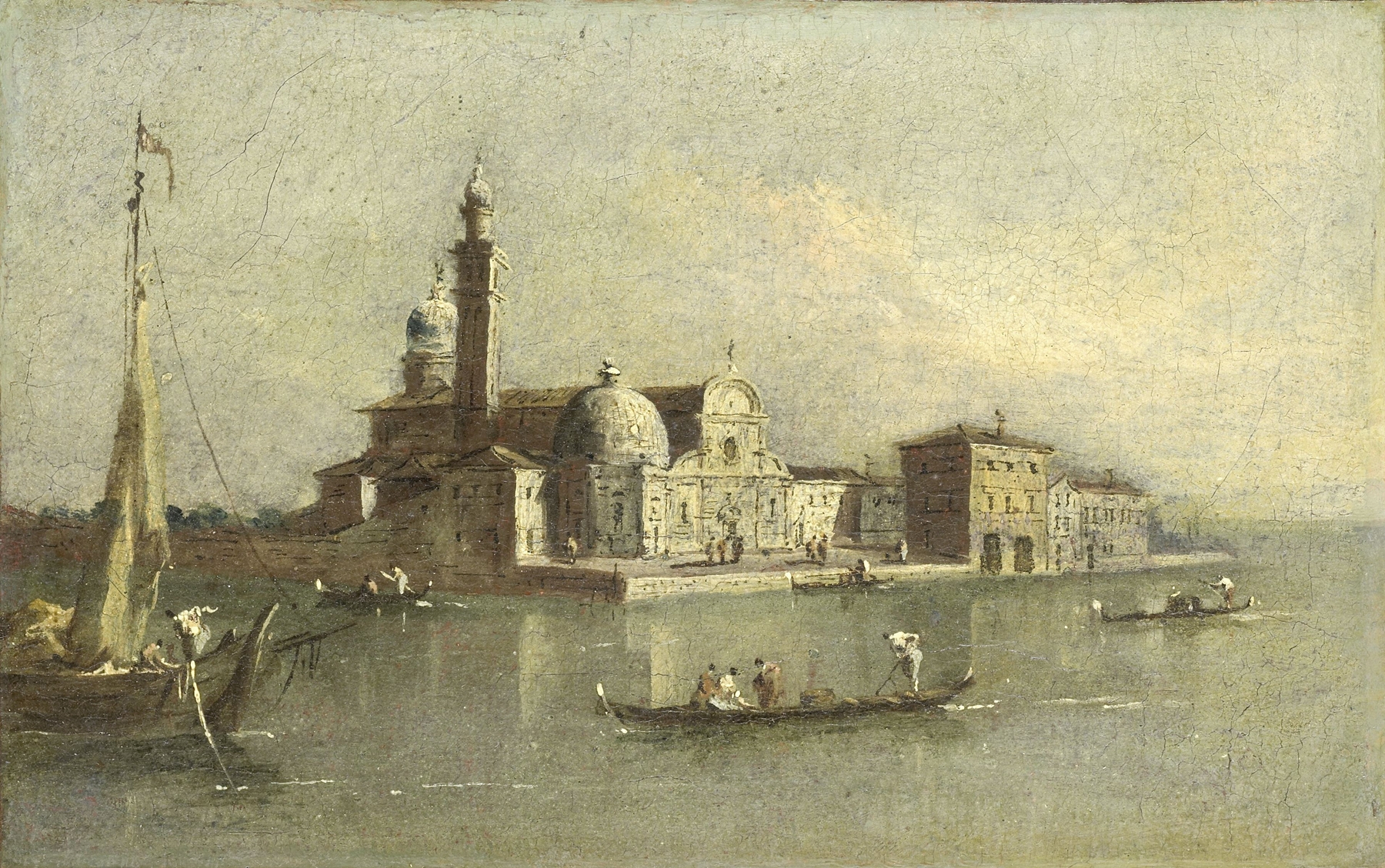
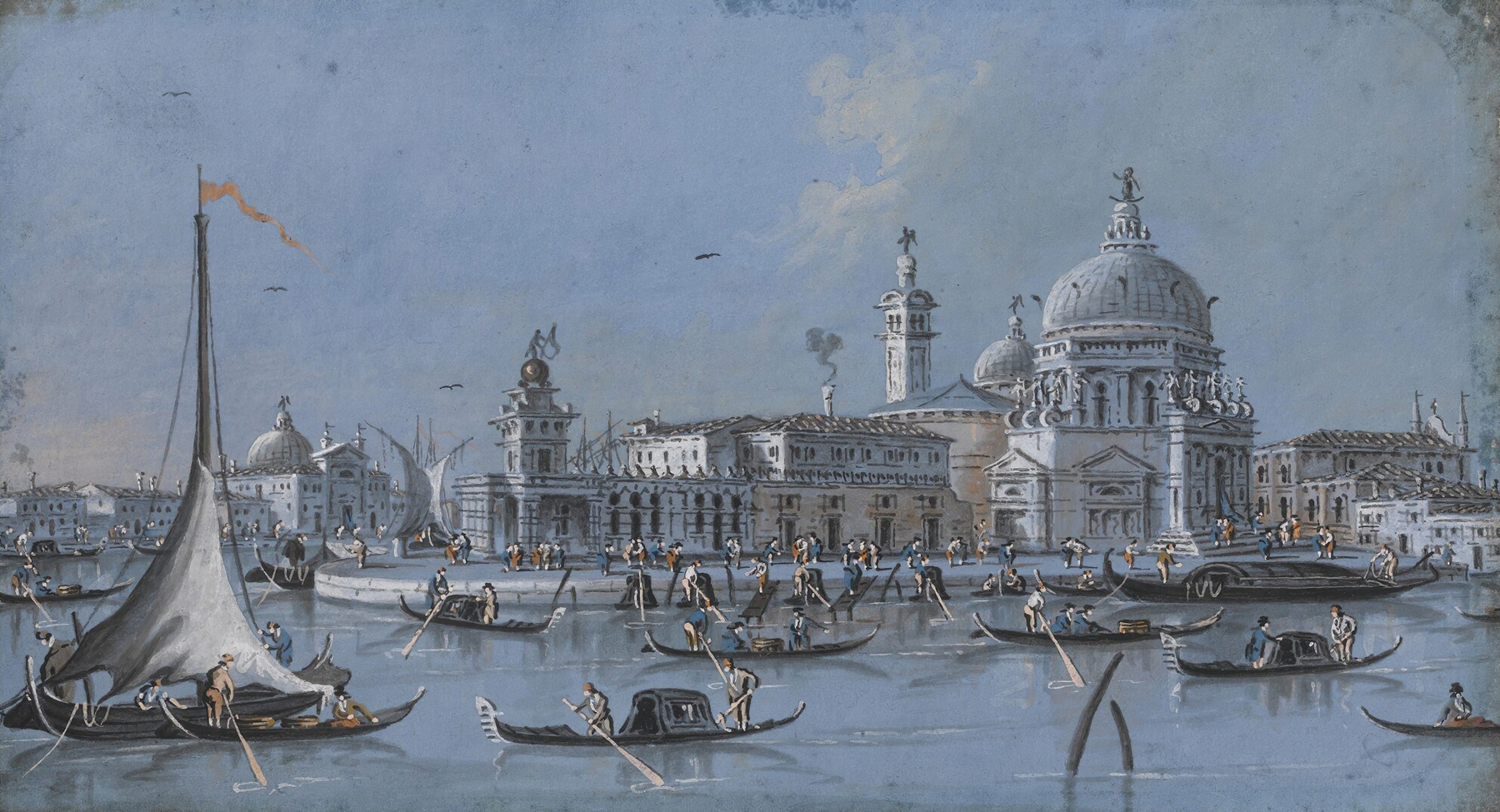
What secret hides in the quiet of the canvas? Beneath the luminous sky and crumbling architecture of Venice lies a world of shadows, where history whispers through the brushstrokes. Focus first on the interplay of light and shadow, especially around the grand silhouette of the Santa Maria Della Salute. The soft hues of twilight envelop the scene, as warm oranges and cool blues blend seamlessly, creating a tranquil yet poignant atmosphere. Notice how Guardi captures the gentle undulation of the water, reflecting the pastel colors of the sky, while the pointed rooftops and domes rise like sentinels against the fading day.
The subtle gradations of light reveal the architectural details, showcasing a masterful command of perspective and composition. Delve deeper into the emotional tension between the ethereal beauty of the scene and the inescapable passage of time. The shadows cast by the buildings evoke a sense of nostalgia, as if the city itself is mourning its past. The positioning of the boats, anchored in stillness, contrasts with the vibrant, fleeting colors above, hinting at the dichotomy of life within this timeless landscape.
Each element speaks to the fragility of existence, reminding us that even the most beautiful moments are transient. Giacomo Guardi painted this work in Venice during the late 18th century, a time when the city was experiencing both artistic flourishing and socio-economic decline. As a prominent figure in the Venetian school, he was influenced by his predecessors, yet he sought to infuse his landscapes with a unique emotional depth. This painting reflects his commitment to capturing the spirit of Venice, a city caught between its illustrious history and the inexorable march of time.