The Piazza San Marco towards San Giacomo — History & Analysis
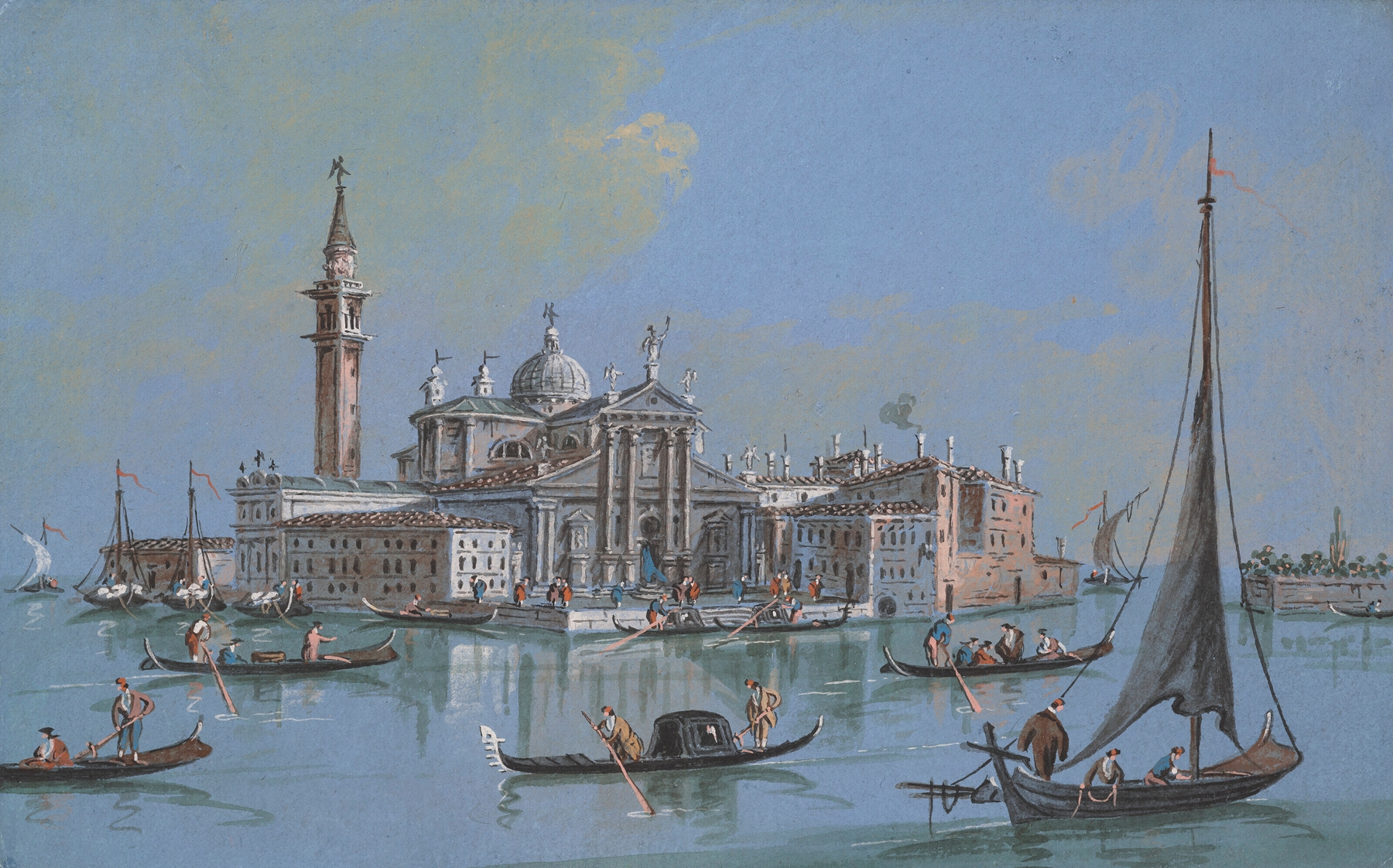
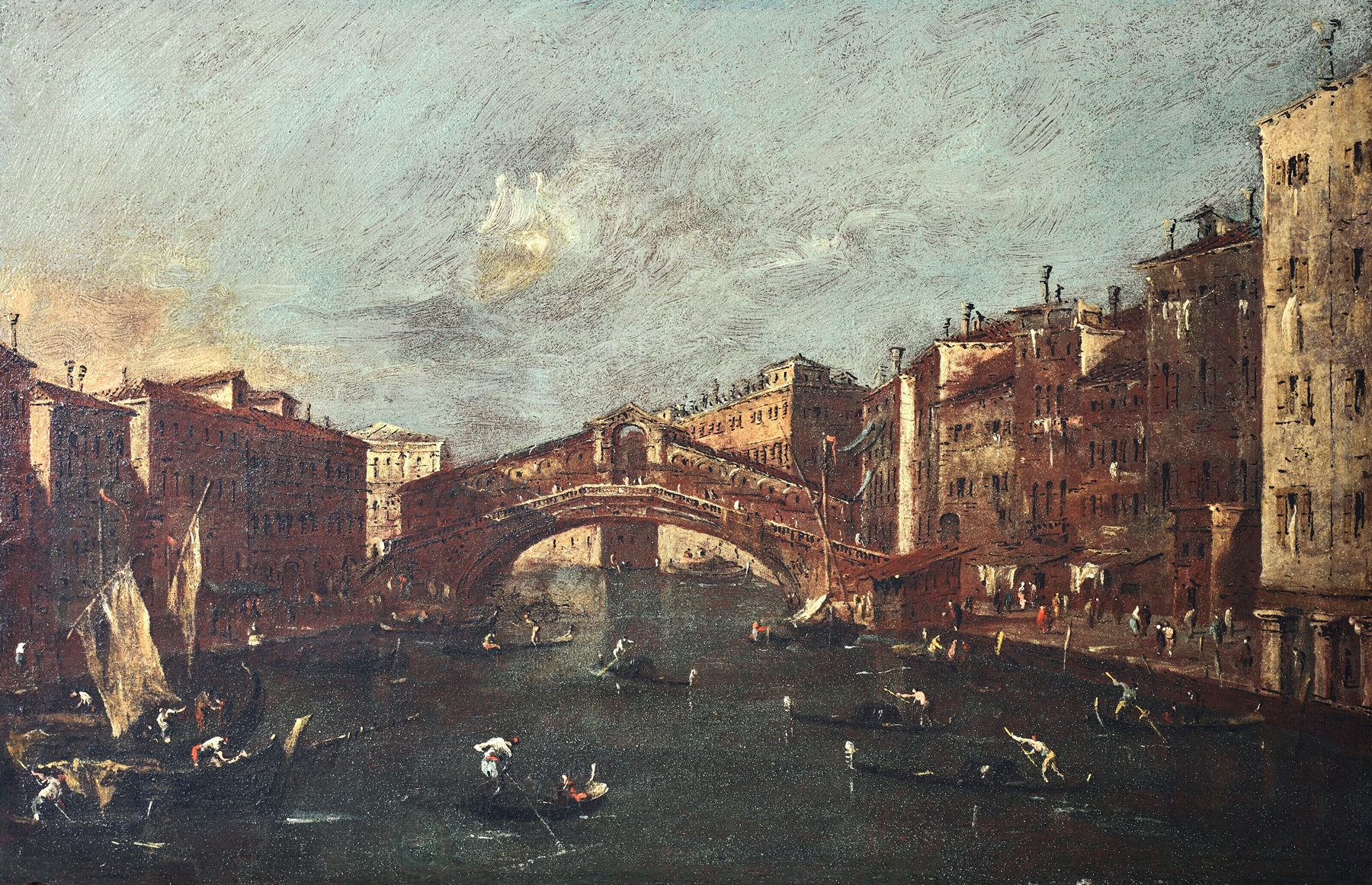
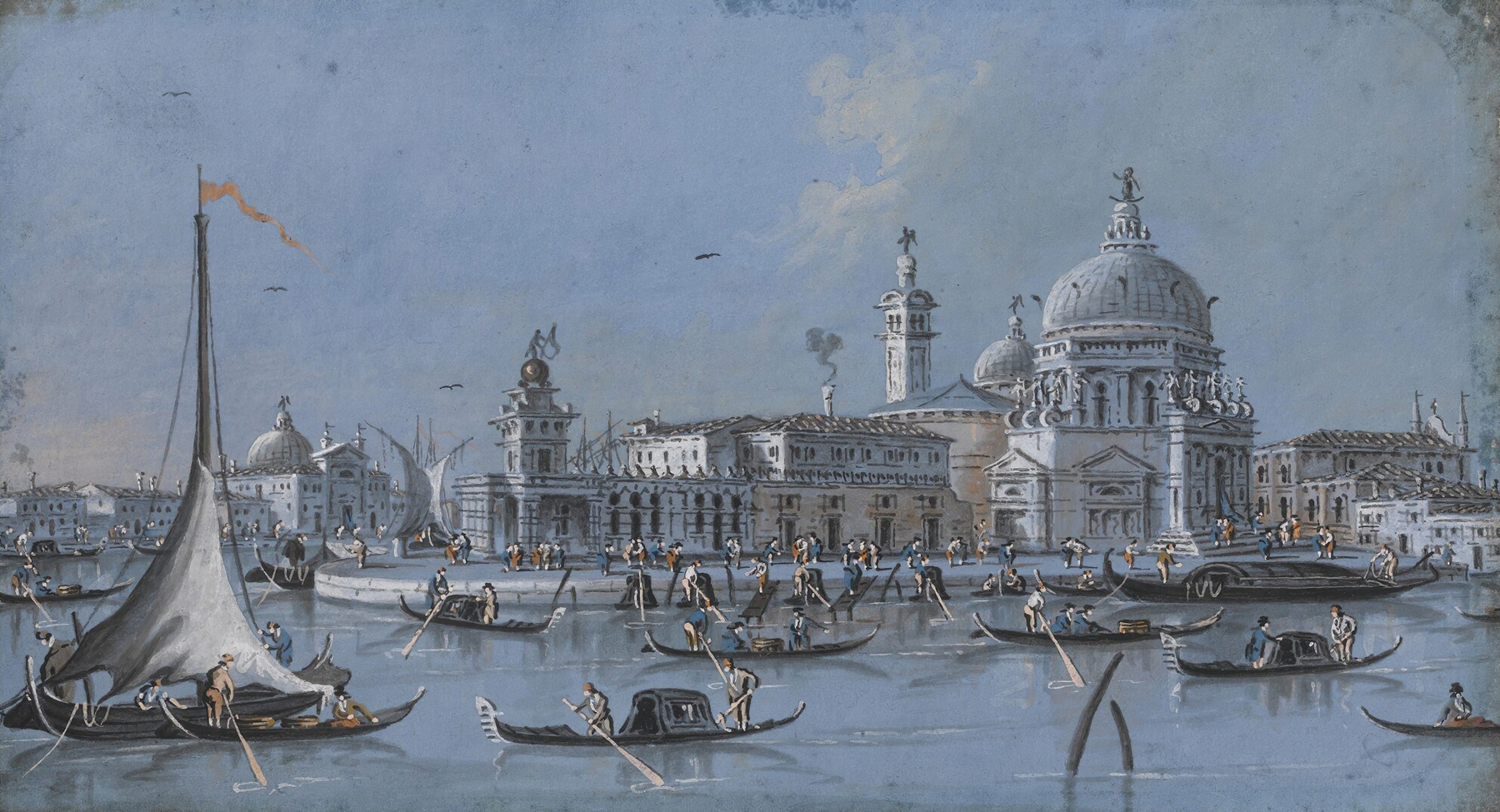
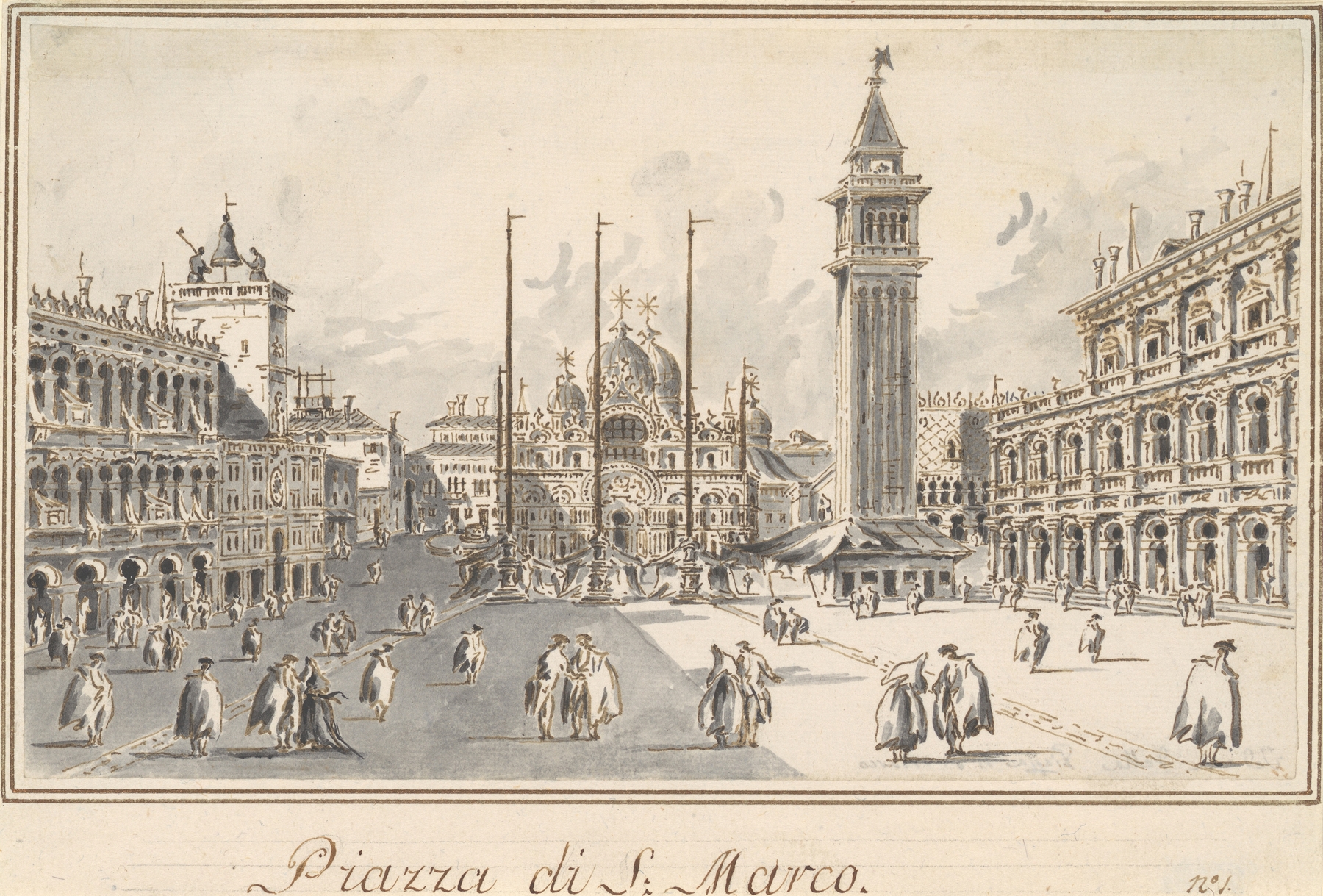
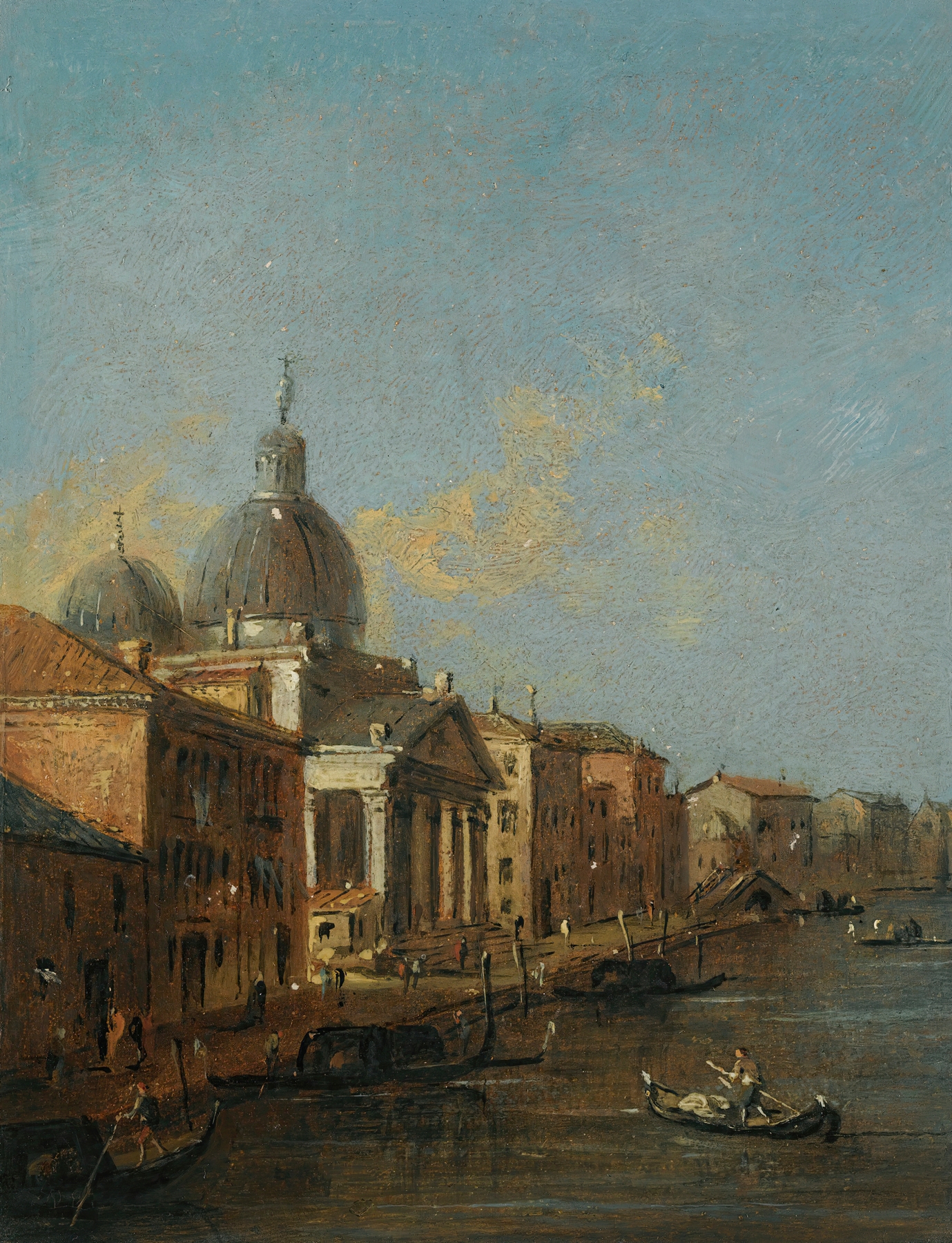
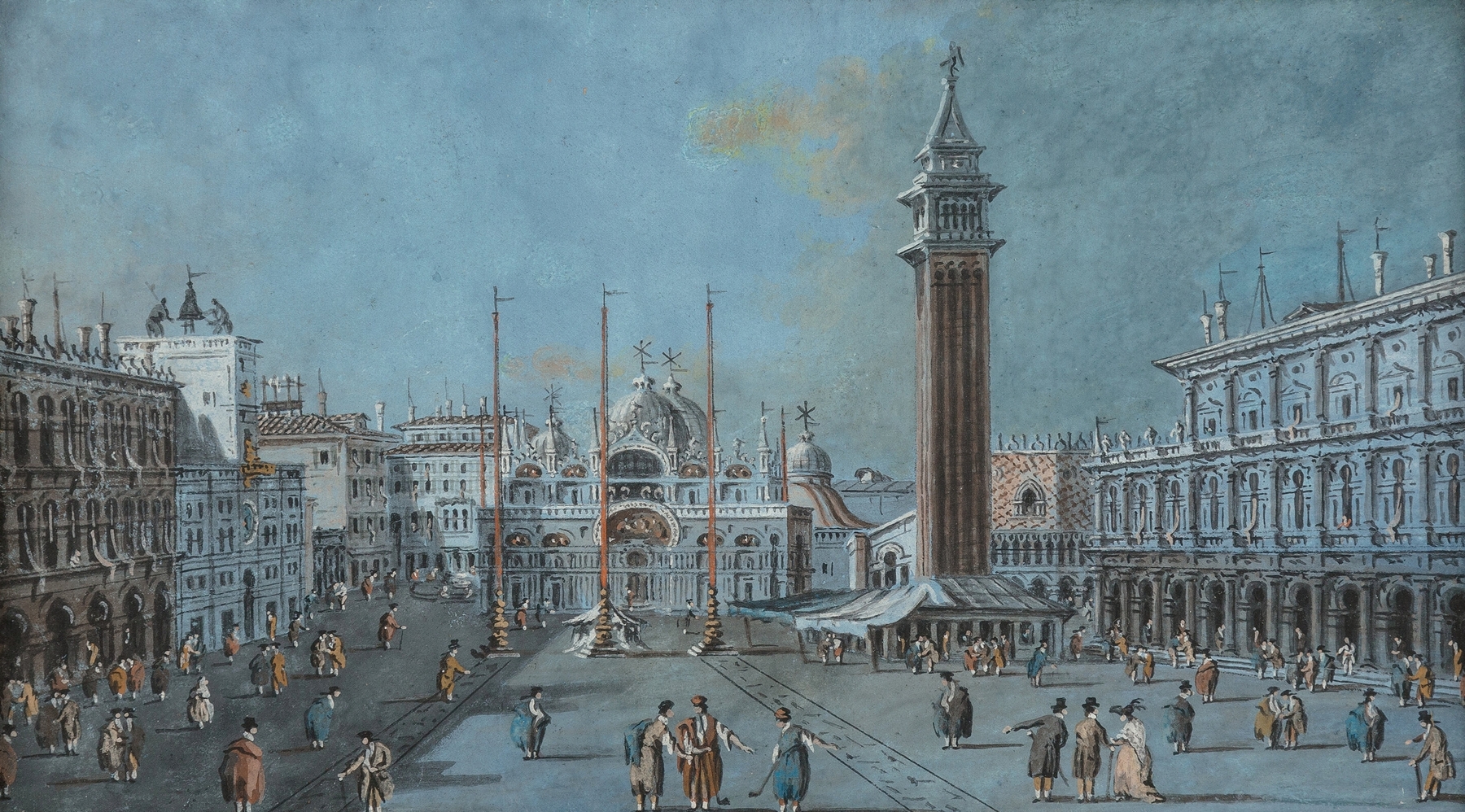
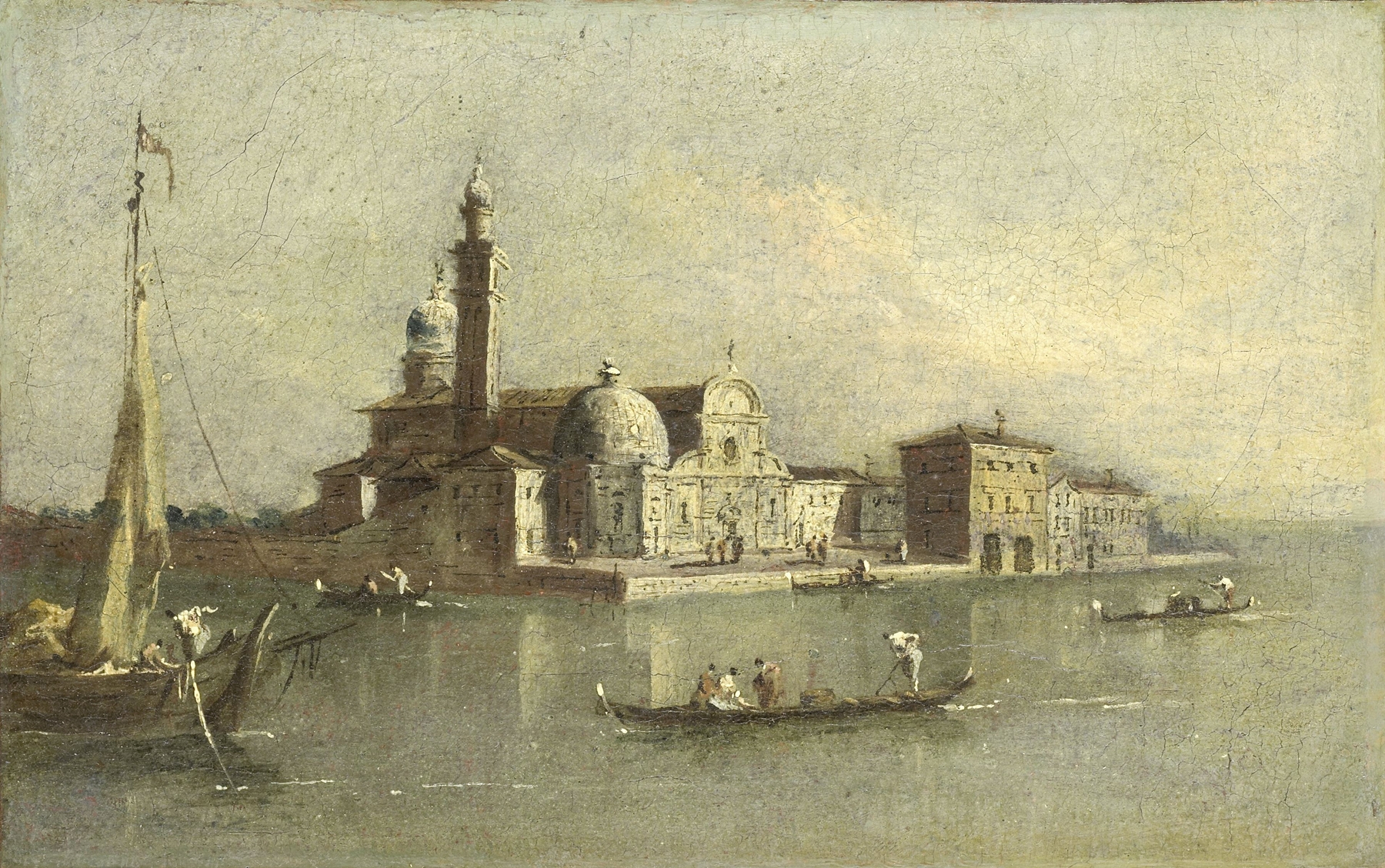
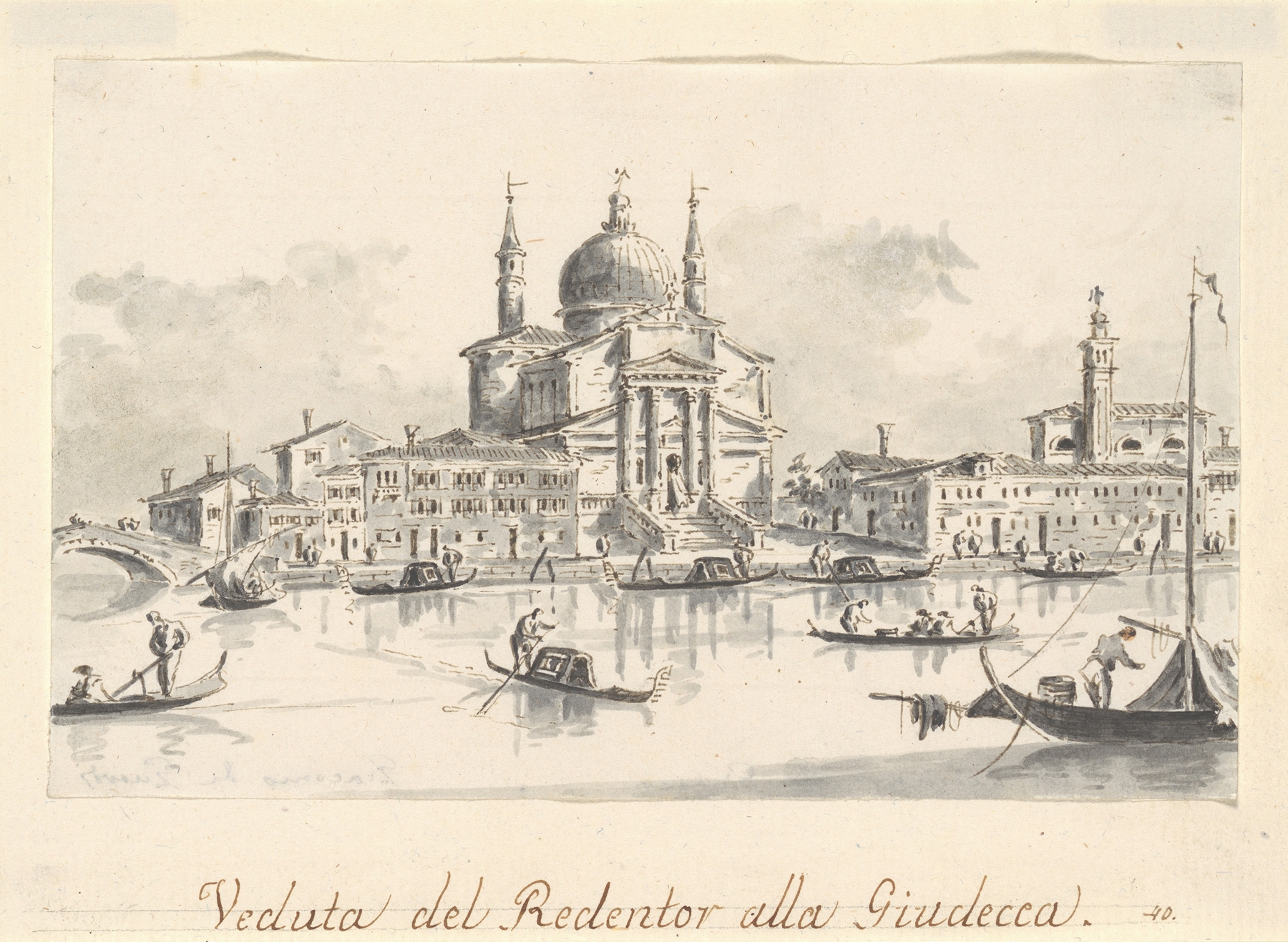
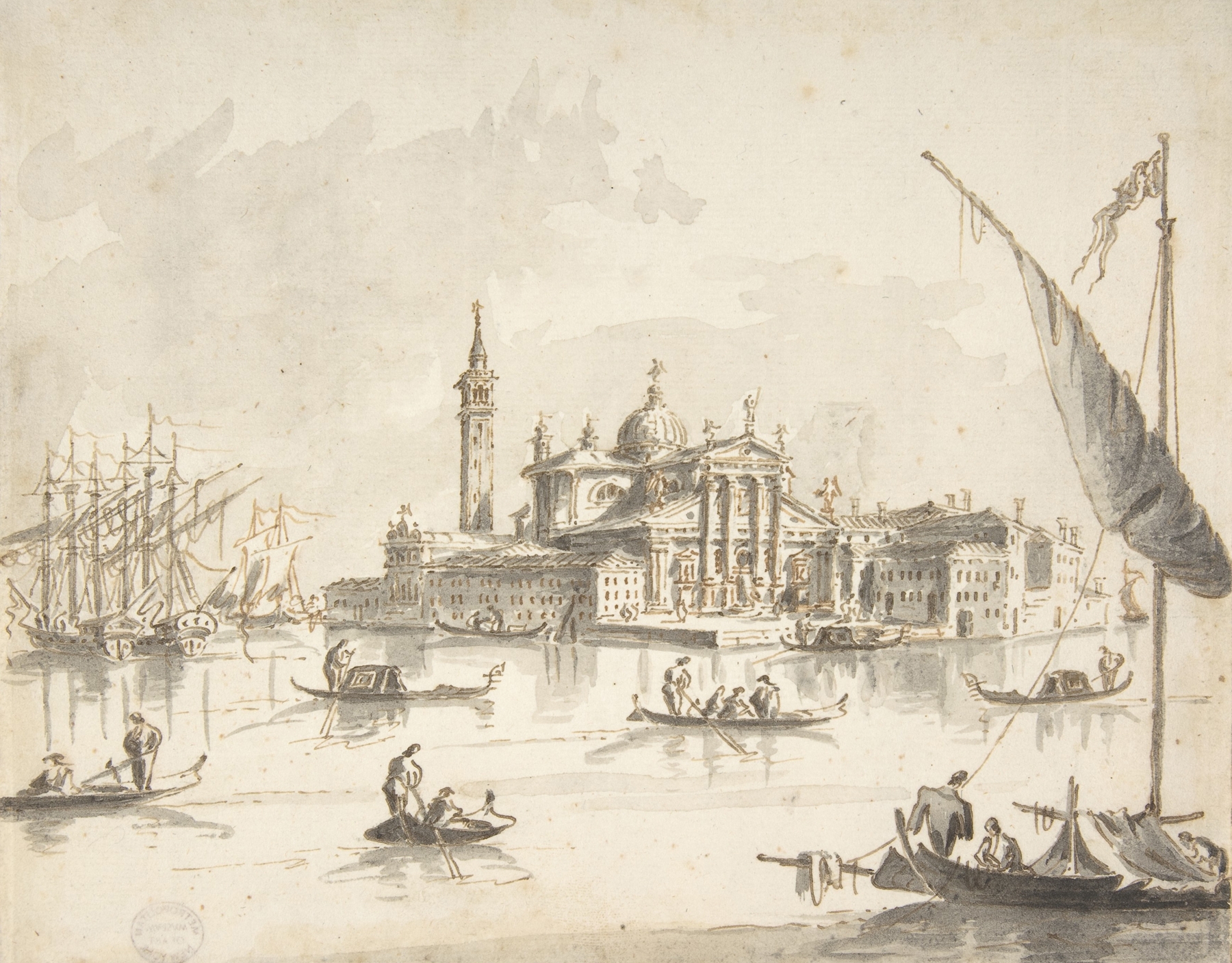
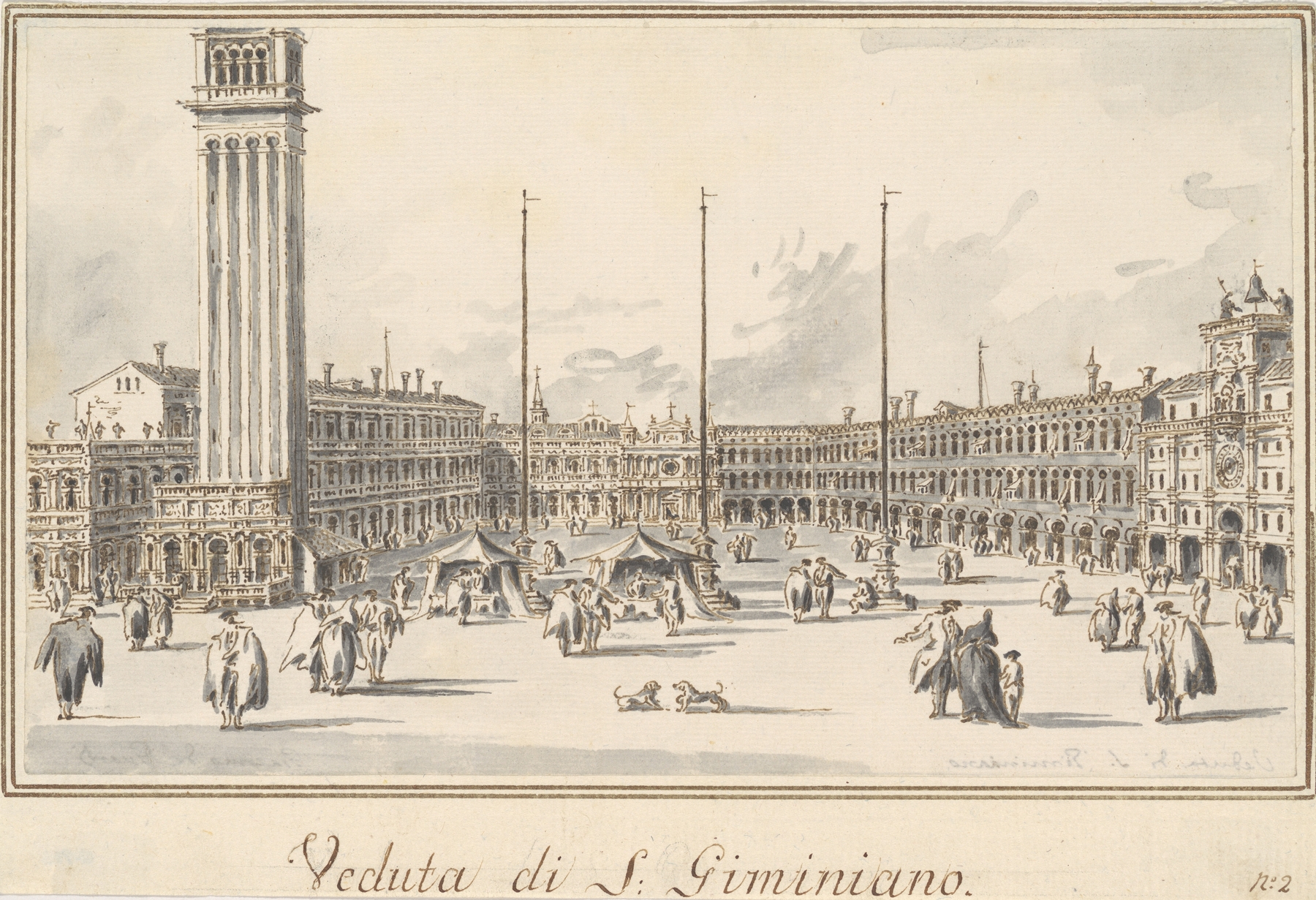
“Between color and silence, truth hides.” In the delicate interplay of light, The Piazza San Marco towards San Giacomo captures a fleeting moment that invites contemplation. Look to the foreground, where the soft wash of sunlight bathes the iconic square in a golden embrace. The light dances across the intricate architecture, illuminating the rich textures of the aged stone and highlighting the gleaming reflections in the shimmering water. The artist's masterful brushwork creates a sense of movement, drawing your eye across the scene as figures meander, their gestures echoing the fluidity of the environment.
Notice the contrasting elements at play—between the vibrant life of the piazza and the looming stillness of the San Giacomo church. The presence of people, their shadows stretching towards the viewer, juxtaposes the monumental tranquility of the buildings. This balance illustrates the tension between the vibrancy of daily life and the enduring silence of history, inviting viewers to ponder their own place within this timeless tableau. Giacomo Guardi painted this work during a period of significant artistic evolution in Venice, from 1764 to 1835.
As the city grappled with modernity, artists like him sought to capture both the vibrancy and fading grandeur of Venetian life. His approach reflected a shift towards more impressionistic techniques, focusing on light and atmosphere, which resonated with the era's Romantic sensibilities. In this context, his exploration of light serves not only to depict a scene but to evoke deeper emotional resonances that still speak to us today.