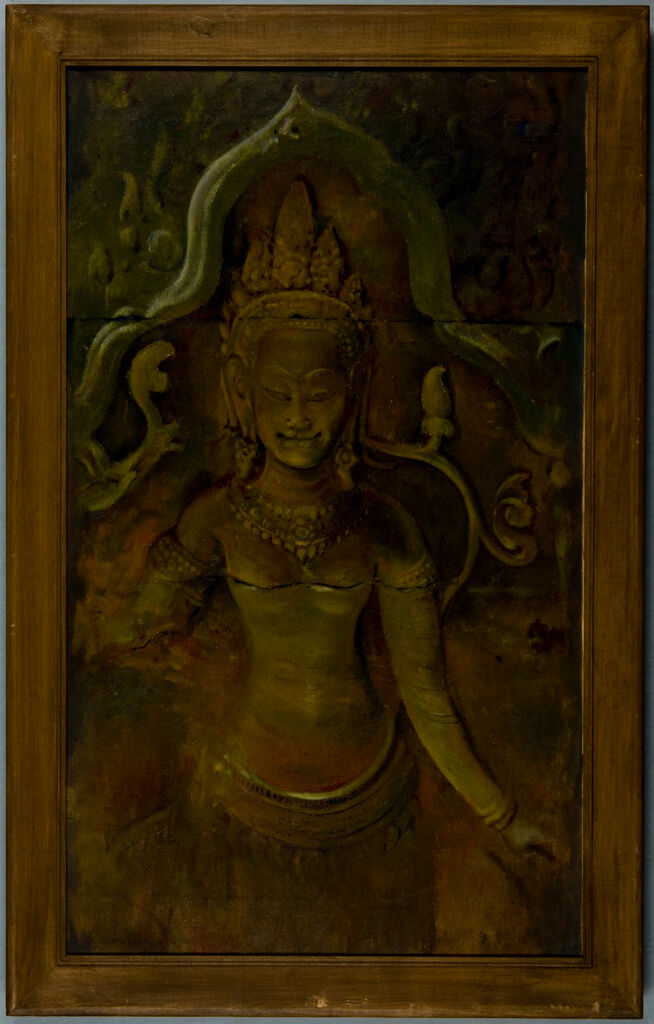
Plumed Serpent — History & Analysis
“Between color and silence, truth hides.” In this delicate balance lies the essence of destiny, an invisible thread connecting our choices and their consequences. Focus first on the bold vibrancy of the serpent's feathers, cascading across the canvas with lush hues of emerald and gold. The intricate detailing invites your gaze to explore the varying textures, from the slick sheen of the serpent's scales to the soft, plumed edges that seem to flutter in a whisper. The contrast between the serpent and its background creates a vivid atmosphere that pulses with energy, hinting at a world steeped in mythology and the unknown.
Dive deeper into the subtle interplay of light and shadow, where the edges of the serpent are softened by a gentle luminescence, as if revealing the tension between the tangible and the spiritual. This duality is echoed in the interplay of vibrant and muted colors, suggesting an inner conflict that mirrors humanity’s struggle with fate. The serpent itself, a symbol of transformation, encapsulates the message that destiny is not merely a path but a series of choices, each leading to unforeseen outcomes.
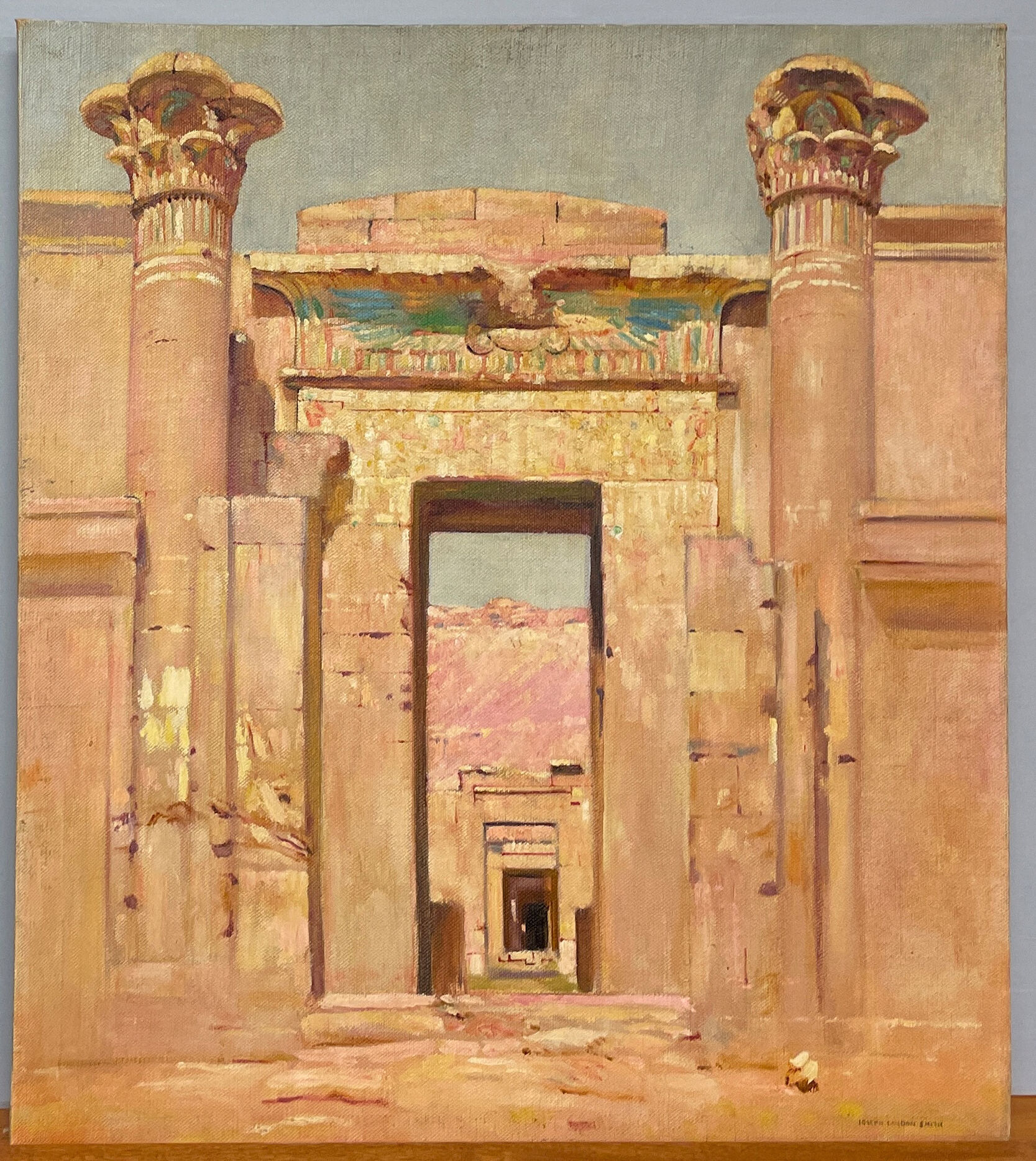
In the late 19th to early 20th century, Joseph Lindon Smith was immersed in the vibrant cultural milieu of the American Southwest, where he explored themes of indigenous mythology and the natural world. This period saw a growing interest in weaving cultural narratives into the fabric of art, reflecting both a personal quest for identity and a broader dialogue within the artistic community. His works from this era are imbued with a deep reverence for nature and a curiosity for the spiritual connections that bind us all.