
Point Lobos Cypress — History & Facts
In the stillness of nature, grief finds its voice, weaving itself into every brushstroke and shadow. Look to the left at the solitary cypress, its twisted limbs reaching toward the horizon like hands grasping for something lost. The vivid greens contrast sharply with the cerulean ocean that stretches beyond, while the undercurrent of ochre replaces the vibrant hues of life with a sense of melancholy. Each carefully applied layer reveals the artist’s intent, capturing not just the landscape but the emotional resonance of the moment. The interplay of light and shadow encapsulates a deeper narrative, with the stark silhouette of the cypress symbolizing resilience amid loss.
Notice how the serene waves lap gently at the rocks, echoing the cyclical nature of memory and mourning. There exists a tension between the vibrant backdrop and the solitary figure, reflecting a balance of beauty and sorrow that invites contemplation of what once was. Ernest Haskell painted this piece between 1915 and 1925, a time when he sought solace in nature as the world wrestled with the aftermath of war. Living in California during the early 20th century, he was influenced by the burgeoning American art movements and the natural beauty surrounding him.
This period of his life marked a transition, both personal and artistic, as he navigated the complexities of his emotions through the lens of the breathtaking landscapes he cherished.
More Artworks by Ernest Haskell
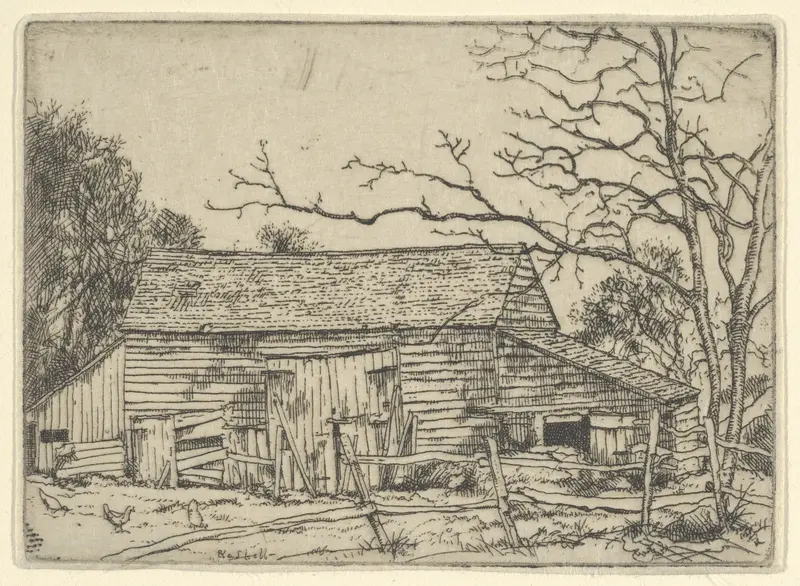
The Barn–Staten Island, N.Y.
Ernest Haskell
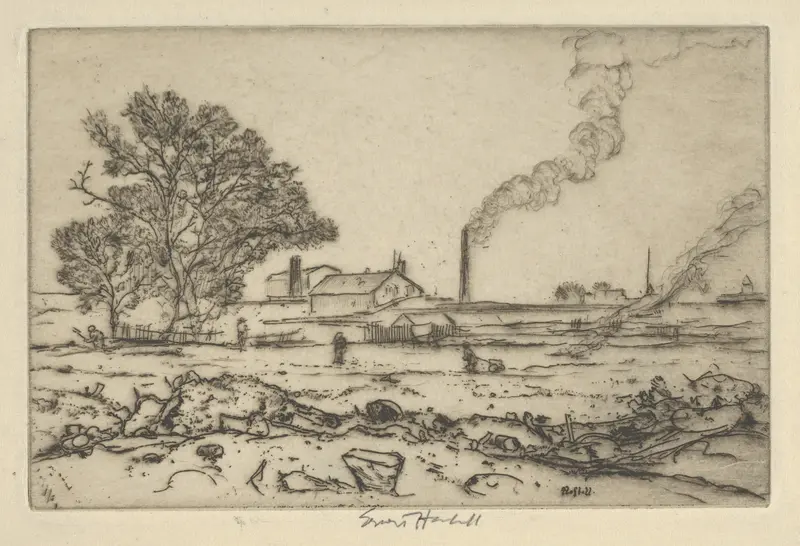
Outskirts of Boston
Ernest Haskell
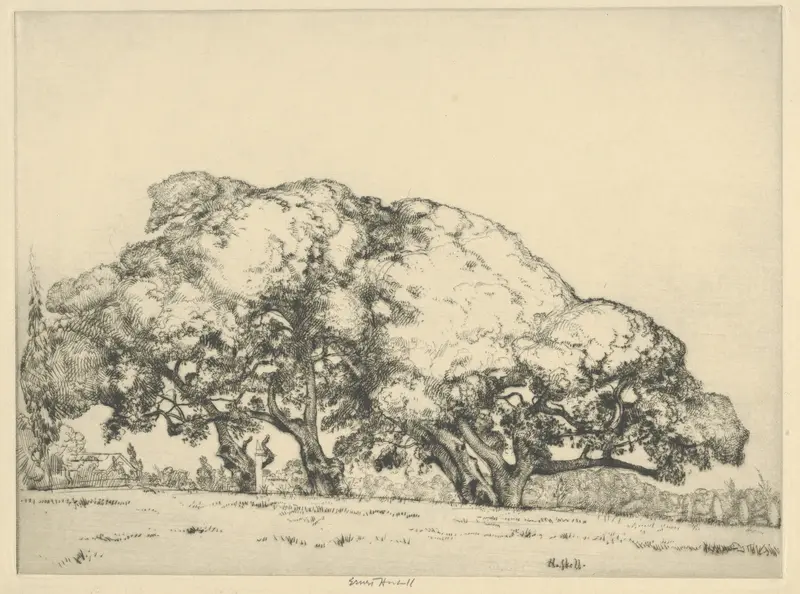
Four Live Oaks
Ernest Haskell
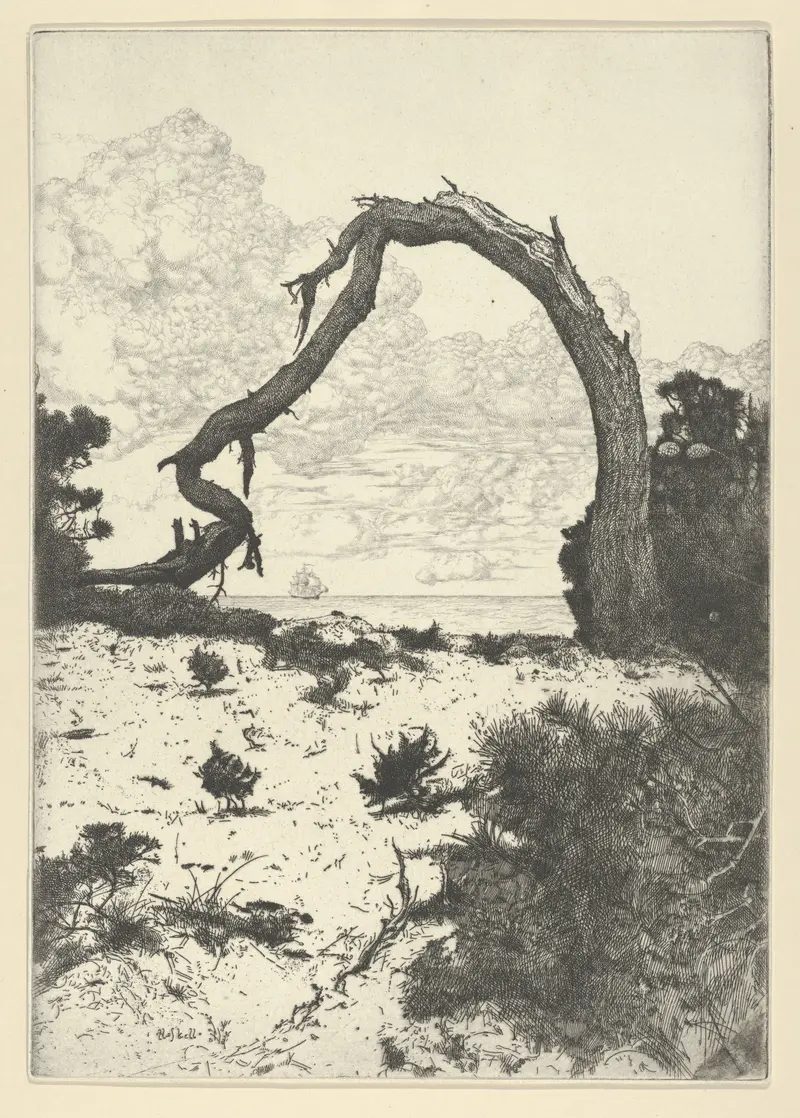
Pine Arch
Ernest Haskell
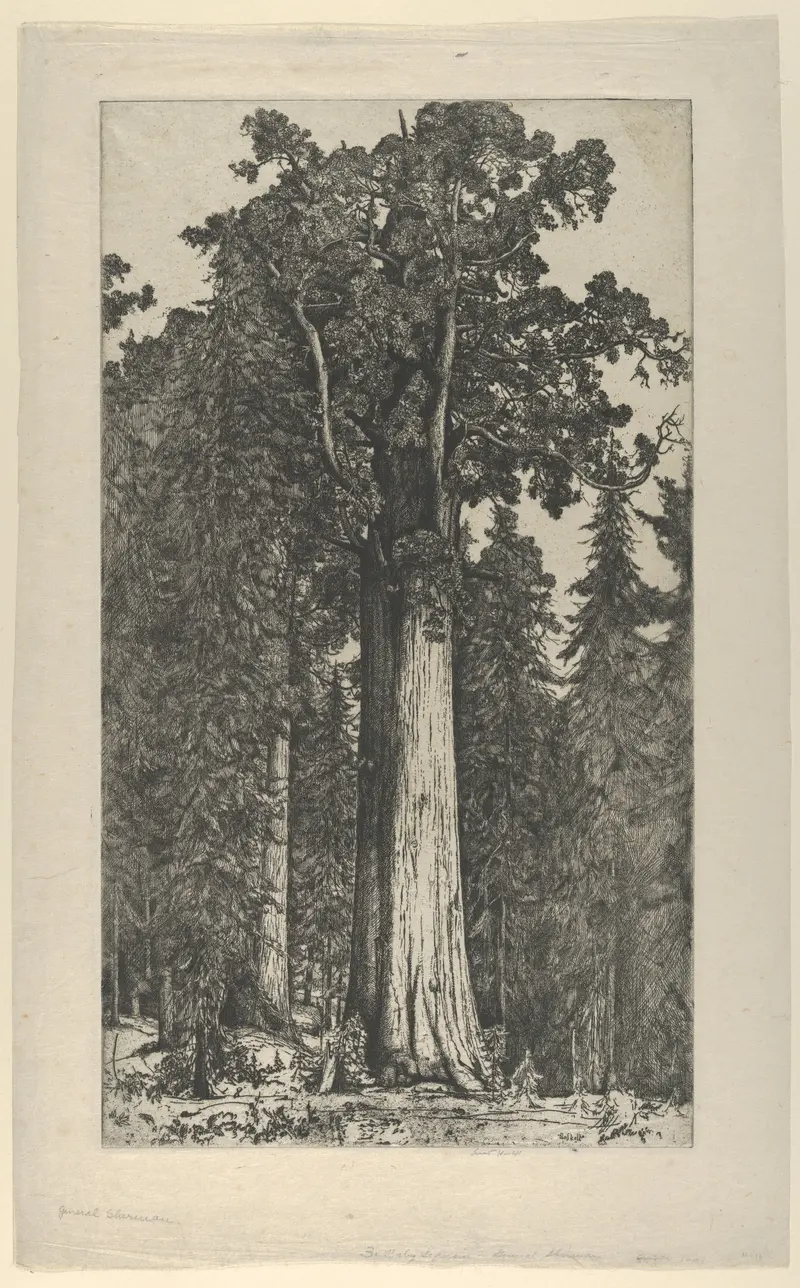
General Sherman
Ernest Haskell

Ragged Tree – Maine
Ernest Haskell
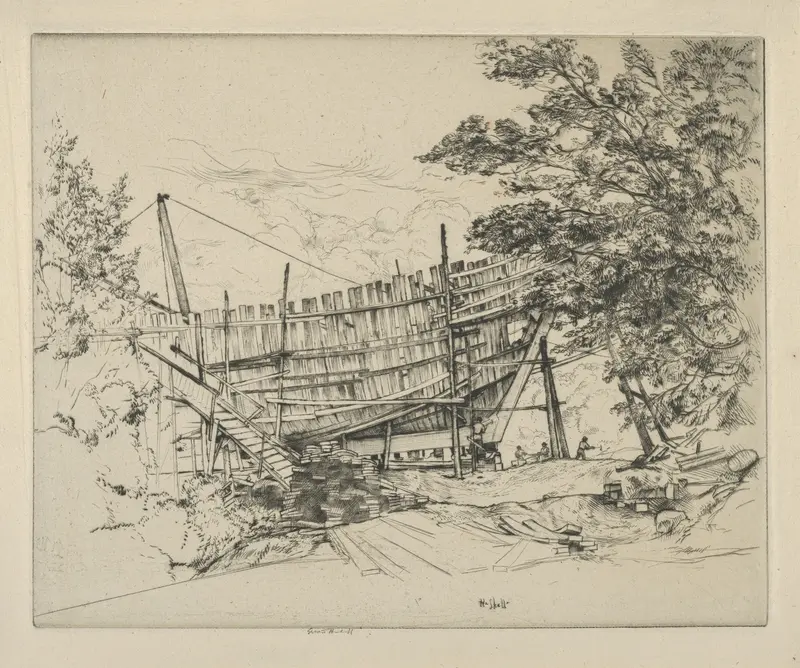
Ship Building
Ernest Haskell
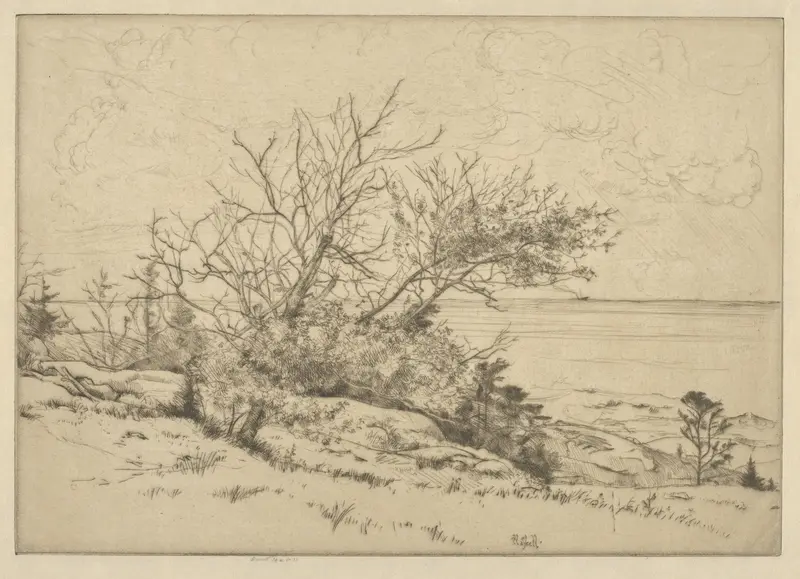
To the Southward – Ragged Island, Me.
Ernest Haskell
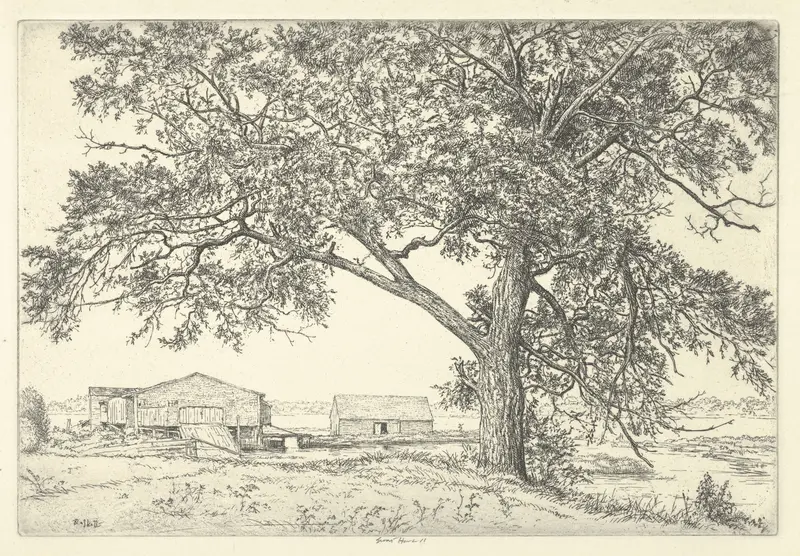
Tide Mill
Ernest Haskell
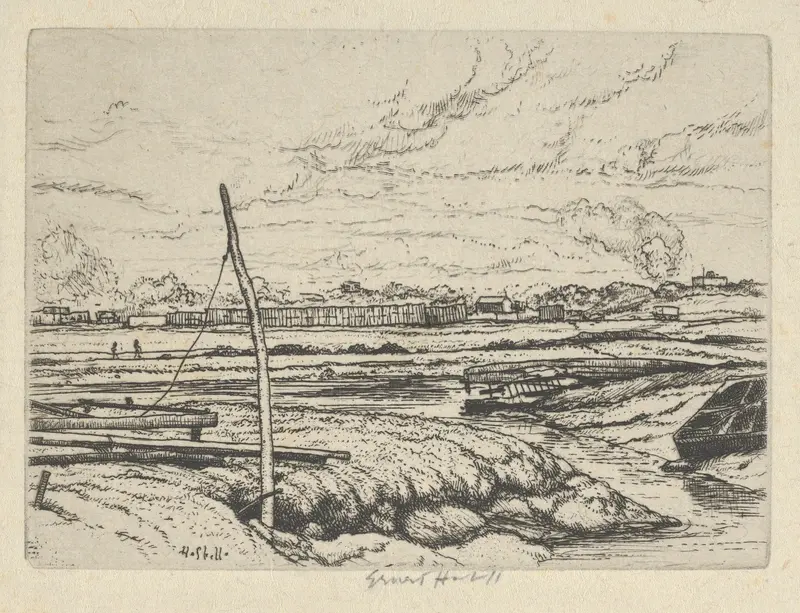
Long Island Marshes
Ernest Haskell
More Landscape Art

The Starry Night
Vincent van Gogh

View of Delft
Johannes Vermeer

Water Lilies
Claude Monet

The Grand Canal, Venice, looking north-west from the Ca' Corner to the Ca' Contarini degli Scrigni, with the campanile of Santa Maria della Carità
Canaletto

Windsor Castle
Canaletto

The Grand Canal looking North-East from the Palazzo Dolfin-Manin to the Rialto Bridge
Canaletto