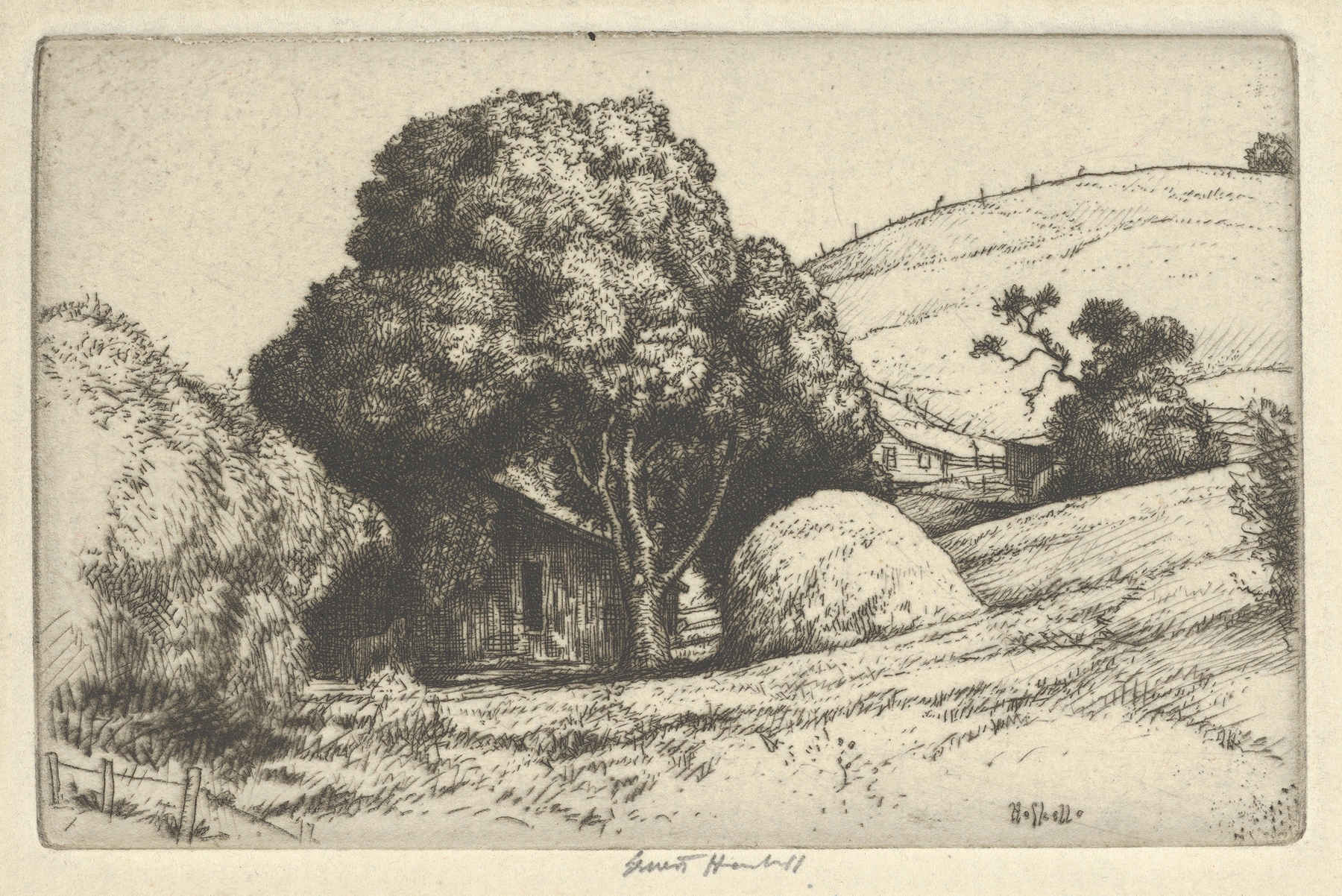
Four Live Oaks — History & Analysis
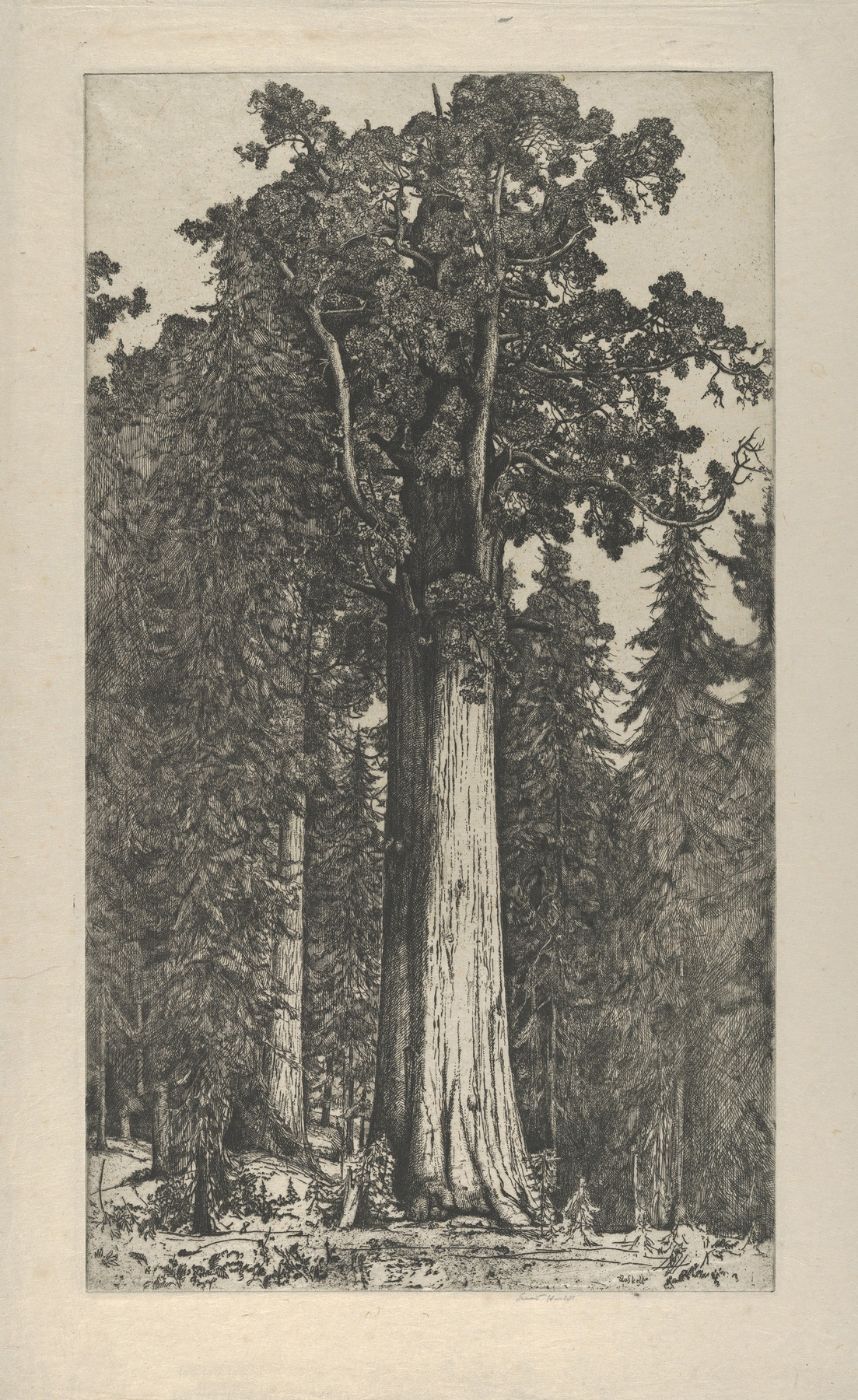
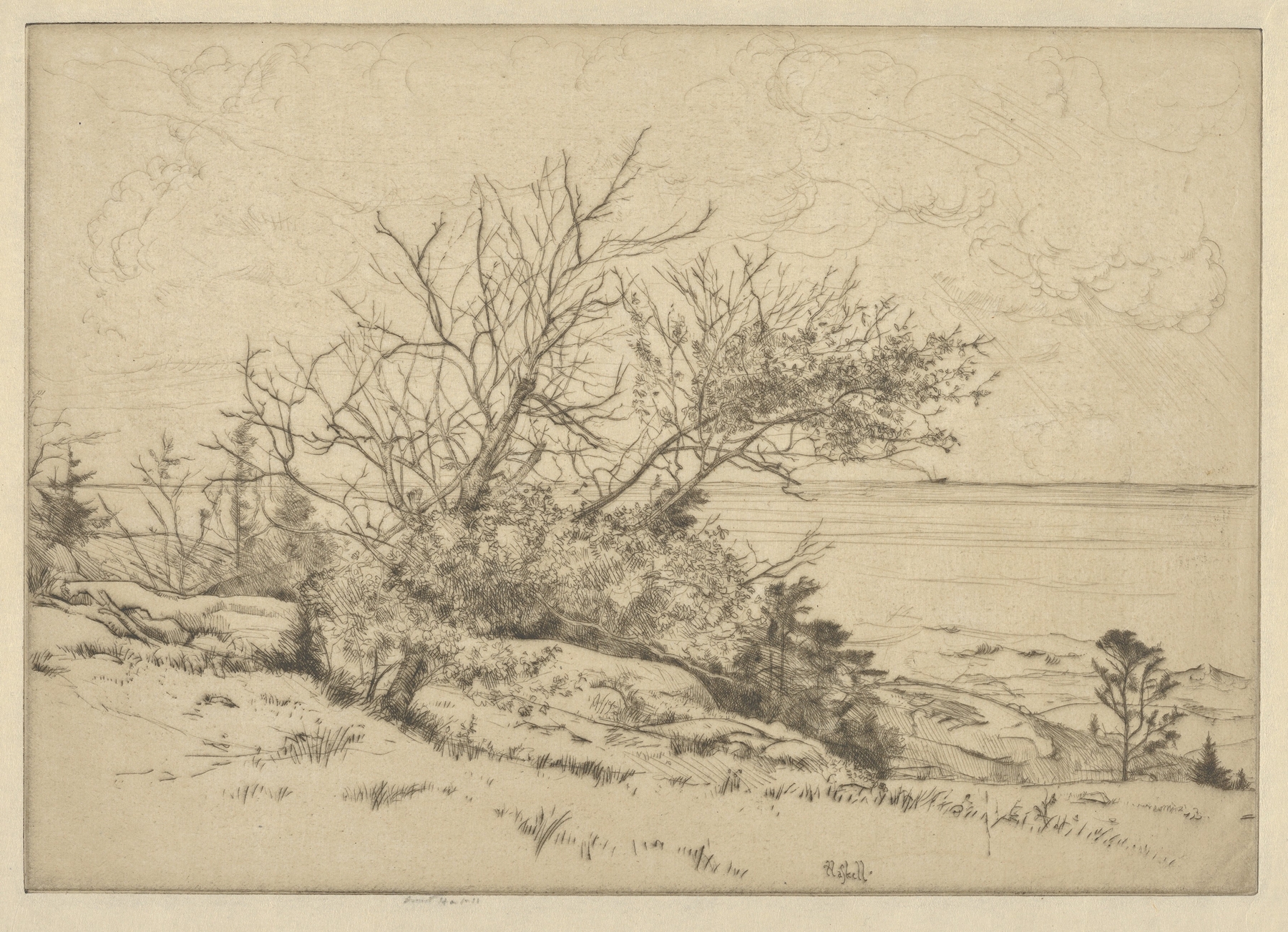
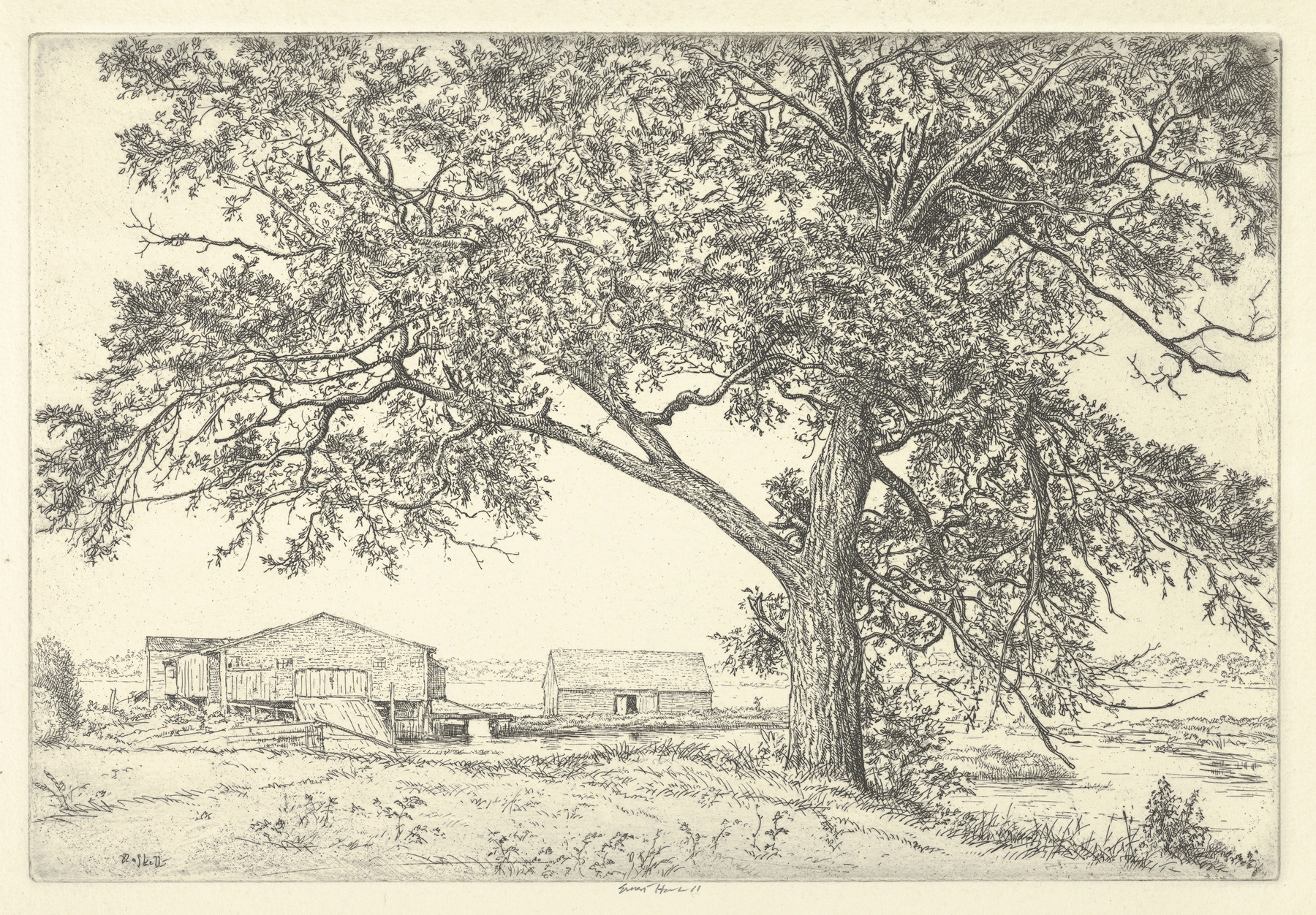
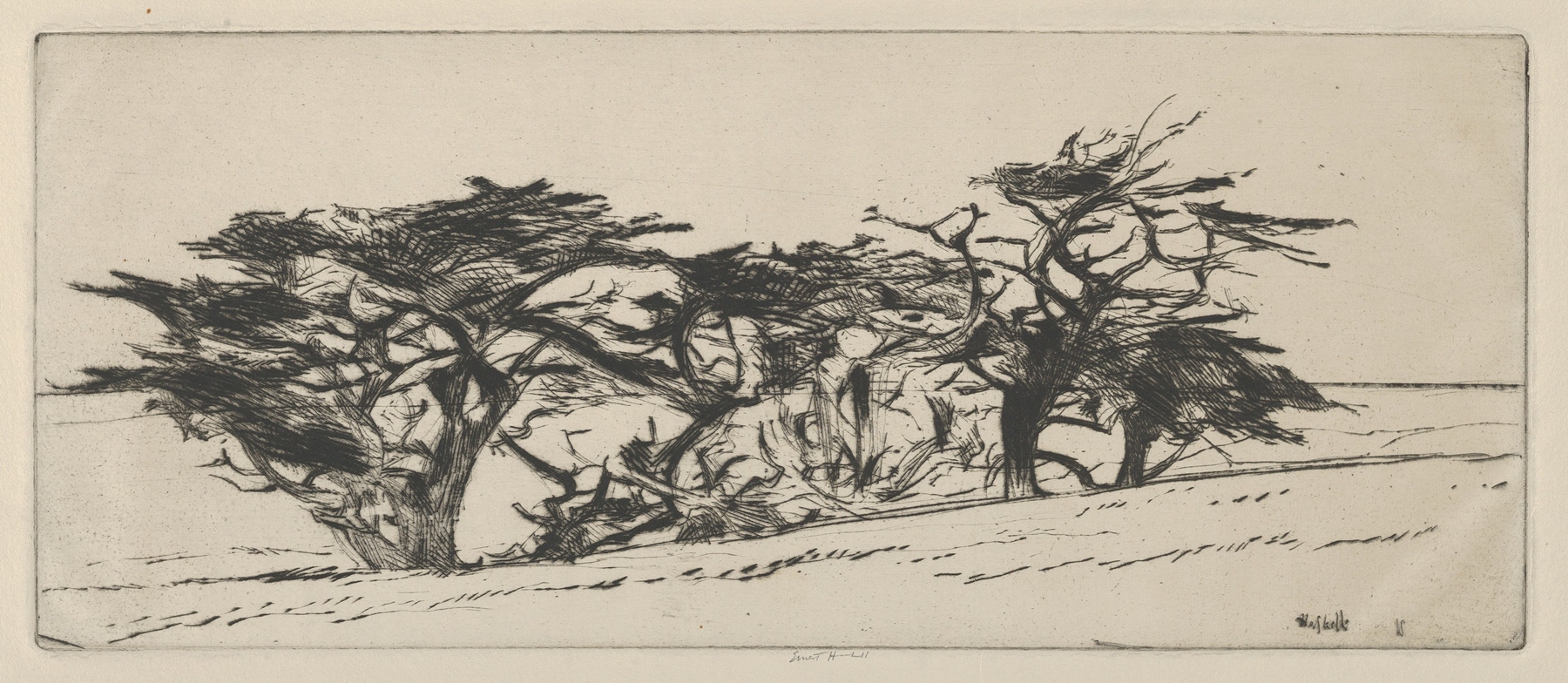
“Sometimes beauty is just pain, disguised in gold.” In the haunting embrace of nature, a deeper truth often reveals itself beneath layers of serene beauty. Look closely at the sweeping canopy of vibrant greens, where four majestic oaks stand resolutely against a luminous sky. Notice how the light filters through the leaves, casting intricate patterns on the ground below, creating a dance of shadow and illumination. The composition invites your eye upward, guiding you to the detailed bark textures and the interplay of shapes formed by branches that twist like unspoken stories, hinting at the passage of time and the strength of resilience.
Yet, beneath the idyllic appearance lies an undercurrent of tension. The oaks, with their gnarled limbs, suggest not only endurance but the weight of history and memory. Each tree embodies a sentiment of isolation, their grandeur juxtaposed by the silent expanse around them. The warm, earthy palette evokes nostalgia, while the gentle brushstrokes convey the softness of fading sunlight, suggesting a bittersweet transient moment in nature's cycle.
During the early 20th century, Four Live Oaks was created by Ernest Haskell as he explored the American landscape's profound beauty. Living in New England amidst a shift towards modernism, Haskell sought to capture the essence of nature in a world rapidly changing. His work reflects the quiet introspection of a time when artists were beginning to question traditional representations, seeking deeper connections with the natural world.