Tide Mill — History & Analysis
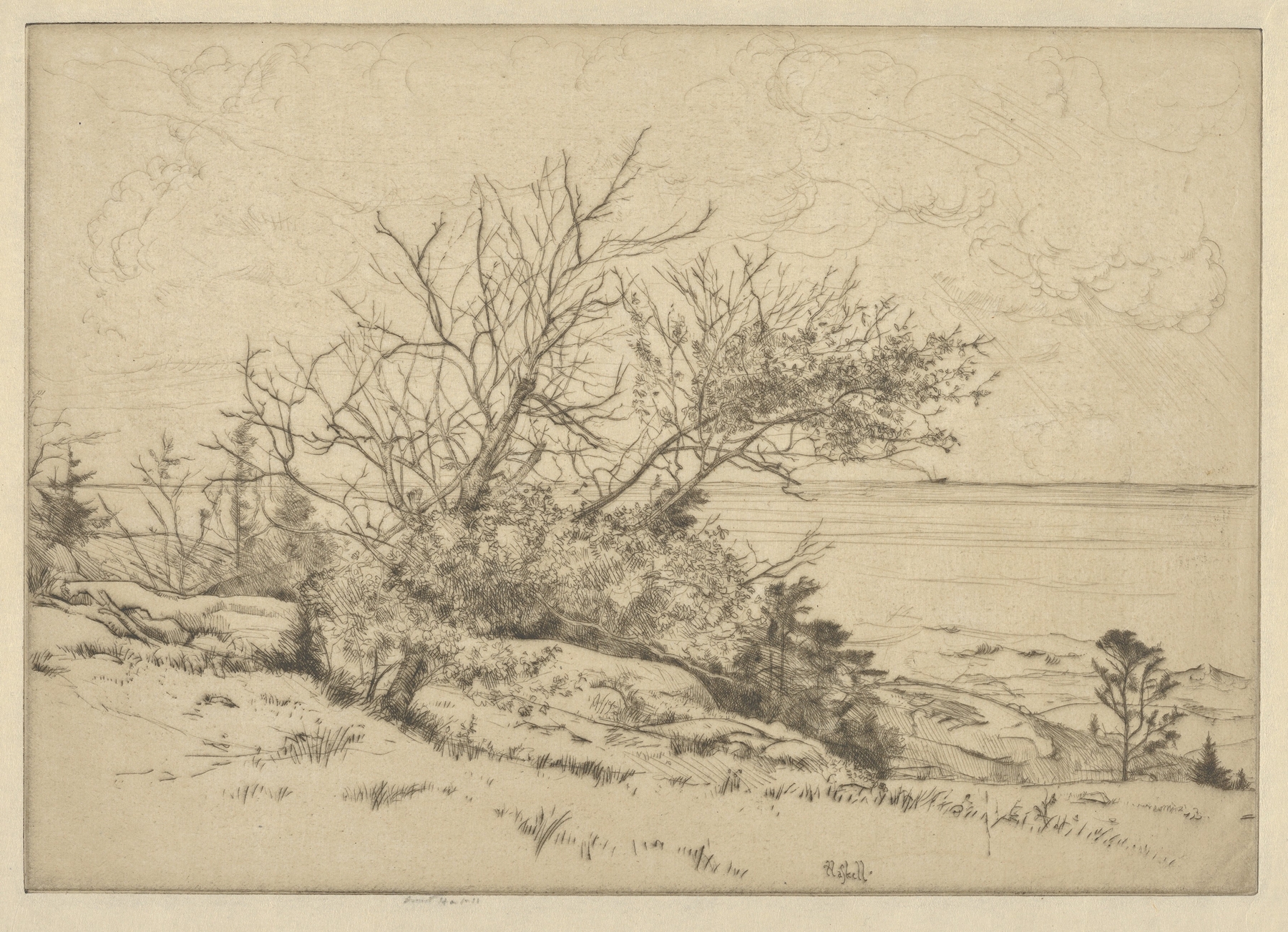
Could a single brushstroke hold eternity? In the quiet realm of Tide Mill, the passage of time seems both palpable and elusive, echoing the profound essence of loss. Focus on the gentle curves of the landscape, where the water meets the shore. Notice how the soft pastels blend seamlessly into one another, each stroke gently guiding your eye toward the calm flow of the tide.
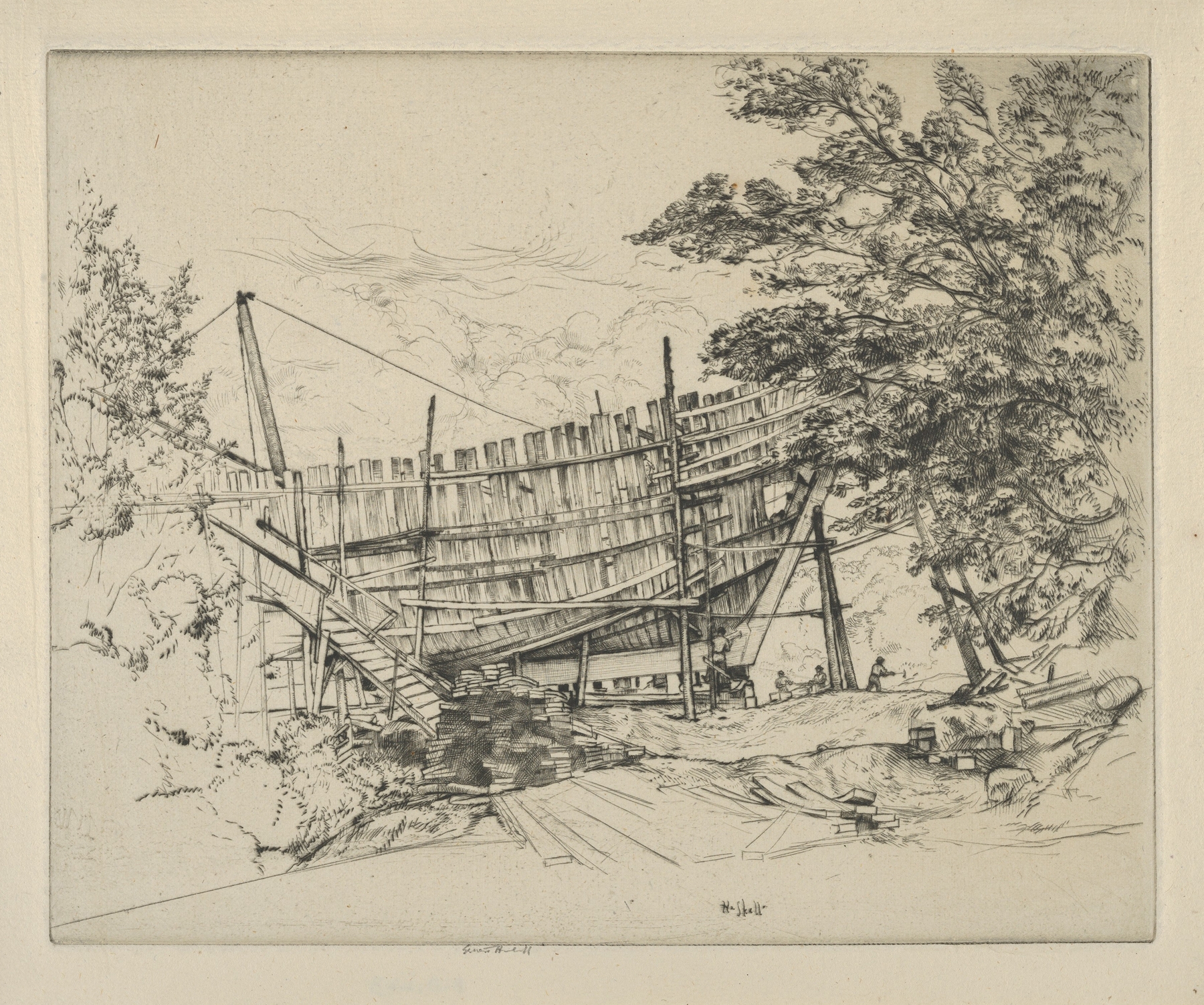
Look closely at the mill itself; its weathered structure stands resilient against the backdrop of nature’s ever-changing palette. The interplay of light and shadow creates a serene yet poignant atmosphere, inviting contemplation of what has come before and what may soon fade. As you absorb the scene, consider the dichotomy between the solidity of the mill and the ephemeral nature of the tides. The tranquil waters reflect both beauty and a sense of melancholy, mirroring the passage of life.
Here, tradition and time converge, suggesting that even the most steadfast elements are subject to the relentless pull of the ocean—a reminder of both endurance and inevitability. In 1924, Haskell painted Tide Mill during a time when America was grappling with change, moving toward modernity. Situated in a world that was increasingly influenced by industrialization, the artist found solace in the natural landscapes around him. This period marked a significant shift in his career and art as he sought to balance what was timeless against the backdrop of transformation, encapsulating a fleeting moment that resonates with the weight of nostalgia.