Ragged Tree – Maine — History & Analysis
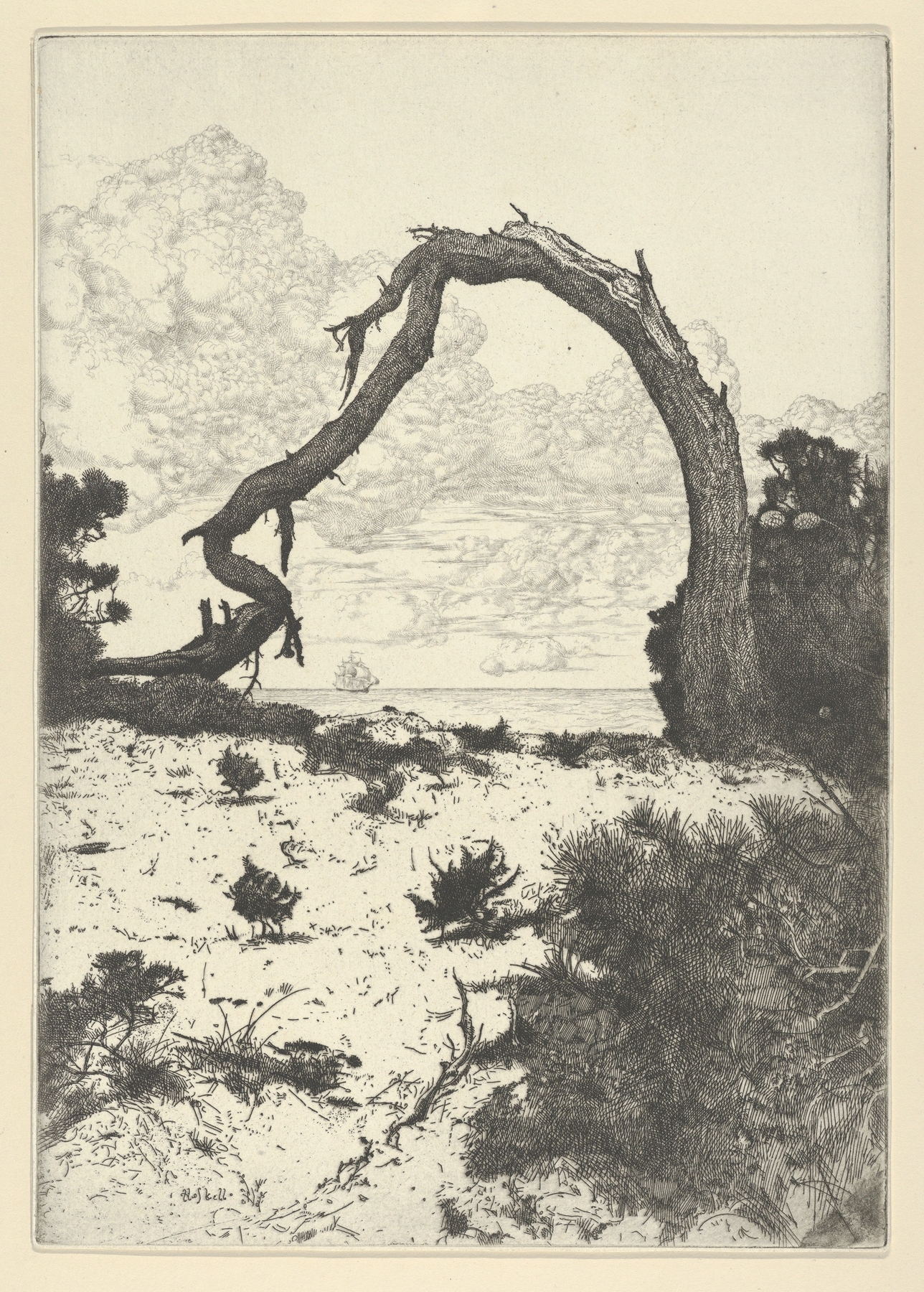
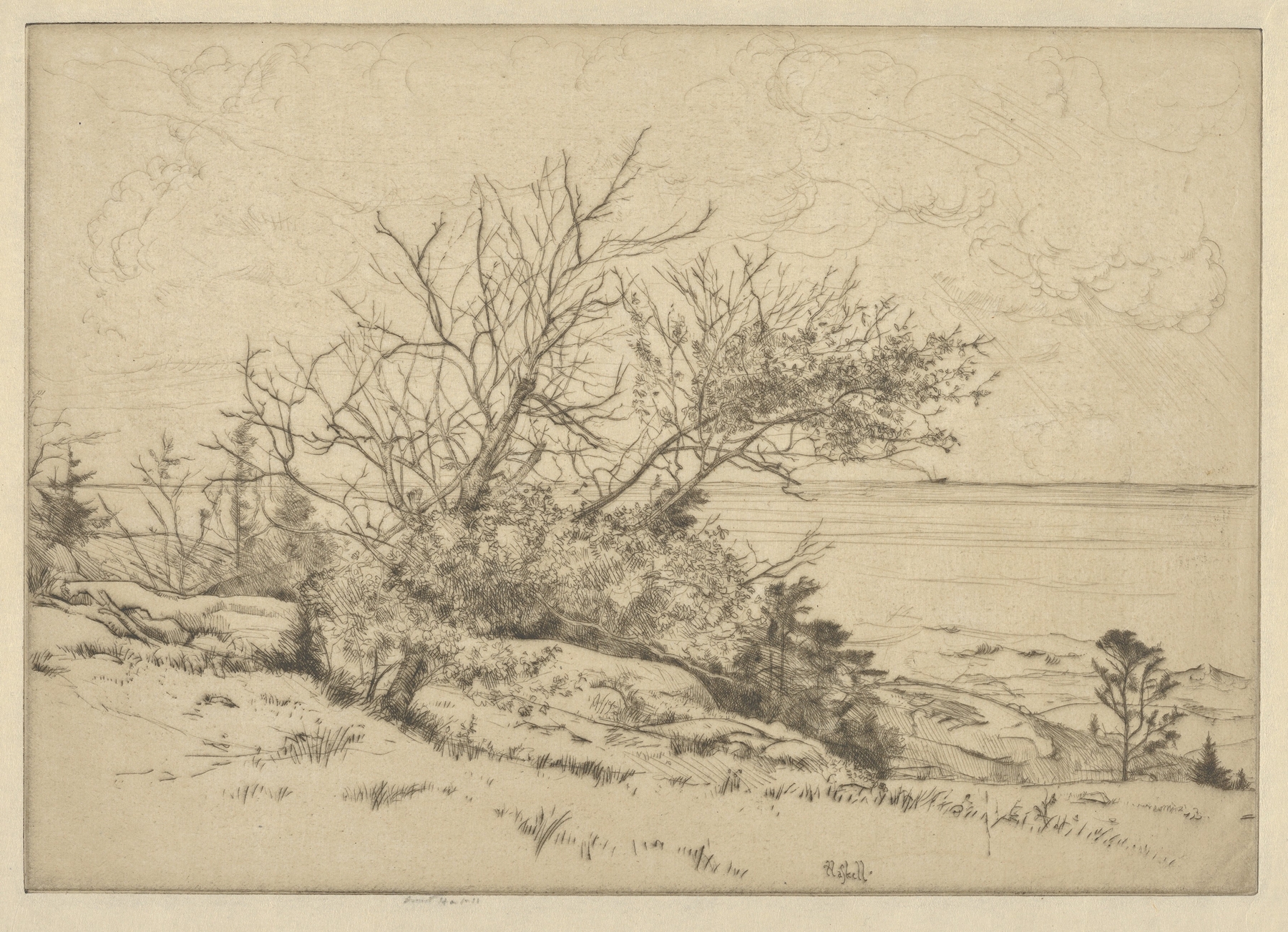
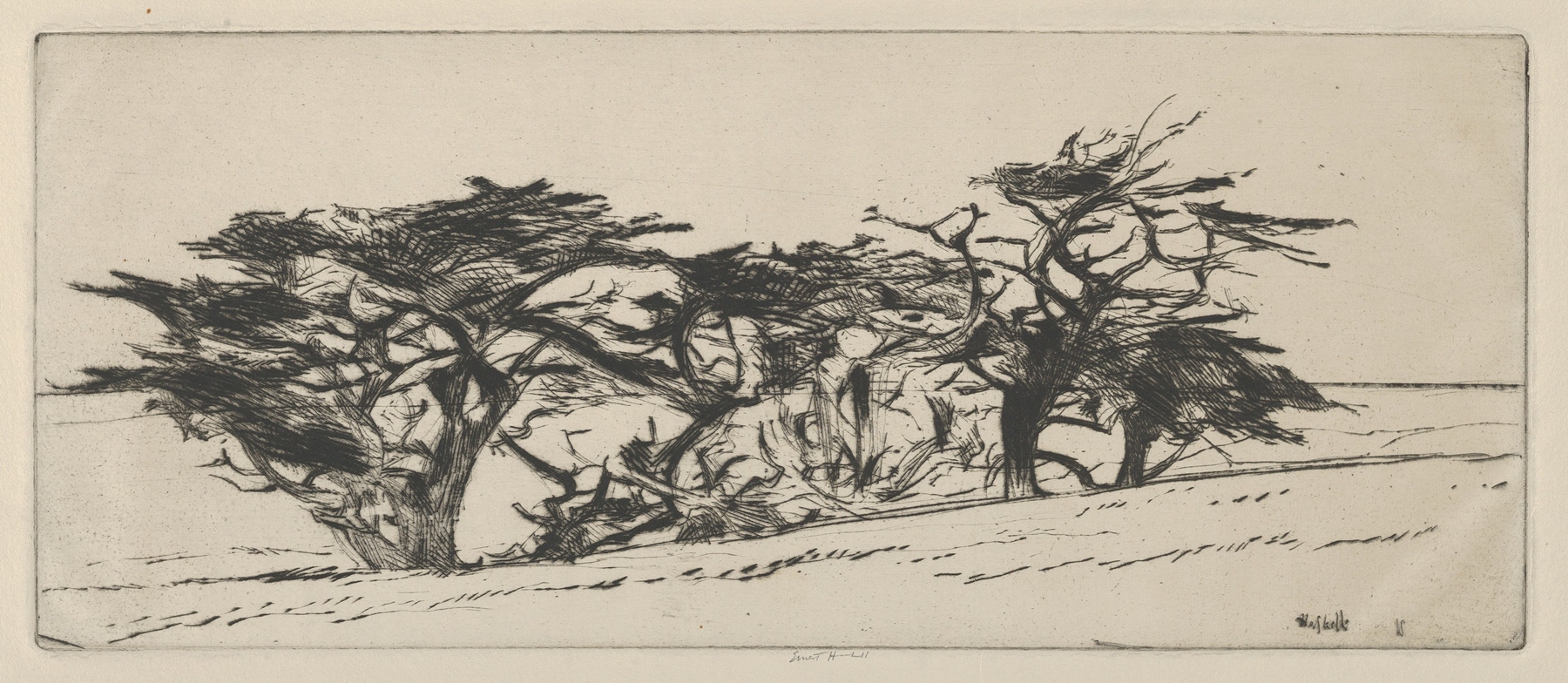
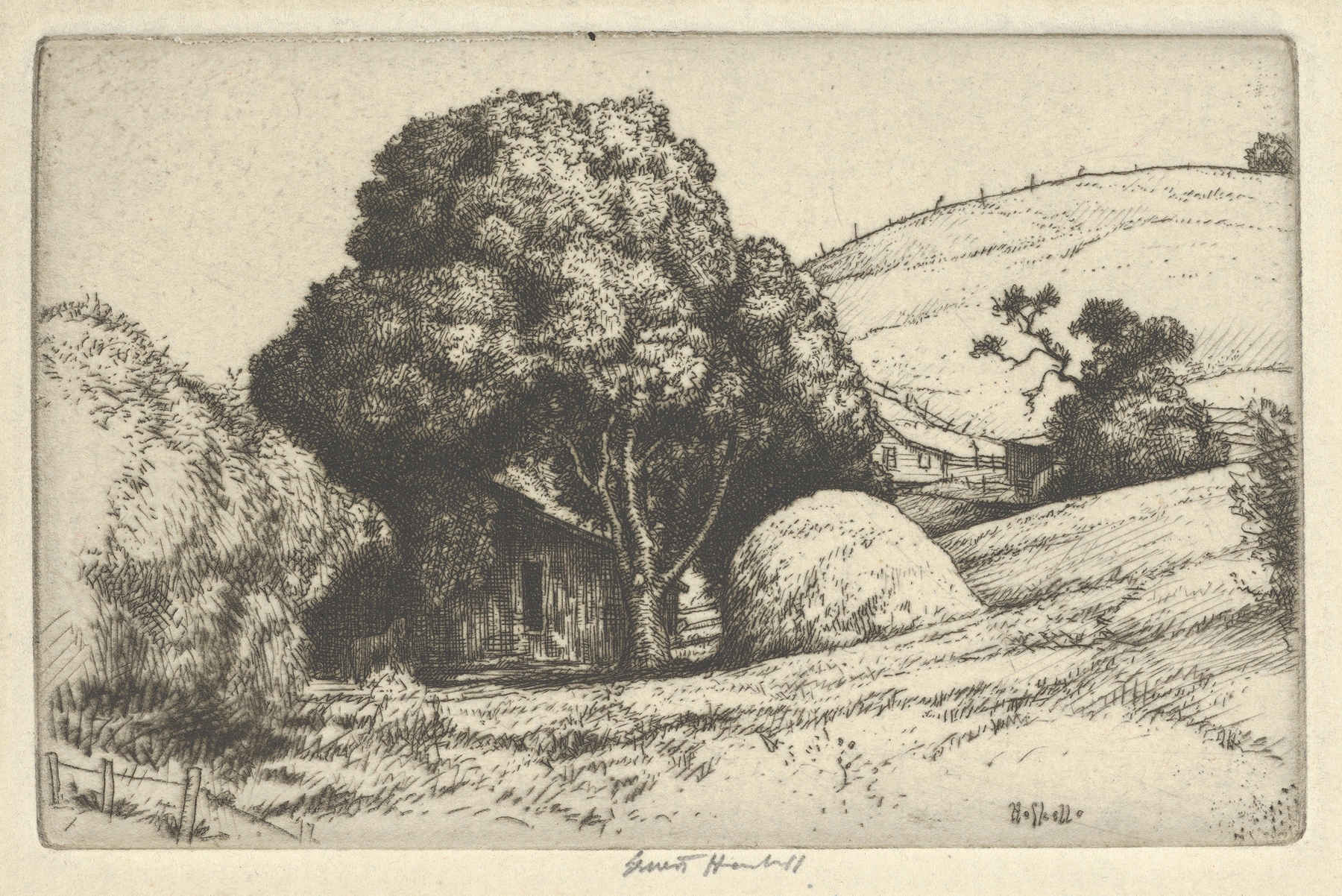
“Sometimes beauty is just pain, disguised in gold.” This sentiment resonates deeply with the viewer as they gaze upon the intricacies of nature transformed through the artist's lens. In Ragged Tree – Maine, a delicate balance forms between the ruggedness of the natural world and the ethereal touch of artistry, inviting contemplation. Focus first on the weary trunk of the tree, its twisted form splashed across the canvas, revealing every gnarled contour. The muted earth tones blend harmoniously, punctuated by vibrant bursts of gold that seem to glow against the starkness of weathered bark. Observe how the light dances across the surface, creating a shimmering aura that suggests an unyielding beauty amidst decay.
Each brushstroke captures not just the physicality of the tree, but its resilience, emphasizing the contrast between fragility and strength. As you delve deeper, note the interplay of shadow and light, where the tree stands as a silent witness to both time and turmoil. The rugged bark conveys hardship, while the golden highlights suggest moments of triumph and hope—a duality that reflects life itself. This tension invites the viewer to ponder the cycles of nature: how destruction can give way to beauty, and how age can signify both decay and wisdom.
Each detail unfolds a story of survival, whispering secrets of the land it inhabits. Ernest Haskell painted Ragged Tree – Maine between 1903 and 1925 during a time of personal exploration and shift in the art world. As an artist in New England, he was immersed in a landscape marked by both natural beauty and the remnants of human impact. His work emerged amidst a broader artistic movement that sought to capture the heart of American landscapes, often reflecting personal and collective experiences of resilience and transformation.