General Sherman — History & Analysis
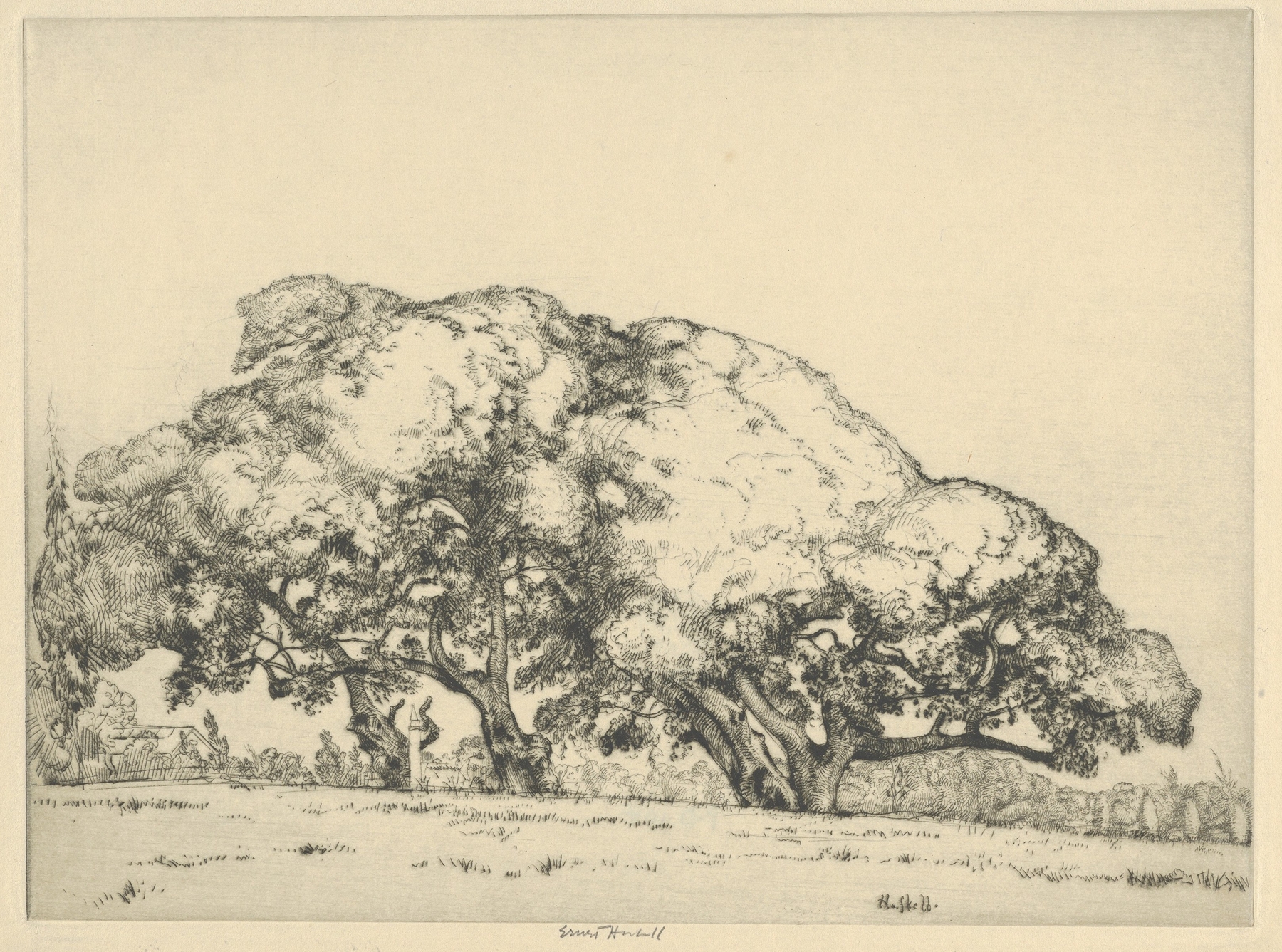
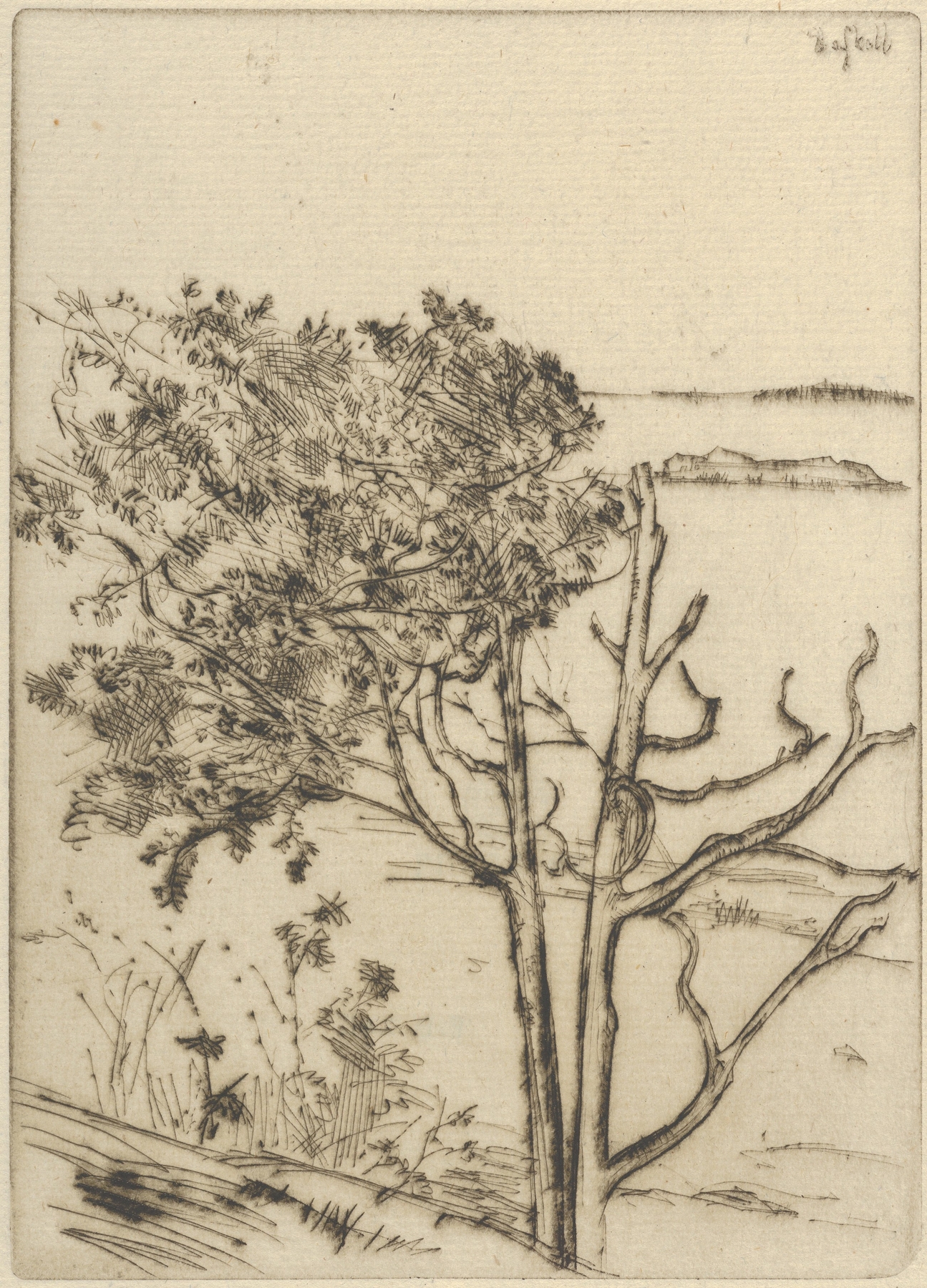
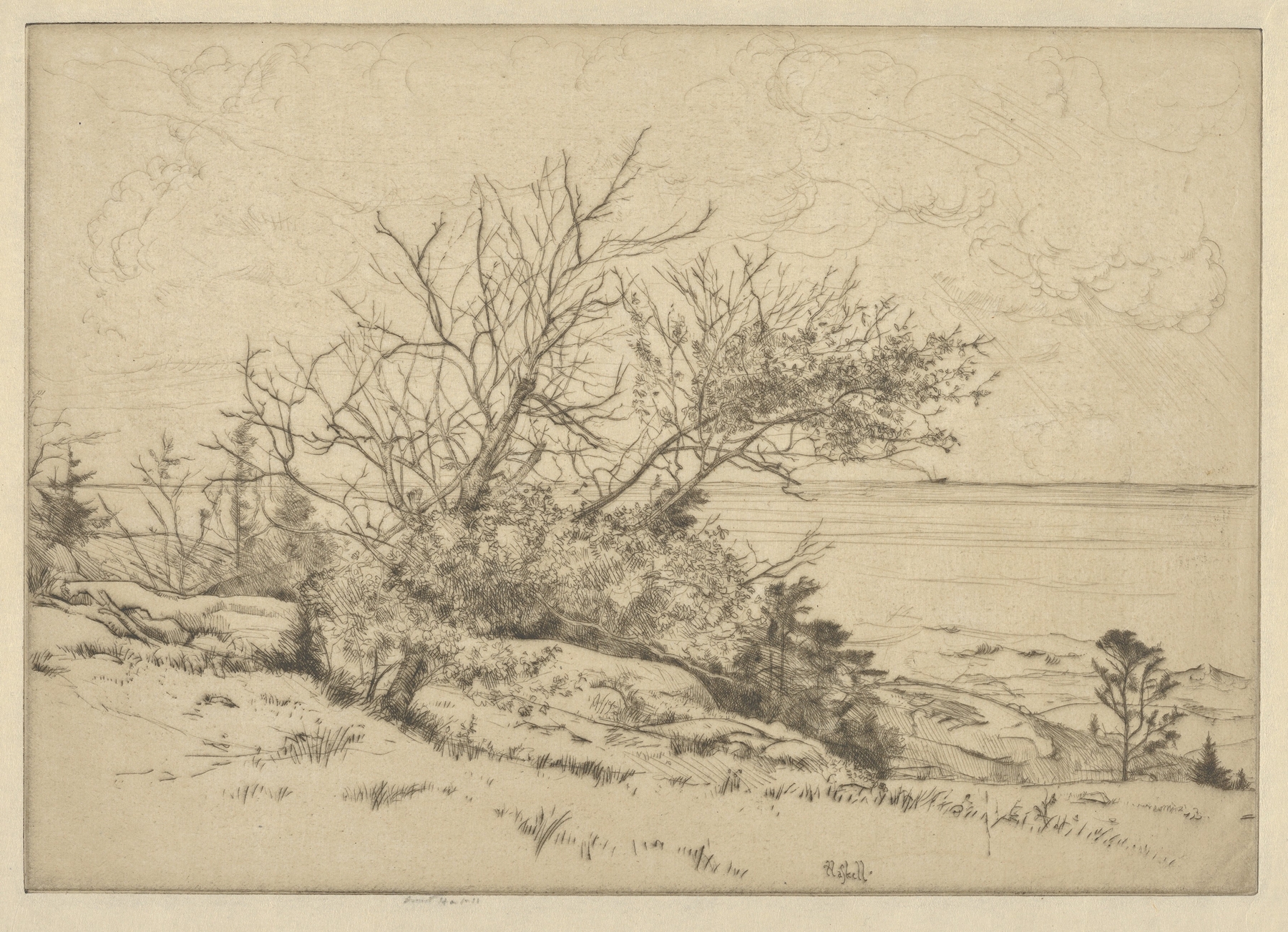
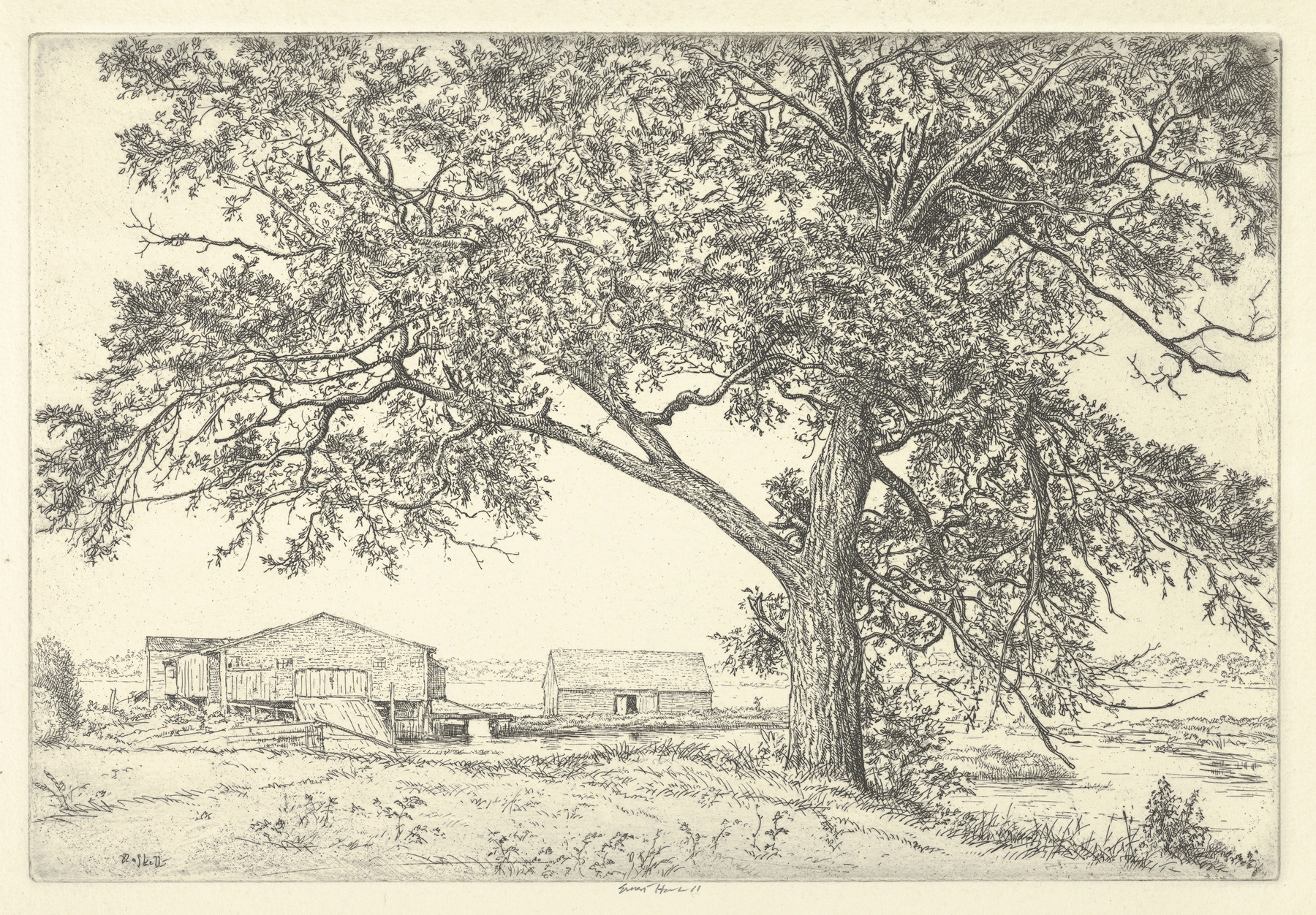
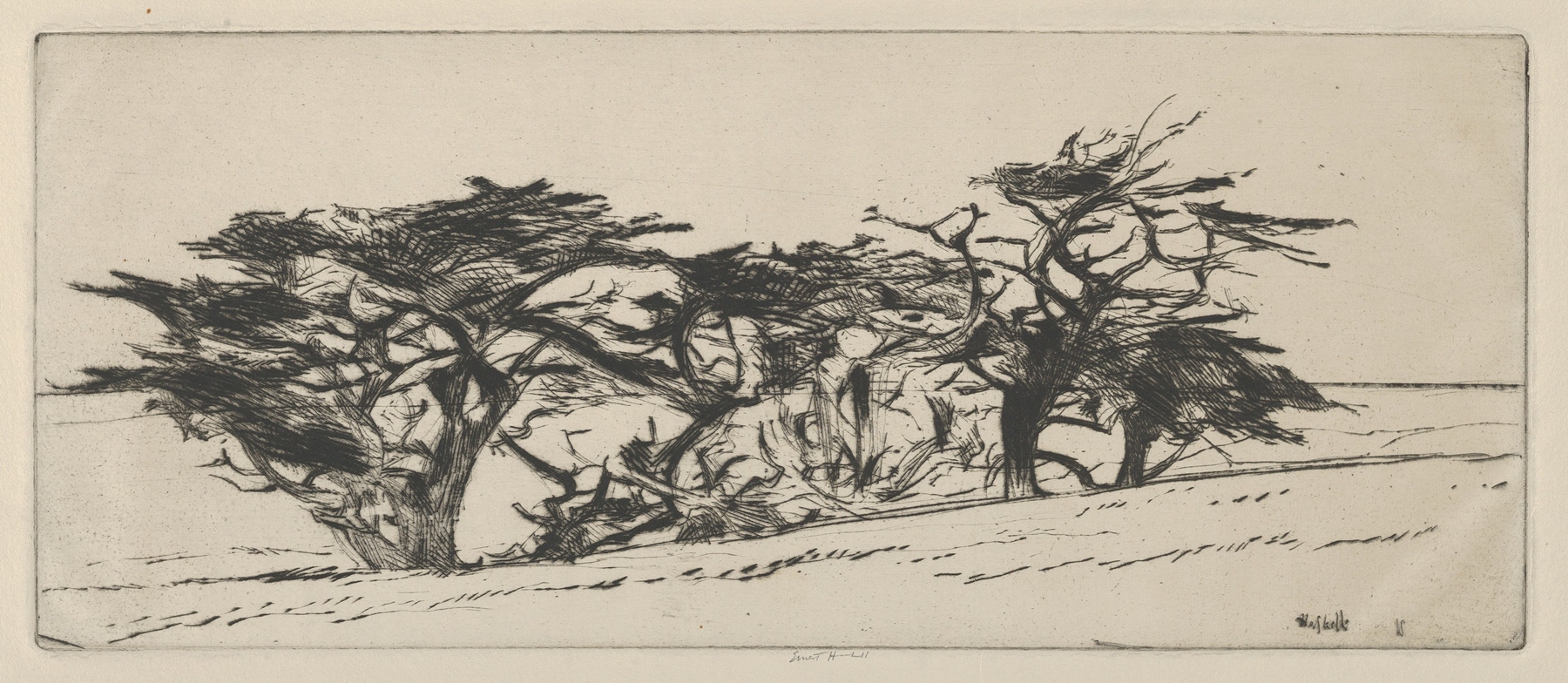
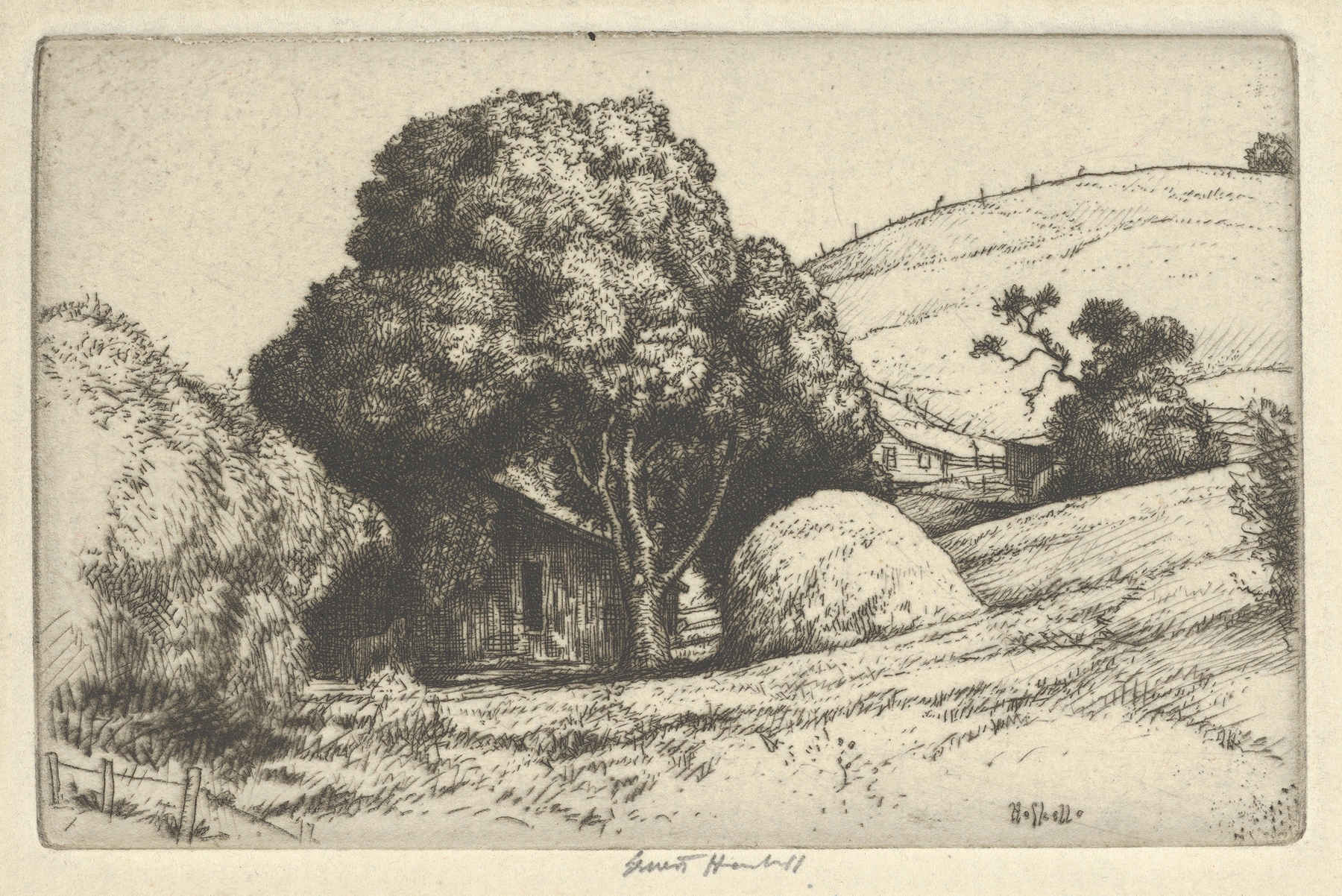
What if beauty was never meant to be finished? In General Sherman, the viewer encounters a majestic yet contemplative presence, an ethereal reflection of nature's grandeur and resilience nestled within the wilderness. Look closely at the tree's gnarled bark, its texture telling a story of endurance against the elements. Focus on the dappled light filtering through the canopy, illuminating rich greens and earthy browns, inviting a sense of tranquility.
The natural composition draws the eye upward, as if beckoning the viewer to ponder the endless skies above, while the gentle curves of the branches evoke a feeling of both strength and vulnerability. Hidden within this magnificent scene lies a reminder of nature's impermanence. The tree bears the scars of time, revealing a contrast between its majestic stature and the inevitable decay that surrounds it. The delicate interplay of light and shadow speaks to the fleeting beauty of existence, evoking an emotional tension that resonates with the cycle of life and death.
Each brushstroke carries a whisper of reflection, prompting the viewer to consider their own journey through the arboreal world. During the years between 1900 and 1925, Haskell found himself captivated by the beauty of the American landscape, particularly the ancient giants of the Sequoia National Park. This period was marked by a growing appreciation for conservation and the natural world, as artists began to capture the profound impact of nature on humanity. Haskell's work exemplifies this movement, celebrating the intricate relationship between the viewer and the environment while advocating for its preservation amidst the encroaching industrial age.