Pine Arch — History & Analysis
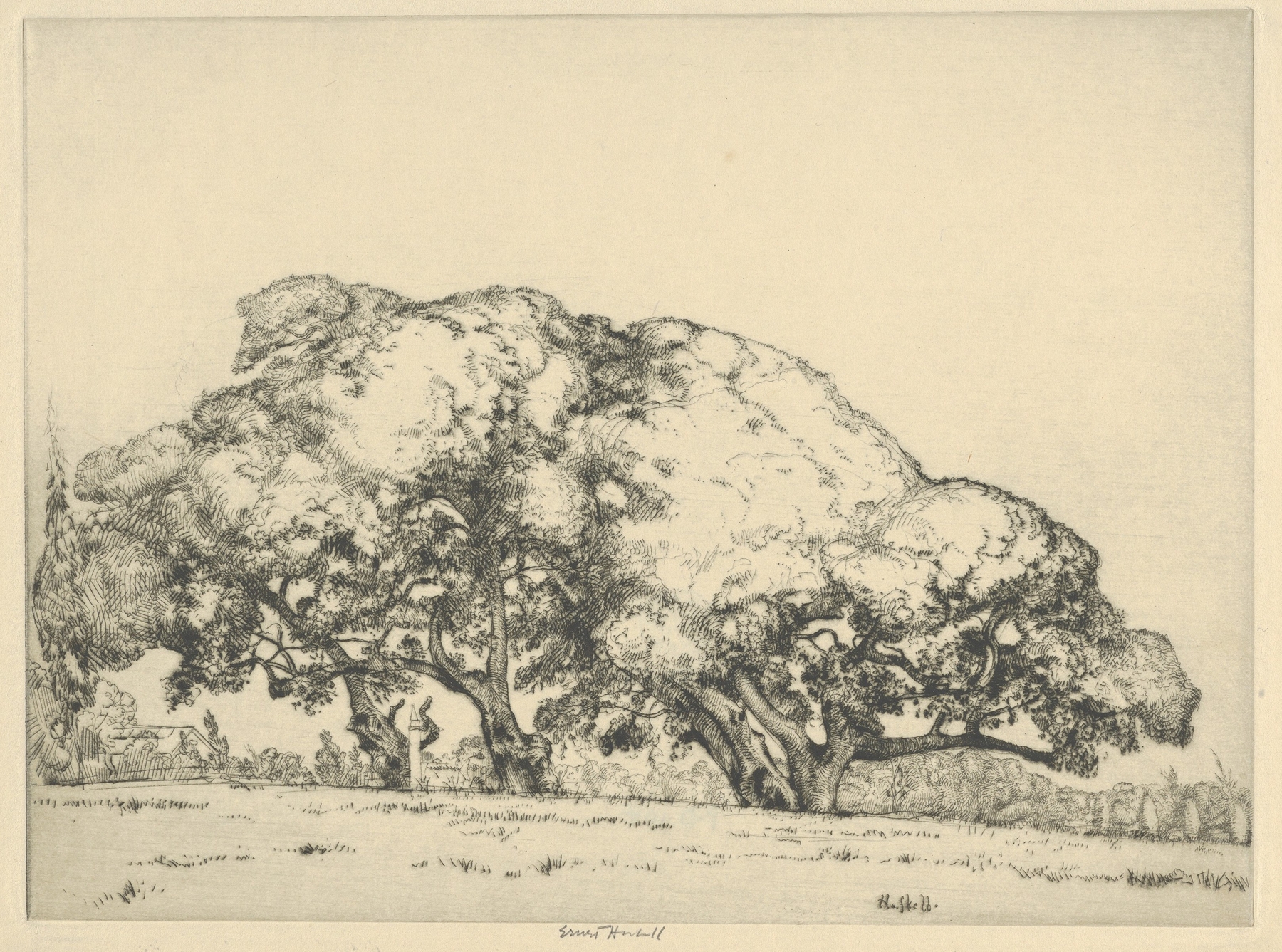
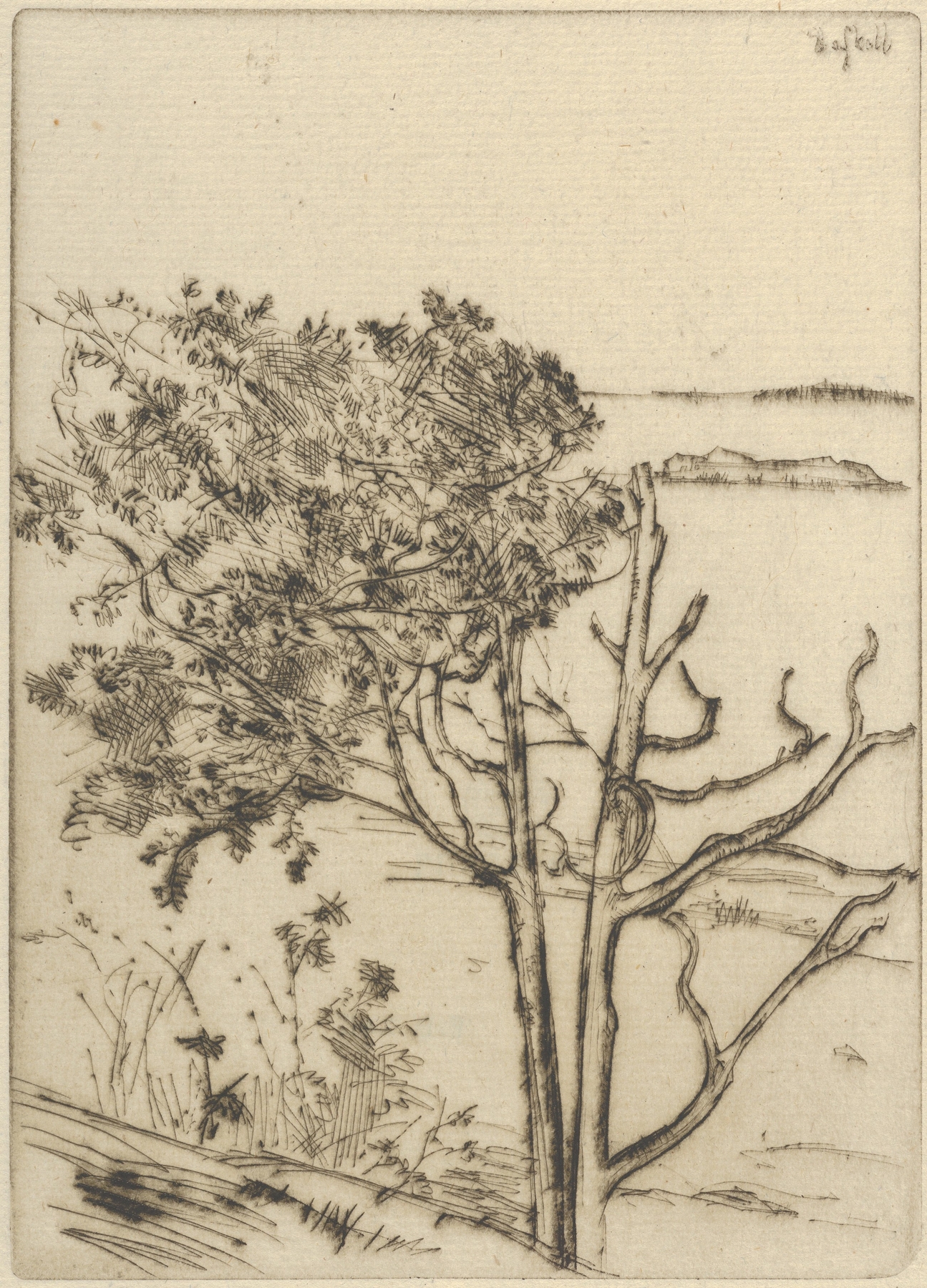
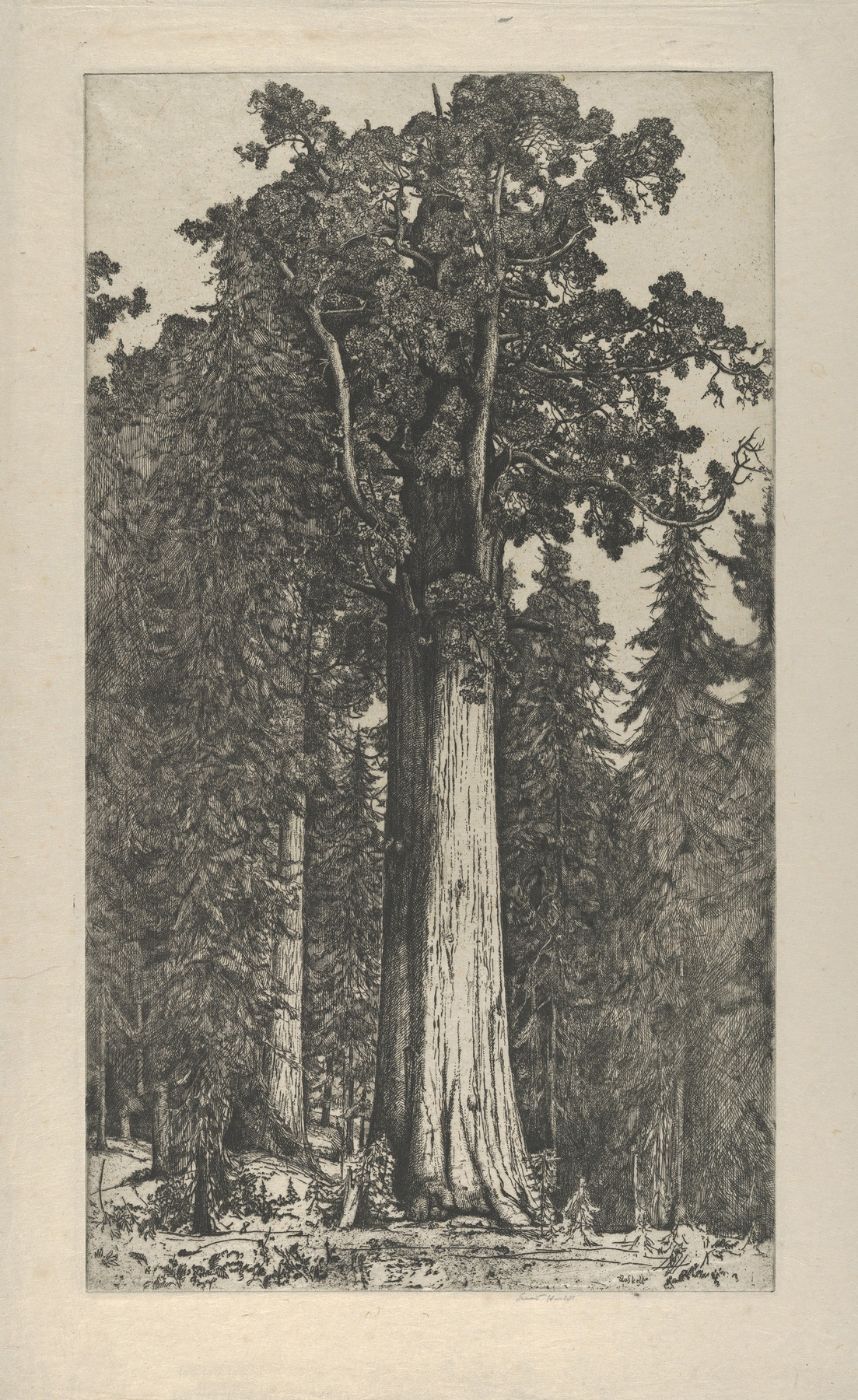
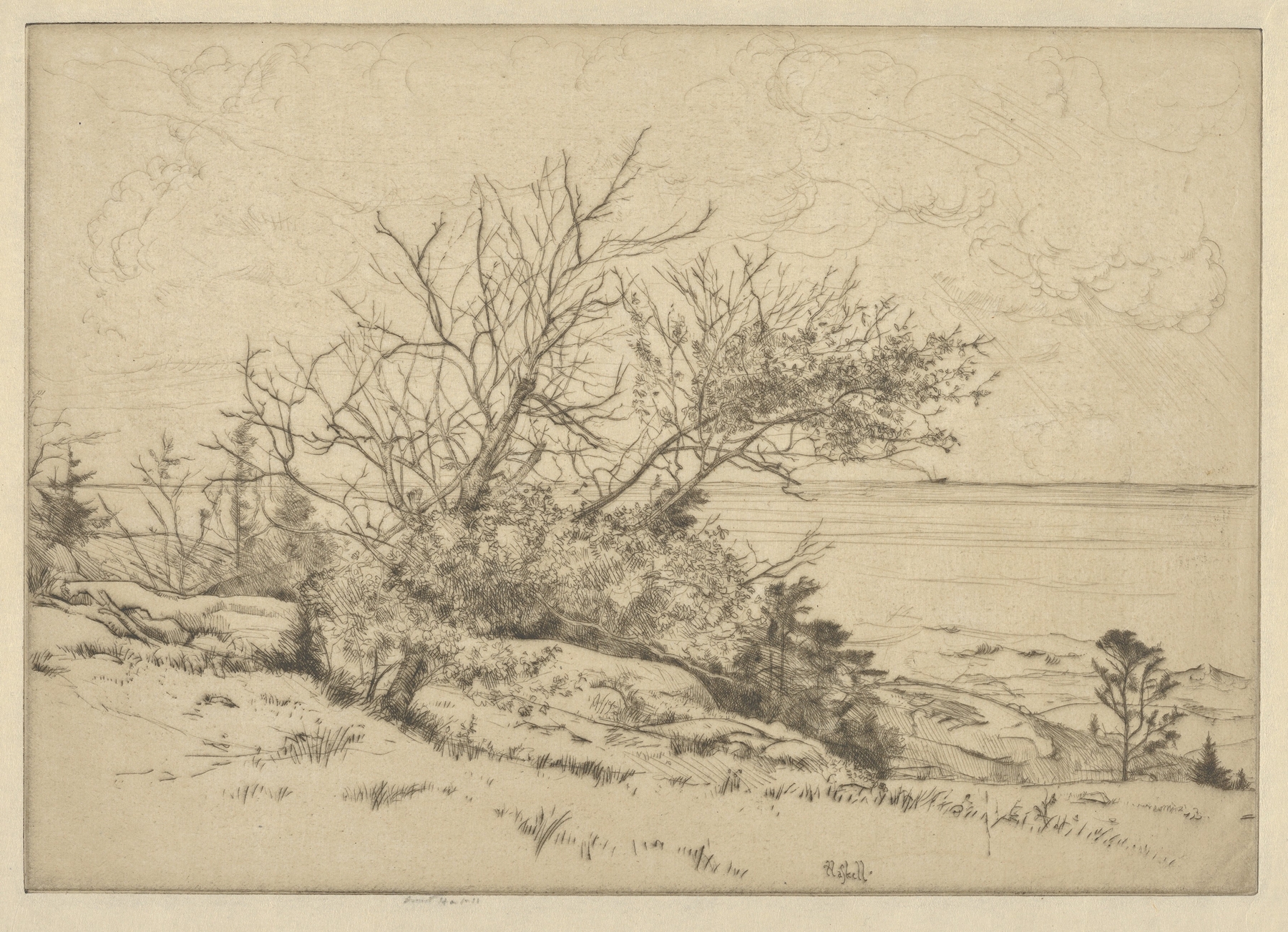
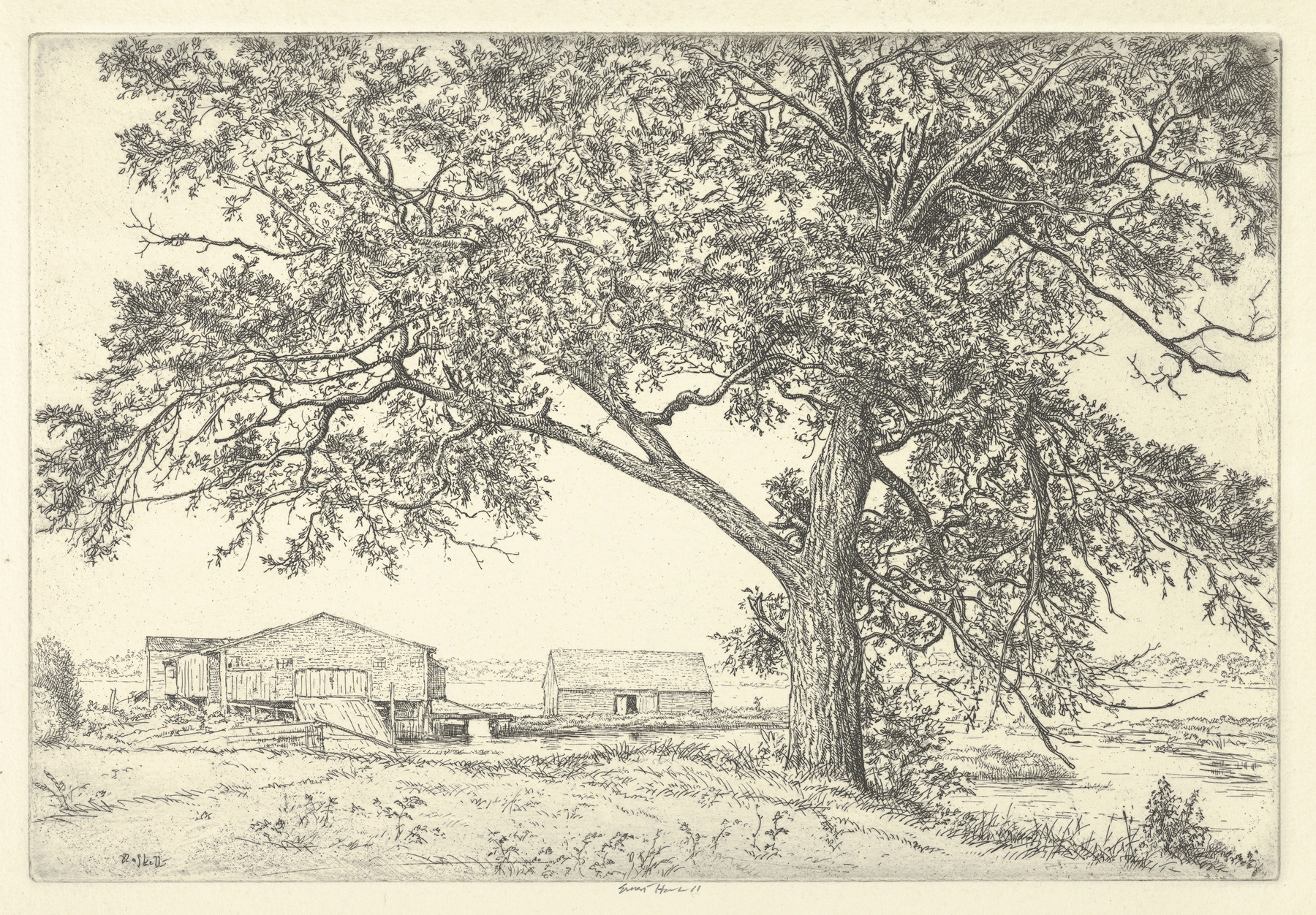
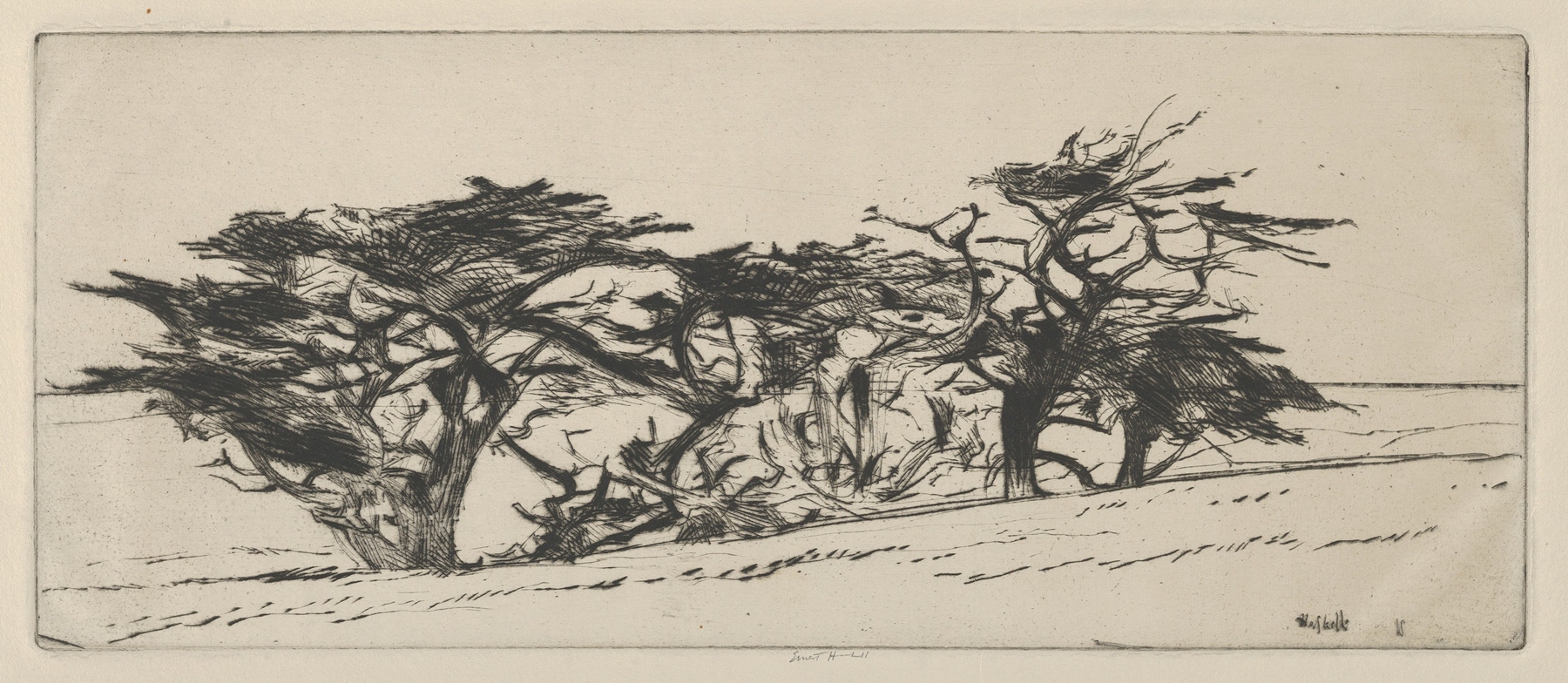
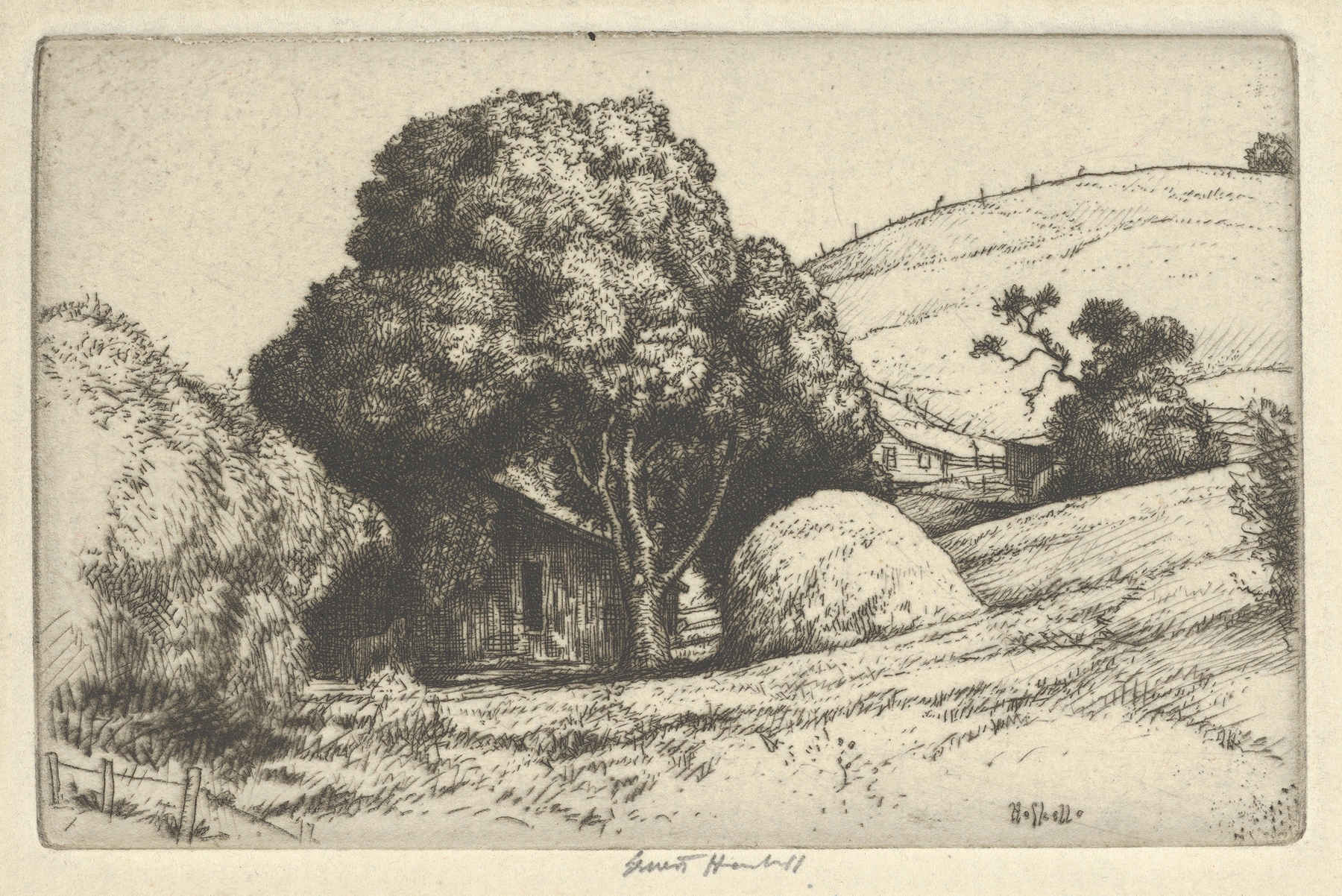
What if beauty was never meant to be finished? In Pine Arch, the viewer is drawn into a world where nature's raw chaos intertwines seamlessly with the artist’s vision, capturing an elusive sense of harmony. Look to the center of the canvas, where the arching branches of towering pines create a natural frame, inviting your gaze into the depths beyond. Notice how the brushwork curves and swells, almost pulsating with life, while a palette of rich greens contrasts with the earth tones below, embodying both the vibrancy and the wildness of an untouched landscape.
The dappled light filtering through the foliage adds a layer of ethereal beauty, accentuating the chaos of the natural world around it, suggesting movement and breath. Beneath the surface, this piece evokes a tension between serenity and disorder. The organic shapes of the trees speak to the unpredictable nature of life, while their firm roots ground the composition, symbolizing stability amid chaos. The interplay of light and shadow whispers secrets of transience, inviting contemplation on the passage of time and the complexities of existence.
Ernest Haskell painted Pine Arch around the turn of the 20th century, during a period of significant change in the art world, marked by movements that embraced both realism and abstraction. Living in New England, he was influenced by the lush landscapes surrounding him and the burgeoning American art scene that sought to capture the essence of the natural world. This work reflects both his personal exploration of nature and the broader artistic currents of his time.