Pont de la Tournelle, Paris — History & Analysis
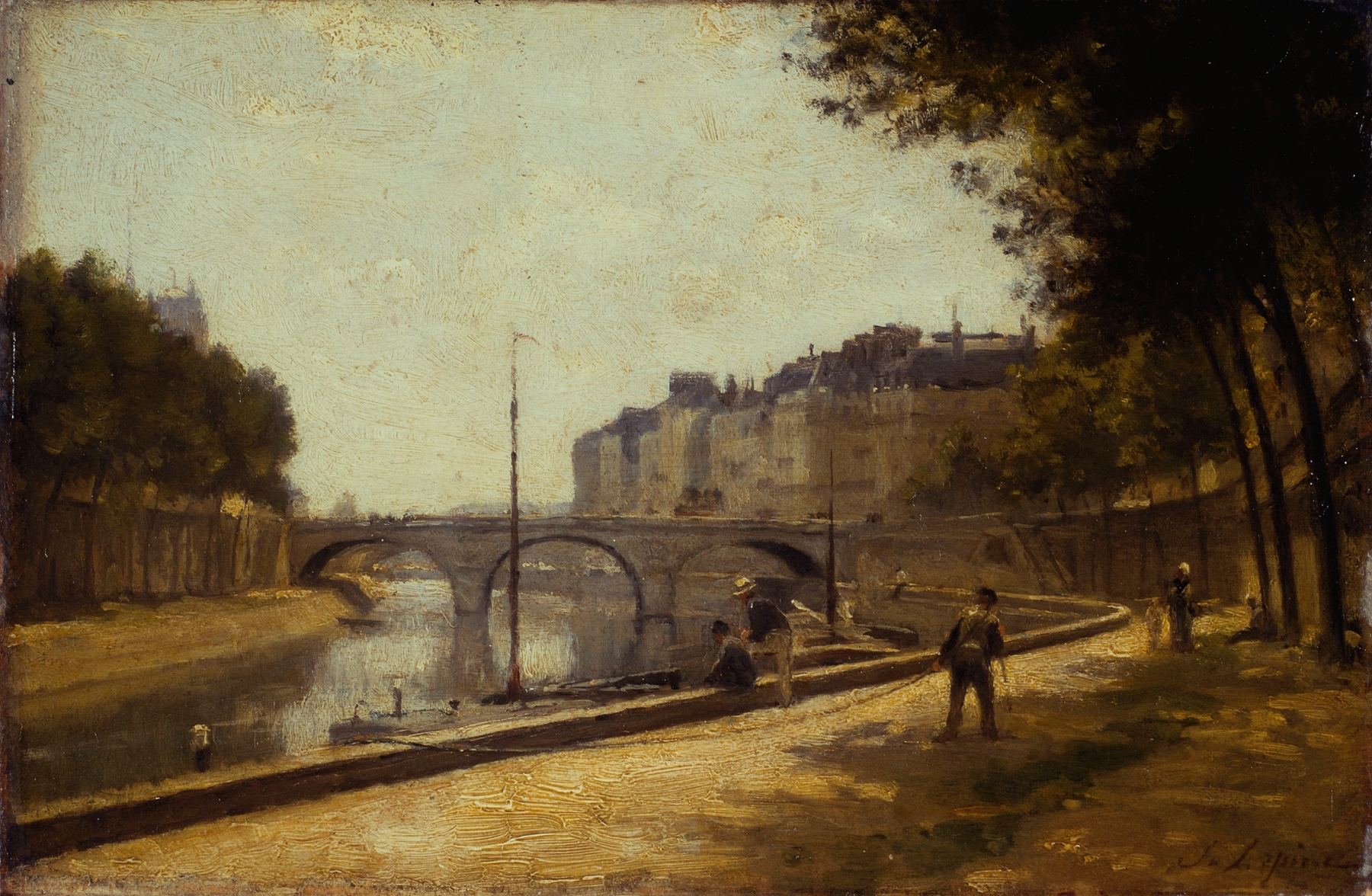
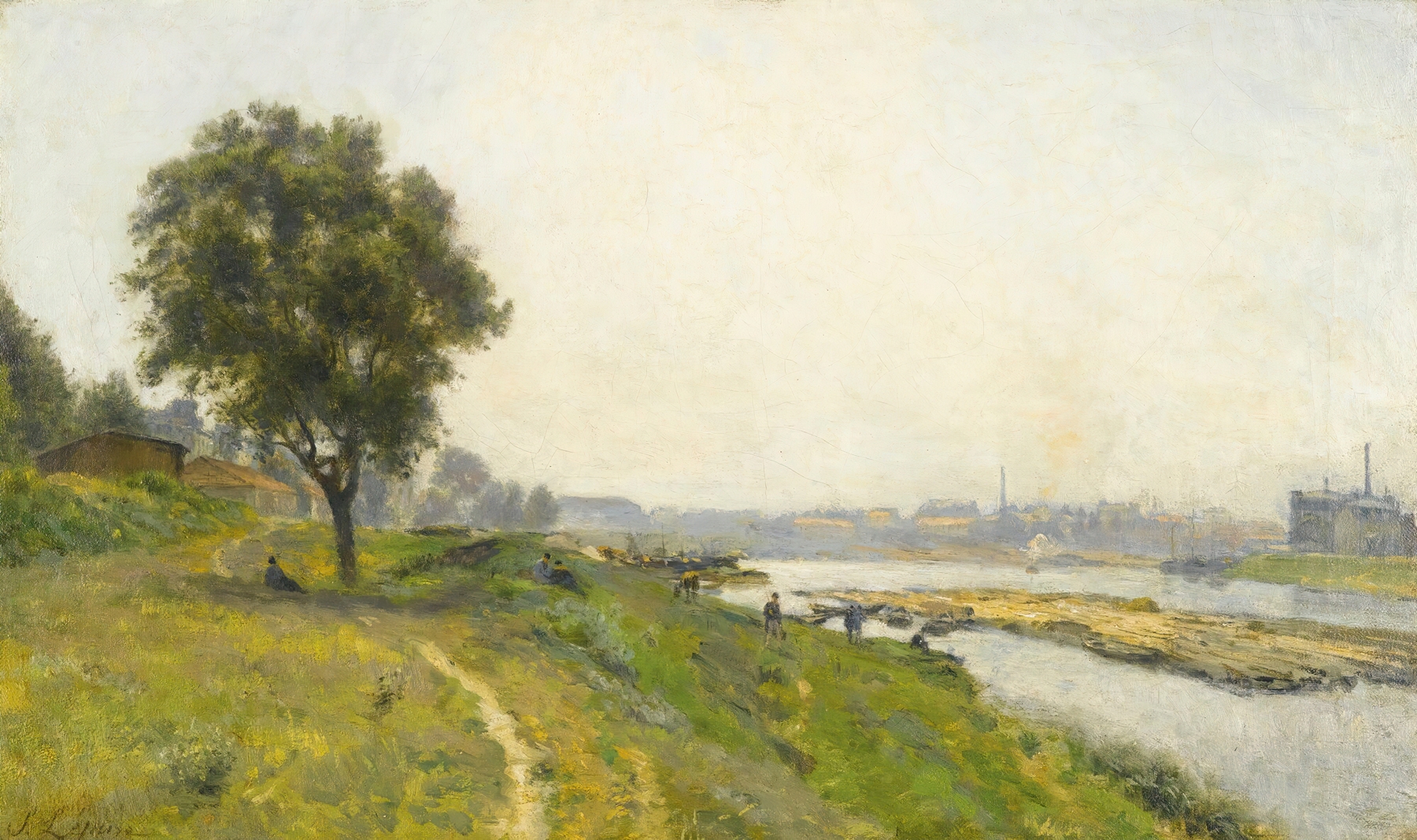
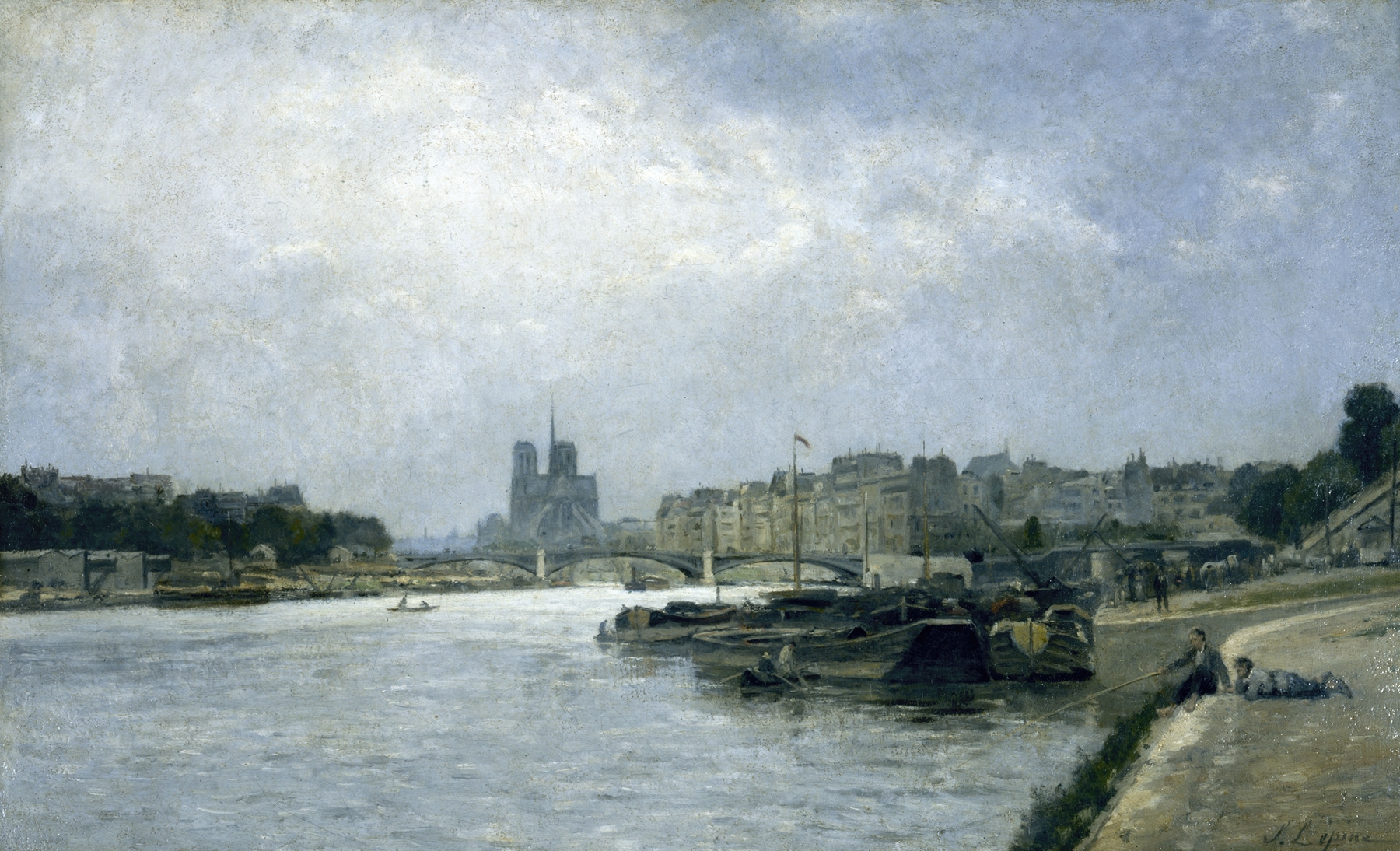
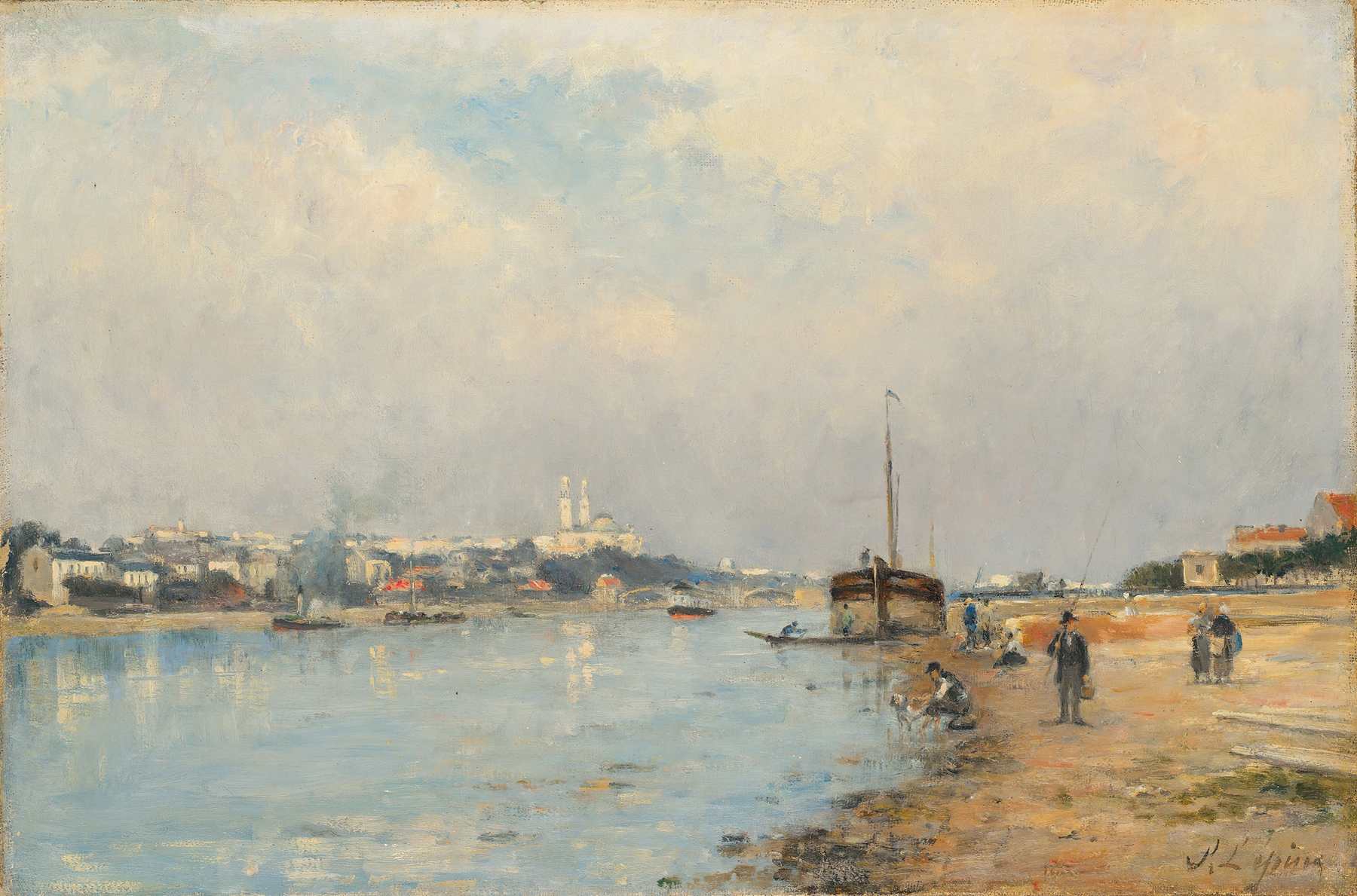
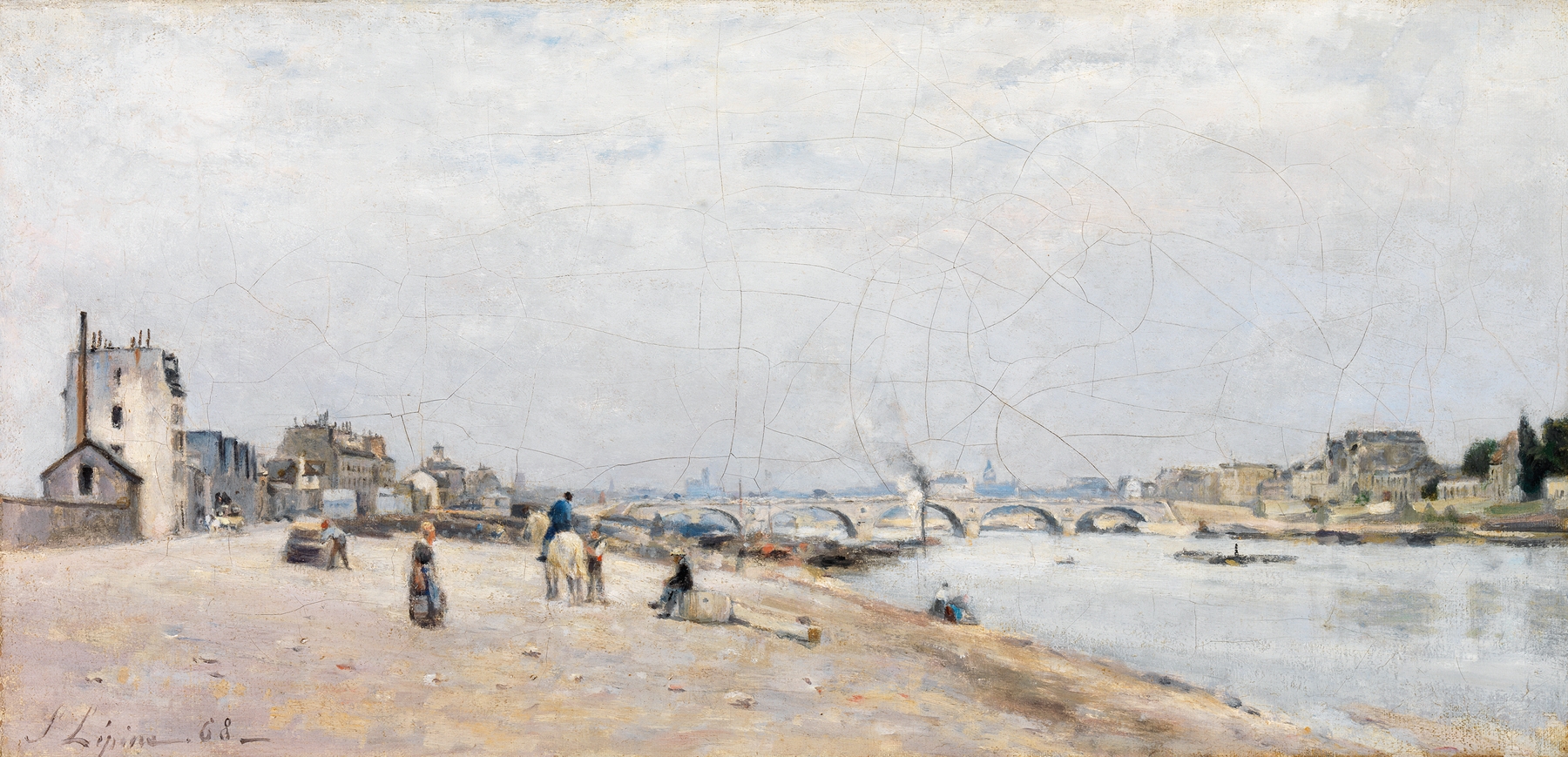
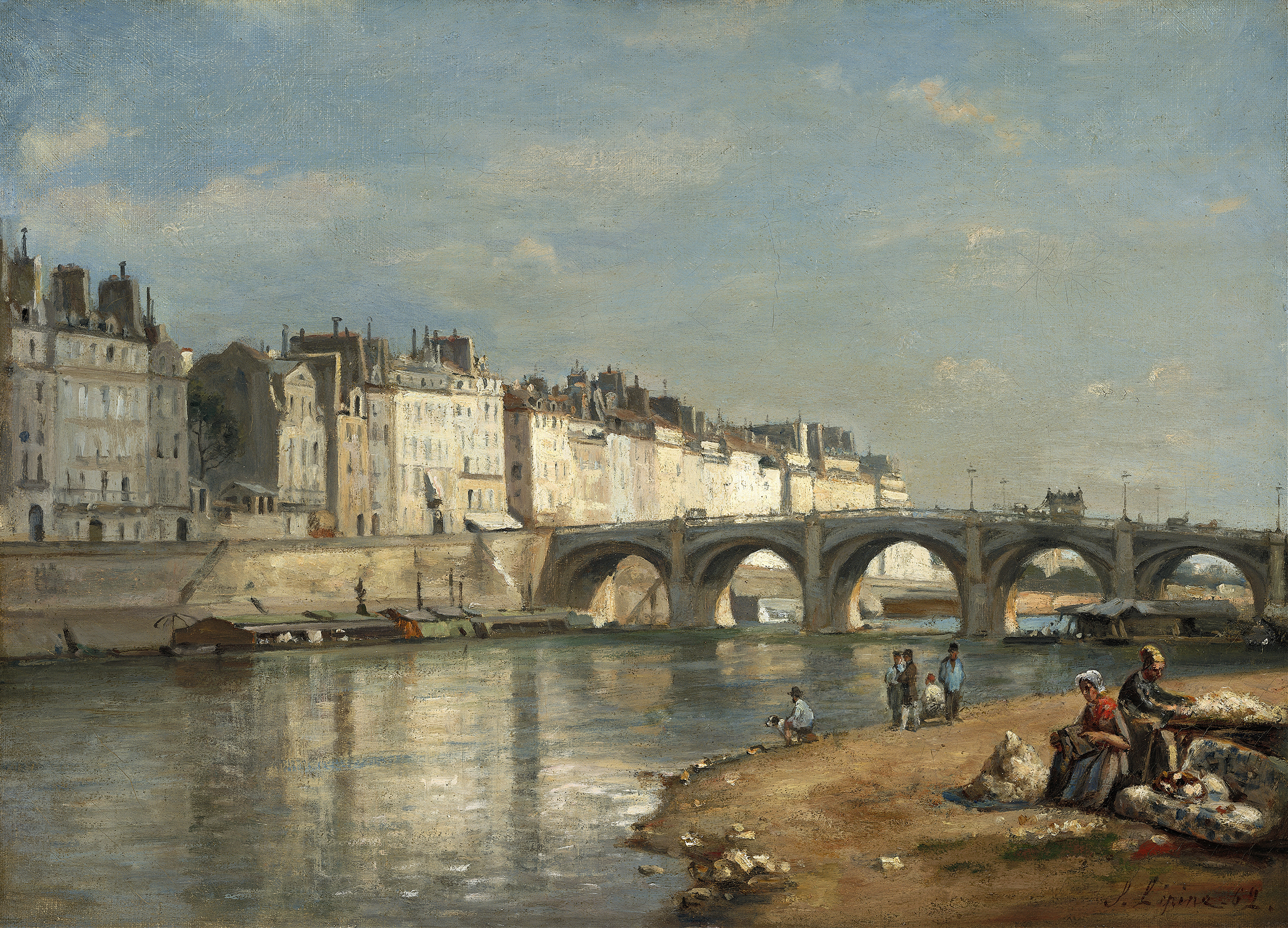
“Every brushstroke is a heartbeat remembered.” In the wake of revolution, art becomes a conduit for the pulse of a city and its people. Look to the center where the shimmering Seine reflects the muted hues of twilight, a palette of blues and browns. The bridge elegantly arches across the water, its stonework both solid and ethereal, inviting your gaze. Notice how the light plays against the rippling surface, creating a dance of reflections that seem to whisper stories of those who traverse this passageway.
Lépine’s meticulous brushwork captures not only the architecture but the very essence of Paris on the brink of change. In the foreground, a solitary figure stands, contemplating the flow of life around them. This figure represents the tension of a city caught between the past and an uncertain future. The soft blending of colors evokes a sense of nostalgia, while the sharp lines of the bridge symbolize both stability and the inescapable movement of time and progress.
Each detail, from the boats drifting silently to the shadows that linger at the edges, hints at the quiet undercurrents of revolution stirring beneath the surface. In 1862, Stanislas Lépine painted this scene amidst a France grappling with social upheaval following the revolutions of 1848. Then, Paris was a hotbed of political activity and artistic experimentation. This period saw the rise of Impressionism, and while Lépine’s style was still rooted in realism, he was part of a transitional phase that reflected the shifting tides of both artistic expression and societal change.