Portrait of Zeretelli — History & Analysis
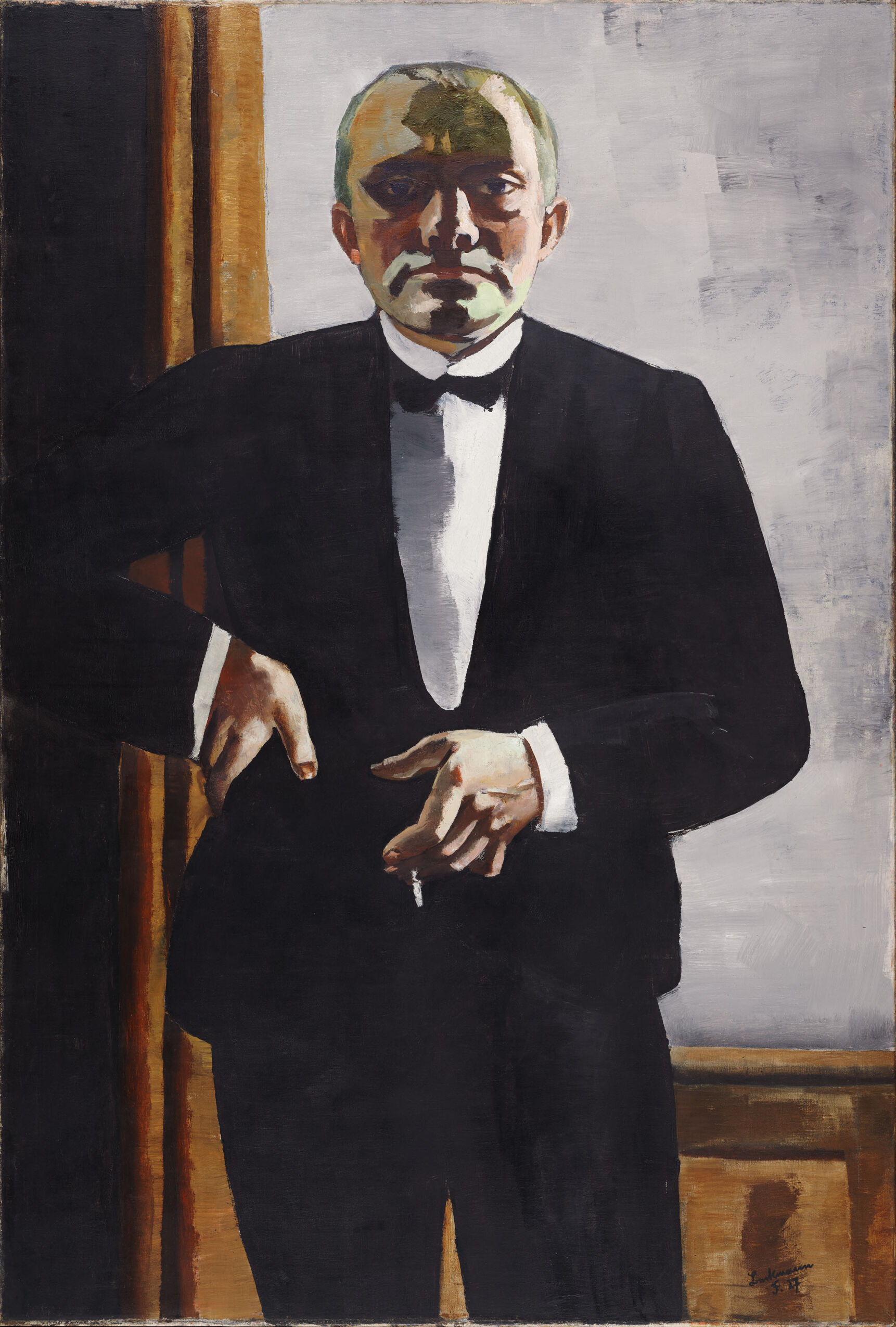
“Every silence here is a confession.” The depths of transformation pulse beneath the surface, whispering truths that linger just out of reach. In moments of stillness, the heart reveals itself—raw, vulnerable, and brimming with potential. Look closely at the figure's intense gaze, which draws you in from the canvas's edge. Notice how the shadows play upon the contours of the face, hinting at complexities lurking beneath the surface.
The stark contrasts in color—deep blacks intertwined with brilliant whites—mirror the tension of transformation. Every brushstroke feels deliberate, creating a palpable energy that dances between abstraction and realism, challenging the viewer to engage with both the known and the unknown. As you delve deeper, examine the subtle details that evoke a sense of duality: the softness of Zeretelli’s expression juxtaposed with the angularity of his form. This interplay suggests an internal conflict, a push and pull between identity and perception.
The textured background seems to dissolve and reform, representing the fluid nature of self-discovery and the often tumultuous journey towards understanding who we are at our core. Max Beckmann painted this work in 1927, during a period marked by significant upheaval in Germany. Rising from the aftermath of World War I, the artist sought to explore themes of existential crisis and transformation within his subjects. This painting reflects his own struggles and sentiments during a time when the world was grappling with its identity, echoing the larger narrative of a society in flux.