Portret van een man met een hoge hoed — History & Analysis
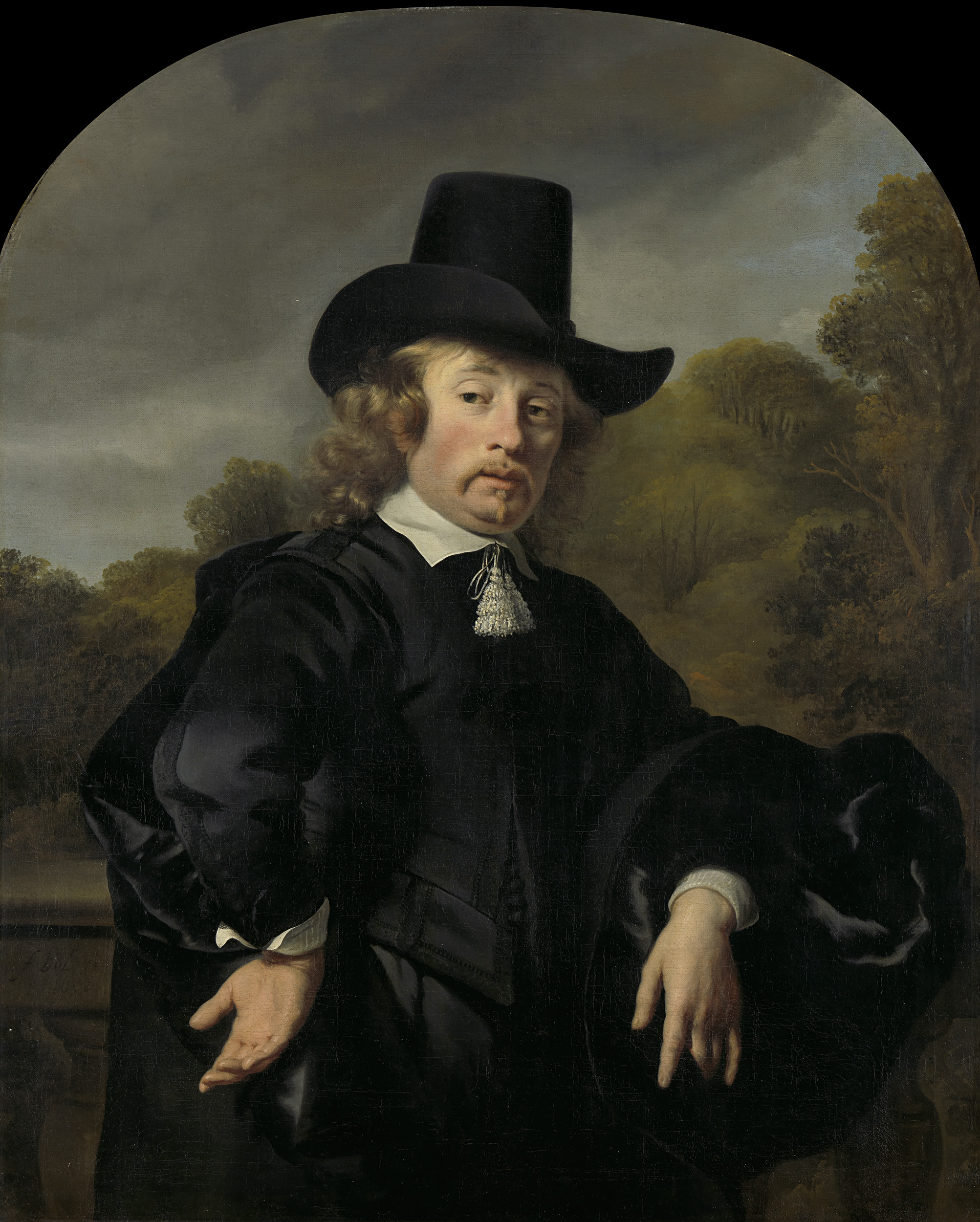
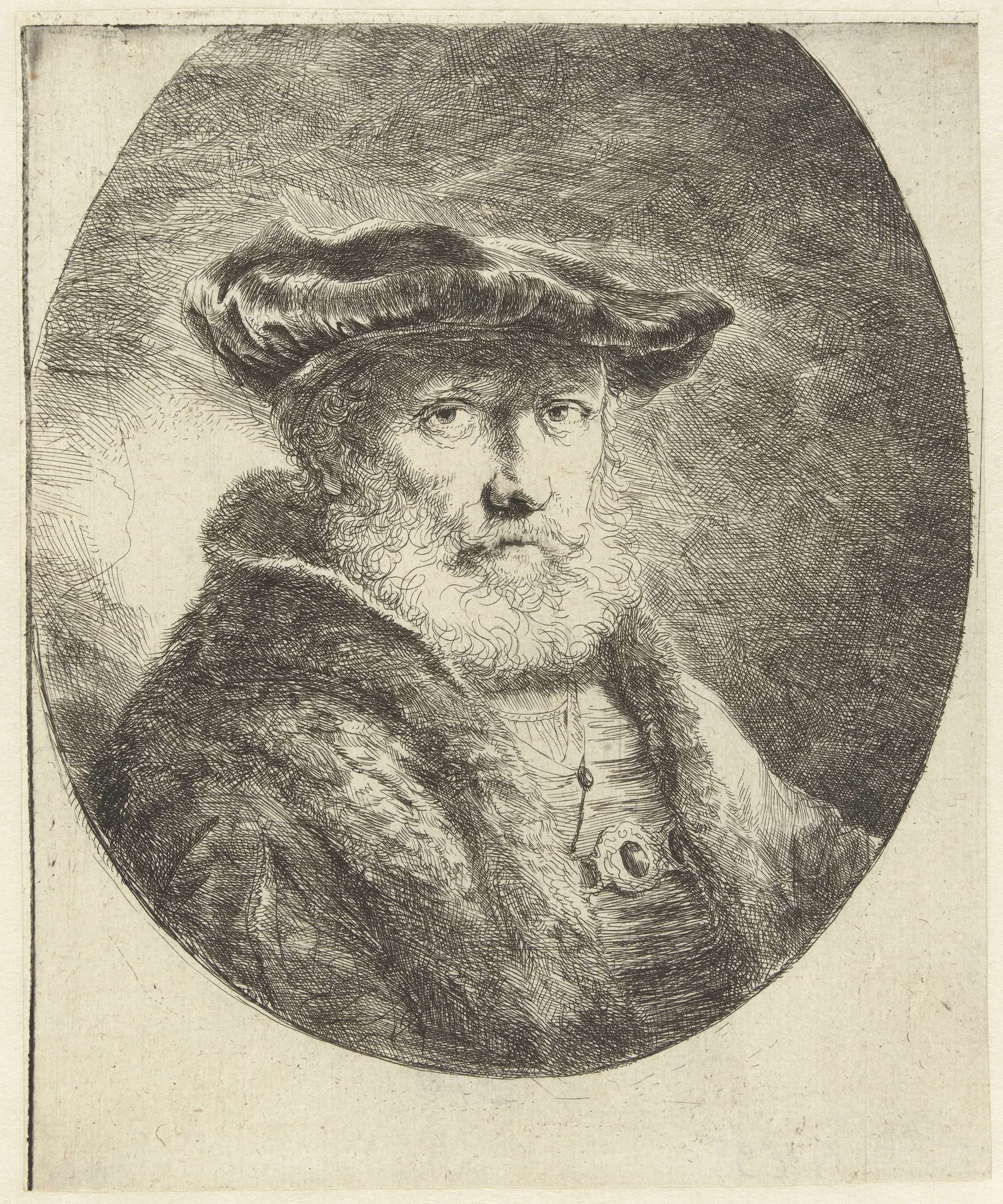
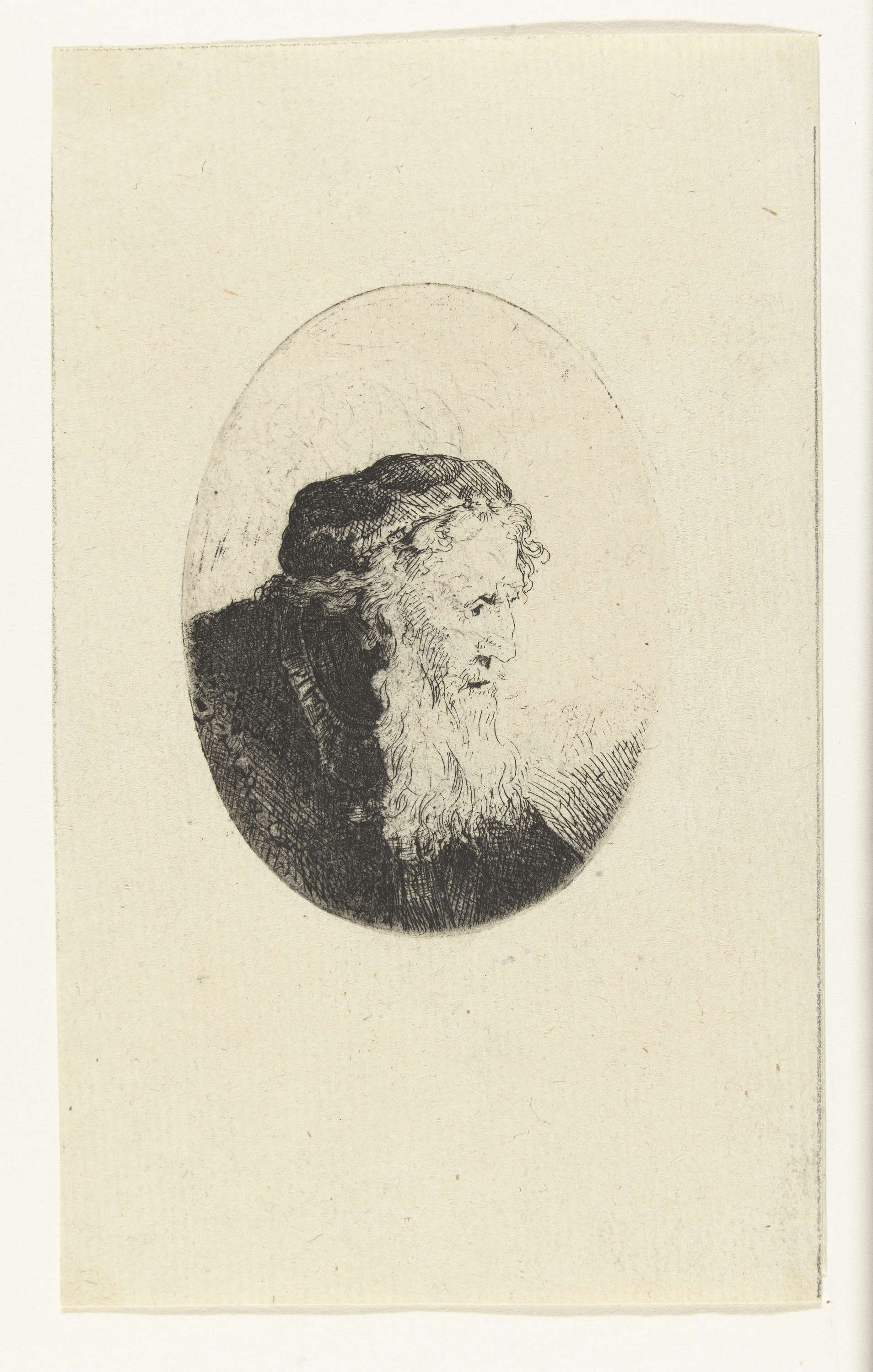
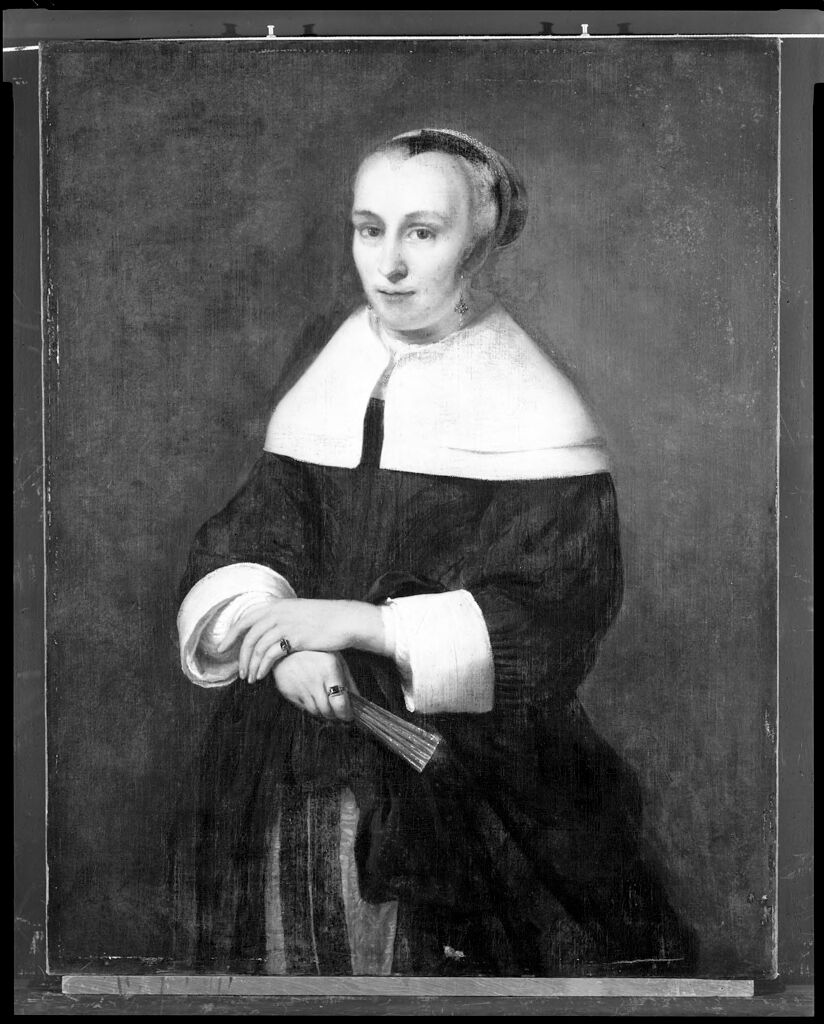
Could a single brushstroke hold eternity? In Portret van een man met een hoge hoed, the viewer is swept into a world where transformation is palpable, captured in the stillness of a moment frozen in time. Look to the man's sharp profile, rendered with meticulous precision; the high hat sits elegantly atop his head, while the rich, dark fabric of his clothing wraps around him like a cloak of authority. Notice how the light falls upon his face, illuminating his features and creating a striking contrast with the darker background.
The subtle play of shadows enhances his expression, inviting you to ponder the thoughts behind his composed demeanor. As you delve deeper, consider the tension between the man’s poised exterior and the ambiguity of his identity. The high hat, a symbol of status, hints at societal roles, yet his gaze remains inscrutable, suggesting layers of story concealed beneath the surface. The lush textures of the fabric and the depth of color evoke intimacy, yet the distance implied by his stern expression compels the viewer to grapple with themes of self-presentation and perception.
Ferdinand Bol painted this portrait between 1643 and 1657, a time when he was establishing his reputation as a prominent portraitist in Amsterdam. Influenced by his mentor Rembrandt, Bol's works often explored the interplay of light and emotion. During this period, the Dutch Golden Age was in full swing, and artists like Bol were sought after for their ability to convey complex human experiences in their art.