
Last Stand — History & Facts
In the hands of an artist, yearning transforms into a visual language that speaks to the heart’s complexities. Look to the center of the piece, where a striking figure stands defiantly amid a swirling chaos of color and texture. The bold strokes and rich golds envelop the subject, creating a magnetic focal point that draws the eye. Notice how the contrasting dark hues around the edges evoke both isolation and intensity—an emotional storm brewing just beyond the figure’s grasp.
This composition, buoyed by dynamic lines and striking contrasts, highlights the tension between fortitude and vulnerability in the face of overwhelming desire. There lies a profound interplay between the golden light and the encroaching darkness that invites deeper reflection. The figure's posture embodies resilience, yet their gaze hints at an inner conflict, caught between longing and despair. This duality serves as a reminder of how desire can give rise to both beauty and suffering, revealing the fragility that often underlies our most fervent aspirations.
Each brushstroke reflects a moment of struggle, a culmination of hopes intertwined with the shadows of doubt. During the years 1918 to 1920, the artist created this piece amid a world grappling with the aftermath of World War I. Haskell, deeply influenced by the contemporary shift in artistic expression, sought to explore themes of identity and emotional depth during turbulent times. The interplay of light and dark not only resonates with personal experiences but also reflects the broader societal yearnings for healing and understanding in the wake of profound loss.
More Artworks by Ernest Haskell
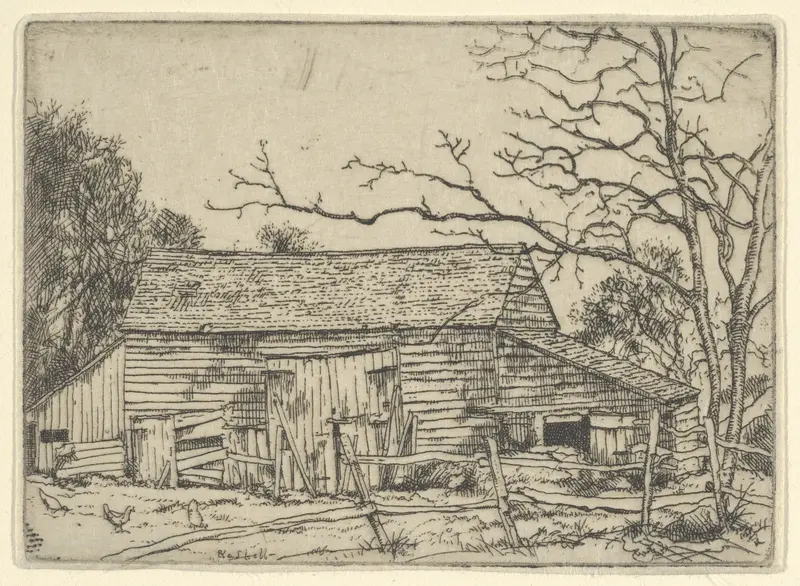
The Barn–Staten Island, N.Y.
Ernest Haskell
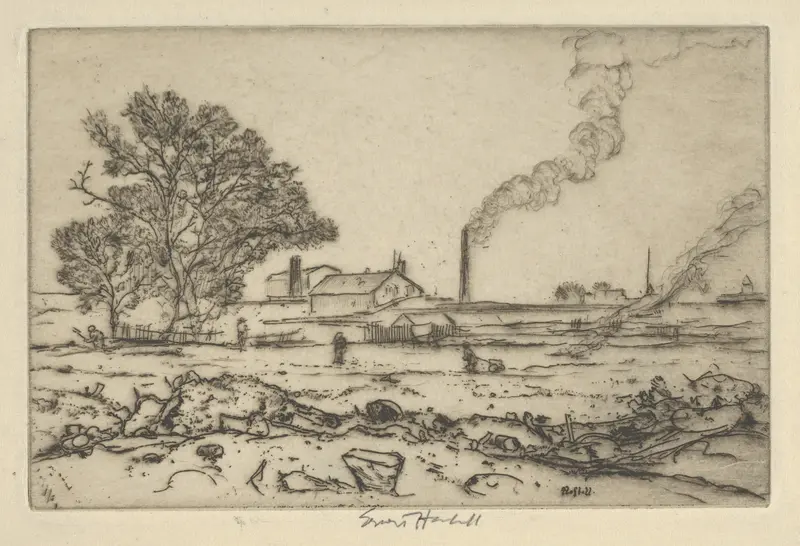
Outskirts of Boston
Ernest Haskell
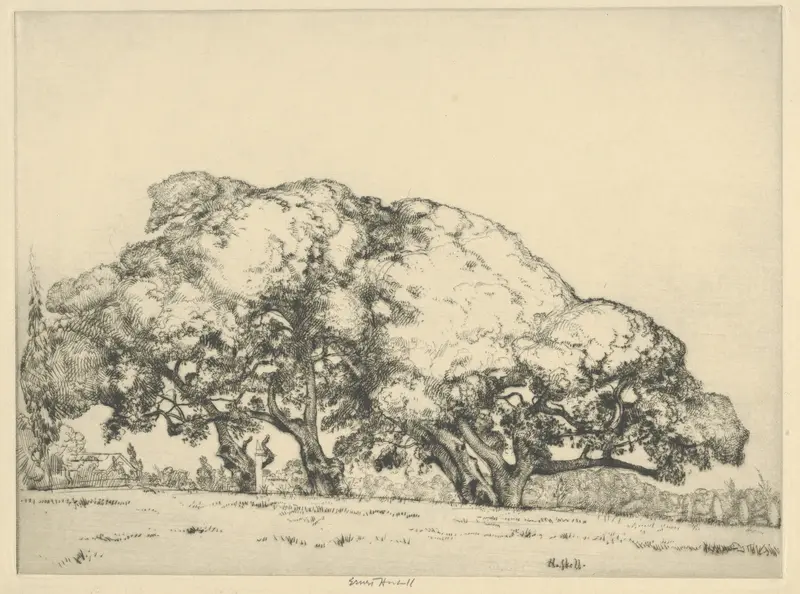
Four Live Oaks
Ernest Haskell
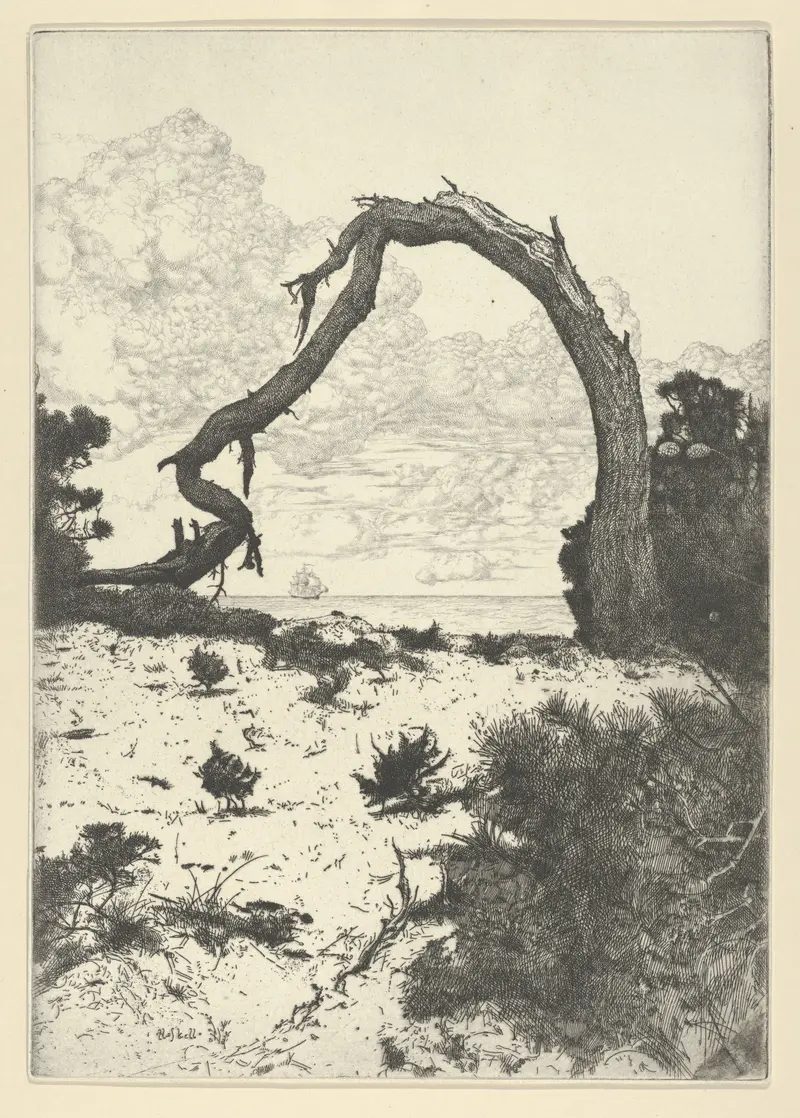
Pine Arch
Ernest Haskell
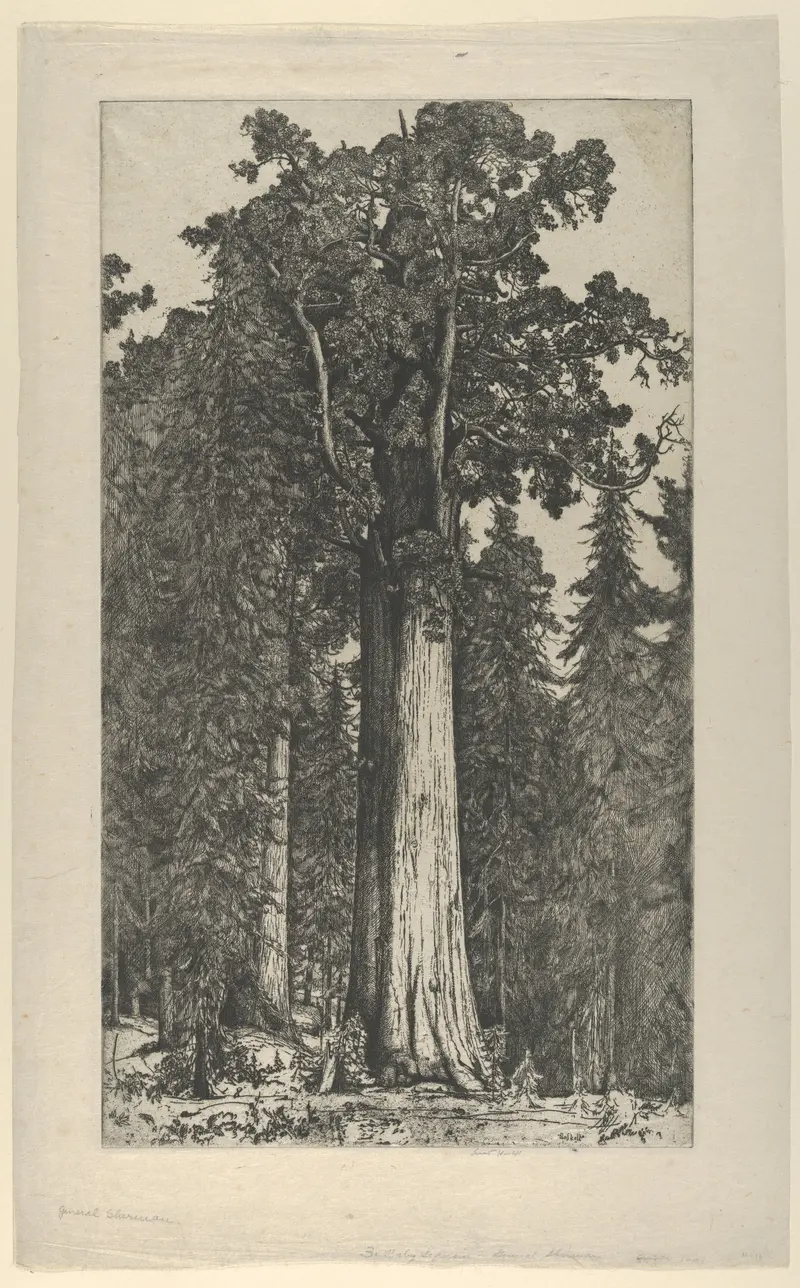
General Sherman
Ernest Haskell

Ragged Tree – Maine
Ernest Haskell
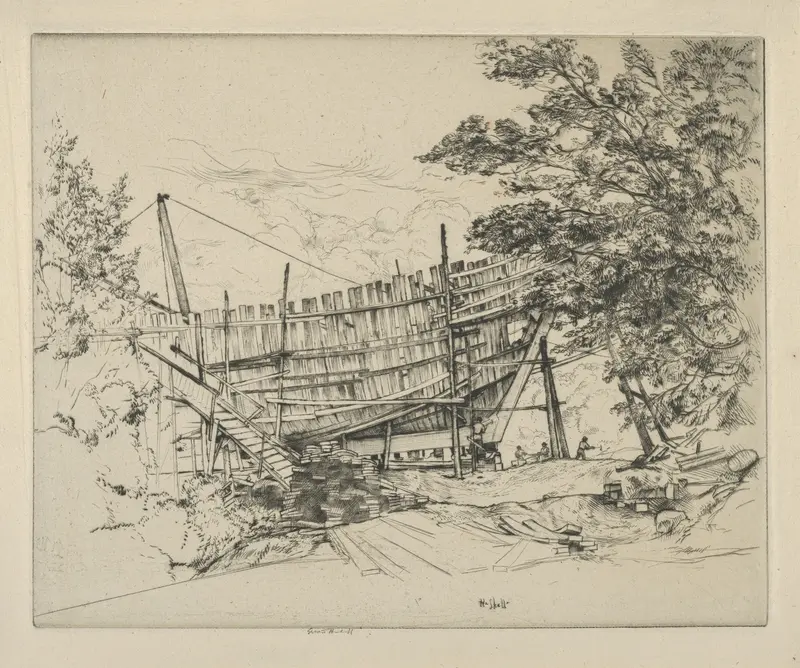
Ship Building
Ernest Haskell
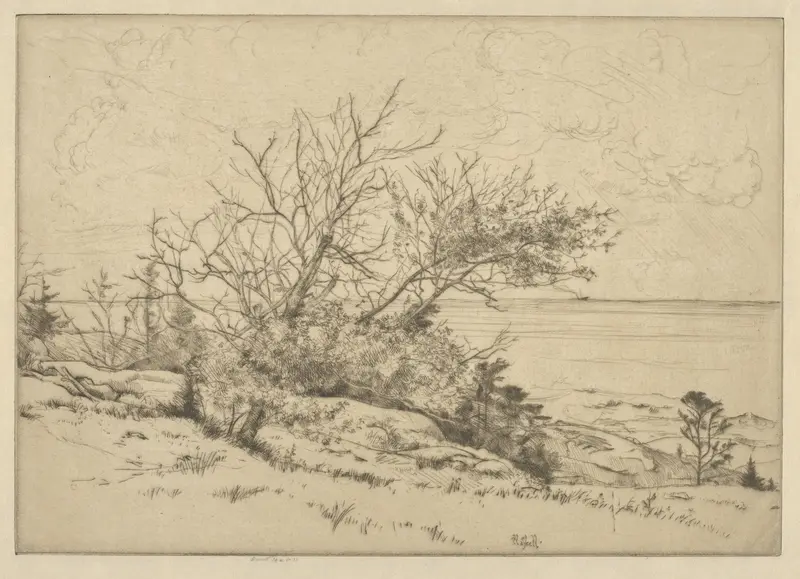
To the Southward – Ragged Island, Me.
Ernest Haskell
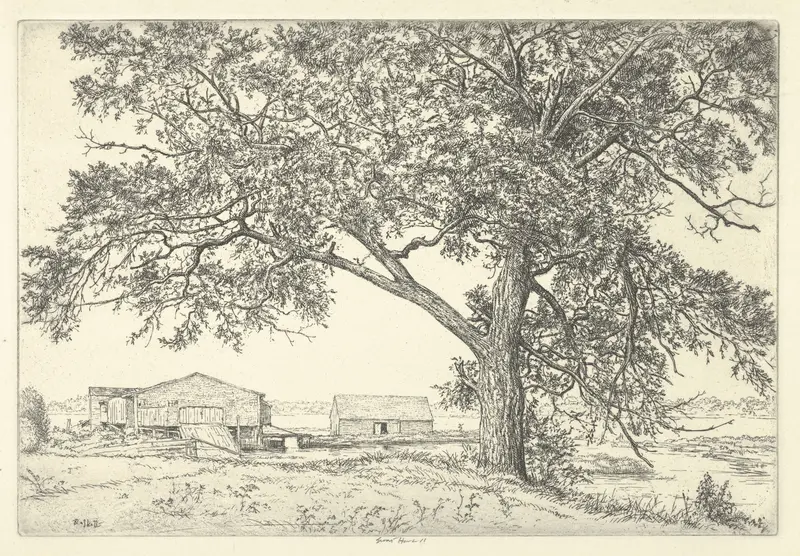
Tide Mill
Ernest Haskell
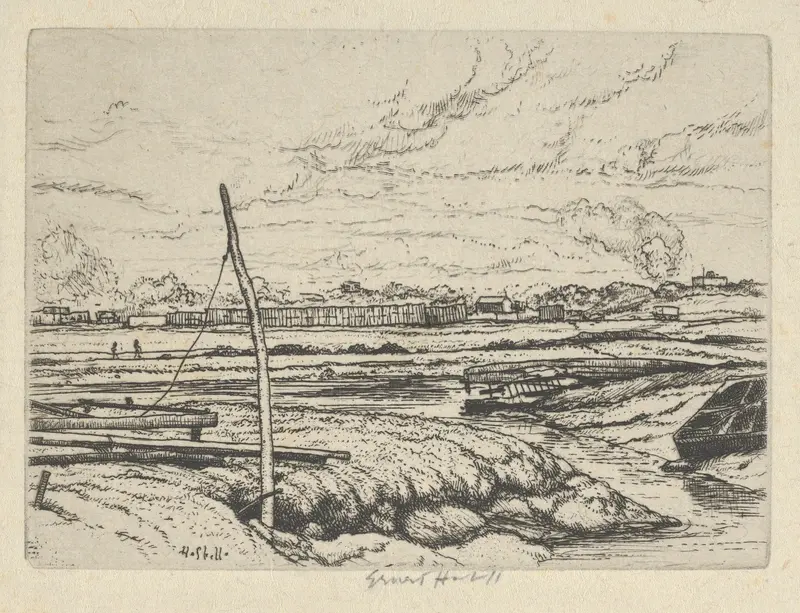
Long Island Marshes
Ernest Haskell



