Ram en geit — History & Analysis
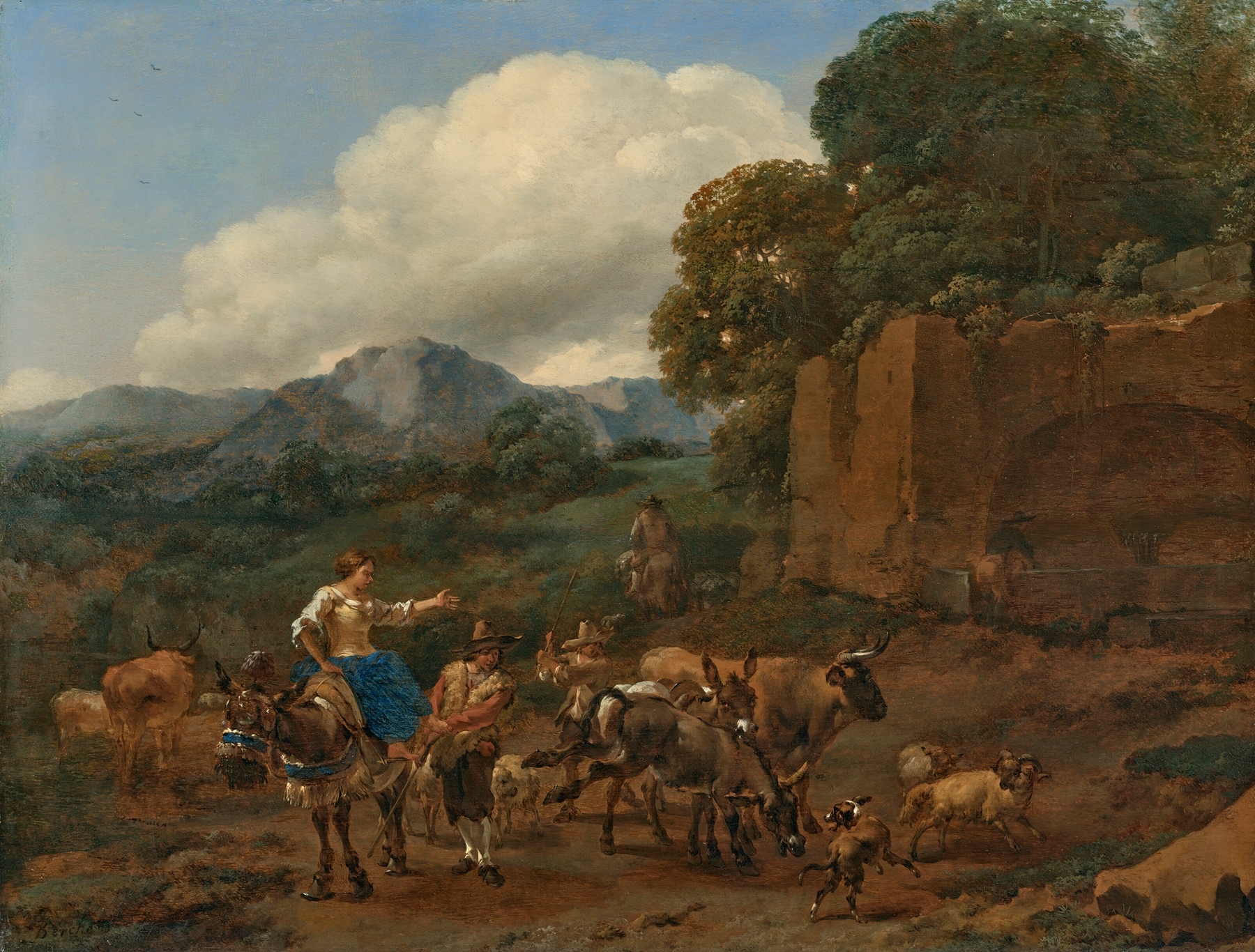
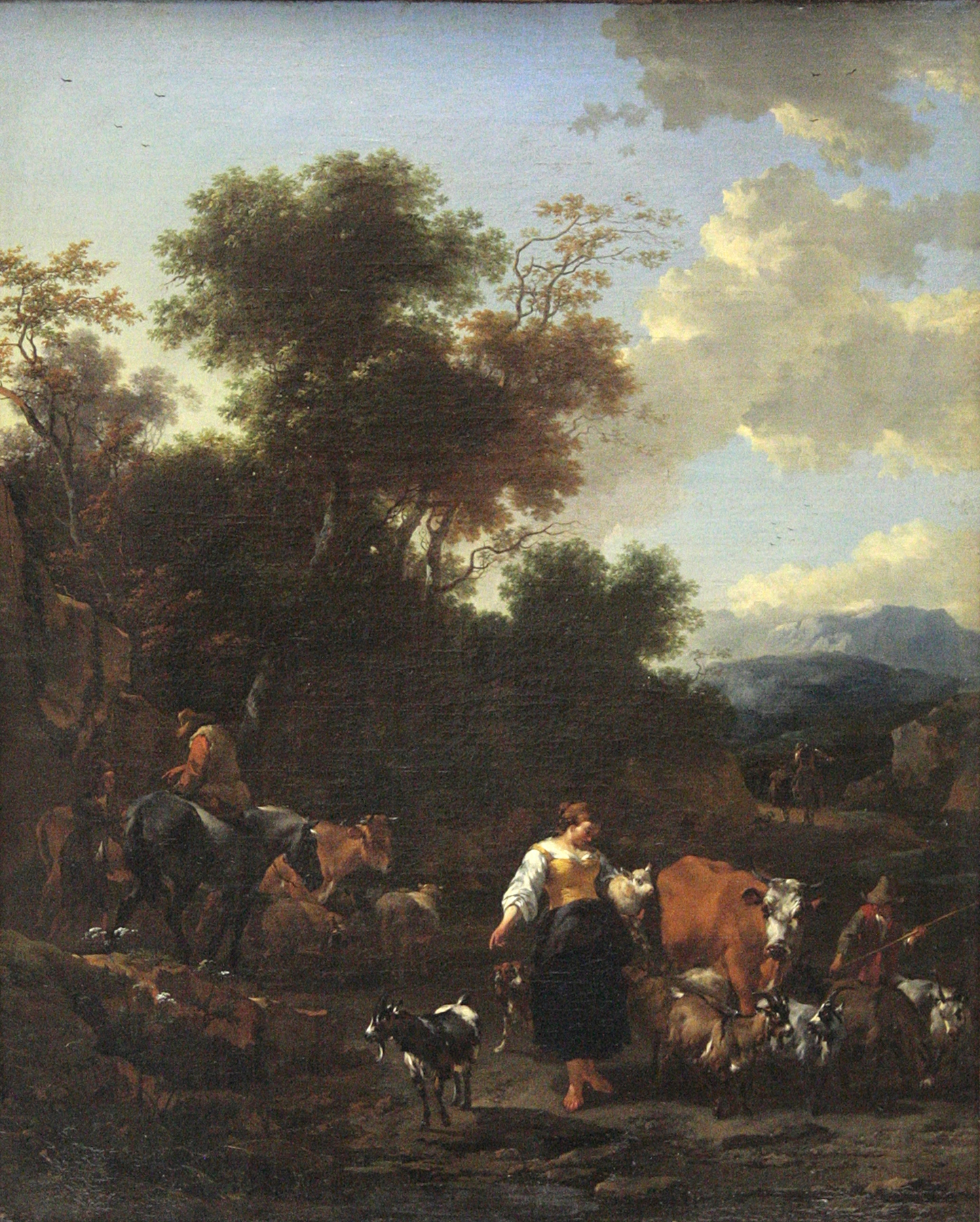
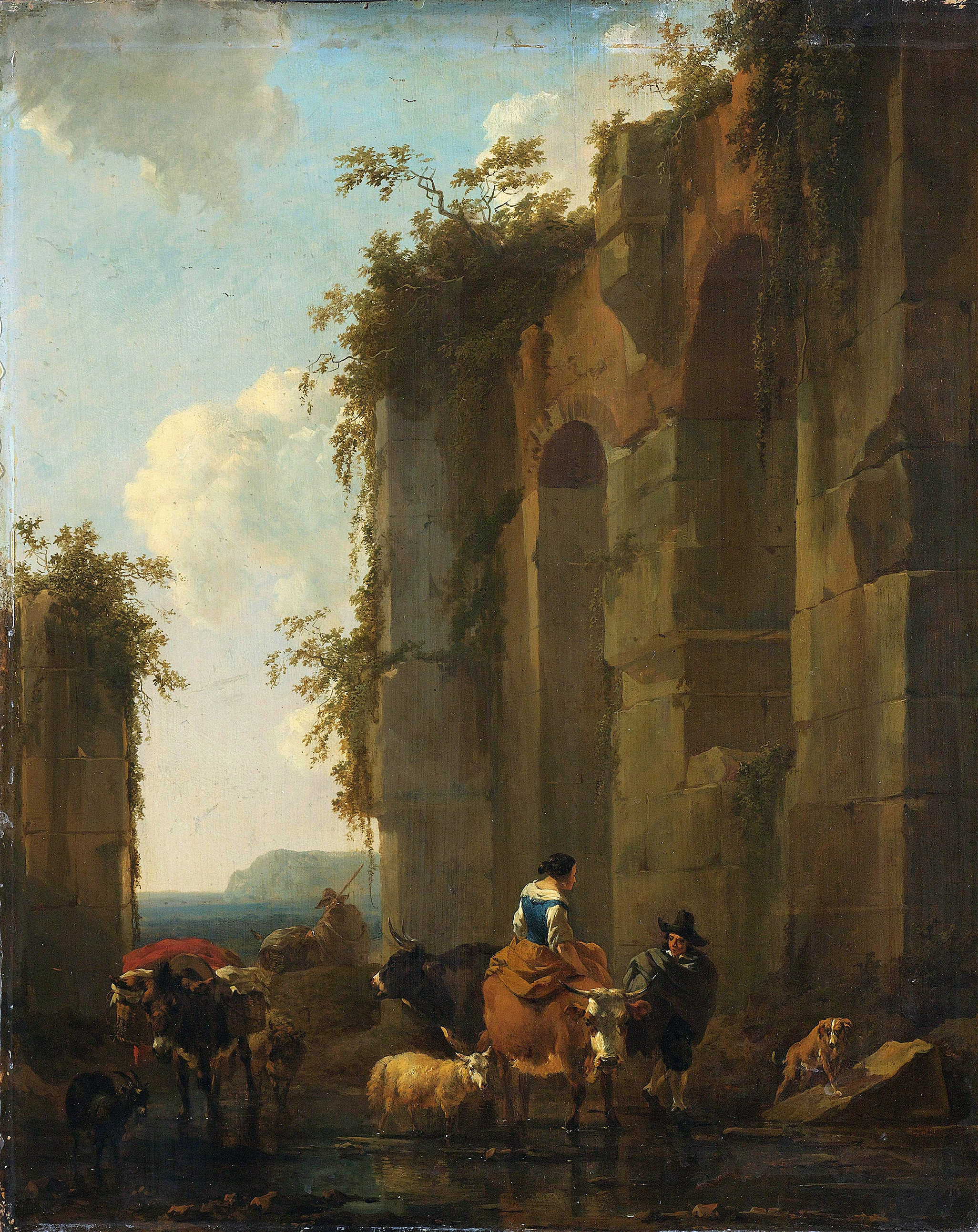
Did the painter know this moment would outlive them? A fleeting interaction between a ram and a goat, encapsulated in serene beauty, whispers of loss and connection in the simplest of gestures. Look to the left at the gentle curve of the ram’s neck, its woolly texture rendered with meticulous brushstrokes that invite you to reach out and touch. Notice the play of light on its body, illuminating the subtle gradients of white and grey, contrasting against the darker, smooth contours of the goat to its right. The background, a soft blend of earthy tones, cradles the figures, drawing attention to their quiet companionship.
Each stroke seems to breathe life into this pastoral scene, creating an atmosphere of peace that belies the tension of impending change. Beneath the surface, the composition reflects deeper themes of companionship amidst transience. The ram, a symbol of strength, stands proudly, while the goat's lowered head hints at submission or perhaps a profound understanding of shared vulnerability. Together they occupy a space that feels both eternal and ephemeral—echoing the nature of life, where the bonds forged can be fragile yet enduring.
In this moment, we witness not just animals, but the essence of relationships that shape our existence. During the years of 1648 to 1652, Berchem painted this piece amidst a vibrant artistic community in the Netherlands, a time when genre painting began to flourish. Artists were exploring pastoral themes as reflections of their society’s values and natural beauty, capturing fleeting moments that would resonate through the ages. As Berchem engaged with this trend, he infused his work with a personal touch, hinting at the intricate balance between presence and absence that defines all relationships.